
A rim protector is a specialized, raised rubber ridge moulded directly into a tyre’s sidewall to shield the outer edge of your alloy wheels from cosmetic and structural damage. When you accidentally scrape against a curb while parking or navigating tight corners, this protruding rubber barrier absorbs the initial impact, keeping the metal wheel from grinding directly against concrete. It serves as a sacrificial buffer, saving car owners from costly wheel repairs or replacements.
What Is a Rim Protector on a Tyre?
At its core, a rim protector is an integrated structural feature of the tyre sidewall, designed during the initial engineering and manufacturing process. Unlike temporary accessories, this feature is an inseparable part of the tyre’s heavy-duty rubber compound. It is positioned just above the bead area—the part of the tyre that sits flush against the wheel rim—and extends outward to create a physical overhang.
This raised rubber lip or ridge acts as a shield by extending slightly past the outermost edge of the wheel flange. When the tyre is fully inflated, this protrusion creates a recessed pocket where the metal rim sits safely behind a wall of thick rubber. Because it is moulded during vulcanization, the protector shares the same durable, flexible properties as the rest of the tyre sidewall.
Products mentioned in this guide
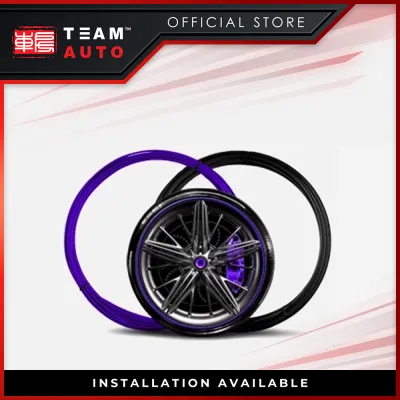
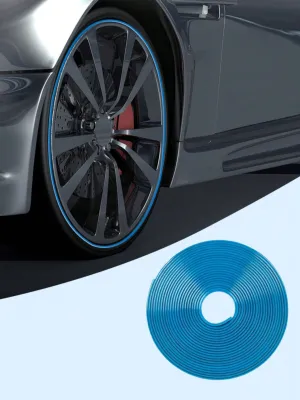
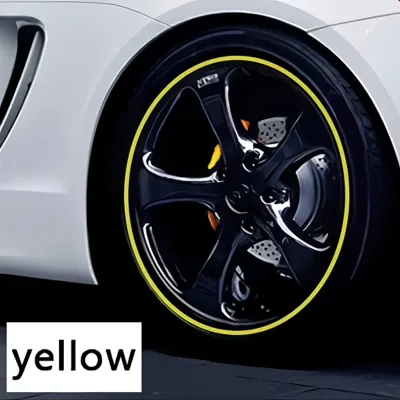
Prices are valid at publication and may change. Please refer to the product page for the latest price.
Tyre manufacturers use several different terms to describe this protective feature on their product sheets and sidewall markings. You might see it referred to as a rim shield, flange protector, wheel protector, or rim protection strip. Regardless of the specific marketing name used by a brand, the mechanical design and protective purpose remain identical across the industry.
How Rim Protectors Shield Alloy Wheels
The primary function of a rim protector is to absorb and deflect physical forces during low-speed contact with hard surfaces. When a vehicle brushes against a concrete curb, the protruding rubber ridge is the first point of contact. The thick rubber compresses under the pressure, absorbing the friction and impact energy that would otherwise scrape, gouge, or chip the delicate metal of your alloy wheels.

This feature has become increasingly vital due to the widespread popularity of low-profile tyres. Low-profile tyres have shorter sidewalls, which naturally positions the metal wheel much closer to the road surface and curbs. With less rubber height to flex and cushion impacts, standard low-profile tyres leave alloy wheels highly vulnerable to “curb rash” during routine driving maneuvers.
However, the protective capability of this rubber ridge is highly dependent on the physics of the encounter. It is designed to handle glancing blows at low speeds, such as those occurring during parallel parking or slow turns. The angle of approach plays a critical role; a parallel scrape is much easier for the rubber to deflect than a direct, perpendicular impact where the wheel is forced hard against a sharp edge.
How to Identify Tyres with Rim Protection
Identifying whether a tyre features a built-in rim protector requires a quick visual and physical inspection of the sidewall. If you look closely at the area where the tyre meets the metal wheel, you should see a distinct, raised band of rubber that clearly projects outward beyond the rim’s edge. Running your hand along this section will reveal a thick, firm ridge rather than a smooth, flat transition from the tread to the wheel.
When shopping for new tyres online or browsing spec sheets, you can look for specific industry abbreviations in the tyre’s model name or technical specifications. Manufacturers often use codes such as MFS (Maximum Flange Shield), FR (Felgenrippe), RFP (Rim Fringe Protector), or FSL (Felgenschutzleiste). These markings indicate that the tyre model has been engineered with an integrated protective lip.
Because naming conventions and markings are not universally standardized across all global brands, visual checks alone may sometimes be inconclusive. If you are uncertain whether a specific tyre model includes this feature, the most reliable step is to consult the official product documentation or ask an authorized tyre dealer. They can verify the exact sidewall profile using the manufacturer’s technical database.
Limitations: What Rim Protectors Cannot Prevent
While a rim protector is an excellent defense against minor parking mishaps, it is not an absolute guarantee of safety for your wheels. High-speed impacts, such as hitting a curb at driving speed or striking a deep pothole, generate forces that easily bypass the cushioning effect of a thin rubber ridge. In these scenarios, the kinetic energy will compress the tyre completely, leading to severe wheel damage or tyre failure.
Additionally, the protector is designed specifically to guard the outermost edge of the wheel flange. It cannot protect the entire outer face of the wheel. If your alloy wheels have spokes that bow outward past the rim edge, or if you scrape against an uneven, high curb, the obstacle can easily make contact with the face of the wheel, bypassing the tyre’s protective ridge entirely.
It is also crucial to understand that a pristine-looking wheel does not mean the tyre escaped unharmed after a hard impact. Severe curb strikes can cause internal structural damage to the tyre’s carcass, such as broken cords or sidewall bubbles, which compromise safety. A hard impact can also bend or crack the wheel rim from behind, even if the outer edge shows no cosmetic scratches.
Factoring Rim Protection into Your Tyre Selection
Deciding whether to prioritize rim protectors when buying new tyres depends largely on your daily driving environment and the type of wheels you own. For drivers navigating the tight multi-storey car parks, narrow urban streets, and tight parallel parking spaces common in Singapore, the risk of curb contact is relatively high. In these environments, having an extra layer of rubber defense can prevent frequent cosmetic damage.
You should also consider the replacement and repair costs of your specific alloy wheels. High-end aftermarket wheels or intricate factory alloys can cost hundreds of S$ to repair or replace if they suffer deep gouges. If you drive a vehicle with expensive wheels or low-profile tyres, selecting a tyre model with an integrated protector is a highly practical investment that preserves both aesthetics and resale value.
However, rim protection should not be the sole factor in your purchasing decision. It is essential to balance this feature against critical performance metrics such as wet weather grip, braking distance, treadwear life, and rolling resistance. A tyre must first and foremost match your vehicle’s safety and handling requirements; a rim protector is a valuable secondary benefit that enhances the overall utility of an already high-performing tyre.
Frequently Asked Questions (FAQ)
Can I add a rim protector to my existing tyres?
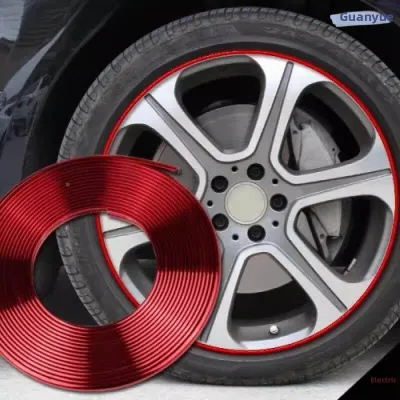
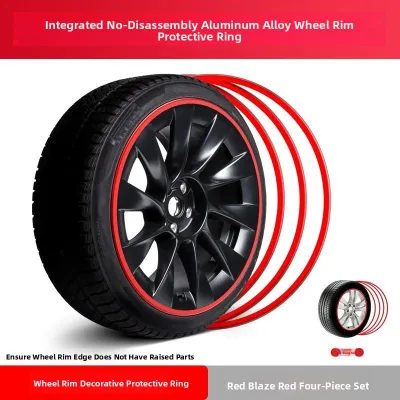
No, you cannot add a true rim protector to existing tyres because it is an integrated structural feature moulded into the tyre during manufacturing. However, there are aftermarket wheel accessories, such as plastic or silicone rings, that clip or glue onto the outer edge of the wheel rim. While these aftermarket options offer customizable aesthetics and minor scratch prevention, they do not provide the same structural durability or heavy-duty impact absorption as a built-in rubber tyre ridge.
Do all low-profile tyres come with rim protectors?
No, rim protectors are not a universal standard on all low-profile tyres. While they are highly common on performance tyres and models with low aspect ratios, some manufacturers omit this feature to reduce weight, lower rolling resistance, or meet specific vehicle manufacturer specifications. You must always check the specific tyre model’s technical specifications or inspect the sidewall physically to confirm the presence of a rim protector before making a purchase.
Community discussion
Share your experience or ask a question. Comments are reviewed before publication.