
To select the correct Motul brake fluid for your vehicle, you must first consult your vehicle owner’s manual or check the physical cap of the brake fluid reservoir. These official sources state the exact original equipment manufacturer (OEM) specification required for your vehicle’s braking system.
As a fundamental safety rule, you must never use a brake fluid with a lower DOT rating than what your manufacturer specifies. Doing so can lead to premature fluid boiling, brake fade, or even complete braking system failure under heavy use.
While fluids with higher DOT ratings generally offer higher boiling points, they are not universally superior or backward-compatible. You must verify system compatibility and specific manufacturer approvals before upgrading to a different rating.
Products mentioned in this guide
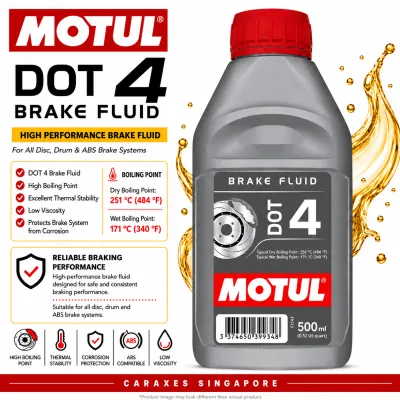
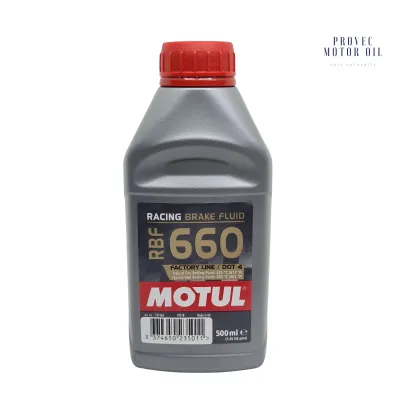
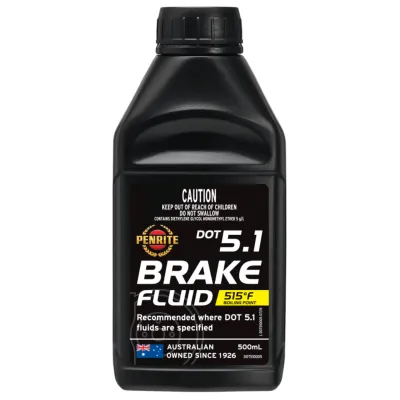
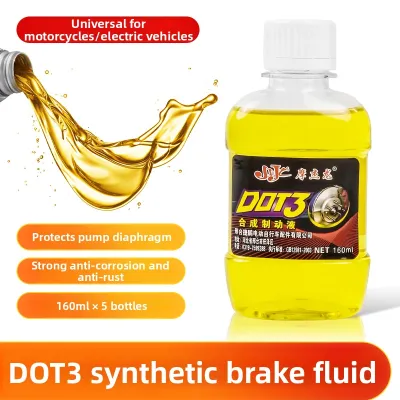
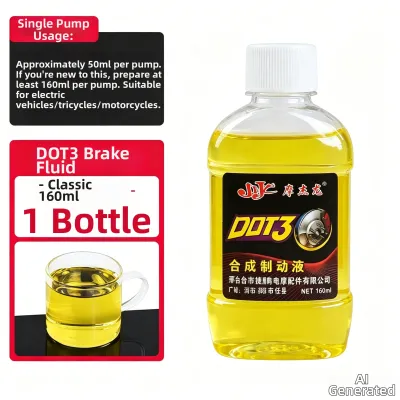
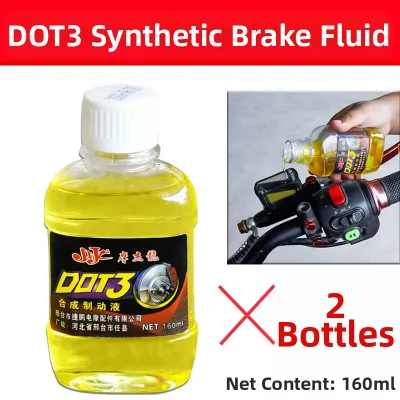
Prices are valid at publication and may change. Please refer to the product page for the latest price.
What DOT Ratings Actually Mean for Braking Performance
Brake fluid operates under extreme heat, and its performance is measured by two key benchmarks: the dry boiling point and the wet boiling point. The dry boiling point refers to the performance of fresh, uncontaminated fluid straight from a sealed container. The wet boiling point measures performance after the fluid has absorbed a specific percentage of water from the atmosphere.
Because glycol-based fluids (DOT 3, DOT 4, and DOT 5.1) are hygroscopic, they naturally attract and absorb moisture over time. In highly humid climates like Singapore, this moisture absorption occurs continuously through microscopic pores in the brake hoses and seals. As water content increases, the boiling point of the fluid drops significantly, which is why the wet boiling point is the most critical safety metric for real-world driving.
When brake fluid reaches its boiling point under heavy braking, it vaporizes and creates gas bubbles within the brake lines. Unlike liquid, gas is highly compressible. When you press the brake pedal in a system with boiled fluid, the force is wasted compressing the gas bubbles rather than pushing the brake pads against the rotors. This results in a “spongy” brake pedal and a dangerous loss of stopping power, commonly known as brake fade.
The Department of Transportation (DOT) ratings establish the minimum temperature thresholds that fluids must meet to be certified. DOT 3, DOT 4, and DOT 5.1 represent a progressive increase in these minimum boiling point requirements, offering greater resistance to heat-induced brake fade.
It is vital to distinguish these glycol-based fluids from DOT 5 brake fluid. DOT 5 is a silicone-based formulation that does not absorb water and is completely incompatible with DOT 3, DOT 4, and DOT 5.1 systems. Mixing silicone-based and glycol-based fluids will cause severe chemical reactions, leading to seal damage and immediate braking system failure.
Comparing Motul DOT 3, DOT 4, and DOT 5.1 Formulations
Motul offers distinct formulations across the glycol-based spectrum to match different vehicle architectures and driving demands. Understanding where each fits helps you make an informed choice during your next service.

- DOT 3 Formulations: Typically specified for older passenger vehicles or light-duty commuter cars. These fluids are designed for standard operating temperatures and everyday driving conditions where extreme thermal stress is rare.
- DOT 4 Formulations: The standard choice for most modern passenger cars, SUVs, and performance vehicles. These fluids are engineered to handle the higher thermal loads generated by modern braking systems, stop-and-go traffic, and heavier vehicle weights.
- DOT 5.1 Formulations: Specifically formulated for modern vehicles equipped with advanced driver assistance systems, such as anti-lock braking systems (ABS), electronic stability programs (ESP), and traction control.
Beyond high boiling points, DOT 5.1 fluids feature a much lower viscosity at cold temperatures. This low viscosity allows the fluid to flow rapidly through the micro-valves of ABS and ESP modulators, ensuring the rapid pressure adjustments required for these safety systems to function correctly.
In addition to managing heat, Motul brake fluids contain specialized corrosion inhibitors designed to protect the internal metal components of your braking system, including steel, cast iron, and aluminum. Over time, these inhibitors deplete as they neutralize moisture, which is why regular fluid changes are necessary even if your vehicle is not driven frequently.
When selecting a fluid, do not rely solely on the DOT number. Always check the Motul product label and technical data sheet to verify specific manufacturer certifications, such as ISO 4925 or SAE standards, which confirm compatibility with your vehicle’s exact make and model. These formulation differences also dictate your service intervals, which must align with both the fluid manufacturer’s guidelines and your vehicle’s factory maintenance schedule.
How to Verify Compatibility and Plan Your Fluid Change
Before purchasing or installing any brake fluid, follow this verification checklist to ensure a safe and compatible service:
- Step 1: Locate the required specification on your brake fluid reservoir cap or in the vehicle owner's manual.
- Step 2: Cross-reference this requirement with the specifications listed on the Motul product label.
- Step 3: Confirm that the fluid meets any additional manufacturer-specific standards (such as VW, BMW, or Mercedes-Benz approvals) required for your vehicle.
Avoid mixing different DOT ratings or different brands of brake fluid. While some glycol-based fluids are chemically compatible in emergencies, mixing them compromises the fluid’s overall boiling point, alters its viscosity, and can degrade the performance of your braking system.
If you are upgrading your fluid or changing to a different DOT rating permitted by your vehicle manufacturer, perform a complete system flush. Simply topping off the reservoir leaves old, moisture-laden fluid in the brake lines and calipers, neutralizing the benefits of the new fluid.
When handling brake fluid, exercise extreme caution as it is highly corrosive to automotive paint, clear coats, and certain plastics. Any accidental spills on your vehicle’s bodywork must be flushed immediately with copious amounts of water and wiped clean.
Because the braking system is your vehicle’s most critical safety component, any service must be performed with extreme care. If you lack the specialized tools, brake bleeding equipment, or technical knowledge required to safely flush and bleed the system, always have the service performed by a qualified professional technician.
Frequently Asked Questions (FAQ)
Can I mix Motul DOT 4 and DOT 5.1 brake fluids?
While both Motul DOT 4 and DOT 5.1 are glycol-based and technically miscible, mixing them is not recommended. Combining the two fluids alters the viscosity and lowers the overall boiling point of the mixture, which can compromise the fast response times required by your vehicle’s ABS or ESP systems. To maintain system integrity and preserve your vehicle’s warranty, always perform a complete system flush when transitioning between different fluid specifications.
Does using Motul DOT 5.1 improve braking performance in a standard car?
Using DOT 5.1 will not increase the physical stopping power or braking force of a standard car, as braking force is determined by your vehicle’s mechanical components like calipers, pads, and rotors. The primary benefits of DOT 5.1 are its higher resistance to boiling under extreme heat and its lower viscosity for rapid ABS response. If your vehicle manufacturer specifies DOT 3 or DOT 4 and you only engage in normal daily commuting, you will not experience any noticeable performance benefit from upgrading to DOT 5.1.
Community discussion
Share your experience or ask a question. Comments are reviewed before publication.