
Selecting the correct gear oil is vital for maintaining the longevity and smooth operation of your vehicle’s manual transmission, differential, or transfer case. Among the various options available, 75W90 is one of the most common viscosity grades specified by automotive manufacturers. This designation refers to a multi-grade lubricant designed to perform reliably across a wide range of operating temperatures.
While the viscosity numbers provide a baseline for temperature performance, choosing the right fluid involves understanding how these ratings translate to real-world protection. For brands like Motul, which manufactures several formulations within this viscosity range, matching the specific product label to your vehicle’s mechanical requirements is essential for preventing premature wear and drivetrain damage.
Decoding the 75W90 Viscosity Grade
The numbers and letters in a 75W90 rating are defined by the SAE J306 standard, which establishes the viscosity classifications for gear lubricants. This standard helps drivers and mechanics understand how a fluid behaves under different thermal conditions.
Products mentioned in this guide
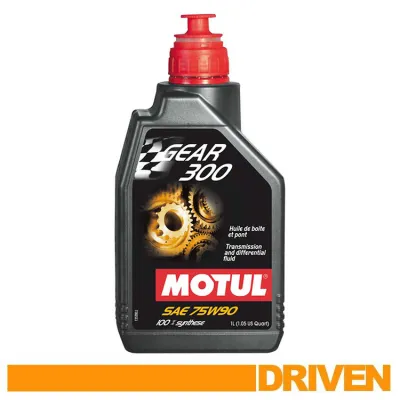
![MOTUL GEAR FF-LSD TYPE 2 75W-90 [1L]](https://img.lazcdn.com/g/p/f5554b0bbb2fea9d747797e81b7f5a28.jpg_400x400q80.jpg_.webp)
![MOTUL GEAR 300 75W90 [1L]](https://img.lazcdn.com/g/p/39a6ee75f36db1b253e62075d7292b73.jpg_400x400q80.jpg_.webp)
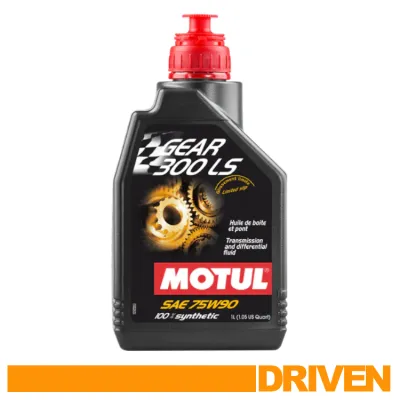
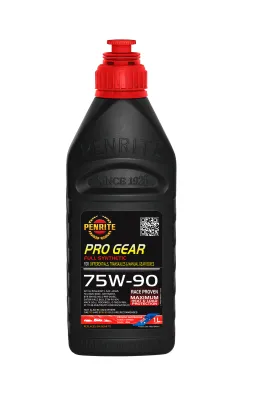
Prices are valid at publication and may change. Please refer to the product page for the latest price.
The “75W” portion of the rating represents the low-temperature, or winter, viscosity of the oil. The letter “W” stands for winter, and a lower number before it indicates better fluid flow at cold startups. A 75W rating ensures that the gear oil remains fluid enough in cold weather to circulate quickly, providing immediate lubrication to gears and bearings upon initial movement.
The “90” portion represents the high-temperature viscosity, measured at a standardized operating temperature of 100 degrees Celsius. This rating indicates the oil’s ability to maintain a robust protective film under heavy mechanical loads and high heat. A higher high-temperature number means the fluid resists thinning, which is crucial for preventing metal-on-metal contact during extended highway driving or towing.
Multi-grade gear oils like 75W90 offer significant advantages over older single-grade lubricants. By utilizing specialized viscosity index improvers, these fluids flow easily during cold starts while remaining thick enough to protect components once the drivetrain reaches its normal operating temperature. This dual capability makes them suitable for year-round use in diverse climates.
Navigating Motul 75W90 Product Lines and Labels
When browsing Motul’s product lineup, you will find several 75W90 options, each tailored to specific mechanical configurations. Reading the container’s label carefully is the first step in identifying the correct formulation for your vehicle.

The label typically indicates the base oil category, which determines the fluid’s overall thermal stability and service life. Fully synthetic formulations, often labeled as 100% synthetic, offer greater resistance to oxidation and high-temperature breakdown compared to semi-synthetic or mineral-based blends. These synthetic options are ideal for high-performance or heavy-duty applications where operating temperatures run consistently high.
Another critical piece of information on the label is the API (American Petroleum Institute) service classification. You will commonly see designations such as GL-4 or GL-5. These classifications indicate the level of extreme-pressure additives present in the oil, which directly affects compatibility with different gear designs and materials.
To ensure a precise match, always cross-reference the specific product’s technical data sheet, which is available on the manufacturer’s website. This document provides detailed information regarding original equipment manufacturer (OEM) approvals, specific builder specifications, and whether the fluid contains specialized friction modifiers.
Verifying Compatibility With Your Vehicle's Drivetrain
Drivetrain components are highly sensitive to fluid chemistry, making compatibility verification a critical step before any maintenance work. Using an incorrect gear oil formulation can lead to rapid component wear, shifting difficulties, or catastrophic mechanical failure.
The distinction between API GL-4 and GL-5 specifications is particularly important for manual transmissions. GL-4 fluids are formulated with milder extreme-pressure additives suitable for manual gearboxes that utilize yellow metal, such as brass, in their synchronizers. GL-5 fluids contain much higher concentrations of sulfur-phosphorus additives designed to protect high-load hypoid gears in differentials, but these active compounds can chemically attack and degrade brass synchronizers over time.
Differential configurations also dictate your choice of lubricant, especially if your vehicle is equipped with a limited-slip differential (LSD). Standard gear oils may cause clutch chatter or improper engagement in these systems. You must verify if the Motul product is labeled for limited-slip applications (often designated with “LS”) or if your vehicle requires a separate friction modifier additive.
Ultimately, the vehicle owner’s manual and the manufacturer’s official specifications must always override general viscosity assumptions. Before purchasing or installing any fluid, verify that the product meets the exact specification code listed in your vehicle’s documentation.
Observable Signs for Gear Oil Inspection and Replacement
Performing regular inspections of your drivetrain fluids helps identify potential issues before they lead to expensive repairs. Because gear oil operates in closed components, monitoring both visual cues and operational changes is necessary.
For safety, any under-vehicle maintenance, including inspecting or changing gear oil, requires securing the vehicle on a level surface using heavy-duty jack stands, ramps, or a professional hoist. Never rely solely on a hydraulic jack. If you do not have the proper safety equipment, tools, or mechanical experience, have the service performed by a qualified professional mechanic.
When inspecting or draining the fluid, pay close attention to its color and consistency. Fresh gear oil is typically amber or clear, while old, degraded fluid appears dark brown or black and may carry a strong, burnt odor. A milky or cloudy appearance is a clear sign of water contamination, which can occur after driving through deep water or due to condensation. Additionally, any visible metallic particles or a glittery sheen in the oil indicates severe internal wear of gears or bearings.
Operational symptoms also serve as early warning signs that your gear oil needs attention. If you experience stiff or “notchy” gear shifting when the vehicle is cold, or if you hear a persistent whining or howling noise from the differential area, the fluid may be depleted or low.
Always consult your vehicle’s maintenance schedule to determine the correct service intervals. Vehicles subjected to severe operating conditions, such as frequent towing, off-road driving, or short-distance commuting in stop-and-go traffic, require more frequent fluid inspections and replacements than those driven under normal conditions.
Frequently Asked Questions (FAQ)
Can I mix different 75W90 gear oil brands?
Mixing different brands of 75W90 gear oil is generally not recommended. While they may share the same viscosity rating, different manufacturers use proprietary additive packages that may not be chemically compatible. Mixing them can dilute the effectiveness of critical extreme-pressure additives or friction modifiers, potentially compromising wear protection. For consistent performance and safety, it is best to perform a complete drain and flush when switching to a different brand or product line.
Does 75W90 gear oil expire in the bottle?
Unopened gear oil stored in its original, sealed container has a long shelf life, typically lasting several years when kept in a cool, dry environment. Extreme temperature fluctuations and exposure to moisture can cause the additives to separate or degrade over time. Before using oil that has been stored for an extended period, inspect the bottle for any signs of water ingress, and shake it gently to ensure the additives are fully suspended. If the fluid appears cloudy or shows visible separation that does not remix, it should be discarded.
Community discussion
Share your experience or ask a question. Comments are reviewed before publication.