
Motowolf riding jackets provide a range of protection levels depending on their textile composition, mesh integration, and the specific impact armor installed in their internal pockets. To choose the right jacket, you must look beyond aesthetic designs and verify the standardized CE certification labels on the garment’s tags, alongside the specific level of impact protectors included in the shoulders, elbows, back, and chest. Balancing impact absorption, slide resistance, and ventilation is key to staying safe and comfortable on the road.
Understanding CE Certification Labels on Motowolf Jackets
The overall safety of a motorcycle jacket is determined by its resistance to abrasion, tearing, and seam bursting during a slide. The European standard EN 17092 classifies protective riding garments into different classes based on their performance in these tests. Understanding these classes helps you determine the speed and environment a jacket is designed to handle.
Class AAA represents the highest level of protection, typically found in heavy leather suits or thick textile jackets designed for high-speed track riding. Class AA is the standard for highway touring, offering a balanced mix of high abrasion resistance and moderate weight. Class A jackets are designed for low-speed urban riding, prioritizing flexibility and breathability while still offering basic slide protection.
Products mentioned in this guide
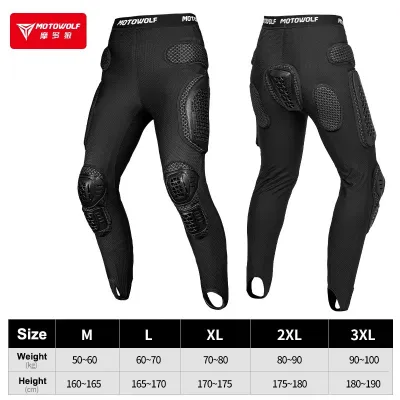
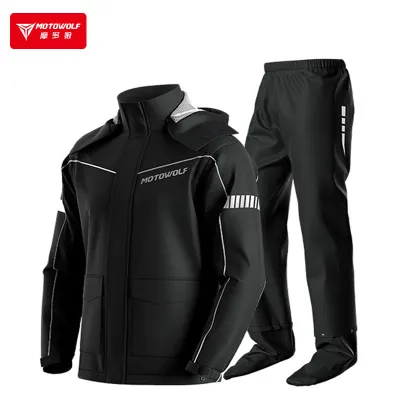
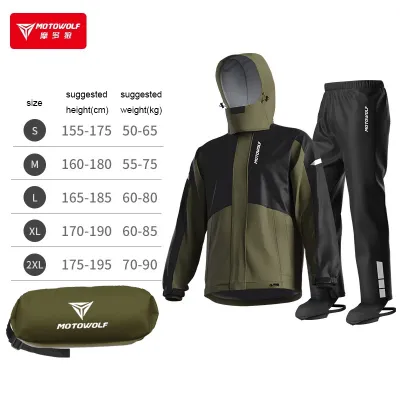
Prices are valid at publication and may change. Please refer to the product page for the latest price.
To verify a jacket’s rating, look for the official CE label sewn into the inner lining or pocket of the garment. This label features a distinct pictogram of a motorcyclist alongside the EN 17092 standard and the specific class letter. If a jacket lacks this official label or documentation, you should treat its protective claims with caution and inspect the material thickness manually.
Choosing between these classes involves a direct trade-off between maximum abrasion resistance and airflow. Heavy textile fabrics that achieve Class AA or AAA ratings naturally restrict wind, which can lead to heat buildup. Conversely, highly ventilated mesh jackets often fall into Class A, offering excellent cooling at the expense of some high-speed slide protection.
Evaluating Armor Configurations Across Different Models
While the outer shell of the jacket protects your skin from road rash, internal armor inserts protect your bones and joints from impact forces. Impact protectors are certified under the EN 1621 standard, which is divided into Level 1 and Level 2 ratings. The primary difference lies in the amount of force the armor allows to transmit to your body during a crash.

Level 1 protectors are thinner, lighter, and more flexible, transmitting a maximum of 35 kilonewtons (kN) of force. They are comfortable for daily wear but offer less impact absorption. Level 2 protectors are thicker and denser, transmitting a maximum of only 20 kN of force, which significantly reduces the risk of fractures during a hard fall.
Standard Motowolf configurations often include shoulder and elbow protectors, but the certification level can vary by model. Some entry-level jackets come with basic Level 1 rubber or foam inserts, while premium models feature upgraded Level 2 viscoelastic armor. Viscoelastic materials remain soft and pliable during normal movement but instantly harden upon impact to absorb energy.
You must also verify the inclusion of back and chest protection. Many jackets feature internal pockets designed to hold these protectors, but the actual armor inserts may not be included in the standard package. Always check the product specifications to confirm whether you need to purchase compatible EN 1621-2 back protectors and chest plates separately to complete your safety setup.
Matching Protection Specs to Your Riding Environment
Selecting the right protection tier requires matching the jacket’s specifications to your typical riding speed and local climate. For low-speed urban commuting, a Class A mesh jacket equipped with Level 1 shoulder and elbow armor is highly practical. This setup provides sufficient protection for city speeds while keeping you comfortable during frequent stops.
If your daily route includes high-speed expressways or long-distance touring, upgrading to a Class AA jacket is highly recommended. The higher speeds of highway travel demand superior abrasion resistance and the enhanced impact absorption of Level 2 joint and back protectors. A dedicated back protector is especially critical for highway riding to shield your spine from secondary impacts.
Local weather conditions play a massive role in rider safety. In hot and humid climates, such as Singapore, wearing a heavy, non-ventilated jacket can quickly lead to heat stress and dehydration. Physical fatigue directly impairs your concentration, slowing your reaction times and increasing the likelihood of an accident.
To balance safety and comfort in tropical climates, look for hybrid jackets that feature high-abrasion textile panels on critical impact zones like the shoulders and outer arms, combined with wide mesh panels across the chest and back. This design ensures continuous airflow to keep your core cool while keeping the protective armor securely in place.
Essential Fit and Construction Checks Before Purchase
Even the highest-rated jacket cannot protect you if it does not fit correctly or if its construction fails during a crash. Before finalizing your purchase, perform a thorough physical inspection of the jacket’s build quality. Pay close attention to the internal armor pockets to ensure they hold the pads securely without allowing them to shift or rotate.
Inspect the critical stress points around the shoulders, elbows, and sides for double or triple stitching. High-quality riding gear uses heavy-duty nylon thread and reinforced seams to prevent the panels from bursting apart when subjected to the intense friction of a slide. Loose threads or single-stitched seams are immediate red flags.
Finally, evaluate the overall fit of the jacket while wearing your typical riding clothes. The jacket should fit snugly against your torso and arms without restricting your movement. Use the built-in adjustment straps on the sleeves and waist to secure the fabric. If the jacket is too loose, the elbow and shoulder armor can easily twist out of position during a fall, leaving your joints completely unprotected.
Frequently Asked Questions (FAQ)
Do all Motowolf jackets come with back protectors included?
Not all models include a back protector as standard equipment. While some premium or touring-focused jackets come equipped with a flexible back insert, many lightweight mesh or entry-level models only feature an empty pocket. You should verify the product package details and purchase a compatible CE-certified back insert separately if one is not included.
Is a higher CE rating always better for daily commuting?
A higher rating like Class AAA offers maximum abrasion resistance but is often too heavy and restrictive for slow, stop-and-go city traffic. In hot climates, the resulting heat buildup can compromise your safety by causing fatigue. A well-ventilated Class A or AA jacket is usually a safer, more practical choice for daily urban commutes because it balances essential protection with the comfort needed to stay focused.
Community discussion
Share your experience or ask a question. Comments are reviewed before publication.