
DOT 3 brake fluid is a specialized hydraulic fluid designed to transfer the physical force of your foot on the brake pedal directly to the vehicle’s brake calipers and pads. The “DOT 3” designation indicates that the fluid meets strict safety and performance standards established by the Department of Transportation. These standards ensure that the fluid can operate reliably under the high temperatures and pressures generated during everyday driving. Because the braking system relies on the incompressibility of liquid to slow your vehicle, choosing and maintaining the correct fluid specification is one of the most critical aspects of automotive safety.
Decoding the DOT 3 Rating and Chemical Base
The Department of Transportation (DOT) classification system categorizes brake fluids based on their physical properties, chemical composition, and performance thresholds. The number “3” in this rating represents a specific standard of heat resistance and chemical formulation. Unlike silicone-based alternatives, DOT 3 brake fluid is formulated using a glycol-ether chemical base. This specific chemical structure is chosen because it maintains a stable viscosity across a wide range of operating temperatures, ensuring consistent pedal feel and response whether the vehicle is starting cold or operating under heavy loads.
However, glycol-ether-based fluids possess an inherent physical characteristic: they are highly hygroscopic. This means they actively attract and absorb moisture from the surrounding atmosphere over time. Even in a sealed braking system, moisture can slowly permeate through microscopic pores in the flexible rubber brake hoses, seals, and reservoir caps. This moisture absorption is continuous and unavoidable, making the chemical base a primary factor in determining how the fluid behaves over its operational lifespan.
Products mentioned in this guide
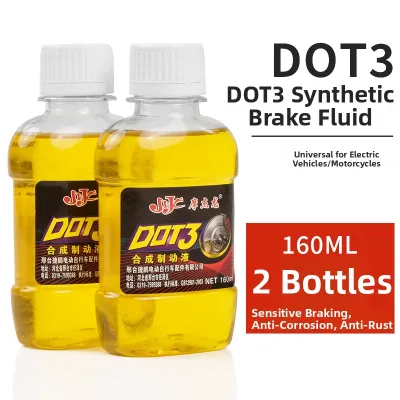
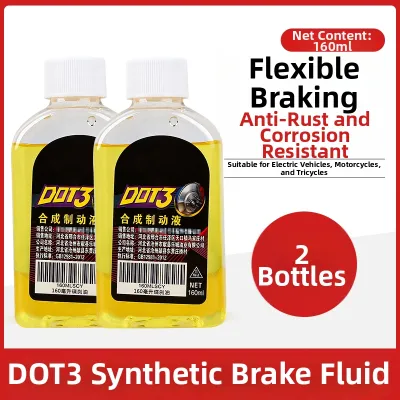
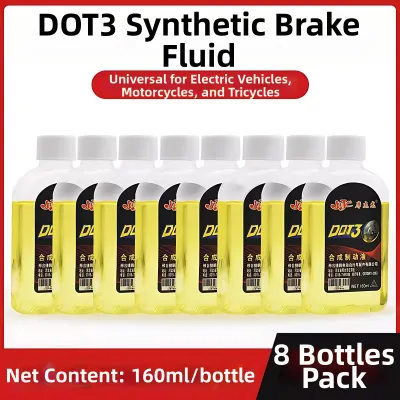
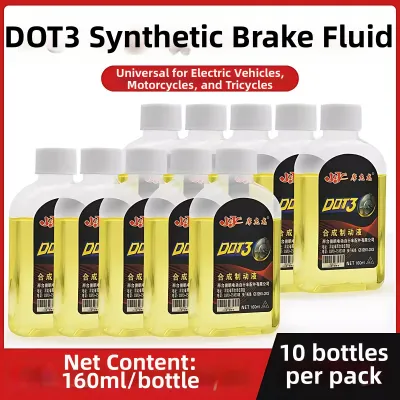
Prices are valid at publication and may change. Please refer to the product page for the latest price.
Understanding this chemical base is critical for establishing proper storage and maintenance routines. Because DOT 3 fluid absorbs moisture so readily, any open container exposed to the air will quickly degrade, rendering it unsafe for future use. Consequently, unused fluid should always be kept in its original, tightly sealed container and discarded if left open for extended periods. This hygroscopic nature also dictates regular inspection intervals, as accumulated water within the system directly compromises the fluid’s performance and can lead to internal corrosion of metal brake lines and components.
Boiling Point Requirements: Dry vs. Wet
To evaluate the safety and performance of brake fluid, regulatory standards focus on two primary temperature thresholds: the dry boiling point and the wet boiling point. The dry boiling point refers to the temperature at which brand-new fluid from an unopened container will boil. This measurement represents the fluid in its pure, uncontaminated state. The wet boiling point, on the other hand, measures the boiling temperature of the fluid after it has absorbed a standardized amount of moisture—typically around 3.7% water by volume—which represents the condition of the fluid after a period of real-world service.

As DOT 3 brake fluid absorbs moisture from the environment, its boiling point drops progressively. This decline in heat resistance has direct safety implications for everyday driving. When you apply the brakes, the friction between the brake pads and rotors generates intense heat, which is transferred directly into the brake calipers and the surrounding fluid. If the fluid’s boiling point has been severely lowered by moisture contamination, the heat can cause the water within the fluid to boil and vaporize. Because gas is highly compressible, pressing the brake pedal will simply compress the vapor pockets rather than transmitting hydraulic force to the brakes, resulting in a spongy pedal feel or a complete loss of braking power known as vapor lock.
Because exact boiling points can vary slightly depending on the specific chemical additives used by different manufacturers, you should never rely on general assumptions. Always inspect the product label on the brake fluid container to verify the certified dry and wet boiling points. Compare these values directly against the minimum specifications outlined in your vehicle’s technical documentation to ensure the product provides the necessary thermal safety margin for your driving conditions.
Checking Vehicle Compatibility and Manufacturer Specifications
Determining whether DOT 3 is the correct fluid for your vehicle requires verifying the original equipment manufacturer (OEM) specifications. This information is typically stamped directly onto the master cylinder reservoir cap located under the hood, or detailed within the maintenance section of the vehicle owner’s manual. Because braking systems are engineered around specific fluid viscosities and chemical properties, you must verify your vehicle’s model, year, and system requirements before adding or replacing any fluid.
Using the incorrect fluid specification can lead to severe mechanical and safety failures. For instance, if your vehicle manufacturer explicitly requires a higher-specification fluid like DOT 4 or DOT 5.1, downgrading to DOT 3 is highly dangerous. DOT 3 fluids generally have lower boiling point thresholds than DOT 4 or DOT 5.1, meaning the fluid could boil under normal operating conditions designed for a higher-spec fluid, leading to sudden brake fade. Conversely, while upgrading from DOT 3 to DOT 4 is sometimes permissible due to their shared glycol-ether base, you must first confirm that your vehicle’s internal rubber seals and hoses are compatible with the specific additive packages found in the upgraded fluid.
A critical safety boundary exists regarding silicone-based fluids. Under no circumstances should glycol-ether-based fluids (DOT 3, DOT 4, and DOT 5.1) be mixed with silicone-based fluids (DOT 5). These two chemical families are completely incompatible and do not mix. Combining them creates a highly corrosive, sludge-like mixture that can swell and destroy rubber seals, clog internal valves, and cause catastrophic failure of the entire braking system. Always verify the chemical base of the fluid currently in your system before performing any top-ups or services.
Maintenance, Inspection, and Replacement Guidelines
Maintaining the integrity of your braking system requires regular visual inspections and adherence to structured service intervals. Healthy DOT 3 brake fluid is typically clear with a light amber or pale yellow tint. As the fluid ages and absorbs moisture, road grime, and microscopic metallic wear particles from the system, it undergoes a noticeable color change, turning dark brown, murky, or cloudy. If you observe these visual signs of degradation during a routine under-hood check, it indicates that the fluid’s safety margins may be compromised, requiring immediate professional inspection.
However, visual appearance alone is not a reliable indicator of moisture content or boiling point degradation. To make accurate maintenance decisions, rely on the vehicle manufacturer’s recommended service intervals or have the fluid tested professionally. Automotive technicians use specialized electronic testers to measure the precise moisture percentage or boiling point of the fluid directly from the reservoir. In highly humid climates, such as Singapore, the rate of moisture absorption can be accelerated, making regular professional testing an essential part of routine vehicle maintenance.
While basic fluid level checks can be performed at home, any actual service or repair of the braking system must respect strict safety boundaries. Procedures such as bleeding the brake lines to remove air bubbles, replacing worn master cylinders, or repairing fluid leaks require specialized tools, precise torque specifications, and a deep understanding of hydraulic systems. If you experience a spongy brake pedal, notice fluid leaks beneath your vehicle, or determine that your fluid needs to be flushed, always consult a qualified automotive technician. Professional installation and service ensure that the system is bled correctly, leaks are sealed, and the vehicle remains fully road-legal and safe to operate.
Frequently Asked Questions (FAQ)
Can I mix DOT 3 and DOT 4 brake fluids?
Yes, DOT 3 and DOT 4 brake fluids are chemically compatible because they both utilize a glycol-ether base. In an emergency, they can be mixed without causing immediate chemical reactions or damaging the system’s rubber seals. However, mixing them will lower the overall boiling point of the fluid mixture closer to the DOT 3 standard, reducing the thermal safety margin of a system designed for DOT 4. To ensure optimal safety and performance, always adhere to your vehicle manufacturer’s single-specification recommendation and perform a complete system flush if the fluids have been mixed.
How do I know if my car needs DOT 3 or a higher specification?
To determine the exact brake fluid specification your vehicle requires, check the top of the master cylinder reservoir cap under the hood or consult your vehicle owner’s manual. Do not assume that a higher DOT number is automatically a better or safer choice for your vehicle. Some older or specifically engineered braking systems rely on the exact viscosity and seal compatibility of DOT 3 fluid, and using a different specification without manufacturer approval can lead to seal degradation, internal leaks, or improper ABS operation.
Community discussion
Share your experience or ask a question. Comments are reviewed before publication.