
Evaluating the key specifications of the ARTTI T10 LED light requires looking closely at its electrical compatibility, physical dimensions, and optical output. As a common replacement for standard T10 (W5W) halogen bulbs, this LED upgrade is often considered for license plate lights, side markers, or interior cabin illumination. To ensure a safe and legally compliant installation, vehicle owners must verify the product’s label specifications against their car’s original electrical requirements and local road regulations.
Key Electrical and Optical Specs to Check on the Label
Before purchasing any aftermarket LED bulb, verifying the operating voltage range on the product packaging is essential. Most passenger vehicles operate on a standard 12V DC system, and installing a bulb designed for a different voltage can lead to premature failure or electrical damage. Check the label to confirm that the operating range safely covers your vehicle’s typical voltage fluctuations.
Understanding the relationship between wattage and luminous flux (measured in lumens) helps you gauge the efficiency and brightness of the light. Unlike traditional halogens, LEDs produce significantly more light per watt, meaning a lower wattage rating does not imply dim performance. However, excessively high lumen outputs in small housings can cause overheating, so it is vital to choose a bulb that balances brightness with manageable power consumption.
Products mentioned in this guide
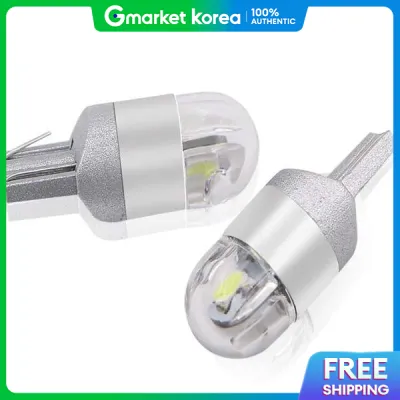
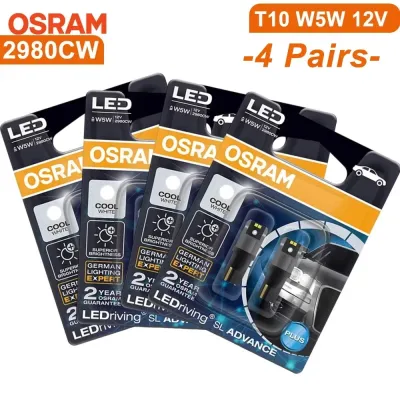
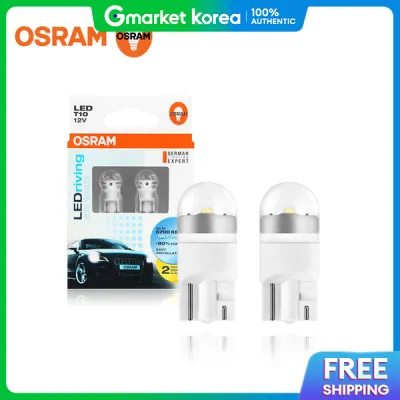
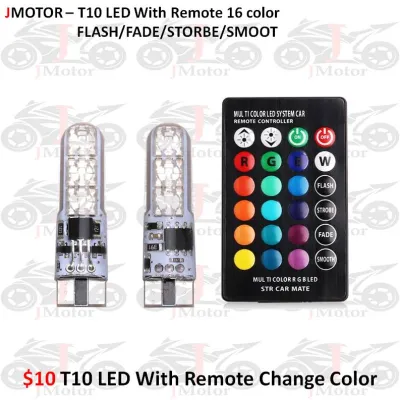
![Alpha Series 02 T10 Pole Light - White Blue Amber Red [KAM AUTO MART PTE LTD] (KAM AUTO MART PTE LTD)](https://img.lazcdn.com/g/p/3c023763e4044c0f81606314d8da5de1.jpg_400x400q80.jpg_.webp)
Prices are valid at publication and may change. Please refer to the product page for the latest price.
Color temperature, measured in Kelvin (K), dictates the appearance of the light beam and its practical impact on night driving. Lower ratings around 3000K produce a warm yellow light, while ratings between 5000K and 6000K offer a crisp white light that enhances contrast. Be cautious of extremely high Kelvin ratings, such as 8000K or above, which emit a blue tint that reduces visibility in wet conditions and can cause distracting glare for oncoming drivers.
Verifying Physical Fitment and System Compatibility
Physical compatibility begins with confirming the bulb base type. The T10 designation, also commonly referred to as a W5W wedge base, must match your vehicle’s existing socket exactly. Always cross-reference this designation with your vehicle owner’s manual or inspect the original halogen bulb before making a purchase.

Even if the base matches, the overall physical dimensions of the LED module can vary significantly from standard halogens. Some LED bulbs feature integrated heat sinks or wider circuit boards that may not fit inside tight light housings or behind protective lens covers. Measure the available clearance inside your vehicle’s light housing to ensure the exterior lens cover can seal completely, preventing moisture from entering the assembly.
Modern vehicles equipped with sensitive onboard computer systems often monitor bulb resistance to detect failures. Because LEDs draw much less current than halogen bulbs, your car might interpret the low draw as a burnt-out bulb, resulting in dashboard error codes, hyper-flashing, or a complete shutdown of the circuit. To prevent this, check if your vehicle requires a CANbus-compatible LED or an external decoder to stabilize the electrical signal.
Safety, Legality, and Durability for Exterior Use in Singapore
For drivers in Singapore, compliance with the Land Transport Authority (LTA) guidelines is a critical factor when upgrading exterior lighting. The LTA maintains strict regulations regarding the color, placement, and brightness of exterior vehicle lights to maintain road safety. Generally, license plate lights and front position lights must emit a visible white light, while side turn signals must be amber; any unauthorized colors or excessively bright bulbs can lead to inspection failures and fines.
Exterior automotive applications expose bulbs to harsh environmental elements, including heavy rain, high humidity, and road dust. Check the product packaging for an Ingress Protection (IP) rating, which indicates how well the bulb is sealed against water and dust. A high IP rating is necessary for exterior mounting positions to prevent moisture ingress from short-circuiting the LED or corroding the socket.
While replacing a wedge bulb is often a straightforward task, modifying your vehicle’s wiring or altering the light housing structure carries safety risks. If your installation requires splicing wires, bypassing factory fuses, or modifying the housing to fit a larger bulb, stop immediately. Consult a qualified automotive electrician to perform the work safely, ensuring your vehicle’s electrical integrity and warranty remain intact.
Frequently Asked Questions (FAQ)
Can I use the ARTTI T10 for both interior and exterior lighting?
Yes, the T10 wedge base is commonly used for both interior cabin lights and certain exterior applications, but you must verify the environmental and legal limits first. For interior use, such as map or dome lights, standard LED bulbs are generally suitable as they are protected from the weather. For exterior use, such as license plate or position lights, the bulb must have a sufficient IP rating to withstand rain and dust, and the light color must strictly comply with Singapore’s LTA regulations.
What should I do if the LED light flickers after installation?
If your newly installed LED light flickers or flashes rapidly, first turn off the vehicle and ensure the bulb is seated securely in the wedge socket. If the physical connection is tight, the flickering is likely caused by your vehicle’s computer system detecting a low electrical load. You can resolve this by verifying if your vehicle requires a CANbus-compatible bulb or by installing a compatible load resistor. If the flickering persists or if you are unsure about adding electrical components, consult a professional automotive technician to diagnose the system.
Community discussion
Share your experience or ask a question. Comments are reviewed before publication.