
Choosing the correct motor oil is critical to preserve engine life and maintain performance. When looking at a bottle of 0W-30 engine oil, the alphanumeric code represents its multi-grade viscosity rating, indicating how the oil flows at both cold startup and high operating temperatures. Specifically, “0W” denotes the oil’s low-temperature flow characteristics, while “30” represents its thickness and protective qualities once the engine reaches its normal running temperature. Understanding these numbers, along with the performance specifications printed on the label, ensures you select a fluid that matches your engine’s precise engineering requirements.
Decoding the 0W-30 Viscosity Grade
The Society of Automotive Engineers (SAE) established the multi-grade viscosity scale to classify motor oils based on their flow behavior under different thermal conditions. Modern multi-grade oils adapt to temperature changes, providing reliable lubrication whether the engine is cold or running hot. The “0W-30” designation is a classic example of this dual-character engineering.
The “0W” indicates the oil’s low-temperature viscosity, where the “W” stands for Winter. The number “0” is the lowest rating on this scale, signifying that the oil remains highly fluid and pumpable at extremely low temperatures. During a cold start, a “0W” oil flows rapidly through the engine block to reach critical components like the camshaft and valve train. This rapid flow minimizes dry friction and wear during the first few seconds of operation, which is when a significant portion of engine wear typically occurs.
Products mentioned in this guide
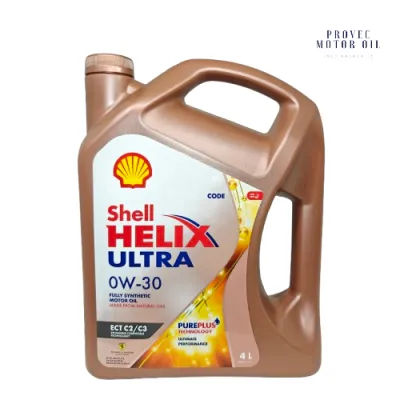
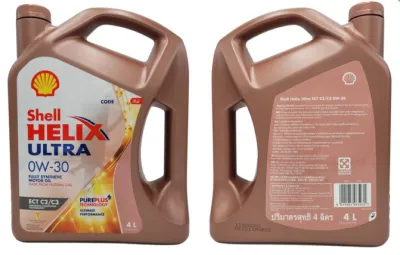
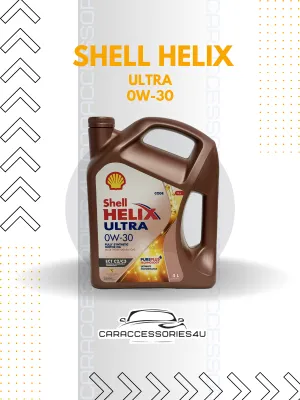
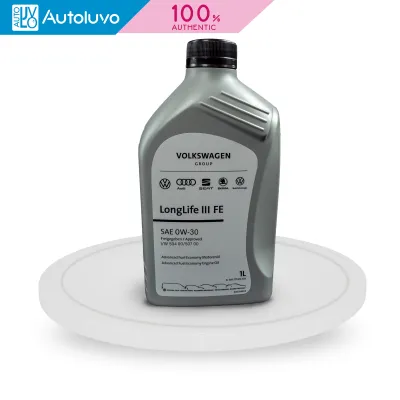

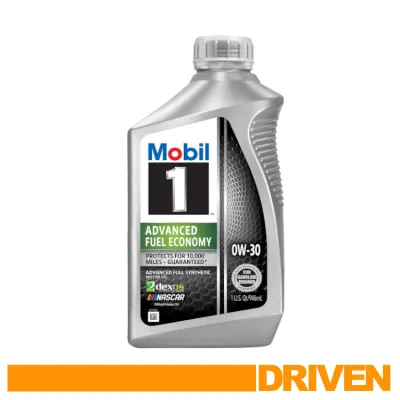
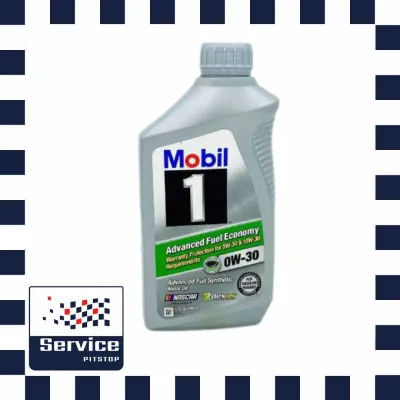
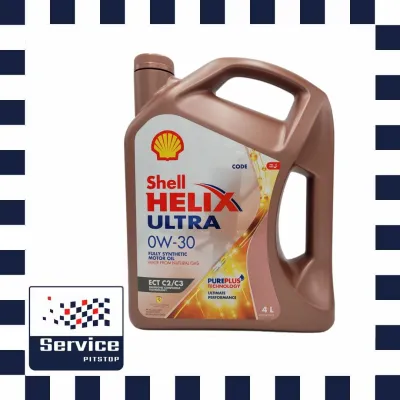
Prices are valid at publication and may change. Please refer to the product page for the latest price.
The “30” represents the oil’s operating viscosity, measured at a standardized engine operating temperature of 100°C. This number indicates the oil’s thickness and resistance to flow when the engine is fully warmed up. A rating of 30 means the oil is formulated to maintain a stable, protective film over moving parts without being so thick that it creates unnecessary drag. This balance helps optimize fuel efficiency while preventing metal-on-metal contact under normal driving conditions.
How Temperature Dictates Oil Flow and Protection
Engine oil naturally changes its physical properties as temperatures fluctuate, thinning out when heated and thickening when cooled. Multi-grade oils like 0W-30 utilize specialized polymer additives known as viscosity index index improvers to resist excessive thinning at high temperatures. This allows the oil to behave like a thin, free-flowing fluid during cold starts, yet maintain the protective body of a thicker oil once the engine reaches its operating state.

The contrast between cold-start flow and high-temperature protection is a fundamental aspect of engine design. At startup, the engine requires immediate lubrication to prevent wear, making a low cold-viscosity rating highly desirable. Once the engine is running, internal combustion generates intense heat, requiring the oil to maintain sufficient film strength to support heavy mechanical loads. The “30” rating ensures that the oil does not become too thin to protect bearings, pistons, and cylinder walls under these harsh operating conditions.
It is a common misconception that local ambient climate completely dictates the required oil viscosity. Even in consistently warm or tropical regions, such as Singapore, the internal operating temperature of a fully warmed engine remains extremely high—often exceeding 90°C to 105°C. Therefore, the second number (“30”) must always align with the vehicle manufacturer’s specifications, regardless of the weather outside. While a “0W” rating provides excellent cold-start protection in freezing climates, it also ensures rapid oil circulation during initial startup in warmer climates, helping to protect the engine from the very first turn of the key.
Understanding API and ACEA Performance Specifications
Viscosity is only one part of the compatibility equation; performance specifications are equally critical when selecting an engine oil. Oil manufacturers formulate their products to meet standards set by international bodies, most notably the American Petroleum Institute (API) and the European Automobile Manufacturers’ Association (ACEA). These specifications indicate the oil’s additive chemistry, deposit control, and compatibility with modern emissions systems.
The API service categories classify oils based on engine type and technology level. For gasoline or spark-ignition engines, the category code begins with an “S” (such as SP or SN). The second letter indicates the standard’s recency, with “SP” being the latest and most advanced standard, designed to protect modern turbocharged direct-injection engines against low-speed pre-ignition (LSPI) and timing chain wear. For diesel or compression-ignition engines, the API category begins with a “C” (such as CK-4), focusing on soot control and high-temperature shear stability.
The ACEA sequences use a different coding system tailored to European vehicle designs and emissions regulations. These standards are divided into classes, such as “A/B” for gasoline and light-duty diesel engines, and “C” for catalyst-compatible oils. The “C” class oils are specifically formulated with lower levels of sulfated ash, phosphorus, and sulfur (SAPS) to protect exhaust after-treatment devices, such as diesel particulate filters (DPF) and gasoline particulate filters (GPF). Using an oil with the incorrect ACEA rating can lead to premature clogging or damage to these expensive emissions components.
Verifying Compatibility Before You Buy
Before purchasing any 0W-30 engine oil, you must verify that it is fully compatible with your specific vehicle. The owner’s manual is the ultimate authority on all fluid requirements, listing the exact viscosity grades, API categories, ACEA sequences, and proprietary manufacturer approvals (such as BMW Longlife, Mercedes-Benz MB-Approval, or VW standards) required for your engine.
Never select an engine oil based solely on general advice, online trends, or the assumption that a lower “W” number is universally superior. While a 0W-30 oil offers excellent cold-flow properties, some engines are engineered around specific oil pressures and clearances that require a different viscosity profile. Using an incorrect grade can lead to reduced fuel efficiency, increased wear, or even engine damage.
Additionally, if your vehicle is still under a manufacturer’s warranty, using an oil that does not carry the exact approved specification can void your coverage. If your owner’s manual lists multiple acceptable viscosity grades for different temperature ranges, or if the technical specifications are unclear, consult an authorized dealership or a qualified professional mechanic. They can help you select the correct oil formulation and ensure that any maintenance work is performed safely and in accordance with original-vehicle instructions.
Frequently Asked Questions (FAQ)
Can I mix 0W-30 with other viscosity grades?
Vehicle manufacturers generally recommend avoiding the mixing of different engine oil viscosity grades or brands. Mixing 0W-30 with another grade, such as 5W-30 or 10W-40, alters the overall viscosity profile and can dilute the specific additive packages designed for wear protection, deposit control, and emissions compatibility. While mixing oils may be necessary as a temporary measure in an emergency top-up situation to prevent running the engine dry, it is not a suitable long-term solution. If you must mix grades in an emergency, you should schedule a professional oil and filter change as soon as possible to restore the correct, uniform formulation specified for your vehicle.
Is 0W-30 suitable for older, high-mileage engines?
A 0W-30 engine oil may not be suitable for older or high-mileage engines that were originally designed for thicker oil grades. Over time, mechanical wear increases the clearances between internal engine bearings and moving parts. A relatively thin operating viscosity like a 30-weight oil might not provide a thick enough film to seal these wider gaps, which can result in low oil pressure, increased oil consumption, and audible engine noise. If you drive an older vehicle, check your owner’s manual or consult a qualified mechanic before switching to a lower viscosity oil. If appropriate, they may recommend a specialized high-mileage formulation that contains seal conditioners and anti-wear additives tailored to worn engine components.
Community discussion
Share your experience or ask a question. Comments are reviewed before publication.