
Choosing between tyre shine wax, tyre dressing, and ceramic tyre coating depends on your aesthetic preferences, maintenance habits, and local driving conditions. For drivers seeking a quick, high-gloss showroom finish, a tyre dressing is often the most satisfying choice. If you prefer a subtle, natural satin sheen with a traditional application process, tyre shine wax offers a reliable, short-term barrier. For those who want to minimize maintenance and protect their tyres against intense tropical downpours and UV exposure over several months, a specialized ceramic tyre coating provides the most durable hydrophobic shield.
Understanding the Core Differences in Tyre Care Treatments
To make an informed decision, it is essential to understand how these three product categories differ in their chemical formulations and how they interact with tyre rubber. Tyres are subjected to constant flexing, extreme heat, road debris, and environmental degradation, meaning each treatment must use distinct mechanisms to bond with the surface.
Tyre shine wax is typically formulated using natural waxes, such as carnauba, or synthetic wax polymers. These products sit on top of the rubber surface, filling in microscopic pores to create a smooth, water-resistant barrier. They deliver a classic, low-sheen finish that mimics the look of a brand-new tyre rather than an artificially wet one. Because wax does not chemically bond with the rubber, its protective layer is relatively temporary and gradually wears away under the influence of friction and road grime.
Products mentioned in this guide
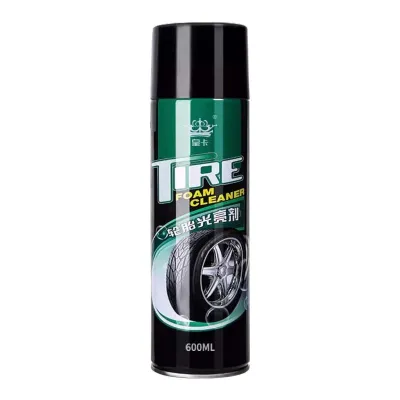
![[Ready Stock] Tyre Brightener / Tyre Shine Spray / Tyre Wax Foam Spray / Tire Shine 580ML[SG]](https://img.lazcdn.com/g/p/0a1c46167df596538f59b54cb2645540.jpg_400x400q80.jpg_.webp)
![[SG] 650ML Tyre Shine ✨ Tyre Cleaner Tyre Foam Spray Rim Cleaner Car Wash Car Wax](https://img.lazcdn.com/g/p/b16ca15e6d4f9b44cf3306dc89c3a9aa.jpg_400x400q80.jpg_.webp)
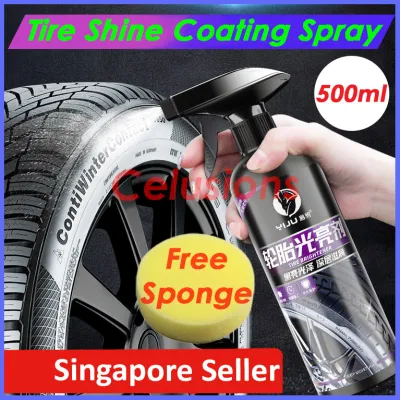
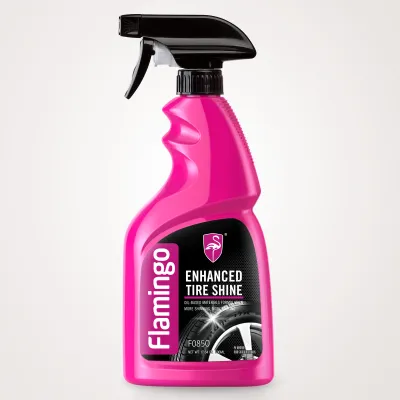
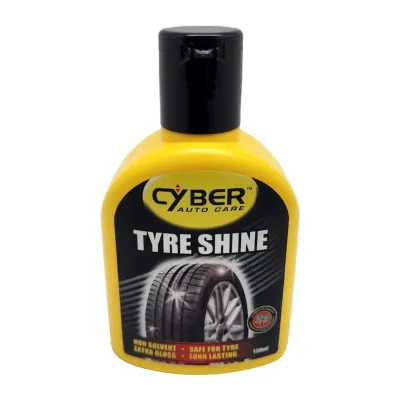
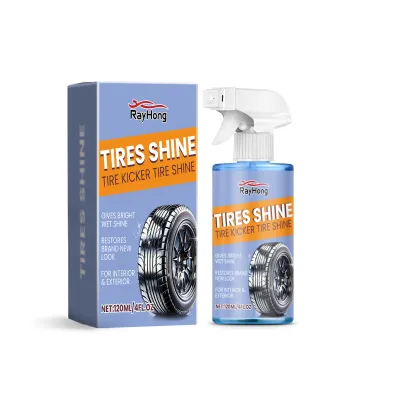
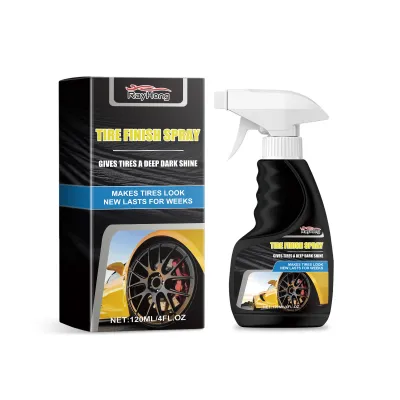
Prices are valid at publication and may change. Please refer to the product page for the latest price.
Tyre dressings represent the most common category of tyre care products and are generally split into water-based and solvent-based formulas. Water-based dressings utilize suspended silicone oils and polymers to deliver a satin-to-medium gloss finish. They are highly breathable and easily absorbed by the rubber, making them a safer choice for long-term tyre health. Solvent-based dressings use hydrocarbon solvents to suspend silicone, creating a highly water-insoluble layer that produces an intense, wet-look shine. While solvent-based options last longer through rain, they can sometimes strip the rubber’s natural anti-ozonants if formulated with harsh chemicals.
Ceramic tyre coatings leverage silica-based (SiO2) nano-technology. Unlike dressings that sit on the surface or soak into the outer pores, ceramic coatings form a semi-permanent, highly flexible chemical bond with the rubber molecules. This creates a microscopic, glass-like shield that is exceptionally hydrophobic and resistant to UV radiation. Because they are engineered to withstand the constant expansion and contraction of a rolling tyre, these coatings do not crack or peel easily, offering protection that far outlasts traditional waxes and dressings.
Comparing Shine, Durability, and Application Effort
When evaluating these treatments, the practical trade-offs between visual appearance, longevity, and the effort required for application become the deciding factors for most car owners. Each product serves a different balance of these three pillars, making it crucial to align your choice with your personal detailing routine.

The visual finish is often the first characteristic drivers notice. If you prefer a deep, dark, wet-look gloss that stands out under streetlights, solvent-based tyre dressings are unmatched in their immediate visual impact. Water-based dressings and tyre shine waxes offer a more conservative, sophisticated satin or matte finish, which appeals to those who prefer a clean, factory-fresh appearance. Ceramic coatings typically land in the middle, providing a rich, darkened, semi-gloss look that enhances the tyre’s natural black color without looking overly greasy.
Durability varies significantly across the three categories, especially when subjected to harsh weather conditions. Traditional tyre shine waxes and water-based dressings are highly susceptible to rain wash-off, often requiring weekly reapplication. Solvent-based dressings offer better water resistance, surviving multiple wash cycles. Ceramic tyre coatings provide the highest durability, maintaining their hydrophobic properties and dark appearance for several months by resisting chemical degradation from rain and wheel cleaners.
Another critical factor is “tyre sling,” where excess product is flung onto the vehicle’s paintwork. Solvent-based dressings, which dry slowly and remain oily, are highly prone to slinging if not wiped down thoroughly. Tyre shine waxes and ceramic coatings dry completely dry to the touch, virtually eliminating this risk.
Application effort and curing times represent the trade-off for this durability. Applying tyre dressing is incredibly fast and forgiving, requiring a simple spray or wipe with immediate results and no curing time. Tyre shine wax requires a bit more physical effort, as it must be buffed into the sidewall to achieve an even finish. Ceramic coatings demand the most rigorous application process; they require meticulous surface preparation, precise application, and several hours of dry curing time during which the vehicle cannot be driven.
Safety and Performance Considerations for Tyre Treatments
While aesthetic enhancement is the primary goal of tyre detailing, safety must always remain the absolute priority when applying any chemical treatment to your vehicle’s wheels. Tyres are the only contact point between your vehicle and the road, meaning any reduction in traction can have severe consequences.
Never apply tyre shine wax, dressing, or ceramic coating to the tyre tread or braking components. These products reduce friction and repel water, meaning application to the tread area drastically reduces grip and can cause skidding. Ensure no overspray or runoff contacts the brake discs, calipers, or pads, as this compromises braking efficiency.
Before purchasing or applying any tyre care product, always verify the product label for explicit rubber-sidewall safety claims. Avoid using generic household cleaners, silicone sprays, or non-specialized solvents on your tyres, as these can accelerate rubber drying, cracking, and degradation. Quality automotive formulations are specifically engineered to interact safely with tyre rubber without stripping the essential anti-ozonants that protect the tyre from ozone damage.
For ceramic coatings, it is vital to recognize the physical limitations of silica-based layers on a flexible surface. Because tyre sidewalls constantly flex, compress, and expand during driving, a standard paint ceramic coating will quickly crack and flake off. You must check the manufacturer’s specifications to ensure the ceramic coating is explicitly formulated for rubber, featuring the necessary elastomeric polymers to maintain adhesion and flexibility under constant physical stress.
How to Choose the Right Treatment for Your Vehicle
Selecting the ideal tyre treatment requires a clear understanding of your maintenance habits, budget, and how you use your vehicle. By matching your specific needs to the strengths of each product type, you can establish a highly effective car care routine.
You should choose tyre shine wax if you enjoy the hands-on process of traditional car detailing and prefer a subtle, natural satin appearance. This option is highly cost-effective, easy to apply during your regular washing routine, and provides a reliable, short-term barrier against light road grime. It is ideal for classic car owners or those who prefer a clean, non-greasy look that does not attract dust.
Opt for tyre dressing if your primary goal is an immediate, high-gloss showroom finish that makes your wheels stand out. This is the best choice for weekly detailers who do not mind regular reapplication and want a fast, simple application process. If you choose this route, look for high-quality water-based dressings to ensure long-term rubber health, or use solvent-based options sparingly and wipe away any excess to prevent paint sling.
Select a ceramic tyre coating if you prioritize long-term protection, exceptional water and dirt repellency, and a significantly reduced maintenance frequency. While ceramic coatings carry a higher initial cost and require a strict, time-consuming application process, they are highly efficient for daily drivers who want their tyres to remain clean and dark through weeks of rain and road grime with minimal effort.
Before applying any cosmetic treatment, inspect your tyres for severe dry rot, deep sidewall cracking, or structural damage. Cosmetic products cannot restore compromised rubber. If you observe deep cracks, bulging, or exposed cords, prioritize safety by consulting a qualified professional for a replacement rather than covering the damage.
Step-by-Step Preparation for Optimal Results
Regardless of which treatment you choose, the quality and longevity of the finish depend heavily on the preparation of the tyre surface. Applying a premium product over road grime, brake dust, or old silicone dressings will prevent proper bonding, leading to premature fading, patchiness, or paint sling.
Begin by thoroughly cleaning the tyre sidewalls using a dedicated tyre cleaner or a high-quality degreaser and a stiff-bristled tyre brush. Scrub the rubber vigorously to agitate and lift embedded road grime, brake dust, and old, oxidized layers of previous dressings. You will often see the cleaning foam turn brown; repeat the scrubbing and rinsing process until the suds remain white, indicating that the rubber is completely clean and free of contaminants.
Once clean, allow the tyres to dry completely before applying any treatment. This step is crucial because water trapped in the pores of the rubber will prevent solvent-based dressings and ceramic coatings from bonding properly, often causing them to fail or turn a milky, hazy color. For water-based dressings, a dry surface ensures the product can be absorbed evenly without being diluted by residual moisture.
When applying your chosen product, use a dedicated foam applicator pad or a contoured tyre dressing block to ensure precise control. This allows you to apply an even, thin layer across the sidewall while avoiding the tread area and preventing excess product from pooling in the tyre’s lettering. After application, allow the product to dry or cure according to the manufacturer’s instructions, and wipe away any excess with a clean microfiber cloth to eliminate the risk of sling.
Frequently Asked Questions (FAQ)
Can I use car body wax or ceramic coating on my tyres?
No, you should not use products formulated for car body paint on your tyres. Paint waxes and ceramic coatings are engineered for rigid, non-porous, clear-coated metal and plastic surfaces. Because tyre rubber is highly porous and constantly flexes during operation, paint-specific products cannot bond correctly and will quickly crack, flake off, or fail to provide any meaningful protection. Always use products specifically labeled for rubber and tyre care.
Does tyre dressing cause tyre dry rot?
High-quality water-based tyre dressings do not cause dry rot and are completely safe for regular use, as they do not strip the rubber’s natural protective oils. However, some low-quality, solvent-based dressings containing harsh petroleum distillates can degrade rubber over time if used excessively, potentially accelerating drying and cracking on older tyres. To protect your tyres, always check the product label to ensure it is safe for rubber, and avoid petroleum-distillate-heavy formulas on aging or weathered tyres.

Community discussion
Share your experience or ask a question. Comments are reviewed before publication.