
A damaged tyre presents a critical safety decision: can it be safely repaired, or must it be replaced entirely? The answer depends on the location, size, and severity of the damage, as well as whether the tyre’s internal structure has been compromised. While a simple nail puncture in the center of the tread is often repairable, sidewall damage, large tears, and internal structural wear require an immediate replacement to prevent a dangerous blowout on the road.
Identify the Damage: A Quick Visual Inspection of Your Tyre
Before inspecting a tyre, ensure the vehicle is parked safely on a flat surface, the handbrake is fully engaged, and the hazard lights are on. If you must inspect a tyre on the roadside, ensure you are well clear of passing traffic. Never crawl under a vehicle supported only by a jack; use a proper stand or inspect only the visible outer surfaces of the tyre.
Begin your inspection by looking closely at the tread area. This is the part of the tyre that makes direct contact with the road. Look for embedded objects like nails, screws, sharp stones, or pieces of glass. Note whether the tyre is holding air or if you can hear a faint hissing sound indicating an active leak.
Products mentioned in this guide
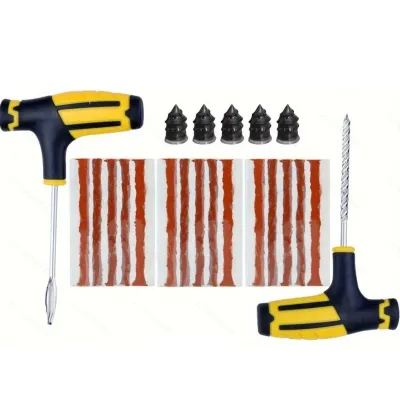
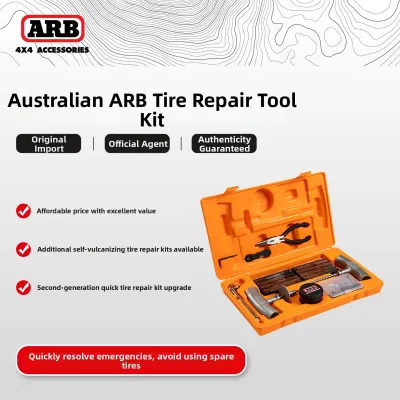
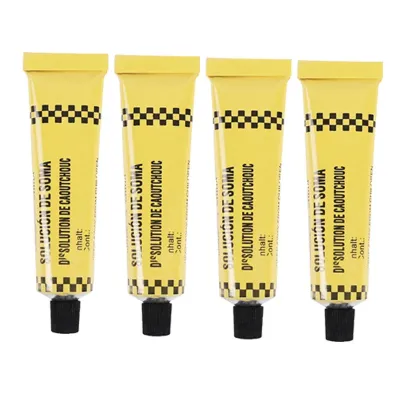
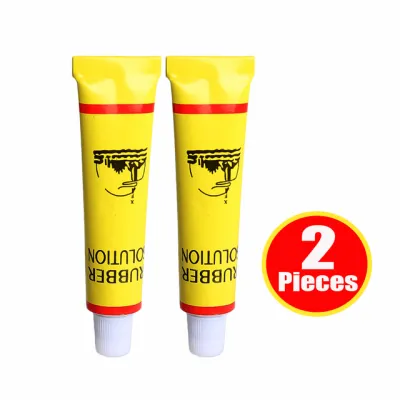
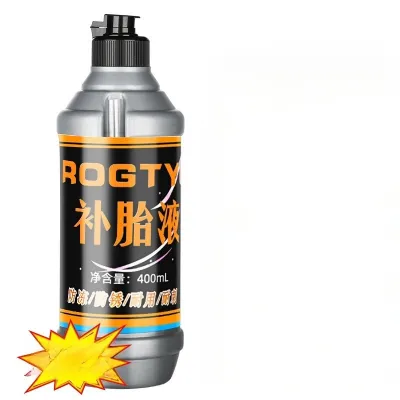
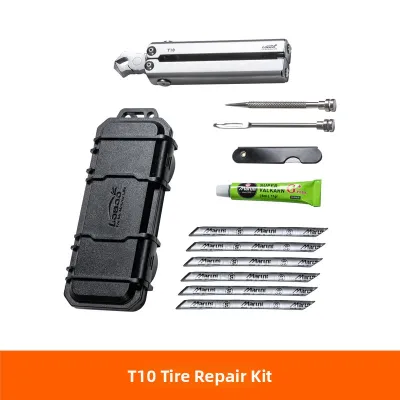
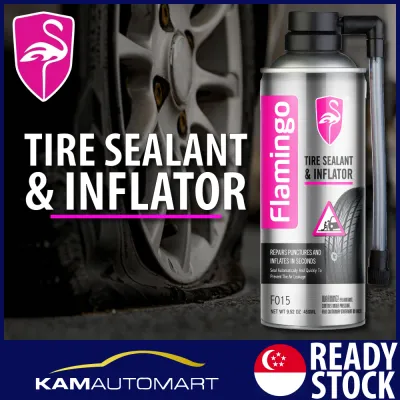
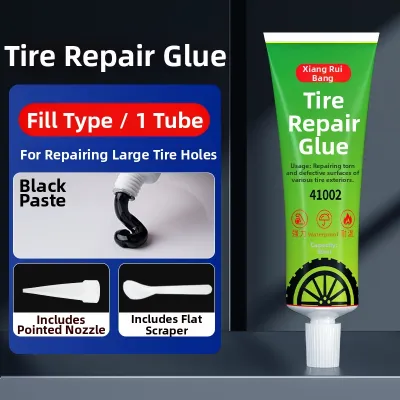
Prices are valid at publication and may change. Please refer to the product page for the latest price.
Next, examine the sidewall, which is the outer and inner vertical face of the tyre. Look for cuts, deep scrapes, bulges, bubbles, or visible cracking in the rubber. Bulges or bubbles are particularly dangerous, as they indicate that the internal cords have broken, allowing air pressure to push against the outer rubber layer.
Finally, check for signs of tread separation or uneven wear. Tread separation occurs when the tread begins to peel away from the underlying steel belts, often visible as a wavy pattern or a raised section on the tyre surface. Look closely to see if any internal steel cords or fabric layers are exposed, which indicates severe, non-repairable wear.
Safe Repair Conditions: When a Puncture Can Be Fixed
A tyre puncture is not automatically a candidate for replacement, but strict safety conditions govern whether a repair is viable. The most critical factor is the location of the damage. Industry safety standards dictate that repairs must be strictly confined to the central tread area, which is generally defined as the middle three-quarters of the tread width.

The size and angle of the puncture also determine repairability. Generally, a puncture caused by a small nail or screw can be repaired if the diameter of the damage does not exceed a specific limit, typically around six millimetres. The puncture must also enter the tyre at a relatively straight angle; highly angled punctures cannot be sealed reliably with standard repair materials.
Remaining tread depth is another essential factor. If the tyre is already worn down close to the legal tread wear indicators, attempting a repair is impractical and unsafe. A technician will measure the tread depth to ensure the tyre has enough remaining life to justify a repair and to guarantee safe wet-weather traction.
Only a professional internal inspection can confirm if a tyre is truly repairable. A technician must demount the tyre from the wheel rim to inspect the inner liner for hidden damage. External inspections alone cannot reveal if the tyre has run under-inflated, which destroys the inner liner and makes any repair extremely dangerous.
Critical Damage Signs: When You Must Replace the Tyre
Certain types of tyre damage are completely non-negotiable and require immediate replacement to ensure road safety. Sidewall damage is the most common reason a tyre must be discarded. Because the sidewall undergoes constant flexing and bears the vehicle’s load during cornering, any cut, bulge, or impact fracture in this zone cannot be repaired.
Large punctures, tears, or irregular gashes also rule out any repair. If a puncture exceeds the safe repair threshold or is shaped like a long slit rather than a round hole, standard patch-plug combinations cannot restore the tyre’s structural integrity. These tyres must be replaced immediately to prevent sudden failure.
Tread separation, exposed internal cords, or severe internal liner damage are clear indicators that the tyre’s structure has failed. If you have driven on a flat or severely under-inflated tyre, even for a short distance, the rim will have crushed the internal liner against the road. This creates a distinct line of rubber dust and creasing inside the tyre, rendering it completely unsafe.
Additionally, tyres that have already undergone multiple repairs or have been improperly patched must be replaced. Safety guidelines limit the number of repairs allowed on a single tyre, and patches must never overlap. If a tyre has already reached its repair limit or has a patch in an unsafe zone, a new tyre is the only safe option.
Next Steps: Professional Assessment and Replacement Selection
If you discover tyre damage, prioritize safety by using a temporary fix only to reach a nearby professional workshop. If your vehicle is equipped with a spare tyre, install it according to the manufacturer’s instructions, ensuring all wheel nuts are torqued correctly. If you use an emergency inflation kit or sealant, remember that these are temporary measures designed only for short-distance driving at reduced speeds.
Once you reach a workshop, ensure the technician performs a full demounting and internal inspection. Never accept an external “string plug” repair as a permanent solution, as it does not seal the inner liner and leaves the tyre vulnerable to moisture intrusion and belt corrosion. A proper repair requires a combination patch and plug applied from the inside.
If a replacement is necessary, consult your vehicle’s manual to match the exact specifications required. You must select a tyre that matches the original vehicle manufacturer’s specifications for size, load index, and speed rating. Installing a tyre with an incorrect load or speed rating can compromise vehicle handling, void your insurance, and create a safety hazard.
When replacing a tyre, it is highly recommended to replace them in pairs on the same axle. Having tyres with significantly different tread depths or patterns on the same axle can cause uneven braking, poor wet-weather handling, and stability issues. For four-wheel-drive or all-wheel-drive vehicles, consult the manufacturer’s guidelines, as mismatched tyre diameters can cause severe damage to the drivetrain.
Frequently Asked Questions (FAQ)
Is it safe to use a temporary tyre sealant or plug kit for a permanent fix?
No, temporary tyre sealants and external string plugs are not safe permanent solutions. Sealants can coat the inside of the tyre, making it difficult for a technician to inspect the inner liner, and they can damage tyre pressure monitoring system (TPMS) sensors. External string plugs do not seal the inner liner or fill the puncture path properly, allowing moisture to reach the steel belts and cause rust, which can lead to tread separation. A permanent repair must always be a professional patch-plug combination installed from the inside.
Can I replace just one damaged tyre, or do I need to buy a full set?
While you can technically replace just one tyre, it is generally safer to replace them in pairs on the same axle to maintain balanced grip and braking performance. If the opposite tyre on the same axle is nearly new, replacing a single tyre may be acceptable, provided it matches the exact brand, model, and tread pattern. However, for all-wheel-drive vehicles, even small differences in tyre diameter can strain the center differential, meaning a full set of four tyres may need to be replaced.
How does driving on a flat tyre affect its repairability?
Driving on a flat or severely under-inflated tyre rapidly destroys its internal structure. Without air pressure to support the vehicle’s weight, the wheel rim pinches the tyre’s sidewall against the road, shredding the inner liner and damaging the internal steel belts. This damage is often invisible from the outside but is easily identified by a technician upon demounting, as it leaves loose rubber crumbs and creases inside the tyre. Once this internal damage occurs, the tyre is ruined and cannot be repaired.
Community discussion
Share your experience or ask a question. Comments are reviewed before publication.