
The quest for the perfect tyre shine often leads car owners to a choice between tyre polishes, waxes, and ceramic coatings. Each of these options promises to elevate your vehicle’s appearance, but they achieve this through entirely different chemical formulations and application methods. Determining which product delivers the ideal shine for your tyres depends on whether you prioritize an immediate, ultra-glossy wet look, deep rubber conditioning, or long-lasting protection against harsh environmental elements.
To make an informed choice, you must look beyond marketing buzzwords and understand how these formulations interact with tyre rubber. While one product might make your tyres stand out at a weekend car showcase, another might be better suited for enduring daily commutes through heavy rain and intense sunlight. By comparing their core functions, visual finishes, durability, and safety requirements, you can select the ideal treatment that keeps your tyres looking pristine while preserving their structural integrity.
Understanding the Core Functions of Tyre Shine Products
To choose the right product, it is essential to understand that tyre polishes, waxes, and ceramic coatings are not interchangeable; they serve distinct mechanical and chemical roles on the tyre sidewall.
Products mentioned in this guide
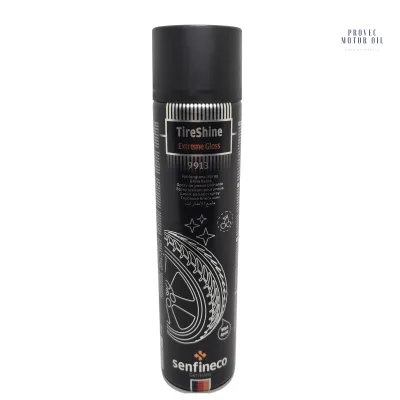
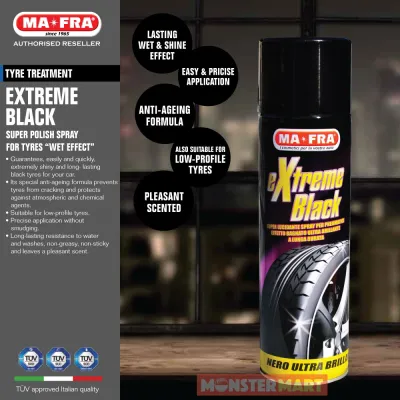
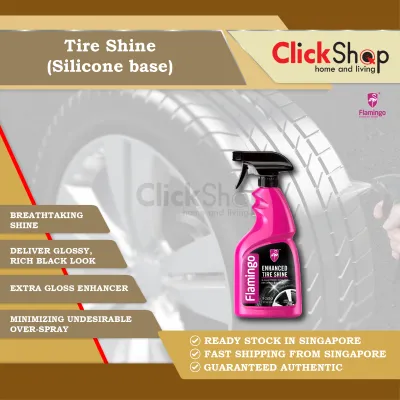
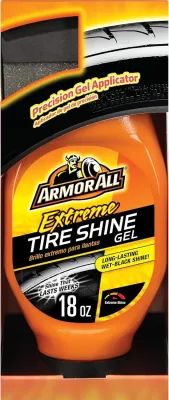
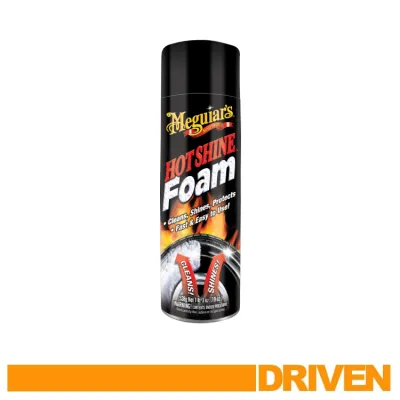
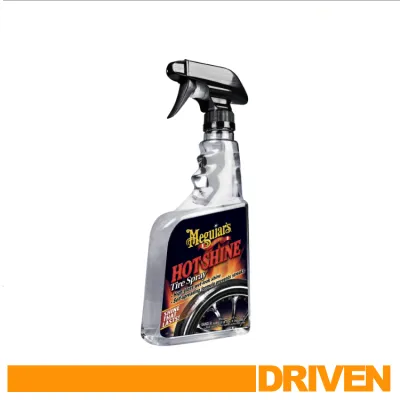
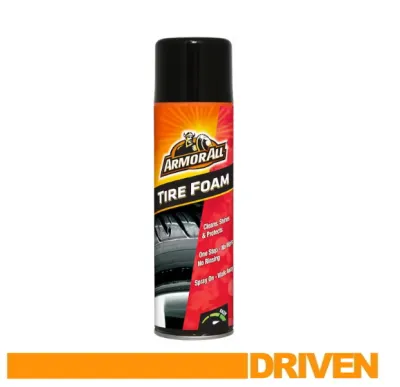
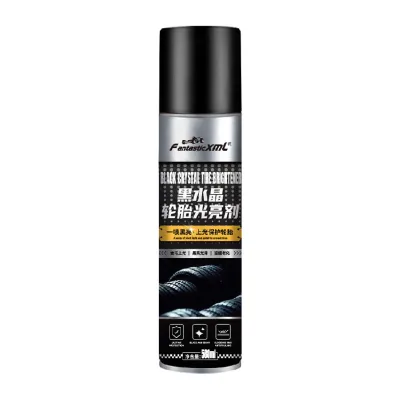
Prices are valid at publication and may change. Please refer to the product page for the latest price.
Tyre polish is primarily designed as a restorative and conditioning treatment. Rather than simply masking the rubber with a shiny layer, a high-quality tyre shine polish focuses on deep cleaning and lifting embedded road grime, brake dust, and old, oxidized dressings. Many polishes contain conditioning agents that penetrate the outer pores of the rubber, helping to restore flexibility and combat the natural drying process that occurs over time. This makes tyre polish an excellent foundational product for maintaining the health of the rubber.
Tyre wax is a topical sealant formulated to sit directly on top of the rubber surface. Similar to paintwork wax, tyre wax creates a physical barrier that fills in microscopic imperfections on the sidewall. This smooth, reflective layer is highly effective at blocking out moisture and dust, while delivering the traditional, deep high-gloss or “wet” look that many detailing enthusiasts prefer. Because it remains on the surface rather than bonding chemically, it acts as a sacrificial shield against daily road wear.
Ceramic coating for tyres represents a highly advanced chemical approach to tyre care. These products utilize silicon dioxide (SiO2) or similar ceramic technologies designed to form a semi-permanent chemical bond with the rubber molecules. Instead of sitting loosely on the surface, a ceramic coating integrates with the tyre’s outer layer, creating a highly hydrophobic barrier. This chemical bond ensures that water, mud, and road oils are actively repelled, making the tyres exceptionally easy to clean during routine maintenance washes.
Because manufacturers continuously innovate and alter their chemical bases, always read the product labels carefully before purchase. Confirming whether a specific formulation is water-based or solvent-based, and verifying its intended use, ensures you do not accidentally apply a product that is incompatible with your specific tyre compound or detailing goals.
Comparing Visual Finish and Expected Durability
Selecting the ideal tyre treatment requires aligning your aesthetic preferences with your willingness to perform regular maintenance. The visual outcomes and longevity of these products vary significantly based on their chemical compositions.

Visual finishes generally fall into three categories: high-gloss, satin, and matte. Tyre waxes and solvent-based dressings typically deliver a high-gloss, wet-look finish that reflects a significant amount of light. This look is highly striking but can sometimes attract dust more quickly. In contrast, water-based tyre polishes and ceramic coatings tend to produce a satin or deep matte finish. This finish mimics the appearance of a brand-new, clean factory tyre, offering a sophisticated, non-greasy look that appeals to drivers who prefer a more understated elegance.
When evaluating durability, it is crucial to verify the manufacturer’s specific claims regarding wash resistance and longevity rather than relying on general category assumptions. A standard tyre wax or basic polish may offer excellent immediate visual results but can degrade rapidly when exposed to water, requiring reapplication after every wash or heavy rainstorm. Conversely, a high-quality DIY ceramic coating is engineered to withstand multiple wash cycles and prolonged exposure to the elements, offering protection that lasts for several weeks or even months.
Environmental factors play a massive role in how quickly these treatments degrade. In tropical regions characterized by intense UV radiation, high humidity, and sudden downpours, temporary dressings can break down rapidly. UV rays accelerate the oxidation of surface-level waxes, while standing water and road grime physically wash away non-bonding formulas. To maintain optimal protection and appearance, monitor your tyres for common reapplication triggers, such as a noticeable loss of water-beading behavior, a dulling of the visual finish, or the reappearance of brown discoloration on the sidewalls.
Application Requirements and Safety Boundaries
Achieving a flawless tyre shine while ensuring vehicle safety requires strict adherence to proper application techniques and safety protocols. Because tyres are critical safety components of your vehicle, improper product application can lead to hazardous driving conditions.
The foundation of any successful tyre treatment is meticulous surface preparation. Before applying any polish, wax, or ceramic coating, the tyre sidewalls must be thoroughly scrubbed using a dedicated tyre cleaner or degreaser and a stiff-bristled brush. This process removes accumulated road oils, brake dust, and old product layers that would otherwise prevent the new treatment from adhering properly. Once cleaned, the rubber must be allowed to dry completely; applying dressings to a damp surface traps moisture, which severely compromises product bonding and can lead to premature peeling or patchiness.
Preventing product “sling-off” is a vital safety and aesthetic consideration. Sling-off occurs when excess, uncured tyre dressing is thrown off the spinning wheel while driving, splattering onto your vehicle’s paintwork or, more critically, onto the brake rotors, calipers, or tyre tread. To prevent this, always apply the product sparingly using a dedicated foam applicator pad, and wipe away any excess residue with a clean microfiber cloth. Strictly follow the manufacturer’s specified drying and curing times—which can range from a few minutes for water-based polishes to several hours for ceramic coatings—before driving the vehicle.
Personal safety and proper chemical handling should never be overlooked. Many tyre care products, particularly solvent-based waxes and ceramic coatings, contain strong volatile organic compounds (VOCs). Always consult the product’s Safety Data Sheet (SDS) or packaging instructions before use. Work exclusively in well-ventilated outdoor spaces or open garages, wear protective nitrile gloves to prevent skin irritation, and keep the products away from open flames. Ensure all chemical containers and used applicators are disposed of safely in accordance with local waste management regulations.
Finally, establish clear stopping conditions before beginning the application. Carefully inspect the physical condition of your tyres; if you observe deep sidewall cracks, dry rot, bulging, or exposed cords, halt the detailing process immediately. Applying cosmetic dressings to structurally compromised rubber is dangerous and does not restore tyre safety. In such cases, consult a qualified tyre professional to determine if the tyres require immediate replacement. Additionally, stop the application if the product causes an unexpected chemical reaction, such as rapid rubber discoloration or a sticky, non-drying residue.
Decision Framework: Choosing the Right Tyre Treatment
To finalize your tyre care plan, use this conditional framework to match your detailing goals, budget, and maintenance habits with the correct product type.
Choose Tyre Polish if your primary goal is to restore the natural health of the rubber, remove unsightly brown blooming (oxidation), and condition the sidewalls. It is the ideal choice for drivers who prefer a clean, factory-fresh matte look and want a straightforward, forgiving application process that can be easily integrated into a weekly car washing routine.
Choose Tyre Wax if you desire a classic, deep, high-gloss wet look that makes your wheels stand out, and you enjoy the hands-on process of detailing your vehicle regularly. This option is perfect for show cars or weekend cruisers that are kept in covered garages and are not subjected to daily heavy rain or harsh commuting conditions.
Choose Ceramic Coating if you want long-term, hydrophobic protection and are willing to invest the necessary time and effort into meticulous surface preparation. This is highly recommended for daily driven vehicles exposed to harsh tropical climates, as it minimizes the frequency of reapplication and makes subsequent cleaning incredibly simple.
Before purchasing or applying any product, verify first if you are treating specialized tyres, such as vintage compounds, white-wall tyres, or racing slicks, as these may require specific, non-standard care products. Additionally, avoid mixing different brands or layering incompatible products without checking the manufacturers’ guidelines, as this can lead to poor adhesion, discoloration, or a sticky finish that attracts road debris.
Frequently Asked Questions (FAQ)
Does tyre shine cause rubber dry rot?
The relationship between tyre dressings and rubber dry rot depends heavily on the chemical formulation of the product you choose. Water-based tyre shines are generally considered safe for long-term use because they do not strip the natural antiozonants and UV inhibitors embedded within the tyre’s rubber compound. In contrast, some older or low-quality solvent-based formulations containing harsh petrochemicals can degrade these protective compounds over time, potentially accelerating dry rot if applied excessively without proper cleaning. To protect your tyres, always check the manufacturer’s warnings regarding prolonged use on specific rubber compounds, and ensure that thorough cleaning remains your primary defense against rubber degradation.
Can I apply a ceramic coating over existing tyre wax?
No, you should not apply a ceramic coating directly over an existing layer of tyre wax. Ceramic coatings rely on establishing a direct chemical bond with the bare rubber molecules of the tyre sidewall to achieve their promised durability and hydrophobic properties. Any existing wax, oil, or silicone residue acts as a physical barrier that prevents this bonding process, leading to immediate product failure and peeling. Before applying a ceramic coating, you must use a dedicated wax remover, heavy-duty tyre cleaner, or chemical stripper to completely strip the rubber surface down to a bare, clean state. Always consult the specific ceramic coating manufacturer’s preparation guidelines to ensure optimal adhesion.

Community discussion
Share your experience or ask a question. Comments are reviewed before publication.