
Many car owners confuse polishing with protecting, but they serve entirely different purposes in a comprehensive car care routine. A polish, such as a Turtle Wax polishing compound, is an abrasive preparation step designed to smooth out paint defects rather than protect them. In contrast, traditional wax and ceramic coatings are the actual protective layers applied after the paint has been prepared. If your vehicle’s paint has visible swirl marks or light scratches, you should polish it first, then choose a traditional wax for an affordable, easy-to-apply shine, or a ceramic coating for long-lasting durability.
Understanding the Roles: Polish vs. Wax vs. Ceramic
To achieve a flawless finish, you must first understand how these three product categories interact with your car’s clear coat. Using them in the wrong order or misinterpreting their functions can lead to wasted effort or even paint damage.
Turtle Wax Polish and Similar Compounds Polishing products contain fine abrasives or chemical cleaners designed to level the microscopic top layer of your car’s clear coat. By shaving down these tiny imperfections, a polish removes swirl marks, light oxidation, and water spots, which restores the paint’s natural gloss and clarity. However, because its primary job is correction, a pure polish offers zero lasting protection against environmental contaminants, UV rays, or acid rain. Applying a polish and leaving the paint bare will expose it to rapid degradation, so it must always be followed by a protectant.
Products mentioned in this guide
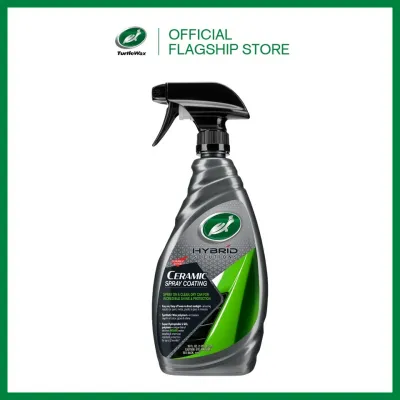
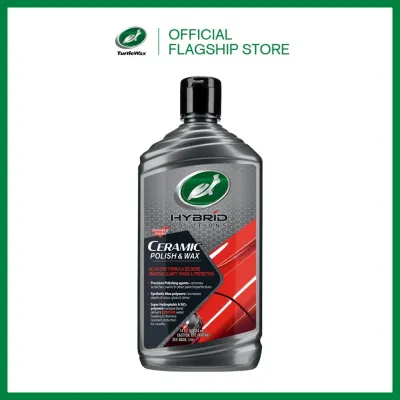
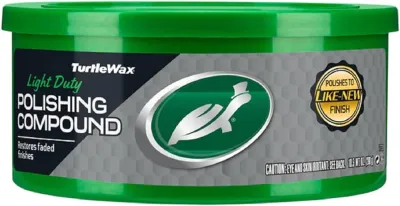
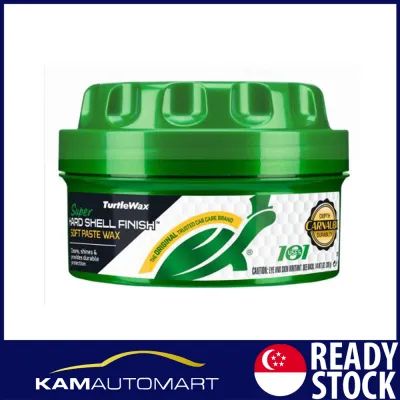
Prices are valid at publication and may change. Please refer to the product page for the latest price.
Traditional Wax (Carnauba and Synthetic) Traditional car wax acts as a temporary, sacrificial barrier on top of your clear coat. Natural carnauba waxes, harvested from palm trees, and synthetic polymer waxes fill in minor paint pores to create a smooth surface that sheds water. This layer provides a characteristic warm, deep glow, but because it sits loosely on the paint surface, it gradually degrades under heat and washing, requiring regular reapplication. Always check the product label before application, as some traditional waxes can leave white stains on unpainted plastic trim or rubber seals.
Ceramic Coating (SiO2 Formulations) Ceramic coatings utilize silicon dioxide (SiO2) nanotechnology to form a semi-permanent chemical bond with your vehicle’s clear coat. Instead of merely sitting on top of the paint, the coating cures to create a hard, glass-like protective layer. This barrier offers high hydrophobic properties, chemical resistance against bird droppings, and protection against UV-induced fading. Because it bonds at a molecular level, it cannot be washed away by standard car shampoos or rain, offering a much longer service life than wax.
The Correct Detailing Sequence For the best results, always follow a strict sequence: wash and clay the vehicle, polish only if necessary to correct surface defects, and finish by applying your chosen protective layer of wax or ceramic coating. Skipping the preparation steps can trap dirt and swirl marks under your protective layer, reducing both the visual appeal and the lifespan of the protectant.
Traditional Wax vs Ceramic Coating: Key Differences
Choosing between wax and ceramic coating requires balancing your budget, available time, and maintenance preferences.

Durability and Maintenance The most significant difference lies in how long each protective layer lasts. Traditional waxes typically offer protection measured in months, often requiring reapplication every eight to twelve weeks depending on local weather conditions and washing frequency. Ceramic coatings, when properly applied and maintained, can last for several years. However, maintaining a ceramic coating requires specific pH-neutral car washes to avoid degrading the hydrophobic top layer, whereas waxed cars are slightly more forgiving of standard car wash soaps.
Application and Skill Level Applying traditional wax is highly forgiving and requires minimal experience; you simply wipe it on, let it haze, and buff it off with a microfiber towel. True ceramic coatings demand meticulous surface preparation, strict environmental controls, and precise curing times. Any high spots or uneven application left during the ceramic curing process can become semi-permanent, requiring machine polishing to correct. This makes professional installation highly recommended for high-grade ceramic coatings, while DIY spray ceramics offer a more forgiving alternative.
Visual Finish The aesthetic outcome differs noticeably between the two methods. Carnauba-based traditional waxes are famous for producing a deep, warm, and wet-looking shine that is highly favored on dark-colored vehicles. Ceramic coatings deliver a highly reflective, glass-like, and extremely slick finish that emphasizes sharp reflections and metallic flake pop. The choice often comes down to whether you prefer a classic, deep glow or a modern, ultra-glossy mirror finish.
Cost and Value Structure From a financial perspective, traditional waxing is highly accessible, requiring only a budget of a few dozen S$ for a high-quality paste or liquid wax and some microfiber towels. Professional ceramic coating application represents a significant upfront investment, often costing hundreds or thousands of S$ due to the intensive labor required for paint correction. For those seeking a middle ground, DIY hybrid ceramic spray products offer a moderate compromise, providing easier spray-on application with better durability than traditional wax.
Decision Framework: Which Method Fits Your Needs?
To determine the best path forward for your vehicle, evaluate your paint’s current condition, your local climate, and your personal maintenance habits.
Choose Polish First If:
- The paint surface feels rough or gritty to the touch even after a thorough wash.
- You observe visible swirl marks, light scratches, or water spots under direct sunlight.
- The paint looks dull, hazy, or lacks reflection before you apply any protectant.
Choose Traditional Wax If:
- You enjoy the hands-on process of detailing your car on weekends.
- You prefer a warm, deep gloss on a dark-colored vehicle.
- You want a low-cost, easily reversible method of paint protection that does not require professional tools.
- Your car is primarily kept in sheltered multi-story car parks and only driven occasionally.
Choose Ceramic Coating If:
- You want long-term hydrophobic protection that makes routine washing much easier.
- You are willing to invest the necessary time in deep paint preparation or pay for professional application.
- Your vehicle is regularly exposed to harsh sunlight, bird droppings, or industrial fallout in open-air parking lots.
Verify First If:
- The vehicle has deep scratches that catch your fingernail, severe paint oxidation, or a peeling clear coat. Neither wax nor standard consumer ceramic coatings can repair structural paint damage, and attempting to apply them over failing paint will not yield satisfactory results. Always consult a professional detailer or paint specialist if the clear coat is physically compromised.
Frequently Asked Questions (FAQ)
Can I apply ceramic coating over traditional wax?
No, you cannot apply a ceramic coating over traditional wax. Ceramic coatings require bare, chemically clean paint to establish a proper chemical bond with the clear coat. Any existing wax, sealant, or oil will prevent the coating from bonding, leading to premature failure. You must completely strip any old wax using a dedicated prep solvent or a polishing compound before applying a ceramic coating.
Does Turtle Wax make ceramic products?
Yes, the Turtle Wax brand has expanded beyond its classic green tubs to produce a wide range of modern car care products. Their lineup now includes traditional waxes, abrasive polishing compounds, and hybrid ceramic spray coatings formulated with SiO2. When shopping, always read the product label carefully to verify whether you are purchasing a corrective polish, a traditional wax, or a ceramic-infused sealant.
How often should I polish my car?
You should only polish your car when visible paint defects are present and need correction, rather than as a routine maintenance step. Because polishing compounds contain abrasives that remove a microscopic layer of clear coat, over-polishing can eventually thin the paint to the point of failure. If you are unsure about the remaining thickness of your vehicle’s clear coat, have a professional detailer measure it with a paint depth gauge before proceeding with aggressive polishing.
Community discussion
Share your experience or ask a question. Comments are reviewed before publication.