
A tubeless tyre repair kit is strictly a temporary, emergency solution designed to help you reach a professional service centre, rather than a safe long-term fix. While a DIY repair can quickly seal a minor tread puncture on the side of a busy road, it does not restore the structural integrity of the tyre or address hidden internal damage. Relying on a temporary plug or liquid sealant as a permanent repair increases the risk of sudden tyre failure, especially under high-speed driving conditions or heavy loads. To keep your vehicle safe on the road, it is essential to understand the limitations of these emergency tools and why a professional inspection is always required.
Understanding How Tubeless Tyre Repair Kits Work
To understand why these kits are temporary, it helps to look at how they function. The most common DIY option is the string plug kit, which contains sticky, rubber-coated cords, a reamer, and an insertion needle. When a tyre suffers a puncture from a nail or screw, you use the reamer to clean and roughen the hole, then use the needle to force the sticky string plug into the puncture path. The plug relies on friction, compression, and the sticky adhesive coating to block air loss from the outside.
Another popular emergency option is the liquid tyre sealant, which is typically sold in pressurized aerosol cans or squeeze bottles. This liquid is injected directly through the tyre’s valve stem. As the wheel spins, centrifugal force distributes the sealant across the inner liner of the tyre, forcing the liquid into the puncture where it hardens upon contact with the escaping air.
Products mentioned in this guide

![[Ready stock] KIPRUN Bicycle Tubeless Tire Repair Set Kit 3 Drills And 5 Rubber Strips For MTB Tyre Puncture Sealant Rubber Stripes Road Bike Tire Maintenance Mini Bicycle Tools](https://img.lazcdn.com/g/p/00d276d4126ebb13dc5d50bc81ee065e.jpg_400x400q80.jpg_.webp)
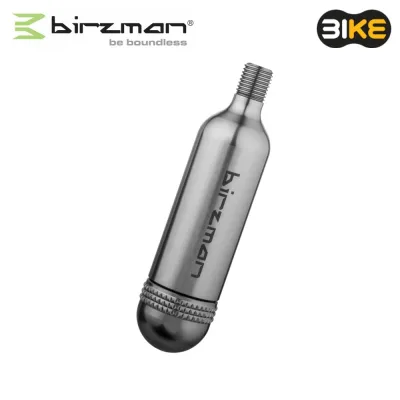
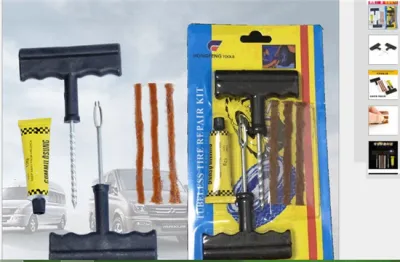

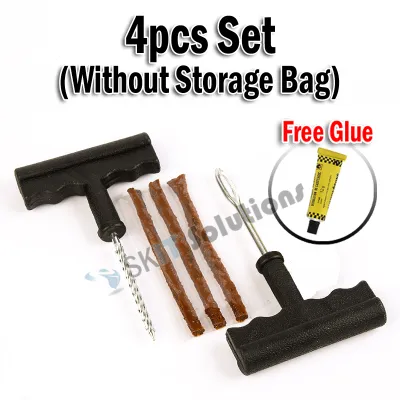
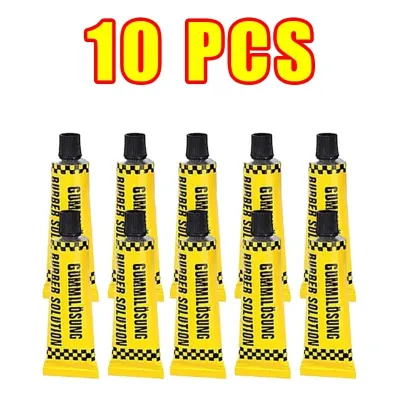
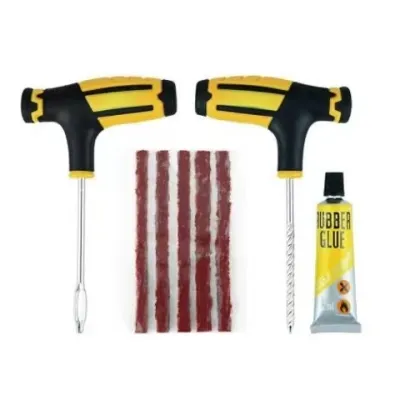
Prices are valid at publication and may change. Please refer to the product page for the latest price.
While both methods are highly effective at stopping air loss in an emergency, their design intent is solely to provide roadside recovery. They are engineered to make the vehicle mobile so you can drive to the nearest workshop, not to serve as a permanent structural restoration. Before using any kit, always check the product label for material compatibility, shelf life, and specific application limitations, as expired sealants or incompatible plugs can fail unexpectedly.
Safety Limits and When a DIY Repair is Not Enough
Not all tyre damage can be managed with a DIY repair kit, even temporarily. The location of the puncture is the most critical safety factor. DIY kits are only suitable for punctures located within the central tread area of the tyre. The shoulder and sidewall of a tyre experience intense flexing and load-bearing stress during cornering, braking, and acceleration. Attempting to plug a sidewall or shoulder puncture is highly dangerous, as the plug is likely to spit out or cause a sudden blowout.

Puncture size is another major limitation. Most DIY kits are designed to seal punctures smaller than six millimetres in diameter. If the object that pierced your tyre was larger, or if it entered at an extreme angle, a standard string plug will not seal the gap securely. Furthermore, attempting multiple DIY repairs on a single tyre, or placing a plug near an existing repair, severely compromises the tyre’s internal steel belts and fabric plies, increasing the risk of structural failure.
There are several conditions where you should skip the DIY kit entirely and call for professional roadside assistance or a tow truck. If you observe a large gash, a torn sidewall, or if the tyre bead has unseated from the wheel rim, a temporary kit will not work. Additionally, if you have driven on a completely flat tyre for even a short distance, the internal structure of the sidewall is likely ruined. In these scenarios, attempting a temporary fix is unsafe, and the tyre must be replaced.
Temporary vs. Permanent: What Professional Tyre Services Do Differently
To understand why professional tyre services are the standard for long-term safety, you must look at what happens inside the tyre. A professional technician will always demount the tyre from the wheel rim before performing any repair. This step is vital because it allows for a thorough internal inspection. When a tyre loses pressure, the weight of the vehicle crushes the sidewall against the rim, which can shred the inner liner. This critical structural damage is completely invisible from the outside but makes the tyre unsafe to reuse.
Once the technician confirms the tyre is structurally sound, they will perform a permanent repair using a vulcanized patch-plug combination, often referred to as a mushroom plug. Unlike an external DIY plug that only fills the hole, the patch-plug seals the inner liner and fills the injury channel simultaneously. The rubber stem of the plug prevents moisture, road salt, and debris from entering the puncture path and reaching the internal steel belts. If moisture reaches these steel belts, they can rust and delaminate, leading to tread separation over time.
After completing the repair, the technician will remount the tyre and perform wheel rebalancing. This step is crucial because even minor weight imbalances can cause steering wheel vibrations and uneven tyre wear. While a professional repair at a local workshop in Singapore typically costs between S$20 and S$50, it is a necessary investment to ensure your tyre is safe for continued high-speed driving.
How to Safely Manage Your Tyre After Using a Repair Kit
If you must use a DIY repair kit to get moving, you must manage your driving carefully until you reach a workshop. First, adhere strictly to the speed and distance limits specified on the repair kit’s packaging and your vehicle owner’s manual. Most temporary repair kits restrict your speed to a maximum of 80 km/h and limit your driving distance to ensure you do not overheat the compromised tyre.
While driving, monitor your tyre pressure closely. If your vehicle is equipped with a tyre pressure monitoring system (TPMS), keep the pressure display active on your dashboard. If you do not have a digital display, stop safely at regular intervals to check the tyre visually and ensure it is not losing air. Watch for any changes in vehicle handling, such as a pull to one side or a soft, spongy steering feel.
Plan the most direct route to the nearest professional tyre service centre. Avoid high-speed expressways where sudden pressure loss could lead to a loss of vehicle control. Drive cautiously in the left lane, maintain a safe following distance from other vehicles, and avoid sudden braking or sharp cornering maneuvers that put extra stress on the repaired tyre.
Signs Your Temporarily Fixed Tyre Needs Immediate Attention
Even when applied correctly, a temporary DIY repair can fail before you reach a workshop. You must be prepared to pull over safely if you detect any warning signs. Continuous air loss is the most common indicator of a failing repair. If your TPMS warning light illuminates or if you notice a steady drop in tyre pressure, the plug or sealant has failed to maintain an airtight seal.
Unusual vibrations in the steering wheel or through the vehicle seat are another critical warning sign. These vibrations often indicate that the tyre’s internal structure is beginning to fail or that the plug is shifting within the puncture path. You may also experience a noticeable steering pull, where the vehicle drifts toward the side of the damaged tyre.
Finally, look out for visible sidewall bulges, structural deformation, or abnormal thumping noises while driving. A bulge in the sidewall indicates that the internal plies have ruptured, allowing air pressure to push against the outer rubber layer. This is an extreme safety hazard that can lead to an immediate blowout. If you observe any of these signs, pull over safely and call for professional towing assistance.
Frequently Asked Questions (FAQ)
Can I use a tyre sealant on a run-flat tyre?
You must check your specific tyre manufacturer’s guidelines before using a liquid sealant on a run-flat tyre. Many manufacturers advise against using sealants because they can mask internal structural damage or clog the tyre pressure monitoring system (TPMS) sensors. Additionally, run-flat tyres are designed to support the vehicle’s weight without air for a limited distance, making a temporary liquid sealant unnecessary and potentially damaging to the tyre’s specialized inner lining.
Will using a repair kit void my tyre warranty?
Using a temporary DIY repair kit can void your tyre warranty if it is treated as a permanent fix or if the sealant damages the tyre’s inner liner. Most tyre manufacturers’ warranty terms state that only permanent, professional repairs (such as a vulcanized patch-plug) preserve the warranty. Review your tyre manufacturer’s warranty documentation to understand how temporary emergency modifications affect your coverage.
How long can I drive on a tyre plugged with a repair kit?
You should only drive on a plugged tyre for the minimum distance required to reach a professional repair shop. Refer exclusively to the instructions on your specific repair kit’s packaging and your vehicle owner’s manual for exact speed and distance thresholds. These temporary fixes are not designed to withstand prolonged highway driving, high temperatures, or heavy loads, and delaying a professional inspection increases the risk of sudden tyre failure.
Community discussion
Share your experience or ask a question. Comments are reviewed before publication.