
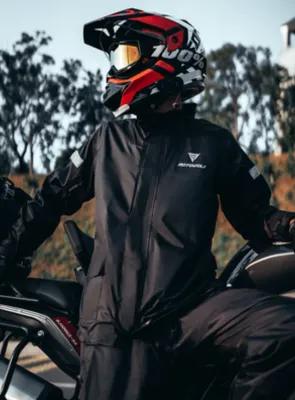
A Trax raincoat primarily serves as a barrier against wind and water, offering essential weather protection rather than impact or slide defense. For motorcycle riders navigating unpredictable weather, its effectiveness depends heavily on specific material ratings, seam construction, and fit. While a standard raincoat can keep you dry during a sudden tropical downpour, it does not feature the structural reinforcement or armor required to protect against road rash or impact injuries. Understanding how to read the specifications on your gear is the first step to ensuring you stay safe and dry on the road.
Evaluating the protective value of any rain gear requires looking closely at the manufacturer’s labels and physical design. By decoding these specifications, you can determine whether a particular model is suited for light city commuting or if your riding conditions demand heavy-duty, motorcycle-specific apparel.
Decoding Water Resistance and Weather Protection Specs
When assessing a raincoat for motorcycle use, the hydrostatic head rating is the primary indicator of waterproof performance. Measured in millimeters (mm), this rating represents the height of a water column the fabric can withstand before moisture begins to penetrate. For stationary activities, a lower rating may suffice, but motorcycle riding introduces high-speed wind that actively drives water into the fabric. To withstand highway speeds in heavy rain, look for ratings of at least 10,000mm, which provide a more robust barrier against wind-driven water pressure.
Products mentioned in this guide

Prices are valid at publication and may change. Please refer to the product page for the latest price.
Beyond the fabric itself, the construction of the seams determines whether the garment will leak under pressure. Standard stitching leaves thousands of tiny holes that water can easily penetrate when riding at speed. High-quality rainwear features fully taped or heat-welded seams on the interior to seal these entry points. Additionally, check the main zipper area; a reliable riding raincoat must feature a wide storm flap, preferably secured by hook-and-loop fasteners or snap buttons, to prevent water from forcing its way through the zipper teeth.
It is also important to recognize the physical limits of standard rainwear during prolonged exposure. Extreme downpours, extended highway commutes, and the high-pressure water spray kicked up by passing heavy vehicles can eventually overwhelm basic waterproof barriers. If your daily commute involves long stretches of high-speed riding in wet seasons, verifying these weatherproofing specifications on your garment’s label is essential to avoid arriving at your destination soaked.
Evaluating Material Durability and Abrasion Resistance
The durability of a raincoat is determined by its base material and fabric thickness, which is commonly measured in denier (D). A higher denier rating indicates a thicker, stronger fiber that is less likely to tear when subjected to high winds or accidental snags. Common materials include polyester, nylon, and polyvinyl chloride (PVC) coatings. While lightweight polyester is highly packable, heavier nylon or PVC-backed fabrics offer superior resistance to the constant whipping and tension experienced at road speeds.

Look for reinforced panels or ripstop weaves in high-stress areas such as the shoulders, chest, and underarms. High winds can cause thin fabrics to flutter violently, leading to rapid wear, seam fatigue, or tearing. Ripstop fabrics use a special reinforcing technique that makes them highly resistant to tearing and ripping, ensuring that a small puncture does not turn into a catastrophic failure while you are riding.
However, a critical safety boundary must be maintained: standard raincoat materials offer virtually zero protection against abrasion or impact during a fall. Unlike dedicated motorcycle jackets made from heavy-duty leather or high-denier Cordura, a standard raincoat will shred almost instantly upon contact with asphalt. It is vital to treat a raincoat strictly as an outer weather layer, designed to be worn over your armored riding gear rather than as a standalone protective jacket.
Visibility and Fit: Crucial Specs for Rider Safety
Riding in the rain drastically reduces visibility for all road users, making high-visibility features a critical safety specification. Check the raincoat for wide, strategically placed reflective strips across the back, shoulders, and chest. These retroreflective elements catch the headlights of surrounding vehicles, ensuring you remain visible to other drivers in low-light conditions, heavy mist, or night-time downpours.
Bright color choices also play a major role in passive safety. While black or dark grey raincoats are common, high-visibility neon yellow, green, or orange options are far more effective at cutting through road spray and headlight glare. Choosing a bright color significantly increases the distance at which other motorists can spot you, reducing the risk of collision during sudden stops.
The fit of the raincoat is equally important for aerodynamic stability and comfort. Loose, flapping fabric creates drag, increases rider fatigue, and can distract you from the road. Look for adjustable features such as elasticated or hook-and-loop cuffs, drawstrings at the waist, and collar adjusters. These allow you to cinch the garment tightly over your riding gear, preventing wind from ballooning the jacket and stopping water from running down your neck or up your sleeves.
How to Verify Your Trax Raincoat's Riding Suitability
Before relying on your Trax raincoat for a wet-weather commute, perform a systematic inspection of the garment. Start by checking the inner care and specification labels for official manufacturer details regarding material composition and water resistance ratings. If the label does not specify a high hydrostatic head rating, the coat is best reserved for light showers and lower-speed urban riding rather than highway commutes.
Next, conduct a physical quality check of the garment’s construction. Inspect the interior seams to ensure the waterproofing tape is fully adhered and not peeling away. Test the zippers, storm flaps, and adjusters to confirm they operate smoothly and seal tightly. Put the raincoat on over your standard armored riding jacket and sit on your motorcycle in a stationary position. Simulate your typical riding posture, reaching for the handlebars and controls, to verify that the raincoat does not restrict your range of motion or interfere with safe vehicle operation.
Finally, establish clear boundaries for when to use this gear. If you anticipate severe tropical storms, prolonged high-speed travel, or riding in heavy traffic with significant road spray, standard rainwear may not suffice. In these demanding conditions, consider upgrading to heavy-duty, motorcycle-specific rain suits designed with reinforced materials, integrated high-visibility patterns, and secure fitments tailored specifically for high-speed exposure.
Frequently Asked Questions (FAQ)
Can a Trax raincoat replace a dedicated motorcycle riding jacket?
No, a Trax raincoat cannot replace a dedicated motorcycle riding jacket. Raincoats are engineered solely to provide wind and water resistance, using lightweight materials that offer no protection against impact or road abrasion. In the event of a slide or crash, a standard raincoat will tear immediately, leaving your skin exposed to the road surface. For proper safety, you should always wear a dedicated motorcycle riding jacket equipped with CE-certified shoulder, elbow, and back armor. If your riding jacket is not waterproof, you can wear the raincoat over it as an external weather shield to stay dry while maintaining critical impact protection.
Community discussion
Share your experience or ask a question. Comments are reviewed before publication.