
Selecting the right rear bumper protector requires balancing physical protection, long-term durability, and visual integration with your vehicle’s design. There is no single material that outperforms the others in every scenario; instead, the ideal choice depends on your specific daily usage, local environmental conditions, and aesthetic preferences. Thermoplastic Polyurethane (TPU) offers exceptional flexibility and rubber-like elasticity, making it highly effective at absorbing light scratches and conforming to complex curves. Polypropylene (PP) provides a semi-rigid, balanced profile that closely matches original equipment manufacturer (OEM) exterior trim, offering reliable impact resistance and moderate flexibility. Acrylonitrile Butadiene Styrene (ABS) delivers a hard, rigid structure that excels at shielding the bumper from heavier impacts, though it lacks the pliability of its counterparts. Understanding how these materials behave under physical stress and environmental exposure is the first step toward making an informed purchase.
Understanding TPU, PP, and ABS Material Basics
To choose the right protector, you must first understand the fundamental physical properties of these three distinct polymers. TPU is a thermoplastic elastomer that bridges the gap between rubber and plastics. It is characterized by high tensile strength, remarkable elasticity, and an inherent ability to cushion impacts. Because of its flexible nature, TPU can stretch and return to its original shape without permanent deformation, making it a popular choice for form-fitting protective films and flexible guards.
PP is a semi-crystalline thermoplastic known for its exceptional fatigue resistance and toughness. It is the standard material used by automotive manufacturers for bumpers, wheel arch liners, and exterior trims due to its ability to withstand repeated flexing and moderate impacts without cracking. PP strikes a practical middle ground, offering enough structural integrity to hold its shape while remaining resilient enough to absorb everyday bumps.
Products mentioned in this guide
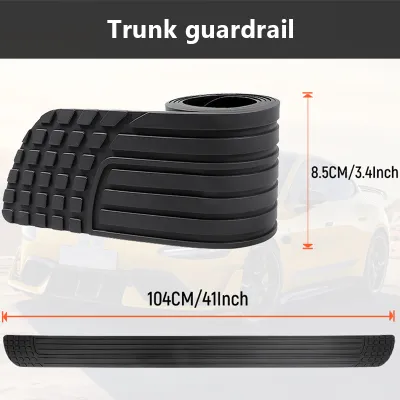
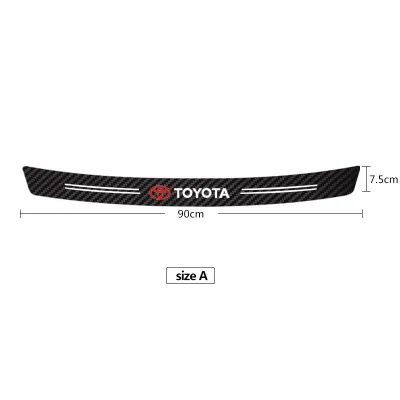
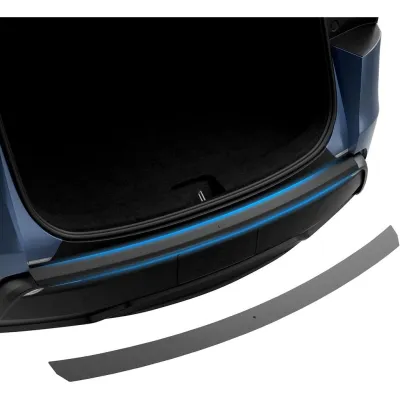
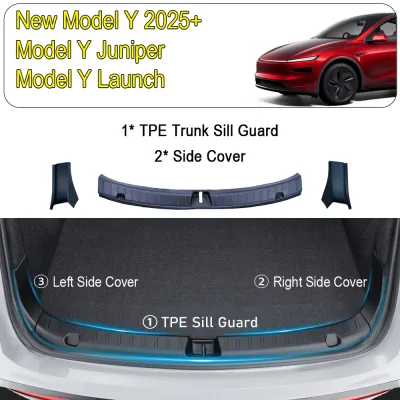
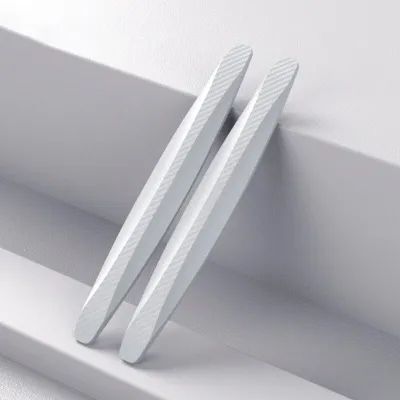
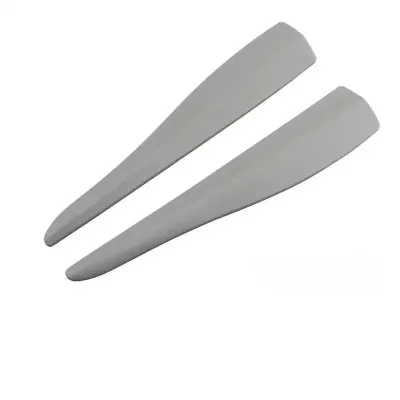
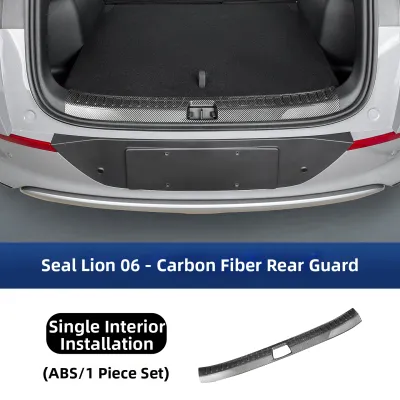
Prices are valid at publication and may change. Please refer to the product page for the latest price.
ABS is a rigid, amorphous terpolymer engineered for structural stiffness and high impact resistance. It combines the strength of acrylonitrile and butadiene with the rigidity of styrene. This composition makes ABS highly resistant to physical trauma, which is why it is frequently used for heavy-duty body kits, hard cargo liners, and protective covers. However, because ABS is rigid, it does not flex easily and can crack under extreme stress or improper installation. When shopping, always check product labels and manufacturer specifications, as many protectors use proprietary material blends or chemical additives to enhance these base properties.
Evaluating Protection, Durability, and Appearance
Evaluating a rear bumper protector requires looking beyond basic material names to assess how each option performs in real-world conditions. To determine which material suits your driving habits, you must compare them across three primary dimensions: physical impact handling, environmental resistance to weathering, and visual integration with your vehicle’s body lines.

Impact Resistance and Scratch Protection
The way a protector handles physical contact depends heavily on its material hardness and flexibility. TPU acts as a shock-absorbing cushion; when a shopping cart or heavy luggage slides across it, the flexible polymer compresses to absorb the energy, often preventing the scratch from reaching the paint underneath. Some high-grade TPU protectors even feature self-healing top coats that allow minor surface swirls to dissipate under gentle heat.
In contrast, ABS relies on its structural rigidity to deflect impacts. It acts as a hard shield, dispersing the force of a localized blow across a wider surface area. This makes ABS highly effective at preventing dents from heavy, sharp objects, though the rigid plastic itself can sustain visible scratches or gouges over time. PP offers a balanced performance, absorbing moderate impacts through a combination of surface hardness and slight material yield. Before purchasing, review the manufacturer’s documentation for specific material hardness ratings and intended load thresholds to ensure the protector matches your typical cargo-loading habits.
Weathering and UV Stability
Exterior automotive accessories must endure constant exposure to harsh environmental elements, particularly in tropical climates characterized by intense sunlight, high humidity, and heavy rainfall. Without proper stabilization, ultraviolet (UV) radiation breaks down polymer chains, leading to visible degradation.
When comparing materials, check the product specifications for explicit mentions of UV-inhibitor additives. Unprotected ABS is particularly susceptible to UV degradation, which can manifest over time as fading, chalking, or increased brittleness. PP also requires UV stabilization to prevent it from becoming brittle and cracking under prolonged sun exposure. TPU generally offers good natural resistance to environmental oils and moisture, but lower-quality formulations can yellow or lose their elasticity when exposed to continuous solar radiation. Regularly inspecting your protector for early signs of weathering—such as color shifting, surface powdering, or fine hairline cracks—will help you determine when it is time to apply a protective dressing or replace the unit.
Finish, Fitment, and Visual Appeal
The aesthetic integration of a bumper protector depends on how well the material conforms to your vehicle’s specific contours and the surface finishes available. TPU’s high elasticity allows it to wrap seamlessly around complex, multi-dimensional curves and sharp bumper edges, creating a low-profile barrier that is almost invisible when using a clear finish.
PP and ABS protectors are molded into pre-shaped, rigid or semi-rigid covers. Because they cannot stretch during installation, their fitment depends entirely on the precision of the manufacturer’s mold. ABS can be molded with highly detailed textures, including matte black, textured rugged finishes, or simulated carbon-fiber patterns. Additionally, both PP and ABS can be painted to match your vehicle’s exact paint code, allowing for a seamless, factory-installed appearance. If you prefer a rugged, utility-focused look, a textured ABS protector is often highly suitable, whereas those seeking a discreet, paint-matching, or low-profile solution typically lean toward TPU or painted PP.
Installation, Maintenance, and Compatibility Checks
Proper installation is critical to ensuring the protector remains securely attached and does not damage your vehicle’s exterior. Most rear bumper protectors rely on high-performance, automotive-grade double-sided acrylic foam tape for mounting. Before application, the bumper surface must be meticulously prepared. Clean the area thoroughly with mild soap and water, followed by a surface-safe degreaser or an isopropyl alcohol wipe, to remove all wax, road grime, and ceramic coatings. Applying adhesive to an unprepared surface will result in premature lifting, especially around the edges.
Maintenance requirements vary by material. For general cleaning, use only mild automotive shampoos and soft microfiber cloths. Avoid harsh chemical solvents, degreasers not labeled for plastics, or abrasive scrubbing brushes, as these can dull the finish of ABS, degrade the UV inhibitors in PP, or haze the surface of TPU.
Before finalizing your purchase or starting the installation, you must verify physical clearances. Ensure the protector does not obstruct rear parking sensors, advanced driver-assistance systems (ADAS) radar housings, tow hook access points, or exhaust tips. If your vehicle features a hands-free power tailgate, verify that the thickness of the protector does not interfere with the kick-sensor’s detection field. Always observe this critical safety boundary: if you notice any interference with safety sensors, backup cameras, or structural components during a dry fit, halt the installation immediately and consult a qualified professional or the vehicle manufacturer.
Decision Framework: Which Material Fits Your Needs?
To select the right material, you must evaluate your daily driving environment, cargo habits, and vehicle configuration.
Choose TPU if your primary goal is invisible, low-profile scratch protection and your vehicle has complex bumper curves. TPU is highly suitable for urban drivers who frequently navigate tight parking spaces, such as multi-storey car parks, where minor bumper scrapes from adjacent vehicles or shopping carts are common. Its flexible nature allows it to cover wrapped edges seamlessly, making it an excellent choice for maintaining a clean, factory look without altering the vehicle’s original silhouette.
Choose PP if you want a balanced, durable protector that mimics the look and feel of original factory trim. PP is ideal for family SUVs and active vehicles that regularly carry strollers, sports equipment, or groceries. It offers a practical blend of impact resistance and flexibility, ensuring it can handle daily wear while resisting chemical exposure and temperature fluctuations.
Choose ABS if you require maximum physical shielding against heavy, rigid cargo, such as construction tools, heavy luggage, or pet crates. The rigid structure of ABS provides a robust barrier that deflects significant impacts. It is also the preferred choice if you want to add a rugged, off-road aesthetic or a distinct textured accent to your vehicle’s rear profile.
Regardless of your material preference, you must first verify whether your vehicle is equipped with rear-facing ADAS sensors. Thick, rigid materials like ABS can sometimes interfere with sensor signals if the protector extends too close to the sensor bezels. Always prioritize sensor functionality over aesthetic or physical protection preferences to maintain your vehicle’s active safety systems.
Pre-Purchase Verification Checklist
Before purchasing a rear bumper protector, go through this checklist to ensure compatibility, safety, and compliance:
- Model and Trim Specificity: Confirm the exact make, model, year, and trim level of your vehicle. Bumper shapes often change during mid-cycle refreshes, meaning a protector designed for a older model may not fit a newer model. Never rely solely on generic category terms.
- Sensor and Camera Cutouts: Verify that the protector features precise, pre-molded cutouts for all rear parking sensors, backup cameras, reflectors, and license plate illumination lights.
- Adhesive Quality: Ensure the product includes pre-applied, genuine automotive-grade double-sided tape from a reputable manufacturer to prevent peeling under high-heat or high-humidity conditions.
- Warranty and Returns: Review the manufacturer's warranty terms regarding material defects, UV fading, and adhesive failure, and check the return policy in case of unexpected fitment issues.
- Regulatory Compliance: Ensure the protector's dimensions do not violate local vehicle modification regulations. In many regions, including Singapore, exterior accessories must not protrude excessively beyond the vehicle's original width or length, nor can they obstruct the visibility of the rear license plate or safety lighting.
Frequently Asked Questions (FAQ)
Can I install a rear bumper protector over existing scratches?
Yes, you can install a protector to conceal existing cosmetic blemishes, but the surface must be properly prepared first. Thoroughly clean, dry, and smooth the area before applying any adhesive. If the existing scratches are deep, have caused the clear coat to peel, or have exposed bare metal or plastic structural elements, they must be treated professionally before covering them. Applying an adhesive protector over damaged paint or rust can trap moisture and road salt underneath, accelerating corrosion and material degradation.
Will removing the protector damage my car's original paint?
Removing a bumper protector safely requires patience and the correct technique to avoid lifting the vehicle’s clear coat. Use a heat gun or a hairdryer on a low, constantly moving setting to gently warm the protector and soften the underlying adhesive. Once warmed, slowly peel the protector back at a shallow angle. Use an automotive-grade adhesive remover that is explicitly labeled as safe for clear coats, along with a plastic scraper or a microfiber cloth, to clean up any remaining residue. Stop the removal process immediately if you observe any signs of paint lifting, bubbling, or cracking, and consult a professional detailer or body shop.
Community discussion
Share your experience or ask a question. Comments are reviewed before publication.