
Your Tyre Pressure Monitoring System (TPMS) acts as an early warning network, translating the invisible state of your tyres into real-time dashboard data. When a TPMS reading fluctuates or a warning light illuminates, it signals that the air pressure inside one or more tyres has deviated from the vehicle manufacturer’s safe operating limits. Understanding these readings allows you to maintain optimal vehicle handling, maximise fuel efficiency, and prevent catastrophic tyre failures. While the system is highly automated, interpreting the numbers correctly requires knowing how ambient temperature, driving conditions, and mechanical wear affect tyre pressure.
Decoding Your TPMS Tyre Pressure Numbers and Units
Modern vehicles display tyre pressure in Pounds per Square Inch (PSI), bar, or Kilopascals (kPa). Most passenger vehicles in Singapore use PSI or bar as their primary metric. You can verify your vehicle’s preferred unit and recommended baseline inflation by checking the tyre information placard, typically located on the driver’s side door jamb or inside the fuel filler flap. If your dashboard displays a unit different from your manual or tyre pump, a simple conversion is necessary: one bar is roughly equal to 14.5 PSI, while 100 kPa equals 1 bar.
To get an accurate reading, you must measure “Cold Tyre Pressure.” This is the pressure of tyres that have been stationary for at least three hours, or driven less than two kilometres at moderate speed. Manufacturers calculate their recommended inflation specifications based on cold tyres because driving generates friction, heating the air inside the tyre and causing it to expand. This thermal expansion naturally increases the pressure reading by 3 to 6 PSI (0.2 to 0.4 bar) during a journey.
Products mentioned in this guide
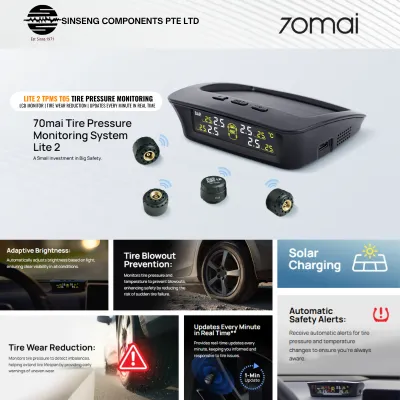
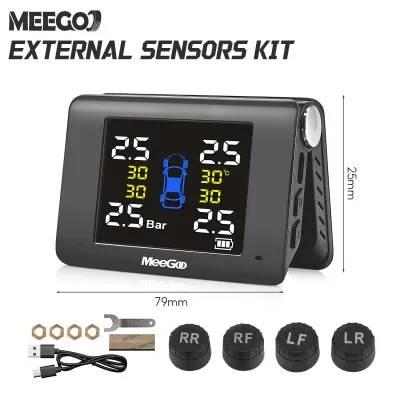
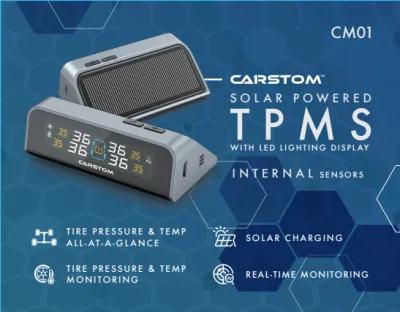
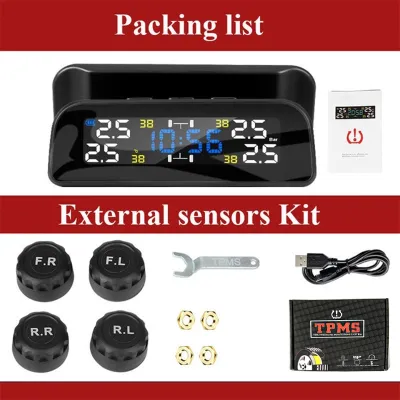
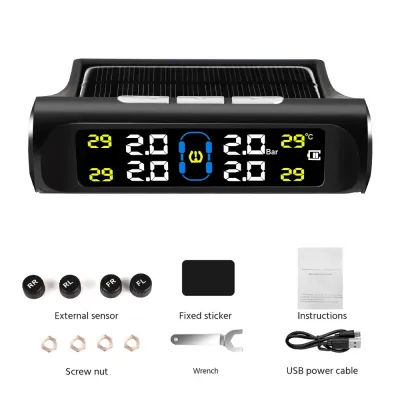
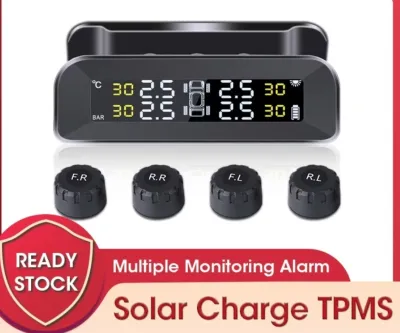
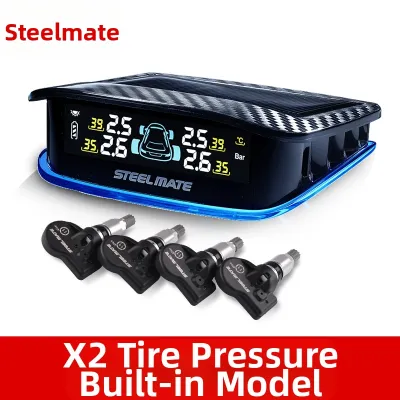
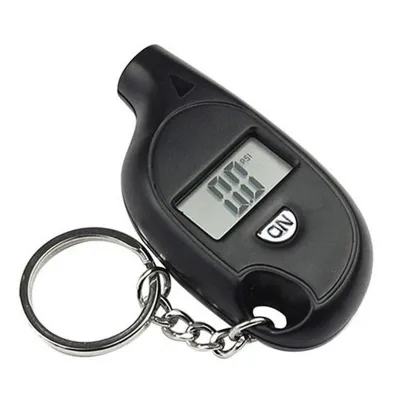
Prices are valid at publication and may change. Please refer to the product page for the latest price.
In Singapore’s hot, tropical climate, ambient temperatures remain high throughout the day, which further influences baseline readings. Checking your tyre pressure early in the morning or late in the evening, before the sun has heated the asphalt, provides the most stable and accurate baseline. Adjusting your tyre pressure when the tyres are hot can result in dangerous under-inflation once the tyres cool down to ambient temperatures overnight.
What Your TPMS Dashboard Warning Lights Actually Mean
The standard TPMS warning light is a yellow dashboard symbol shaped like a horseshoe with an exclamation mark in the centre, representing a tyre cross-section. How this light behaves when you start your vehicle or while you are driving tells you whether you are dealing with a critical pressure issue or a system hardware fault.

A solid, continuous TPMS light indicates that the system has detected a significant drop in pressure in at least one tyre. This warning typically triggers when the pressure falls 20% to 25% below the manufacturer’s recommended cold inflation pressure. If this light turns on while driving, it requires immediate attention, as driving on under-inflated tyres increases rolling resistance, generates excessive heat, and compromises steering control.
A flashing or blinking TPMS light indicates a system malfunction rather than a pressure discrepancy. This light typically flashes for 60 to 90 seconds upon starting the vehicle before remaining solid. A flashing light suggests that the TPMS module cannot communicate with one or more sensors. Common causes include a depleted internal sensor battery, signal interference from aftermarket electronic devices, or physical damage to a sensor inside the wheel.
Step-by-Step Response to Low and High Pressure Alerts
When your TPMS alerts you to a pressure anomaly, responding systematically ensures your safety and prevents damage to your vehicle’s suspension and wheels.
Responding to a Low Pressure Alert If the low pressure warning illuminates while driving, remain calm and avoid sudden braking. Gradually reduce speed, signal, and pull over to a safe, level area away from traffic.
Once stopped, inspect all four tyres. Do not rely on a visual “kick test” or eyeball the tyre; modern radial tyres have stiff construction that can look normal even when significantly under-inflated. Always verify the actual pressure using a calibrated digital or dial tyre pressure gauge.
If a tyre is visibly flat, hisses, or if the steering wheel pulls heavily, do not attempt to drive further. Driving on a flat tyre can permanently ruin the tyre casing and damage the wheel rim. Park safely, activate hazard lights, and call for professional roadside assistance.
If the tyres look intact and pressure is only slightly low, drive carefully to the nearest petrol station. Inflate to the exact cold specification listed on your vehicle’s door jamb placard. Never inflate to the “Max Press” number moulded onto the tyre sidewall, as this represents the maximum pressure the tyre can safely hold under maximum load, not the optimal pressure for your vehicle.
Responding to a High Pressure Alert An abnormally high pressure reading is often triggered after prolonged highway driving or during hot afternoons due to normal thermal expansion.
Pull over safely and allow the tyres to cool naturally for at least thirty minutes before re-measuring. Never bleed air out of hot tyres to force them down to the recommended cold pressure specification, as this will cause severe under-inflation once they cool.
If you verify that the tyres are genuinely over-inflated while cold, use a tyre gauge with a bleed valve to release air in small, controlled increments. Re-measure after each release until the reading aligns with the manufacturer’s specification.
Handling TPMS Sensor Faults and System Errors
TPMS sensors are small electronic transmitters mounted inside the wheel assembly, typically integrated into the valve stem. Because they operate in a harsh environment of constant rotation, vibration, and temperature extremes, they are prone to eventual wear and failure.
The internal lithium-ion batteries powering these sensors have a finite lifespan, typically lasting between five and ten years depending on mileage. Once a battery depletes, the entire sensor must be replaced, as the batteries are sealed within the sensor body to protect them from moisture. Other common causes of sensor failure include physical damage from hitting deep potholes, corrosion of the valve stem, or damage caused by tyre mounting machines during a tyre change.
Do not attempt to disassemble the tyre or replace the TPMS sensor yourself. Servicing these components requires breaking the tyre bead off the wheel rim using a specialized tyre changer machine, which carries a high risk of damaging the tyre bead or scratching the rim. Furthermore, new sensors must be programmed and paired to your vehicle’s Engine Control Unit (ECU) using specialized OBD-II diagnostic tools.
If you experience a flashing TPMS light, schedule an appointment with a qualified workshop or tyre specialist. While waiting for a repair, you must perform manual pressure checks using a handheld gauge at least once a week to ensure your safety while the automated monitoring system is offline.
Why TPMS Cannot Replace Physical Tyre Inspections
While a TPMS is an invaluable safety feature, it is designed solely to monitor internal air pressure. It cannot assess the physical integrity or structural condition of your tyres. A tyre with perfect pressure readings can still be highly dangerous and prone to sudden failure.
You should perform a physical inspection of your tyres at least once a month. Look closely for uneven tread wear, which often indicates wheel misalignment or worn steering components. Check the sidewalls for bulges, cuts, or cracks; a sidewall bulge indicates that the internal cord structure of the tyre has ruptured, representing an immediate blowout risk that requires urgent replacement.
Inspect the tread area for embedded debris such as nails, screws, or sharp stones. A nail can lodge firmly in the tread and seal the hole, preventing immediate air loss and keeping the TPMS light off, only to cause a sudden blowout later at high speeds.
Finally, check your tread depth. Modern tyres feature raised tread wear indicators, also known as wear bars, nestled within the tread grooves. While the legal minimum tread depth in Singapore is 1.6mm, replacing your tyres when they reach 3mm is highly recommended. Deep tread grooves are essential for dispersing water on wet roads; driving with worn tread in heavy tropical downpours dramatically increases the risk of aquaplaning and loss of control, regardless of what your TPMS dashboard says.
Frequently Asked Questions (FAQ)
Why is my TPMS light on but my tyres look fine?
Modern radial tyres are engineered with stiff, reinforced sidewalls that maintain their shape even when they have lost a significant amount of air pressure. A tyre can lose up to 30% of its recommended pressure without displaying any visible sagging or bulging. Always use a physical, calibrated pressure gauge to verify the actual pressure of each tyre rather than relying on a visual check. If the pressures are correct, the light may indicate a slow puncture, a faulty sensor, or a pending system calibration.
Do I need to reset the TPMS after inflating my tyres?
Whether you need to perform a manual reset depends on the type of TPMS installed in your vehicle. Direct systems, which use physical sensors inside each wheel, typically detect the corrected pressure and turn off the warning light automatically after you drive for a few kilometres at moderate speed. Indirect systems, which estimate pressure by monitoring wheel speed through the Anti-lock Braking System (ABS), do not update automatically and require a manual reset via your vehicle’s dashboard infotainment menu or a dedicated physical button. Consult your vehicle’s owner’s manual for the exact calibration steps.
Community discussion
Share your experience or ask a question. Comments are reviewed before publication.