
Finding wheel covers that fit the Nissan NV200 without interfering with the Tire Pressure Monitoring System (TPMS) requires selecting accessories designed with precise valve stem clearance, shallow internal profiles, and secure retention mechanisms. Because the NV200 is a widely used commercial and passenger van, maintaining correct tire pressure is essential for vehicle handling, fuel economy, and overall road safety. The vehicle’s factory steel wheels are typically equipped with direct TPMS sensors integrated into the valve stems, making them highly sensitive to physical pressure or misalignment from aftermarket hubcaps.
Choosing the wrong wheel cover can lead to costly consequences, including bent valve stems, slow air leaks, or physical damage to the internal sensor body. To avoid these issues, drivers must understand how the TPMS hardware interacts with the wheel cover and what specific design features prevent interference. By focusing on compatibility rather than purely aesthetic appeal, you can protect your vehicle’s safety systems while upgrading its appearance.
This guide provides a comprehensive framework for selecting, verifying, and installing TPMS-compatible wheel covers on your Nissan NV200. We will examine the physical constraints of the NV200 wheel assembly, identify the key design features to look for when shopping, and outline a step-by-step verification process to ensure a safe fit. Additionally, we will discuss reliable sourcing options and best practices for ongoing maintenance to keep your sensors functioning perfectly over the lifespan of your tires.
Products mentioned in this guide
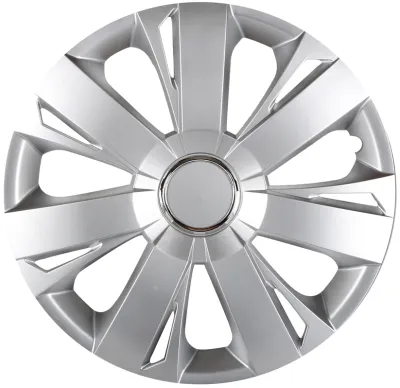
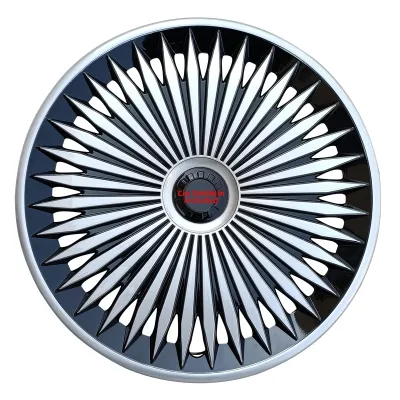
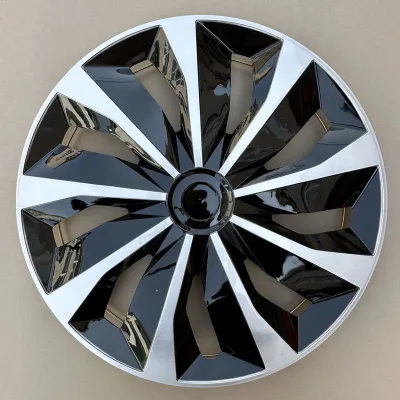
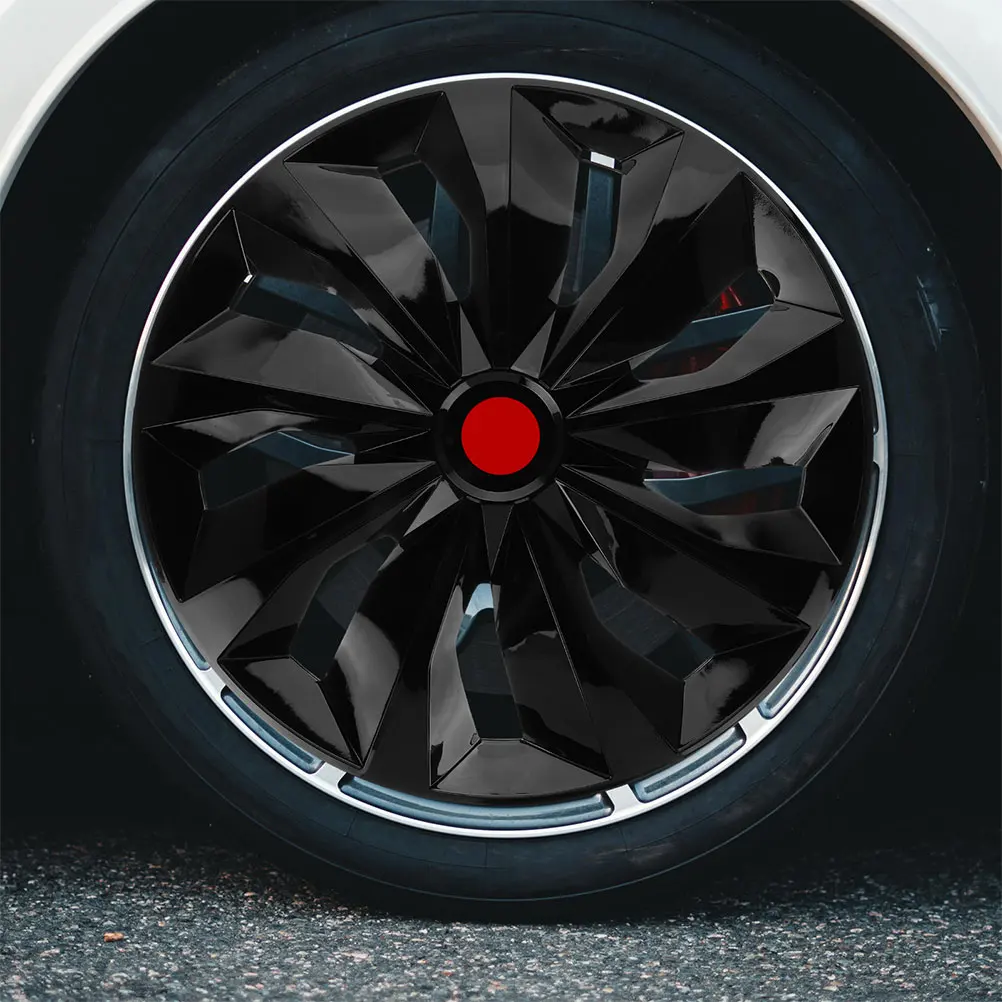
Prices are valid at publication and may change. Please refer to the product page for the latest price.
Understanding TPMS Clearance on the Nissan NV200
The Nissan NV200 utilizes a direct Tire Pressure Monitoring System, which means a physical sensor is mounted inside each wheel assembly to measure air pressure and temperature in real time. This sensor is typically attached directly to the base of the valve stem, resting inside the drop center of the wheel rim. Because the sensor body and the valve stem form a single, rigid unit, any external force applied to the valve stem is transferred directly to the sensitive electronic component inside the tire.
To prevent damage, there must be adequate internal clearance between the wheel cover’s backing plate and the valve stem housing. The backing plate is the inner structure of the hubcap that rests against the steel wheel face. If this plate sits too close to the valve stem, or if the cover lacks a dedicated opening for the stem, the plastic will press against the metal or rubber housing, putting constant lateral stress on the sensor assembly.
Several common design features in aftermarket wheel covers can cause physical interference with the NV200’s TPMS hardware. Deep center caps that mimic the look of alloy wheels often extend too far inward, reducing the available space around the wheel hub and valve stem. Similarly, rigid plastic backing rings or poorly positioned retention clips can run directly across the path of the valve stem, forcing it out of its natural alignment when the cover is snapped into place.
The standard steel wheels on the Nissan NV200 have a distinct profile, often in 14-inch or 15-inch sizes depending on the model year and regional market specifications. This profile features a relatively shallow outer lip and a specific contour that limits the depth available for aftermarket accessories. When a generic wheel cover is pressed onto this rim, the lack of depth can force the inner plastic structure to collide with the TPMS sensor base, leading to immediate or gradual damage.
Understanding these physical constraints is the first step in selecting a safe accessory for your vehicle. Physical contact between a shifting wheel cover and the valve stem can cause the stem to crack or the internal seal to fail, resulting in a sudden loss of tire pressure while driving. By recognizing how the sensor is positioned and where potential interference points lie, you can make an informed decision and avoid products that compromise your vehicle’s safety systems.
Design Features That Protect Your TPMS Sensors
When shopping for wheel covers for your Nissan NV200, the most critical design feature to look for is a built-in valve stem cutout or notch. This cutout must be sufficiently wide and deep to allow the valve stem to pass through the cover completely unobstructed. Some high-quality covers even feature flexible access flaps or reinforced rubberized borders around the cutout to absorb minor vibrations and prevent the plastic edge from rubbing against the stem.

In addition to the cutout, you should prioritize wheel covers with shallow internal profiles or adequately domed center sections. A shallow profile ensures that the main body of the cover rests flat against the wheel face without reaching deep into the drop center where the TPMS sensor body is located. Domed centers provide extra clearance around the wheel hub and the base of the valve stem, ensuring that no part of the cover’s inner structure contacts the sensor assembly.
While universal-fit hubcaps are widely available, they often rely on generic dimensions that do not account for the specific valve stem placement of the Nissan NV200. Prioritizing model-specific fitment or covers designed specifically for Nissan steel wheels ensures that the retention clips and tension rings are engineered to clear the factory TPMS hardware. These dedicated designs align the mounting hardware away from the valve stem, reducing the risk of interference.
The retention mechanism itself plays a vital role in protecting your sensors. Most high-quality wheel covers utilize an adjustable steel tension ring that snaps into plastic retention clips around the perimeter of the cover. This metal ring must feature a pre-formed bend or loop designed specifically to route around the valve stem. If the ring is perfectly circular without this bend, it will press directly against the stem, causing severe physical stress and potential sensor failure.
Material quality is another important consideration when evaluating wheel covers. Covers made from high-grade, flexible ABS plastic are more resilient and less likely to warp or crack under thermal stress from braking. This flexibility allows the cover to absorb road shocks without shifting out of position or striking the valve stem. Brittle, low-quality plastics are prone to cracking, which can cause the cover to loosen and rotate on the rim, eventually colliding with the TPMS sensor.
How to Verify Fitment Before Final Installation
Before fully securing a new set of wheel covers to your Nissan NV200, it is essential to perform a physical dry-fit test. Begin by aligning the wheel cover’s valve stem cutout with the actual valve stem on the wheel. Gently press the cover against the rim without snapping the retention clips into place. This allows you to observe how the cover sits relative to the stem and check if any internal components are making premature contact.
With the cover held in the dry-fit position, carefully inspect the valve stem area both visually and by touch. Reach behind the edge of the cover if space permits, or use a flashlight to look through the cutout. Verify that there is a clear gap of at least a few millimeters around the entire circumference of the valve stem. The stem must not be bent, deflected, or under any physical tension from the plastic edge of the cover.
Ensure that the valve stem remains perfectly centered within the cutout. If the stem is pushed to one side or forced against the edge of the opening, the cover is not compatible or is misaligned. Even a minor deflection can cause the rubber seal at the base of the valve stem to degrade over time, leading to slow air leaks that are difficult to diagnose.
Once you are satisfied with the physical clearance, carefully snap the wheel cover into place, ensuring all retention clips are fully engaged. Immediately check your vehicle’s dashboard for any TPMS warning lights. While standard plastic covers do not block radio signals, a physical disturbance during installation could damage a sensor or cause an immediate pressure drop, triggering the warning system.
After installation, conduct a short, low-speed test drive in a controlled environment, such as a quiet residential street or an empty parking lot. Listen closely for any unusual noises, such as clicking, rubbing, or rattling, which could indicate that the wheel cover is shifting or contacting the wheel assembly. After the test drive, park the vehicle and re-inspect each wheel to confirm that the covers have not rotated and that the valve stems remain perfectly centered and free of pressure.
Where to Source Verified NV200 Wheel Covers
To ensure absolute compatibility and protect your TPMS sensors, the most reliable sourcing option is to consult an authorized Nissan dealership or official parts channel. OEM (Original Equipment Manufacturer) wheel covers are designed specifically for the NV200’s wheel specifications and are guaranteed to clear the factory TPMS hardware. While OEM parts may carry a higher price tag than aftermarket alternatives, they offer peace of mind and eliminate the risk of fitment-related sensor damage.
If you choose to explore the aftermarket, evaluate product listings with a critical eye. Look for reputable sellers who explicitly state that their wheel covers are “TPMS compatible” and provide detailed technical specifications, such as internal depth measurements or cutout diagrams. Avoid listings that rely solely on generic compatibility claims without providing concrete physical dimensions or clear illustrations of the backing plate design.
Online marketplaces and specialized automotive accessory retailers often feature fitment verification tools. These tools allow you to input your Nissan NV200’s exact year, model, and trim level to filter out incompatible products. However, even when using these tools, it is wise to cross-reference the product details and read customer reviews to see if other NV200 owners have reported issues with TPMS clearance or valve stem interference.
Avoid purchasing unverified universal hubcaps that lack detailed schematics or clear return policies. Many generic covers are designed to fit a wide variety of vehicles and do not account for the unique profile of the NV200’s steel wheels or the height of its TPMS valve stems. If a seller cannot provide clear information regarding internal clearance or does not offer a hassle-free return policy for fitment issues, it is best to look elsewhere.
When shopping online, utilize customer feedback sections and product Q&As to gather real-world insights. Search for keywords like “TPMS,” “sensor,” “valve stem,” or “Nissan NV200” to see if other buyers have successfully installed the covers without issue. If you are still uncertain about compatibility, contact the manufacturer’s customer support team directly to request clarification on the internal clearance dimensions before making a purchase.
Safe Installation and Ongoing Sensor Maintenance
Before installing your chosen wheel covers, take the time to thoroughly clean the wheel rim and the area surrounding the valve stem. Road grime, brake dust, and debris can accumulate in the recesses of the steel wheel, creating an uneven surface. If a wheel cover is installed over this buildup, it may sit crookedly or shift over time, potentially pushing the edge of the cutout against the TPMS sensor and causing damage.
If your installation process requires removing the wheels or loosening any lug nuts, always refer to the original-vehicle instructions. Re-torque the wheel nuts to the manufacturer’s specified torque limit using a calibrated torque wrench. Proper wheel torque is critical for road safety and prevents uneven stress on the wheel assembly, which could affect both the wheel covers and the TPMS sensors. If you are unsure about performing this work yourself, seek qualified professional installation.
Ongoing maintenance is essential to ensure that your wheel covers remain secure and your TPMS continues to function correctly. Periodically remove the covers during routine tire rotations or seasonal maintenance. This allows you to inspect the TPMS sensors and valve stems for signs of physical wear, corrosion, or rubber degradation. It also provides an opportunity to clean any debris that may have become trapped behind the cover.
Over time, exposure to road vibrations, temperature fluctuations, and braking heat can cause plastic retention clips to weaken or the metal tension ring to lose its spring force. Regularly check the tightness of your wheel covers by gently tugging on them. If a cover feels loose or has rotated slightly on the rim, remove it immediately to inspect the valve stem and adjust the tension ring to prevent the cover from shifting and damaging the sensor.
When inflating your tires or checking pressure, exercise caution to avoid bending the valve stem against the edge of the wheel cover cutout. Always align the air chuck or pressure gauge straight onto the stem. If you notice any signs of air leaks, physical damage to the stem, or a persistent TPMS warning light on your dashboard, consult a qualified tire professional immediately to inspect and service the sensor assembly.
Frequently Asked Questions (FAQ)
Are Universal Hubcaps Safe for NV200 TPMS Sensors?
Universal hubcaps are generally not recommended for vehicles equipped with direct TPMS sensors, such as the Nissan NV200, unless they explicitly state compatibility and provide adequate clearance. Because universal covers are designed to fit a broad range of steel wheels, they often lack the precise internal depth and specific valve stem cutouts required to clear the sensor body. This lack of precision can result in the cover pressing directly against the valve stem.
When a wheel cover exerts constant physical pressure on the valve stem, it can cause the rubber seal at the base of the stem to fail, leading to slow air leaks. In severe cases, road vibrations can cause the rigid plastic of a universal cover to snap the valve stem entirely, resulting in a rapid loss of tire pressure. To protect your safety and avoid costly sensor replacements, it is best to choose covers designed specifically for your vehicle’s wheel profile.
Do Wheel Covers Block TPMS Radio Signals?
Standard plastic wheel covers do not block or interfere with the radio frequency signals used by TPMS sensors to communicate with the vehicle’s receiver. These sensors operate on specific radio frequencies (typically 315 MHz or 433 MHz), which easily pass through plastic, rubber, and even thin metals. Therefore, installing a high-quality plastic wheel cover will not cause signal loss or trigger a false warning light due to wireless interference.
However, if a wheel cover is ill-fitting and exerts physical pressure on the valve stem, it can cause a genuine drop in tire pressure by compromising the valve seal. In this scenario, the TPMS warning light will illuminate on your dashboard, not because the signal is blocked, but because the sensor is correctly reporting a low-pressure condition caused by the physical interference. Ensuring proper clearance is key to preventing these issues.
Community discussion
Share your experience or ask a question. Comments are reviewed before publication.