
Choosing compatible VW wheel caps depends entirely on whether your Volkswagen uses a direct or indirect Tire Pressure Monitoring System (TPMS) and which type of cap you are replacing. For vehicles equipped with direct TPMS, the sensors are integrated into the valve stem assemblies, meaning center hub caps do not interfere with them, but valve stem caps and full wheel covers require careful clearance checks. If your Volkswagen uses an indirect TPMS—which monitors tire pressure via the anti-lock braking system (ABS) wheel speed sensors—there are no physical sensors inside the wheels, making all standard-fit wheel caps, covers, and valve caps physically compatible.
Before purchasing any wheel accessories, identifying your vehicle’s specific TPMS configuration is the most important step. Direct systems rely on physical hardware mounted inside the wheel that can be easily damaged by improper accessory fitment, leading to costly sensor replacements. By understanding how these components interact, you can safely customize your vehicle’s wheels without compromising safety systems or causing slow tire leaks.
Understanding VW Wheel Cap Types and TPMS Sensor Locations
To select the right accessories, you must first distinguish between the three primary types of wheel caps: center caps, full wheel covers, and valve stem caps. Center caps, often called hub caps, sit directly in the center bore of alloy wheels to cover the wheel bearings and lug nuts. Full wheel covers, commonly referred to as hubcaps, snap over the entire face of steel wheels. Valve stem caps are the small, screw-on covers that protect the inflation valves from dirt, moisture, and debris.
Products mentioned in this guide
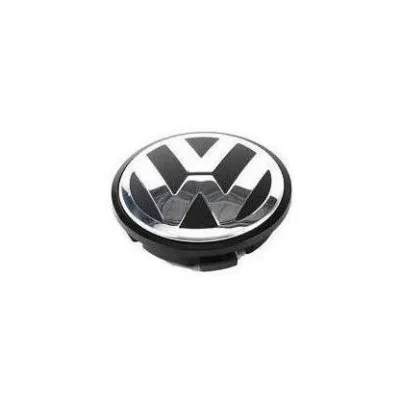
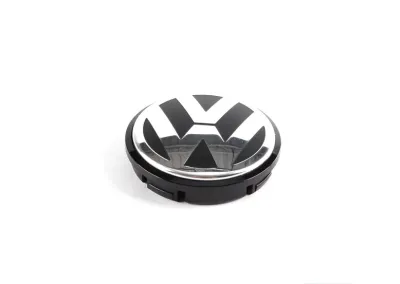
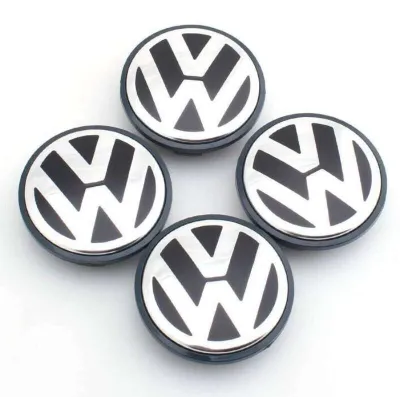
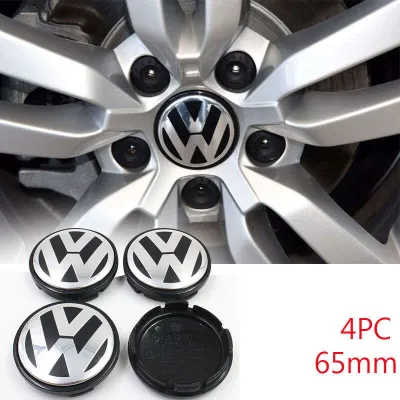
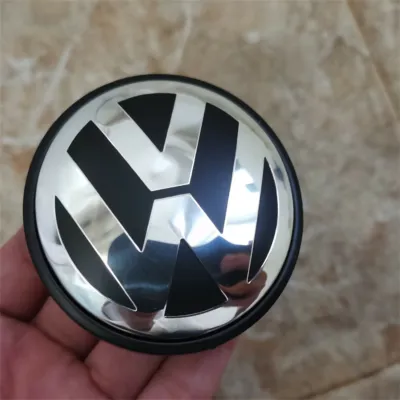
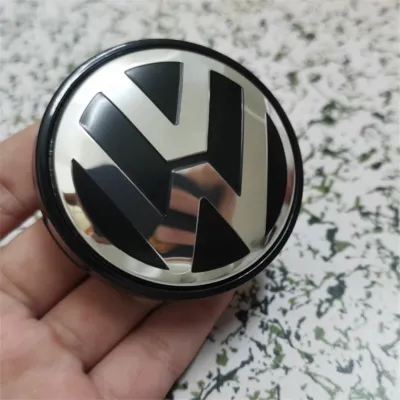
Prices are valid at publication and may change. Please refer to the product page for the latest price.
In a direct TPMS setup, the sensor body is positioned inside the tire cavity, physically attached to the base of the valve stem. The valve stem itself protrudes through a dedicated hole in the outer edge of the wheel rim. Because the sensor is fixed to the outer perimeter of the wheel, it is completely isolated from the center hub area. Consequently, center caps pose zero risk of physical interference with direct TPMS sensors.
Conversely, full wheel covers and valve stem caps interact directly with the valve stem area. A poorly designed full wheel cover can press against the valve stem, bending it and damaging the sensor inside. Similarly, an incorrect valve stem cap can cause physical damage to the delicate threads of a TPMS valve stem or trigger chemical reactions that seize the cap in place. Understanding these physical relationships allows you to focus your compatibility checks where they matter most.
Selecting Center Caps for TPMS-Equipped VW Alloy Wheels
Because center caps mount exclusively in the center hub bore of alloy wheels, they are physically isolated from the valve-mounted TPMS sensors. This means you do not need to worry about a center cap blocking or damaging a direct TPMS sensor. Instead, your primary focus when selecting center caps is ensuring a secure, precise physical fit to prevent the caps from vibrating loose or falling off while driving.

To find a center cap that fits your Volkswagen perfectly, you must verify the outer diameter and the retention clip style. Volkswagen alloy wheels use several standard center bore sizes, with outer diameters commonly measuring 56mm, 65mm, or 76mm. However, these measurements can vary significantly across different model years and wheel designs. Using a digital caliper to measure the inner diameter of your wheel’s center bore or the outer face of an existing cap is the most reliable way to confirm these dimensions.
To guarantee an exact fit, the most reliable method is to check the Original Equipment Manufacturer (OEM) part number stamped on the back of your existing center caps. These part numbers typically consist of a nine-digit alphanumeric code, often starting with prefixes like 3B7, 5G0, or 7L6. Matching this exact part number ensures that the replacement cap’s retention clips and metal tension rings will grip the inner lip of your wheel hub securely, preventing moisture intrusion and accidental loss.
Choosing Full Wheel Covers with Adequate TPMS Clearance
Full wheel covers are designed to snap over steel wheels, which are frequently used for winter tire setups or base-model trims. Because these covers span the entire face of the wheel, they must accommodate the protruding valve stem. When selecting aftermarket or OEM full wheel covers for a vehicle with direct TPMS, verifying that the cover features a deep, well-positioned valve stem cutout is critical.
The cutout must allow the valve stem to sit in its natural, upright position without any contact from the plastic or metal edges of the wheel cover. If a wheel cover presses against the valve stem, it exerts constant lateral pressure on the TPMS sensor body inside the tire. Over time, this continuous stress can crack the plastic sensor housing, damage the rubber sealing grommet, or cause the valve stem to snap, resulting in sudden tire deflation.
Additionally, you must inspect the inner retention ring or metal tension ring of the wheel cover before installation. This ring provides the outward pressure needed to hold the cover onto the steel wheel, but it must be routed carefully to avoid pinching or bending the base of the valve stem. Always consult the wheel cover manufacturer’s specifications to confirm explicit compatibility with direct TPMS systems, and avoid generic covers that do not provide a clear, unobstructed path for the valve stem.
Valve Stem Caps: Avoiding TPMS Sensor Damage and Corrosion
Valve stem caps might seem like minor cosmetic details, but using the wrong material on a direct TPMS valve stem can lead to severe mechanical issues. Many direct TPMS sensors utilize aluminum valve stems. If you screw a solid, non-lined metal cap (such as brass, steel, or chrome-plated copper) onto an aluminum stem, you risk triggering galvanic corrosion.
Galvanic corrosion occurs when two dissimilar metals come into contact in the presence of an electrolyte, such as rainwater, road salt, or humid coastal air. This electrochemical reaction causes the metal threads to fuse together over time. When you eventually attempt to unscrew a seized metal cap to adjust your tire pressure, the force required can easily snap the delicate aluminum valve stem, destroying the entire TPMS sensor and requiring an expensive replacement.
To prevent galvanic corrosion, always use high-quality plastic valve caps or specialized anodized aluminum caps that feature a non-conductive plastic or rubber inner lining. Furthermore, ensure the caps have an appropriate internal depth and a clean rubber gasket. Caps that are too deep or lack a proper internal shoulder can accidentally depress the valve core when tightened, leading to slow, persistent air leaks that are difficult to diagnose.
Pre-Purchase Verification Checklist for Your Volkswagen
Before purchasing or installing any new wheel accessories, perform this step-by-step physical verification to ensure safety and compatibility:
- Identify Your TPMS Type: Check your vehicle's instrument cluster or owner's manual. If your VW displays individual tire pressure readings (in bar or PSI), you have a direct TPMS. If it only warns you of a general pressure loss without showing live numbers, it likely uses an indirect, ABS-based system.
- Locate the OEM Part Number: Remove an existing center cap and read the part number stamped on the back to ensure an exact match for replacement center caps.
- Measure the Hub Bore: If buying aftermarket center caps, use a caliper to measure the wheel's center bore diameter and clip depth.
- Inspect the Valve Stem Cutout: For full wheel covers, physically align the cover with the wheel to ensure the valve stem sits perfectly centered in the cutout without touching the plastic edges.
- Check Valve Stem Material: Look at your valve stems. If they are silver aluminum with a hex nut at the base, they are direct TPMS stems; use only plastic or plastic-lined caps. If they are flexible black rubber, they may be indirect stems or rubber snap-in direct TPMS stems.
- Examine Sensor Condition: Inspect your current valve stems for visible cracks, corrosion, or rubber dry rot. If you notice any degradation, bent stems, or slow leaks, stop and consult a qualified tire professional to service or replace the sensor assembly before installing new covers.
Frequently Asked Questions (FAQ)
Do I need to recalibrate the TPMS after installing new wheel caps or covers?
No, you do not need to recalibrate or reset your Volkswagen’s TPMS after installing new center caps, full wheel covers, or valve stem caps. These accessories are purely cosmetic and structural; they do not contain electronic components that interact with the wireless signal transmitted by direct TPMS sensors. However, if you must remove the wheel or deflate the tire to install a specific accessory, you should check your tire pressures and verify that no TPMS warning lights are active on your dashboard before driving.
Can I use aftermarket center caps on OEM VW alloy wheels with TPMS?
Yes, aftermarket center caps are fully compatible with OEM Volkswagen alloy wheels equipped with TPMS. Because center caps sit in the middle of the wheel hub, they are physically isolated from the tire pressure sensors. However, you must ensure the aftermarket caps match the exact outer diameter, inner clip diameter, and clip depth of your original OEM caps. Poorly fitting aftermarket caps can vibrate loose, allow moisture to enter the wheel bearing area, or fall off while driving, though they will not damage your TPMS.
What should I do if a full wheel cover rubs against the TPMS sensor?
If you notice that a full wheel cover is rubbing against or applying pressure to the valve stem of your TPMS sensor, you must remove the cover immediately. Continuous physical contact or friction can wear down the valve stem, damage the sensor’s internal electronics, or compromise the rubber seal at the base of the stem, leading to rapid air loss. Do not attempt to modify the wheel cover by cutting or filing the plastic yourself. Instead, return the incompatible cover and source a model designed with a deeper, wider valve stem cutout.
Community discussion
Share your experience or ask a question. Comments are reviewed before publication.