
Choosing between TPE and XPE full-surround floor mats for your Tesla Model Y depends on whether you prioritize effortless cleaning and liquid containment or a cushioned, premium cabin aesthetic. TPE (Thermoplastic Elastomer) mats provide a rubber-like, highly durable barrier that excels at containing spills and resisting wear. XPE (Cross-linked Polyethylene Foam) mats offer a multi-layered, padded structure that delivers a softer step and enhanced sound dampening. In a tropical climate like Singapore’s, where sudden downpours and high humidity are constant, selecting the right material involves more than just visual appeal. You must evaluate how each material handles moisture, cabin heat, and daily wear while ensuring absolute safety around the vehicle’s pedals.
Understanding TPE and XPE Material Structures
To make an informed decision for your Model Y, it is essential to understand how these two materials are manufactured and structured. TPE is a class of copolymer mixtures that combines the physical properties of rubber with the processing advantages of plastics. These mats are typically manufactured using high-precision injection molding or thermoforming processes. This results in a single-piece, non-porous, and highly elastic mat that perfectly mirrors the 3D contours of the footwell. Because there are no seams, layers, or fabric elements, TPE mats behave as a unified shield against dirt and liquids.
XPE, on the other hand, relies on a cross-linked polyethylene foam core known for its thermal insulation and cushioning properties. Unlike TPE, XPE mats are rarely a single solid material; they are almost always constructed as a multi-layered composite. A typical XPE full-surround mat features a top layer of synthetic leather or vinyl, a middle layer of XPE foam for cushioning, and a bottom layer designed with anti-slip textures or hook-and-loop fasteners. These layers are bonded together and finished with stitched edge bindings to create a structured, high-walled barrier.
Products mentioned in this guide
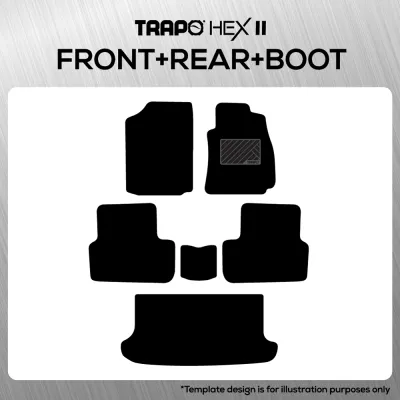
Prices are valid at publication and may change. Please refer to the product page for the latest price.
These structural differences directly influence how each mat type achieves its full-surround coverage. The Model Y features deep footwells with complex curves, particularly around the front seats and the rear passenger floor. TPE mats rely on their rigid yet flexible molded shape to press firmly against these vertical walls, maintaining their structure through material tension. XPE mats use their thicker, semi-rigid layered construction to stand upright against the footwell walls, often relying on additional clips or heavy-textured backings to stay flush against the factory carpet.
Comparing TPE and XPE Across Key Daily Use Factors
Evaluating aftermarket floor mats for your Model Y requires looking past generic marketing terms. Labels such as “eco-friendly,” “premium,” or “all-weather” are frequently used across online marketplaces, but they do not guarantee real-world performance or safety. To find the right fit, you must analyze how these materials perform across three core pillars: maintenance effort, environmental resilience, and physical safety.

Durability and Cleaning Requirements
The daily maintenance routine of your Model Y’s interior is heavily dictated by the surface texture of your floor mats. TPE mats are highly practical for drivers who want a low-maintenance cabin. Because the surface is completely non-porous, liquids, mud, and wet sand cannot penetrate the material. Cleaning a TPE mat usually requires nothing more than removing it from the vehicle, hosing it down with clean water, and wiping it dry with a microfiber cloth. They are highly resistant to staining from spilled coffee, soft drinks, or muddy shoes, making them ideal for families or active outdoor lifestyles.
XPE mats demand a more careful maintenance approach due to their layered construction and stitched edges. The synthetic leather top layer can trap fine dust, sand, and pet hair within the grain or along the stitched seams. If liquids spill on an XPE mat, they must be wiped up immediately to prevent moisture from seeping through the stitching into the foam core. Cleaning these mats typically involves vacuuming the surface and using a damp cloth paired with a mild, label-authorized upholstery or leather cleaner. Harsh chemical cleaners or high-pressure water sprays should be avoided, as they can degrade the synthetic top layer or cause the laminated layers to separate over time.
Durability over years of use also differs between the two materials. TPE is highly resistant to heel wear, friction, and abrasion, though it can show superficial scuffs over time from hard-soled shoes. XPE mats, while comfortable, are more susceptible to physical damage. High heels, sharp objects, or heavy friction from the driver’s heel can puncture or wear down the synthetic leather top layer, exposing the foam underneath. When purchasing, always check the manufacturer’s care instructions and warranty terms regarding heel pad reinforcement and abrasion limits.
Heat Resistance and Cabin Air Quality
Singapore’s tropical climate subjects parked vehicles to intense solar heating, with cabin temperatures easily climbing to high levels when parked in open-air lots. Under these conditions, the heat resistance of your floor mats is critical for both structural integrity and cabin air quality. High-quality TPE mats are engineered to withstand extreme temperatures without warping, curling, or softening. However, lower-grade elastomers may become sticky or lose their shape under prolonged heat exposure. It is vital to verify the manufacturer’s specified temperature thresholds before purchasing.
For XPE mats, prolonged exposure to high cabin temperatures and humidity presents unique challenges. The adhesives used to laminate the multiple layers of XPE mats can break down under extreme heat, leading to delamination, bubbling, or curling edges. Furthermore, the high humidity of the local climate can trap moisture beneath or within the layered structure of XPE mats if they are not dried thoroughly after a wet day. This trapped moisture creates a breeding ground for mold, mildew, and musty odors inside the sealed cabin of your Model Y.
Cabin air quality is another critical consideration, particularly in a vehicle equipped with an advanced cabin filtration system like the Tesla Model Y. Many aftermarket plastics and synthetic leathers can release volatile organic compounds (VOCs) and unpleasant chemical odors when heated. Rather than relying on unverified product descriptions, look for independent safety certifications such as SGS or RoHS compliance. These certifications verify that the mats have undergone testing for harmful chemical off-gassing, ensuring that your cabin remains safe and odor-free even after hours in the sun.
Safety and Pedal Clearance Verification
No interior accessory should ever compromise the safe operation of your vehicle. The primary safety risk associated with full-surround floor mats is interference with the accelerator and brake pedals. Because full-surround mats feature high vertical walls designed to cover the entire footwell, any shifting, curling, or bunching of the material can physically block the pedals from returning to their neutral positions or prevent full braking application.
To mitigate these risks, you must verify that the mats are designed with precise 3D scanning data specifically for your Model Y’s model year. The floor contours and pedal placements can vary slightly between production years and manufacturing origins. Ensure the mats feature a robust anti-slip backing—such as a high-friction nibbed texture or specialized hook-and-loop fasteners—that locks the mat securely to the factory carpet. Additionally, the mats must be fully compatible with the factory retention clips located on the driver’s side floor.
Once you install your new mats, performing a thorough physical safety check is mandatory before driving. Sit in the driver’s seat and manually press both the accelerator and brake pedals through their entire range of motion. Confirm that there is clear space around the pedals and that the mat does not catch or rub against the pedal arms. Slide the front seats fully forward and backward to ensure the mat does not obstruct the seat rails or the under-seat air vents. Finally, check that the steering column moves freely without contacting any portion of the driver’s side mat.
Verifying Quality and Fitment Before Purchase
Because material names alone do not guarantee a safe or durable product, you must carefully evaluate specific product details and seller policies before making a purchase. Start by reading the product specifications for exact material compositions. High-quality TPE mats should be made from medical-grade or food-grade TPE, which naturally offers lower odor and better flexibility. For XPE mats, look for details on the thickness of the foam core and the specific type of synthetic leather used for the top layer.
A critical factor for drivers in Singapore is confirming right-hand drive (RHD) specific fitment. Many online marketplaces list floor mats that are designed primarily for left-hand drive (LHD) markets. Because the footwell shapes, pedal offsets, and dead pedal locations are mirrored between LHD and RHD vehicles, installing LHD mats in an RHD Model Y is highly dangerous and will result in severe fitment issues and pedal interference. Always double-check that the product listing explicitly states compatibility with the RHD Tesla Model Y.
Before finalizing your order, inspect the product images and customer reviews for details on edge binding quality and backing textures. Poorly stitched edges on XPE mats will fray quickly, while thin TPE mats may arrive with warped edges from shipping. Finally, choose a seller that offers a clear return policy or a fitment guarantee. This ensures that if you discover any gaps, shifting, or pedal contact during your post-installation safety check, you can return or exchange the mats without hassle.
Choosing the Right Mat for Your Driving Needs
Selecting between TPE and XPE full-surround mats ultimately comes down to aligning their material characteristics with your daily driving habits and aesthetic preferences.
Choose TPE mats if:
- You prioritize quick, effortless cleaning and want to be able to hose down your mats.
- You frequently deal with wet weather, mud, sand, or spilled liquids.
- You prefer a modern, minimalist, and utilitarian look that matches the clean design of the Model Y interior.
- You want maximum long-term durability with minimal risk of wear from footwear.
Choose XPE mats if:
- You prefer a softer, cushioned feel underfoot that provides a more luxurious cabin experience.
- You want to match the interior upholstery with a leather-like, stitched aesthetic.
- You are looking for additional acoustic insulation to help dampen road noise inside the cabin.
- You are willing to dedicate more time to specialized cleaning and maintaining the synthetic leather surface.
Regardless of your preference, always prioritize safety and verification. If a product lacks clear safety certifications, does not explicitly guarantee pedal clearance, or does not specify RHD Model Y fitment, continue searching until you find a product that meets these essential safety standards.
Frequently Asked Questions (FAQ)
Do I need to remove the factory carpet mats before installing full-surround mats?
Yes, you must always remove the factory carpet floor mats before installing aftermarket full-surround mats. Stacking floor mats is a severe safety hazard. The added thickness of multiple mats can easily block the accelerator or brake pedal from moving freely, potentially leading to unintended acceleration or reduced braking efficiency. Furthermore, full-surround mats rely on direct contact with the vehicle’s floor carpet or factory retention clips to stay securely in place. Placing them on top of existing carpet mats prevents these anti-slip mechanisms from working, causing the mats to slide forward during driving.
How can I flatten curled edges on a new full-surround mat?
New full-surround mats often arrive folded or rolled in their shipping boxes, which can cause temporary curling or warping along the high vertical edges. To safely restore their original shape, you can use gentle, ambient heat. Lay the mats flat in a warm, dry area under direct sunlight for a few hours, allowing the material to naturally relax and conform to its molded shape. Alternatively, you can rinse the warped areas with warm water or use a damp, warm towel to soften the material before pressing it flat. Never use high-heat industrial heat guns or open flames, as extreme heat can permanently melt TPE, delaminate the layers of XPE mats, or release toxic chemical fumes.

Community discussion
Share your experience or ask a question. Comments are reviewed before publication.