
Selecting the right anti-slip backing for full-surround car mats is a critical decision that directly impacts both your driving safety and the preservation of your vehicle’s interior. Because no single material universally suits every vehicle, the ideal choice depends on how a backing’s physical texture interacts with your car’s original floor carpet, your local climate, and your routine maintenance habits. A mat that slides even slightly can obstruct your pedals, creating a serious hazard on the road.
Full-surround car mats are designed to cover a much larger surface area than standard flat mats, extending up the sides of the footwell to protect against spills and dirt. This extensive coverage means the mats must remain structurally rigid and firmly anchored to prevent shifting. By understanding the physical properties of Thermoplastic Elastomer (TPE), traditional rubber, and Polyvinyl Chloride (PVC), you can make an informed choice that keeps your footwells secure and clean.
Understanding Anti-Slip Grip in Full-Surround Car Mats
To evaluate how a car mat prevents sliding, it is essential to look beyond the top surface and examine the backing design. Unlike standard flat mats that rely primarily on gravity and a small footprint, full-surround mats feature high vertical walls that climb the sides of your footwell. This three-dimensional structure requires a highly coordinated anchoring system to prevent the vertical edges from collapsing inward or the base from shifting forward under foot pressure.
Products mentioned in this guide
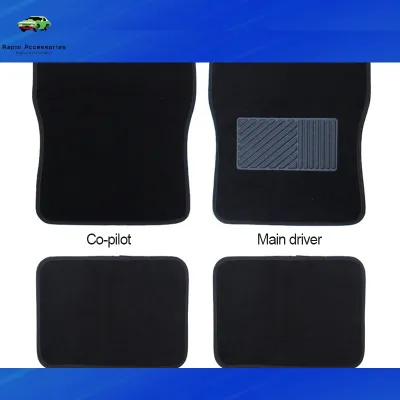
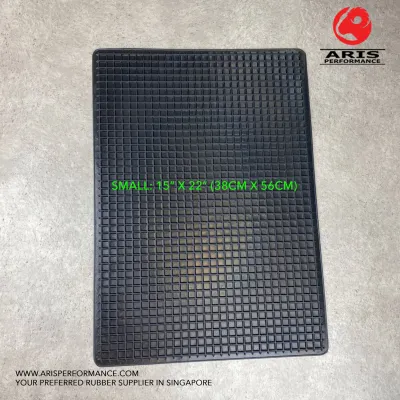
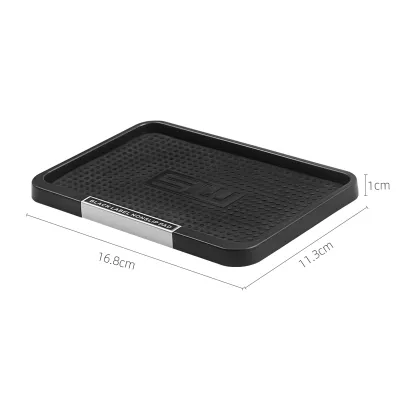
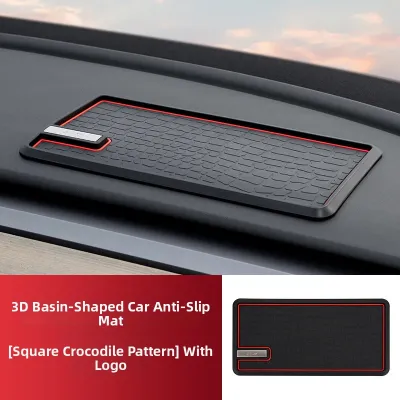
Prices are valid at publication and may change. Please refer to the product page for the latest price.
The primary mechanism of grip for most aftermarket mats is mechanical friction, achieved through molded backing textures. These textures typically consist of small spikes, pointed nibs, or deep ridges that bite into the fibers of your vehicle’s original carpet. When pressure is applied from above, these textures lock into the carpet pile, preventing lateral movement. However, the effectiveness of this mechanical lock depends heavily on the type of carpet installed in your vehicle; deep-pile luxury carpets interact differently with backing textures compared to the low-profile, tightly woven carpets found in utility vehicles.
Before purchasing any full-surround mat, you must verify the manufacturer’s specifications regarding floor compatibility. Some backings are designed exclusively for soft, fibrous carpets and can slide dangerously if placed on hard, rubberized commercial flooring or vinyl surfaces. Additionally, the overall weight and structural rigidity of the mat play a supporting role. A heavier, semi-rigid mat distributes foot pressure more evenly across the backing, which helps the anti-slip textures engage uniformly with the floor below.
Material Breakdown: TPE, Rubber, and PVC Backings
TPE (Thermoplastic Elastomer) Backing
Thermoplastic Elastomer, commonly known as TPE, is a modern hybrid material that combines the flexibility of rubber with the processing advantages of plastics. In full-surround car mats, TPE backings are typically manufactured using advanced injection or vacuum molding processes. This allows manufacturers to integrate precise, complex grip patterns directly into the underside of the mat as a single, continuous piece, rather than bonding a separate anti-slip layer to the bottom.

One of the most significant advantages of TPE is its structural stability across a wide temperature range. In tropical climates like Singapore, where the interior of a car parked under direct sunlight can easily exceed 60 degrees Celsius, lower-grade materials can soften, emit strong chemical odors, or lose their shape. High-quality TPE is engineered to resist this thermal degradation, maintaining its rigidity and molded grip patterns even under intense cabin heat.
When choosing TPE mats, it is highly recommended to check the product label for specific material certifications, such as those verifying low volatile organic compound (VOC) emissions. Because TPE is generally formulated without harmful plasticizers, it tends to be virtually odorless right out of the box. This makes it an excellent option for drivers who are sensitive to chemical smells or concerned about cabin air quality during long drives in closed, air-conditioned environments.
Rubber Backing
Traditional rubber remains a popular choice for automotive floor protection due to its natural density, durability, and heavy weight. Unlike lighter synthetic alternatives, a heavy rubber backing uses its own mass to press firmly against the vehicle’s floor carpet. This substantial weight helps the mat lie completely flat, minimizing the risk of edge curling or lifting that could interfere with your feet or the vehicle’s pedals.
It is important to note that the term “rubber” can refer to a wide variety of compounds, ranging from natural vulcanized rubber to synthetic blends. Each formulation has distinct physical properties, meaning you must carefully review the manufacturer’s specification sheet and care instructions. Some synthetic rubber blends are highly resistant to oils and environmental wear, while others may require specific care to prevent the material from drying out, cracking, or losing its natural pliability over time.
Maintaining the grip of a rubber backing requires adherence to the manufacturer’s cleaning guidelines. Harsh chemical degreasers, petroleum-based solvents, or improper cleaning agents can chemically alter the rubber compound, causing the anti-slip nibs to soften, crumble, or become slick. To preserve the mechanical grip of the backing, always use mild, manufacturer-approved soaps and avoid exposing the rubber to chemicals not explicitly authorized on the product label.
PVC (Polyvinyl Chloride) Backing
Polyvinyl Chloride, or PVC, is a widely used synthetic plastic polymer that serves as a common backing material for budget-friendly full-surround car mats. To achieve the flexibility required to conform to a vehicle’s footwell, PVC backings are heavily treated with plasticizers. While this makes PVC mats highly accessible and lightweight, it also means their physical performance is highly dependent on the quality of the specific polymer blend used.
A key consideration when evaluating PVC backings is their sensitivity to temperature fluctuations. Under prolonged exposure to high cabin temperatures, the plasticizers within the PVC can slowly migrate to the surface, leading to a greasy residue on your vehicle’s carpet or causing the backing to harden and become brittle over time. Conversely, in extremely cold conditions, PVC can stiffen significantly, which may cause the mat to lift away from the floor contours and reduce the contact patch of the anti-slip textures.
Because of these material characteristics, PVC backings require more frequent visual and physical inspections by the vehicle owner. Over a multi-year lifespan, you should regularly check the edges of the mats for signs of curling, warping, or hardening. If the backing loses its flexibility or if the molded spikes begin to flatten and crack, the mat’s ability to grip the carpet will be severely compromised, necessitating immediate replacement to ensure driving safety.
Key Comparison Dimensions for Anti-Slip Performance
When comparing different full-surround car mat models, relying solely on the material name is rarely sufficient. To make an accurate assessment of how well a mat will stay in place, you should evaluate several physical design dimensions that directly influence mechanical grip.
First, examine the backing pattern closely, either through high-resolution product images or by physically inspecting the mat. Look at the density of the spikes or nibs, their overall height, and the depth of any molded grooves. A backing with a high density of sharp, well-defined nibs generally provides superior mechanical locking on plush carpets, whereas shallow, rounded ridges are better suited for low-pile or flat utility carpets.
Second, consider the overall weight and structural rigidity of the mat. A thin, highly flexible mat is more prone to bunching up under foot pressure, especially near the driver’s heel pad where constant movement occurs. In contrast, a semi-rigid mat that retains its molded three-dimensional shape distributes lateral forces across the entire surface area of the footwell, reducing the localized stress on individual anti-slip nibs and preventing the mat from shifting forward.
Third, verify the explicit floor compatibility stated by the manufacturer. A backing designed for standard automotive carpet may slide freely if installed in a commercial van with a smooth vinyl floor. Conversely, a backing designed for hard surfaces might feature flat, high-friction pads that will not grip a deep-pile carpet effectively.
Finally, always check for integrated retention systems. High-quality full-surround mats should feature precise cutouts, clips, or grommets designed to lock directly onto your vehicle’s factory floor anchor points. These mechanical anchors serve as the primary line of defense against mat movement, while the anti-slip backing provides secondary, distributed support across the rest of the footwell.
Decision Framework: Which Material Should You Choose?
Selecting the right backing material involves balancing your budget, maintenance preferences, and vehicle specifications against the unique characteristics of TPE, rubber, and PVC.
You should choose a TPE backing if you prioritize a lightweight, highly precise fit and want an odorless interior. TPE is ideal for modern daily drivers who want a mat that is easy to remove for cleaning, retains its molded shape perfectly under high cabin temperatures, and features integrated, non-abrasive grip patterns that are gentle on the vehicle’s original carpet fibers.
Opt for a traditional rubber backing if you prefer a heavy, substantial mat that relies on physical mass and density for stability. Rubber is highly suitable for drivers who frequently enter and exit the vehicle with wet or muddy shoes, as the heavy backing resists shifting even under heavy foot traffic. However, you must be committed to routine maintenance and use only approved cleaning agents to prevent the rubber compound from degrading.
Select a PVC backing if you are working within a strict budget and require basic splash and dirt protection. While PVC is highly cost-effective, you must be prepared to conduct regular safety checks to monitor the backing for signs of hardening, cracking, or edge curling, especially if your vehicle is frequently parked outdoors in direct sunlight.
Regardless of the material you choose, your first step must always be to verify your vehicle’s specific floor configuration. Check if your car features specialized floor anchors, sensitive luxury carpet fibers, or highly complex floor contours. Ensure that the mat model you select is explicitly designed to accommodate these features without requiring modifications that could compromise safety.
Installation and Maintenance Checks for Maximum Grip
Proper installation and ongoing maintenance are just as important as choosing the right material when it comes to ensuring your car mats remain securely in place. Before installing any new full-surround mats, you must thoroughly clean, vacuum, and completely dry your vehicle’s original carpet. Any dirt, sand, or moisture trapped beneath the new mat will act as a barrier, preventing the anti-slip backing from properly engaging with the carpet fibers and potentially leading to mold growth.
When cleaning your mats, always refer to the manufacturer’s care label for specific instructions. Avoid using generic household detergents, harsh industrial degreasers, or silicone-based protectants on the backing. These chemicals can leave a slippery residue or chemically break down the backing material, permanently ruining its grip. After washing, ensure the mats are completely air-dried in a shaded, well-ventilated area before reinstalling them; placing a damp mat back into the vehicle can cause the backing to slide and trap moisture in the footwell.
Additionally, avoid using high-pressure washers directly on the underside of the mats. The intense force of a pressure washer can easily tear, flatten, or erode the delicate anti-slip nibs and molded spikes, significantly reducing the backing’s mechanical grip. Instead, gently rinse the backing with a low-pressure hose and use a soft-bristled brush to remove any trapped debris.
Finally, establish a habit of performing periodic visual and physical safety checks. Every time you clean your vehicle or adjust your seating position, verify that the mats have not shifted, that the edges are not curling near the pedals, and that the factory retention clips are securely locked. If you observe any signs of backing degradation—such as melting, severe crumbling, persistent sliding, or interference with the brake, accelerator, or clutch pedals—stop using the mats immediately and consult the manufacturer or a qualified automotive professional.
Frequently Asked Questions (FAQ)
Can I add an aftermarket anti-slip pad under my car mats?
Adding a separate, aftermarket anti-slip pad or double-sided tape beneath your full-surround car mats is highly discouraged due to significant safety risks. Introducing an unauthorized layer can alter the overall thickness and positioning of the mat, potentially causing it to bunch up, slide unexpectedly, or interfere with the full travel of your accelerator, brake, or clutch pedals. Additionally, aftermarket pads may react chemically with either your vehicle’s carpet or the mat’s backing, leading to permanent staining or material degradation. Always check your vehicle owner’s manual and the mat manufacturer’s warranty guidelines before attempting to add any non-standard layers; if your mats do not stay in place on their own, stop using them and consult a qualified professional.
How do I clean the backing without ruining its grip?
To clean the anti-slip backing safely, always use mild, manufacturer-approved soaps or specialized automotive interior cleaners rather than harsh household chemicals. Gently scrub the backing with a soft-bristled brush to dislodge dirt and debris from between the spikes or nibs, taking care not to apply excessive force that could tear the texture. Once clean, allow the mats to air-dry completely in a well-ventilated, shaded area before placing them back in your vehicle. Reinstalling a wet or damp mat can trap moisture, leading to mold, unpleasant odors, and a significant reduction in friction that can cause the mat to slide dangerously during operation.
Community discussion
Share your experience or ask a question. Comments are reviewed before publication.