
Because vehicle floor pans vary significantly by make, model, and production year, there is no single universally “best” thermoplastic elastomer (TPE) car mat brand. Instead, finding the optimal choice for your vehicle in Singapore depends on verifying 3D scanning accuracy, right-hand drive (RHD) compatibility, and the specific coverage needs of your exact vehicle. Rather than relying on generic brand names, you can secure a precise fit by evaluating key design features, verifying safety clearances, and conducting a thorough physical inspection upon delivery.
A proper evaluation framework focuses on three pillars: dimensional accuracy, material stability under local climate conditions, and absolute safety clearances around the foot pedals and seat rails. By understanding these pillars, you can systematically compare different options on the market to find a set that protects your car’s interior carpet without compromising vehicle operation. Whether you are investing S$100 or S$300 in a premium set of mats, verifying these details ensures you get the best value.
What Defines Optimal Fit and Coverage in TPE Mats?
To understand what makes a TPE mat fit well, you must first look at how manufacturers design their molds. High-quality TPE mats rely on 3D laser scanning technology to map the exact contours of a vehicle’s footwell. This scanning process captures every curve, footrest angle, and floor pan variation, allowing the manufacturer to produce a molded mat that sits flush against the original carpet. If a manufacturer uses generic templates or outdated scans, the mat may warp, slide, or leave gaps where dirt and moisture can accumulate.
Products mentioned in this guide
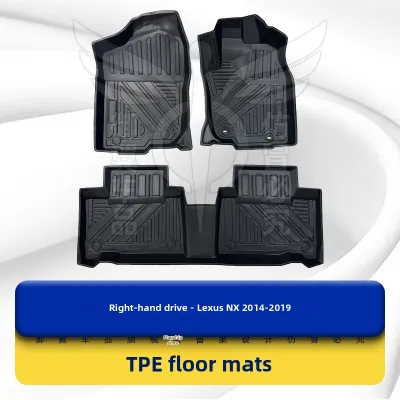
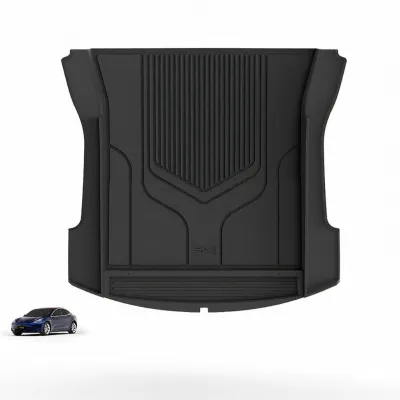
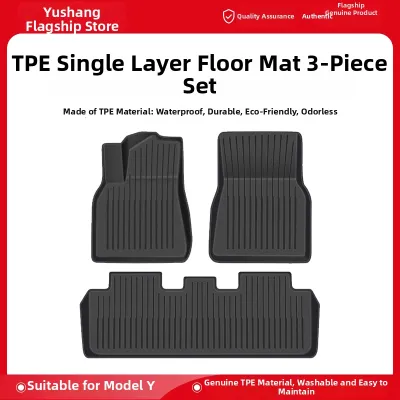

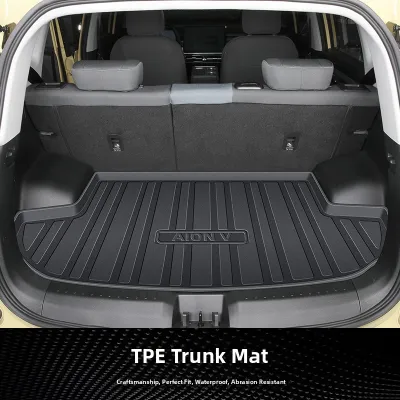
Prices are valid at publication and may change. Please refer to the product page for the latest price.
Edge-to-edge coverage is another defining factor of a premium full-surround mat. The vertical walls of the mat should rise high enough along the sides of the footwell to contain spills, mud, and sand, which are common challenges during Singapore’s sudden monsoon downpours. This high-edge containment design acts as a tray, preventing liquids from seeping over the edges and soaking into the vehicle’s permanent floor carpeting, which can lead to mold and unpleasant odors.
However, maximum coverage must never come at the expense of safety. The most critical areas of any car mat are the clearances around the accelerator, brake, and clutch pedals. A properly designed TPE mat will feature precise cutouts or recessed areas that ensure the pedals can be fully depressed and released without any physical interference. Additionally, the edges of the mat must not obstruct the movement of the front seats along their adjustment rails, nor should they block any under-seat electrical wiring or air conditioning vents.
Key Design Features to Compare Across TPE Brands
When comparing different TPE mat options, the surface texture is one of the first visual and functional differences you will notice. Some brands utilize deep linear grooves, while others opt for diamond-shaped channels or textured micro-patterns. Linear grooves are highly effective at channeling water away from your shoes toward the back of the footwell, which helps maintain grip on wet days. On the other hand, diamond or honeycomb patterns excel at trapping dry debris like sand and dirt in localized pockets, preventing them from sliding around under your feet.

The backing design is equally important for keeping the mat securely in place. Even a perfectly molded mat can become a safety hazard if it slides forward during driving. Look for mats that feature built-in retention clip holes that align perfectly with your vehicle’s factory floor anchors. For vehicles without factory anchors, or for additional security, high-quality mats often incorporate specialized friction backings, such as molded nibs or hook-and-loop fasteners, which grip the underlying carpet fibers without damaging them.
Singapore’s tropical climate, characterized by high humidity and intense cabin heat when parked outdoors, places unique demands on TPE materials. Thermoplastic elastomer is favored because it combines the durability of plastic with the flexibility of rubber. However, the exact formulation of the TPE determines how well it retains its shape over time. High-grade TPE exhibits excellent structural memory, meaning it can withstand high cabin temperatures without warping, curling at the edges, or softening. Lower-grade materials may lose their rigidity over time, causing the high side walls to sag and lose their protective seal.
How to Verify Compatibility for Your Specific Vehicle
Before purchasing any TPE mat, you must verify that the product is designed specifically for right-hand drive (RHD) vehicles. Because many online resources and international manufacturers cater primarily to left-hand drive (LHD) markets, it is easy to accidentally order a mirrored set. An LHD mat set will not fit an RHD vehicle; the footrest positioning, pedal cutouts, and floor pan contours are completely reversed. Attempting to force an LHD mat into an RHD footwell is highly dangerous, as it can easily jam the pedals or slide under the brake.
You must also check the exact model year, generation, and facelift status of your vehicle. Car manufacturers frequently update floor pan layouts, seat rail configurations, and center console shapes during mid-generation facelifts or model transitions. For example, a mat designed for a 2022 model may not fit a 2024 facelifted version of the same car, even if the model name remains identical. Always cross-reference your vehicle’s chassis code or manufacturing year with the seller’s compatibility database to ensure an exact match.
Finally, pay close attention to the placement of factory retention clips and under-seat components. The mat must feature pre-installed or perfectly aligned mounting holes that snap securely onto your car’s original floor pegs. Additionally, look under your front seats to identify the location of any rear passenger air conditioning vents and electrical harnesses for power seats or airbags. The molded edges of the rear mats must be shaped to clear these vents, as blocking them can restrict airflow and cause the climate control system to work harder.
Purchasing Channels and Post-Delivery Inspection
When deciding where to buy your TPE mats, you will generally choose between local authorized physical dealers and online marketplaces. Authorized physical dealers often allow you to test-fit a sample mat in your vehicle before purchasing, providing immediate assurance of compatibility. If you choose to buy from an online marketplace, look for reputable sellers who offer clear return policies and fitment guarantees. Ensure the seller provides a warranty against manufacturing defects, such as premature cracking or warping, and verify their process for handling returns if the mats do not fit your specific model year.
Once your mats arrive, perform a thorough unboxing inspection before attempting to install them. Because TPE mats are often shipped in large boxes, they can sometimes sustain temporary warping or folding creases during transit. Lay the mats flat in a warm area for a few hours to allow the material to regain its original molded shape. Inspect the edges for any thin spots, tears, or manufacturing defects that could compromise their structural integrity or liquid-containment capabilities.
Immediately after installing the mats, conduct a comprehensive physical safety check before driving. Sit in the driver’s seat and fully depress the accelerator, brake, and clutch pedals (if applicable) to ensure there is absolutely no contact with the mat. Slide the front seats through their entire range of motion to confirm the seat rails do not catch on the edges of the mats. If you detect any resistance, rubbing, or misalignment, remove the mats immediately and contact the manufacturer or seller for assistance, as driving with an improperly fitted mat poses a severe safety risk.
Frequently Asked Questions (FAQ)
Are TPE mats completely odorless compared to traditional rubber or PVC mats?
High-quality TPE mats are generally odorless because they do not contain the volatile organic compounds (VOCs) commonly found in cheap PVC or low-grade rubber mats. However, brand-new mats may carry a mild, temporary scent from the manufacturing packaging or mold-release agents. It is highly recommended to unbox your new mats and let them air out in a well-ventilated, shaded area for 24 to 48 hours before installing them in your vehicle. This simple step ensures that any residual manufacturing odors dissipate completely, keeping your cabin air clean and fresh.
Can I use a left-hand drive (LHD) TPE mat in a right-hand drive (RHD) car?
No, you must never use a left-hand drive (LHD) TPE mat in a right-hand drive (RHD) vehicle. Because the driver and passenger footwells are mirrored, an LHD mat will not align with the floor contours, pedal assemblies, or factory retention clips of an RHD car. Attempting to use an LHD mat on the driver’s side of an RHD vehicle is extremely dangerous, as the mismatched shape can easily trap the accelerator or brake pedal, leading to a loss of vehicle control. Always purchase mats specifically certified for RHD configurations.
Do full-surround mats interfere with side airbags or seat adjustments?
Properly designed and molded full-surround TPE mats will not interfere with side airbags or seat adjustments. Side airbags are typically housed within the seat bolsters or roof pillars, well away from the floor pan where the mats sit. However, the high vertical edges of full-surround mats must be precisely molded to clear the seat tracks. When installing the mats, always verify that the front seats can slide forward and backward smoothly without catching on the mat’s edges, and ensure that no under-seat electrical cables or sensors are pinched or obstructed.

Community discussion
Share your experience or ask a question. Comments are reviewed before publication.