
Quick Answer: Evaluating Full-Surround Brands for the Toyota Wish
Finding the best full-surround car mats for your Toyota Wish requires looking past generic brand names and focusing on how those brands design their mats for your specific vehicle generation. Because the Toyota Wish was produced across two distinct generations with varying floor layouts, there is no single universal brand that fits every model perfectly. Instead, the ideal choice depends on your primary functional requirements, your preferred materials, and the brand’s manufacturing precision.
To make an informed decision, consider this condition-based framework:
- Choose TPE (Thermoplastic Elastomer) brands if you prioritize a waterproof, odorless, and highly durable material that handles wet umbrellas and muddy shoes without warping under high heat.
- Choose XPE foam with a PU or leather top layer if you want a softer, more luxurious aesthetic that provides extra cabin sound dampening, though these require more careful cleaning to prevent moisture from seeping into the seams.
Always prioritize brands that offer a clear fitment guarantee and use precise 3D laser scanning for either the first-generation (2003–2009) or second-generation (2009–2017) Wish. This ensures the mats do not interfere with the pedals, seat rails, or under-seat air vents.
Products mentioned in this guide
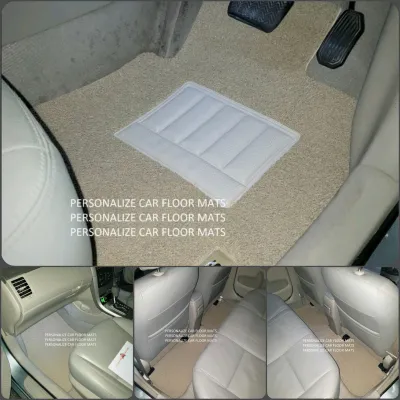
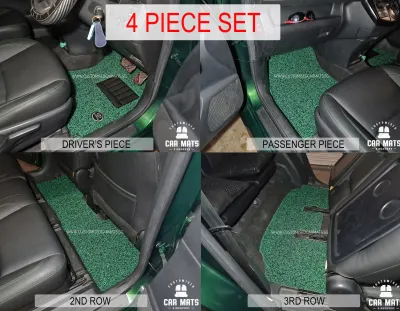
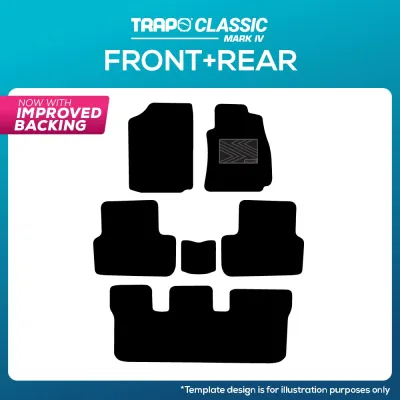

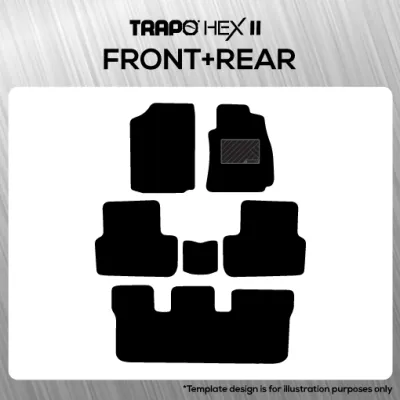
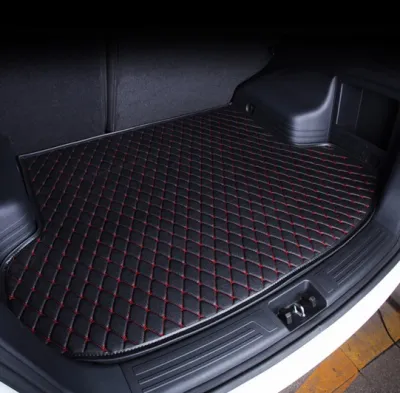
Prices are valid at publication and may change. Please refer to the product page for the latest price.
What "Full-Surround" Coverage Means for the Toyota Wish
Unlike traditional flat car mats or standard 3D mats that only cover the flat horizontal footwells, true full-surround mats are designed to wrap up the vertical walls of your vehicle’s footwells. This means they extend upward to cover the sides of the center console, the door sill thresholds, the footrest area on the driver’s side, and the vertical risers underneath the seats. For a multi-row family vehicle like the Toyota Wish, this comprehensive coverage is particularly valuable because it prevents dirt, sand, spilled drinks, and debris from falling into the hard-to-reach gaps between the carpet and the plastic interior trim.

The Toyota Wish features a unique MPV interior layout that presents several challenges for floor mat manufacturers. First, the flat floor architecture in the second and third rows is designed to allow passengers to move easily across the cabin. A high-quality full-surround mat must bridge these open spaces seamlessly, laying completely flat without creating raised edges that could become tripping hazards.
Second, the second-row seats in the Wish are mounted on sliding rails to allow adjustable legroom and easy access to the third row. Full-surround mats must be precisely molded around these metal tracks. If a mat is even slightly too thick or wide, it can obstruct the seat rails, preventing the seats from sliding smoothly or locking securely into place. Furthermore, the driver’s side floor pan features specific contours, including the fuel lid release lever and the footrest, which require exact cutouts to maintain full functionality.
Standard 3D mats typically feature a raised lip of only one to two centimeters. While they offer decent protection against minor spills, they do not cover the vertical carpeted areas that frequently get kicked or scuffed. True full-surround mats extend much higher—often up to the plastic door sills and deep under the dashboard. This complete coverage justifies the higher initial cost and installation effort, as it preserves the vehicle’s original carpeting and maintains its resale value.
Core Dimensions for Comparing Mat Brands and Materials
When comparing full-surround car mat brands for your Toyota Wish, you must evaluate several critical dimensions: material composition, manufacturing precision, edge height, and anti-slip safety features. These technical aspects determine whether a set of mats will offer long-term durability and safety.
Material Composition and Climate Suitability
The choice of material directly affects how the mats perform under daily wear and environmental exposure. In warm, humid climates like Singapore’s, interior materials are subjected to high cabin temperatures when parked outdoors, as well as frequent moisture from rain and wet footwear.
TPE (Thermoplastic Elastomer) is a durable, rubber-like material molded under high heat. TPE mats are robust, resistant to warping, and completely waterproof. Because they are molded as a single solid piece, there are no stitched seams where water can penetrate. TPE is also chemically stable, meaning it does not emit unpleasant chemical odors when the car’s interior heats up under the sun. This makes TPE an excellent choice for families who prioritize hygiene, easy maintenance, and long-term durability.
XPE (Cross-linked Polyethylene) foam mats covered with a PU (Polyurethane) or synthetic leather top layer offer a cushioned surface that feels soft underfoot. The thick foam core also acts as a sound barrier, dampening road noise inside the cabin. However, because these mats feature stitched seams, they are not entirely impervious to liquids. If a large spill occurs, water can seep through the stitching into the internal foam layers, which can lead to mold growth and musty odors in humid weather if not dried promptly. XPE leather mats are best suited for drivers who prefer a luxurious appearance and are willing to perform regular, careful maintenance.
Scanning and Molding Precision
The fit of a full-surround mat depends entirely on how the manufacturer designed the mold. High-end brands utilize advanced 3D laser scanners to map every curve, contour, and bolt location of the Toyota Wish’s floor pan. This digital map is then used to create a highly accurate injection or compression mold. In contrast, budget brands often rely on manual measurements or generic templates designed to fit multiple “similar” vehicle models. These generic mats frequently suffer from poor alignment, loose sections, or excess material that bunches up near the pedals or seat tracks.
You will encounter marketing terms like “5D”, “7D”, or “9D” when shopping for full-surround mats. These terms are not standardized industry classifications; they typically refer to the number of layers in the mat’s construction or the height of the side walls. Rather than choosing a mat based solely on these numbers, focus on whether the brand guarantees a custom fit using 3D laser-scanned data specifically for your Wish’s model year.
Edge Height and Containment
The height of the mat’s outer lip determines its capacity to contain liquids and loose dirt. A proper full-surround mat should feature a raised edge of at least three to five centimeters along the sides. This raised barrier acts as a tray, keeping spilled liquids, rainwater, or sand confined. Ensure that the edges are rigid enough to stand upright over time; cheap materials tend to sag or curl inward after a few months of use, which allows dirt to slide underneath.
Anti-Slip and Fixing Mechanisms
A sliding car mat is a severe safety hazard, particularly on the driver’s side where it can wedge under the pedals. Reliable brands design their mats to work seamlessly with the Toyota Wish’s original floor retention clips. These clips lock the driver’s mat firmly in place, preventing any forward or lateral movement. Additionally, high-quality mats feature a specialized backing—such as heavy-duty Velcro strips, a high-friction fiber texture, or rubber nibs—that grips the vehicle’s original carpet without damaging the fibers. Avoid mats that rely solely on gravity or weak elastic bands to stay in position.
How to Verify Fitment Claims Before You Buy
Because the Toyota Wish has been a staple family car for many years, purchasing the correct set of mats requires careful verification of the seller’s fitment claims. Taking a few precautionary steps before completing your purchase will save you the hassle of dealing with returns or driving with poorly fitting mats.
Identifying Your Exact Wish Generation
The Toyota Wish was manufactured across two generations, and their floor layouts are not interchangeable. You must identify your exact model year and chassis code before ordering:
- First Generation (2003–2009): Commonly referred to by chassis codes such as ANE10, ANE11, or ZNE10. This generation has a specific floor contour, pedal placement, and seat track configuration.
- Second Generation (2009–2017): Identified by chassis codes starting with ZGE20, ZGE21, ZGE22, or ZGE25. This model features a redesigned floor pan, updated seat rail positions, and different driver's side clip placements compared to the first generation.
You can find your vehicle’s chassis code on the manufacturer’s plate (typically located on the passenger-side door pillar or inside the engine bay) or on your vehicle registration documents. Always provide this code to the seller to ensure compatibility.
Requesting Real Installation Proof
Many online sellers use computer-generated 3D renders or generic photos of other car models to advertise their mats. These images do not represent how the mats will actually fit inside your Toyota Wish. Before buying, ask the seller to provide real, unedited photos of the mats installed in a Toyota Wish of your specific generation. Pay close attention to how the mats sit around the second-row seat rails, the driver’s footrest, and the fuel lid release lever.
Evaluating Seller Policies
A reputable brand or retailer should stand behind their product with a clear fitment guarantee. Look for sellers who explicitly state that they will cover return shipping costs or offer a full refund if the mats do not fit your vehicle as promised. Be cautious of sellers who list their products as “universal fit for Wish” or those who charge hefty restocking fees for returns.
Analyzing User Reviews
Customer reviews are an invaluable source of real-world feedback. When browsing reviews on e-commerce platforms or automotive forums, search for specific keywords like “Wish”, “pedal”, “sliding seat”, “gaps”, or “curling”. This will help you identify if other Wish owners have experienced issues with the mats shifting, blocking the second-row seat tracks, or interfering with the accelerator pedal.
Safety and Installation Checks for Full-Surround Mats
Once your new full-surround mats arrive, safety must be your absolute priority during installation and initial use. Because these mats cover a large surface area and feature thick, raised edges, a minor misalignment can have serious safety consequences.
Pedal Clearance Verification (Critical Safety Check)
The driver’s side mat requires the most rigorous inspection. Before driving your vehicle, you must perform a thorough pedal clearance check:
- Check Accelerator Travel: Press the accelerator pedal completely to the floor. Ensure that the pedal does not catch on the top edge or side of the mat at any point during its travel. The pedal must return to its idle position instantly and smoothly when released.
- Check Brake Pedal Clearance: Press the brake pedal firmly. Verify that there is ample clearance between the pedal arm and the raised edges of the mat. The mat must not prevent you from applying full braking force in an emergency.
- Inspect the Footrest Area: Ensure the mat lies perfectly flat against the dead pedal (footrest). If the mat curls or lifts in this area, your foot could catch on it, or it could slide forward over time and block the brake pedal.
Seat Rail and Sliding Door Clearance
The Toyota Wish’s versatile seating layout relies on the smooth operation of its sliding mechanisms. After installing the mats, test the full range of motion for every seat:
- Slide the driver and front passenger seats fully forward and backward. Ensure the lower plastic trim of the seats does not catch on the vertical edges of the mats.
- Move the second-row seats through their entire sliding range. The mats must not obstruct the metal tracks or bunch up as the seats move. If your Wish is equipped with sliding rear doors, verify that the mats near the door sills do not interfere with the door's lower guide rollers or sealing gaskets.
Proper Installation Sequence
Before installing any aftermarket car mats, always check the product packaging and your vehicle manufacturer’s instructions. If the instructions conflict, or if you are unsure of the fitment, stop and consult the manufacturer or a qualified professional. To achieve the best fit and ensure safety, follow this systematic installation sequence:
- Remove Old Mats: Never layer your new full-surround mats on top of existing carpet or rubber mats. This is extremely dangerous as it raises the height of the floor, significantly increasing the risk of pedal interference.
- Clean the Cabin Floor: Vacuum the original carpet thoroughly to remove all dirt, sand, and pebbles. Ensure the carpet is completely dry to prevent moisture from being trapped beneath the new mats, which can lead to mold and unpleasant odors.
- Position the Rear Mats First: Lay the second and third-row mats in place, tucking the edges neatly under the plastic seat trim and aligning them with the seat rails.
- Install the Front Mats: Place the driver and passenger mats into their respective footwells. Ensure the driver's side mat is fully engaged with the original vehicle retention clips. Press down firmly along all the edges to secure the Velcro or anti-slip backing to the carpet.
- Perform the Safety Checks: Complete the pedal and seat clearance checks described above before starting the engine.
If you encounter any fitment issues—such as a section of the mat forcing a pedal down or blocking a seat track—do not attempt to trim, cut, or modify the mat yourself. Modifying the mat can compromise its structural integrity, create sharp or curling edges, and void the manufacturer’s warranty. Instead, stop using the mat immediately and contact the seller or manufacturer for assistance.
Frequently Asked Questions (FAQ)
Can I use generic universal full-surround mats for my Toyota Wish?
We strongly advise against using generic or universal-fit full-surround mats in a Toyota Wish. Universal mats are designed to fit a wide variety of vehicles, meaning they lack the precise cutouts and contours required for the Wish’s specific cabin geometry. A generic mat will not align with the Wish’s second-row sliding seat rails, the driver’s side footrest, or the original floor retention clips. This lack of precision leads to loose, bunching material that can easily slide forward and interfere with the accelerator or brake pedals, presenting a severe safety hazard. Additionally, universal mats leave large gaps where dirt, water, and debris can slip underneath, defeating the purpose of full-surround protection and potentially damaging your vehicle’s original carpet.
How do I clean and maintain full-surround mats in a humid climate?
Always check the cleaning product’s label and the car mat manufacturer’s care instructions before applying any cleaner. If instructions conflict, stop and consult the manufacturer. Maintaining your full-surround mats properly is essential for preventing mold, mildew, and unpleasant odors, especially in a humid tropical climate like Singapore’s. The cleaning process depends on the material of your mats:
- For TPE Mats: Remove the mats from the vehicle and shake off loose dirt. Rinse them thoroughly with water. For stubborn dirt, use a soft brush and a mild automotive shampoo or dish soap. Avoid harsh chemical cleaners or solvents, which can degrade the elastomer. Rinse again and allow the mats to air dry completely in a shaded, well-ventilated area before reinstalling them. Avoid leaving TPE mats in direct, intense sunlight for extended periods to prevent warping.
- For XPE and Synthetic Leather Mats: Do not hose these mats down or submerge them in water, as moisture can seep through the stitched seams and become trapped in the internal foam layers, leading to mold. Instead, vacuum the surface to remove loose debris. Wipe the synthetic leather surface with a damp microfiber cloth and a mild interior detailer or leather cleaner. Use a dry cloth to wipe away any excess moisture immediately, paying close attention to the stitched seams. Allow the mats to dry completely in a well-ventilated area before putting them back in the car.

Community discussion
Share your experience or ask a question. Comments are reviewed before publication.