
Finding the correct replacement side mirror for a Toyota Prius requires matching the exact vehicle generation, model year, trim level, and electrical connector configuration. Because the Prius has evolved through multiple generations—each introducing distinct body shapes, wiring harnesses, and driver-assistance technologies—relying solely on the vehicle model name often leads to purchasing incompatible parts. A mismatched mirror can result in physical fitment gaps, non-functional features, or electrical faults that disrupt the vehicle’s onboard computer systems.
Identify Your Prius Generation and Trim Level
To ensure baseline physical and electrical compatibility, start by locating your vehicle’s identification details. The Vehicle Identification Number (VIN) and the manufacturer’s build date plate, typically found on the driver’s side door jamb, provide the exact production month and year. This information is critical because mid-generation refreshes often introduce subtle changes to exterior components.
Next, consult your original owner’s manual, purchase documentation, or a local dealership database to identify your specific trim level. Toyota utilizes various trim designations across different model years, such as Prius Two, Three, Four, Five, or grade-based naming conventions. These trims dictate whether your vehicle came equipped with basic manual mirrors or advanced electronic packages.
Products mentioned in this guide

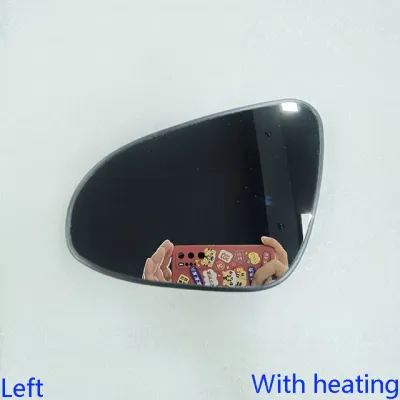
Prices are valid at publication and may change. Please refer to the product page for the latest price.
Before ordering any replacement, perform a visual inspection of the existing mirror housing. Note the physical shape, the presence of integrated lights, and the glass type. If possible, remove the interior door trim panel to inspect the electrical connector, noting the shape of the plastic plug and the number of active metal pins inside the harness.
Decode Side Mirror Features and Specifications
Understanding the specific functions integrated into your side mirror ensures you select a replacement that matches your vehicle’s existing wiring capabilities.

Glass and Housing Features
Side mirrors range from basic manual-folding units to highly automated assemblies. Manual-folding mirrors require you to physically push the housing toward the door glass when parking in tight spaces, whereas power-folding mirrors utilize internal motors activated by a cabin switch. Power-adjustable glass, which allows you to adjust the viewing angle using a door-mounted joystick, is standard on most modern generations but relies on specific motor wiring.
Heated glass is another common feature designed to clear condensation and mist. You can identify heated mirrors by a small defogger icon printed directly on the glass surface. These mirrors integrate with the rear window defroster circuit, drawing power only when the defroster is active.
Many Prius models also feature integrated turn signal repeaters. These are LED light strips built into the outer plastic housing that flash in tandem with your indicators. Replacing a turn-signal-equipped mirror with a non-signal version, or vice versa, requires a completely different wiring harness connector.
Advanced Tech and Safety Integrations
Modern Prius generations incorporate advanced safety systems directly into the side mirrors. The Blind Spot Monitor (BSM) system displays a warning icon in the outer corner of the mirror glass when a vehicle enters your blind spot. This feature requires dedicated radar sensors mounted inside the rear bumper and specific wiring pins in the mirror harness to transmit the signal.
Auto-dimming, or electrochromic, mirror glass automatically darkens to reduce glare from headlights behind you. This technology requires constant power and ground connections within the mirror assembly, which are linked to light sensors typically located on the interior rearview mirror.
Installing a replacement mirror that features more advanced technology than your original vehicle supports will not upgrade your car’s capabilities. Without the corresponding factory wiring, sensors, and control modules, these advanced features will remain non-functional, and the mismatched connector may prevent basic functions like glass adjustment from working.
Verify Fitment and Installation Requirements
Before finalizing your purchase, verify the physical and electrical specifications of the replacement mirror against your original equipment. Compare the mounting bolt pattern and the shape of the base plate that mounts to the door frame. Even a millimeter of variance can prevent a secure fit, leading to wind noise, water leaks, or vibration while driving.
Count the electrical pins on both the replacement mirror connector and your vehicle’s door harness. A mismatch in pin count—such as trying to plug a 9-pin mirror into a 5-pin harness—indicates incompatible features and can cause short circuits if forced. Avoid cutting or splicing wires to bypass incompatible plugs, as this can damage the vehicle’s multiplex communication system.
When preparing for installation, review the vehicle’s official service manual for the correct door panel removal steps. Using specialized plastic trim tools prevents scratching the interior panels or breaking the plastic retaining clips. Pay close attention to the torque specifications for the mounting nuts; over-tightening can crack the mirror base or deform the door sheet metal, while under-tightening causes excessive vibration.
Because side mirrors on modern vehicles are deeply integrated with safety systems, any electrical work, disassembly, or modification carries inherent risks. Always refer to the original-vehicle instructions before beginning. If your replacement involves recalibrating blind spot sensors, camera systems, or modifying factory wiring, consult a qualified automotive technician to ensure the vehicle remains road-legal and safe to operate.
OEM vs. Aftermarket Mirrors: What to Check Before Buying
When sourcing a replacement mirror, you must choose between Original Equipment Manufacturer (OEM) parts and aftermarket alternatives. OEM parts are produced by Toyota or its authorized suppliers, guaranteeing an exact match in terms of paint color, glass curvature, and electrical compatibility. For right-hand drive vehicles, OEM mirrors ensure the correct viewing angles for both the driver and passenger sides.
Aftermarket mirrors are often more budget-friendly and are widely available on various online marketplaces. When evaluating aftermarket options, carefully check the seller’s documentation to confirm explicit compatibility with your specific model year and trim level. Be aware that some aftermarket mirrors use generic glass that may distort distance perception or lack the proper anti-glare coatings.
Always verify the seller’s return policy and warranty terms before purchasing. Ensure the warranty covers electrical component failures and physical fitment defects. A poorly manufactured housing can leave gaps that allow rainwater to seep into the door panel, potentially damaging window motors, door locks, and speaker wiring.
Frequently Asked Questions (FAQ)
Can I upgrade my manual Prius mirrors to power-folding or heated mirrors?
Upgrading to power-folding or heated mirrors is generally not a simple plug-and-play process if your Prius was not equipped with these features from the factory. Such an upgrade typically requires replacing the door wiring harnesses, installing compatible door control modules, and adding the corresponding dashboard or door switches. You must consult your vehicle’s specific wiring diagrams to determine if the necessary circuits are pre-wired in the main body harness. Because of the complexity of integrating these systems with the vehicle’s central computer, professional installation and potential module programming are highly recommended to avoid electrical faults.
Will an aftermarket mirror trigger a check engine or safety warning light?
Yes, installing an incompatible or poorly wired aftermarket mirror can trigger diagnostic trouble codes and illuminate safety warning lights on your dashboard. This most commonly occurs on Prius models equipped with Blind Spot Monitor (BSM) systems or integrated cameras. If the vehicle’s computer detects an open circuit or incorrect electrical resistance from the mirror sensors, it may disable the safety system entirely. If a warning light appears after installation, use an OBD2 scanner to identify the specific fault code. Only clear the codes after verifying that all physical connections are secure, dry, and electrically compatible with your vehicle’s factory specifications.
Community discussion
Share your experience or ask a question. Comments are reviewed before publication.