
Finding the correct hubcap size and specifications for a Toyota Prius depends entirely on your vehicle’s specific wheel diameter, wheel material, and model year. While many Prius models utilize standard wheel sizes, variations across different generations and trim levels mean you cannot rely on the vehicle name alone. Because the Prius is designed with efficiency in mind, its wheels and covers are engineered to minimize aerodynamic drag. Choosing the wrong size or style can disrupt this design, so you must match the replacement hubcap to your exact wheel specifications and retention style to ensure a secure fit.
Identify Your Prius Wheel Size and Type
To find the correct hubcap size, you must first determine the physical diameter of your wheels. The most reliable way to find this measurement is by reading the tire sidewall code. Look for a sequence of numbers and letters ending in a format like “R15” or “R17,” where the number immediately following the “R” indicates the wheel diameter in inches. For example, a tire marked with a size like 195/65R15 indicates a 15-inch wheel diameter, meaning you will need a 15-inch hubcap.
Another official source for this information is the tire specification placard located on the driver-side door jamb. This label lists the original equipment tire and wheel sizes installed by the manufacturer. Checking this placard ensures you are looking for the correct dimensions, especially if the vehicle has undergone previous modifications or if you are unsure if the current tires match the factory specifications.
Products mentioned in this guide
Prices are valid at publication and may change. Please refer to the product page for the latest price.
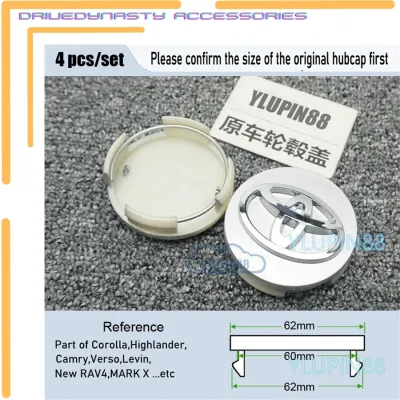
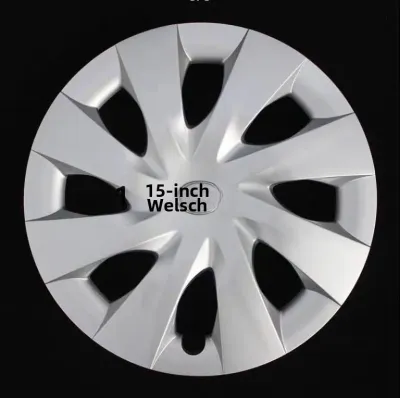
You must also identify whether your Prius is equipped with steel or alloy wheels. Steel wheels are typically black, utilitarian, and require full hubcaps to protect the lug nuts and improve aerodynamics. Alloy wheels, on the other hand, feature a finished metallic design and generally only require small center caps to cover the central hub rather than a full-size wheel cover.
Key Hubcap Specifications Explained
Matching the wheel diameter is the most critical step when selecting a replacement hubcap. Even a minor discrepancy in size will prevent the cover from mounting securely, leading to severe vibrations or causing the hubcap to fly off while driving. A 15-inch wheel will only accept a 15-inch hubcap, and attempting to force an incorrect size will damage the retention clips.

Different hubcaps utilize distinct retention mechanisms to stay attached to the wheel rim. Many original equipment and aftermarket options use snap-on plastic clips reinforced by a circular metal tension ring. The adjustable steel tension ring inside these hubcaps can often be set to different tension levels, which is crucial for ensuring a tight grip on the wheel lip and preventing loss on uneven road surfaces.
Proper alignment with the wheel’s valve stem is essential during selection and installation. A compatible hubcap must feature a dedicated cutout that aligns perfectly with the valve stem, allowing unobstructed access for tire inflation. If the cutout does not align, the hubcap will not seat flush against the wheel lip, compromising its security and potentially damaging the valve stem over time.
How to Verify Fitment Before Buying
Before purchasing a replacement, check the back of your existing original equipment manufacturer (OEM) hubcap if you still have one. Manufacturers typically stamp the exact part number, wheel size, and material codes directly onto the plastic interior. Searching for this exact part number online or presenting it to an authorized parts dealer ensures you receive a component with the correct clip configuration and aerodynamic profile.
When browsing aftermarket options on an online marketplace, look for listings that explicitly state compatibility with your specific Prius generation and trim level. Because body styles and wheel designs changed significantly across different production years, generic descriptions can be highly misleading. Verify that the seller lists your exact model year in their compatibility matrix.
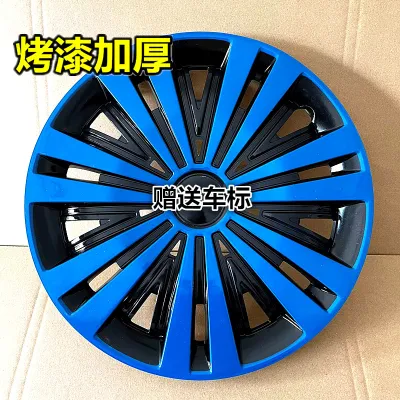
Be cautious of products marketed as “universal” or “one-size-fits-all” wheel covers. These options often lack the precise clip placement and contour matching required for the unique profile of Prius steel wheels. This mismatch can result in loose fitment, increased wind resistance, and an elevated risk of losing the cover on the highway.
Installation and Safety Checks
Before installing a new hubcap, take the time to prepare the wheel surface. Remove any accumulated road grime, brake dust, and rust from the outer lip of the steel wheel using a stiff brush. A clean surface allows the retention clips to grip the metal rim with maximum friction, reducing the likelihood of slippage.
To install the cover, align the valve stem cutout precisely over the tire’s valve stem. Press the hubcap onto the wheel starting from the bottom, then work your way upward, applying firm and even pressure around the perimeter. You should hear or feel the retention clips snap firmly into place along the rim. Avoid using heavy metal hammers or mallets to force the hubcap onto the wheel, as this can easily crack the plastic clips or damage the finish.
After completing the installation, perform a quick safety check by gently pulling on the edges of the hubcap to ensure it does not wobble. It is highly recommended to take a short drive and inspect the wheels afterward. Verify that the clips have not shifted or vibrated loose during operation, and ensure the cover remains flush against the wheel.
Frequently Asked Questions (FAQ)
Can I use universal hubcaps on a Toyota Prius?
While universal hubcaps are widely available, they often fail to provide a secure fit on a Toyota Prius. The unique aerodynamic design of Prius wheels requires precise clip alignment and a specific center bore clearance. Universal covers may rattle, block the valve stem, or detach easily under highway driving conditions.
Do I need hubcaps if my Prius has alloy wheels?
If your Prius is equipped with factory alloy wheels, you do not need full hubcaps. Alloy wheels are designed to be exposed and are finished for aesthetics and aerodynamics. However, you may still require small, model-specific center caps to protect the central wheel hub and lug nuts from dirt and moisture.
Community discussion
Share your experience or ask a question. Comments are reviewed before publication.