
Finding the perfect full-surround floor mats for your Toyota Camry requires balancing precise cabin geometry, material durability, and driving safety. Because the Camry serves as a premium executive sedan, family car, and popular fleet vehicle in Singapore, its interior experiences diverse wear—from muddy shoes during sudden tropical downpours to high-friction wear under the driver’s heels. There is no single “best” brand for every owner, as the ideal choice depends on your specific Camry generation, your aesthetic preferences, and how you use your vehicle.
To make the right decision, you must evaluate brands using a conditional framework based on your primary driving conditions. If you prioritize odorless, rugged, and highly durable protection that can withstand heavy rain and wet footwear, look for brands specializing in 3D-scanned Thermoplastic Elastomer (TPE) mats. If you want a luxury, executive aesthetic that matches the Camry’s leather upholstery and provides a quieter cabin feel, premium multi-layer synthetic leather (often marketed as 5D or 7D) is the superior choice. For utility-heavy use, heavy-duty deep-dish rubber mats offer excellent liquid containment at a lower price point, though they lack a seamless, integrated look.
Before browsing any brand catalog, you must identify your Camry’s exact model year and generation. The interior layout changed significantly between the XV50 generation (2011–2017), the widely driven XV70 generation (2018–2024), and the newer XV80 hybrid generation (2024+). Because full-surround mats are molded to the precise contours of the floorboards, a mat designed for an XV70 will not fit the revised floorpan of an XV80. Always verify this compatibility first to avoid purchasing a set that compromises safety or coverage.
Products mentioned in this guide

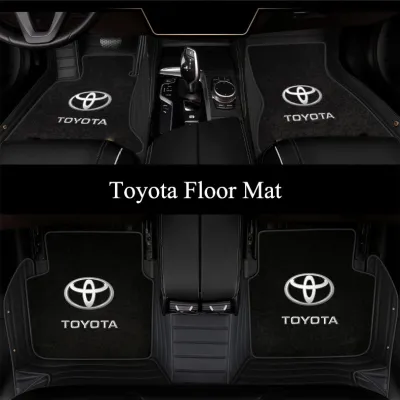
Prices are valid at publication and may change. Please refer to the product page for the latest price.
What Defines a True Full-Surround Mat for the Toyota Camry?
Unlike traditional flat floor mats that only cover the flat footwells, true full-surround floor mats are three-dimensional barrier systems. Often marketed under designators like 3D, 5D, or 7D, these mats feature high lateral walls that climb up the sides of the footwell. A genuine full-surround set covers the driver-side dead pedal, wraps around the sides of the center console, extends high up behind the pedals, and runs deep underneath the front seats to protect the rear passenger footwells.
The Toyota Camry has several interior design characteristics that demand highly precise molding. The driver’s footwell features a distinct dead pedal angle on the left and a floor-mounted (organ-style) accelerator pedal in modern generations like the XV70 and XV80. Additionally, the center console flares outward slightly near the front firewall, and the rear passenger area features a raised center tunnel and under-seat air conditioning vents. A high-quality full-surround mat must contour perfectly around these shapes without blocking air vents or interfering with the seat adjustment rails.
In Singapore’s tropical climate, full-surround coverage is highly practical. High humidity and frequent rain mean that water, mud, and street grime are constantly tracked into the cabin. Standard flat mats allow water to spill over the edges, where it seeps into the factory carpet. Once moisture is trapped underneath a standard mat, the lack of airflow in a closed, hot car creates a breeding ground for mold, mildew, and persistent musty odors. A properly fitted full-surround mat acts as a protective tub, keeping all liquids and dirt completely isolated from the vehicle’s original carpet.
How to Evaluate Fit, Coverage, and Safety
When comparing different brands of full-surround mats, safety must be your absolute priority. Because these mats feature high walls and extended coverage, a poorly manufactured or generic mold can easily shift, warp, or interfere with the driver’s control of the vehicle.

Precision Fit and Pedal Clearance
The most critical safety risk associated with aftermarket floor mats is pedal interference. In the Toyota Camry (specifically the XV70 and XV80 generations), the accelerator pedal is hinged at the floorboard rather than suspended from above. This design means that any mat material extending too close to the base or back of the pedal can prevent it from returning to its idle position, or block it from being fully depressed.
When evaluating a brand, look closely at the driver-side mat’s cutout around the accelerator and brake pedals. High-quality brands use precise 3D laser-scanning technology to map the Camry’s footwell down to the millimeter, leaving a dedicated, unobstructed clearance zone around the pedals. Avoid brands that use generic “universal” templates or thick, puffy leather padding that bunches up near the pedal arms.
Before driving with new mats installed, always perform a physical safety check. With the engine turned off, depress both the accelerator and brake pedals completely to the floorboard. Verify that neither pedal catches on the edge of the mat, rubs against the sidewalls, or feels restricted in its return travel.
Edge Height and Console Coverage
To provide true protection, a full-surround mat must feature high sidewalls—typically ranging from 2 to 4 inches—that hug the contours of the door sills and the center console. These walls must retain their vertical rigidity over time. Low-quality mats often suffer from “edge collapse,” where the sidewalls bow inward, creating unsightly gaps that let dirt fall behind the mat while presenting a tripping hazard for passengers entering the vehicle.
Pay close attention to how the mats fit around the seat rails and the rear center tunnel. The front seat rails of the Camry sit on raised metal brackets; the mat must contour around these brackets without obstructing the forward and backward travel of power-adjustable seats. In the rear, the mat should cover the center hump seamlessly, laying completely flat without lifting or bubbling.
To prevent the mats from sliding forward under foot pressure, they must lock securely to the vehicle’s floor. The driver’s side of the Camry is equipped with factory twist-lock retention anchors. Any reputable floor mat brand must feature matching, built-in retention clips that snap directly onto these factory anchors. On the passenger and rear sides, high-quality mats rely on non-slip backing materials or integrated side clips that tuck securely under the plastic trim of the center console and door sills.
Comparing Material Options Across Popular Brands
The material composition of the floor mats dictates their durability, cleaning requirements, and aesthetic impact on your Camry’s cabin. Most leading brands fall into one of three material categories.
TPE (Thermoplastic Elastomer) Mats
Thermoplastic Elastomer (TPE) has become the gold standard for drivers seeking maximum durability and clean, modern aesthetics. Often manufactured using advanced injection-molding processes, TPE mats are highly flexible yet structurally rigid enough to maintain their high sidewalls over years of heavy use. Unlike cheap rubber or PVC, high-grade TPE is completely odorless, non-toxic, and will not emit unpleasant chemical fumes even when the car is parked under the intense Singapore sun.
TPE mats are ideal for Camry owners who prioritize utility, low maintenance, and a clean, minimalist interior look. They are exceptionally easy to clean—you simply pull them out, hose them down, and wipe them dry. However, TPE mats have a more utilitarian, rubberized texture. They are typically only available in matte black or dark grey, which may not appeal to drivers looking for a plush, traditional luxury cabin feel.
XPE and Synthetic Leather Mats
For those who want to enhance the Camry’s executive sedan identity, synthetic leather mats (often featuring an XPE foam core) offer a highly customized, premium look. These mats usually consist of multiple layers: a top layer of scratch-resistant polyurethane (PU) leather, a middle layer of cushioning XPE (Cross-linked Polyethylene) foam for sound dampening and comfort, and a bottom non-slip layer. They often feature elegant diamond-stitched or quilted patterns that can be color-matched to your Camry’s leather seats.
These mats are highly favored by daily commuters and private-hire drivers because they elevate the cabin’s visual appeal and provide a soft, cushioned feel underfoot. The thick foam layers also help absorb road noise, making the Camry’s hybrid cabin feel even quieter. The main limitation is durability under harsh conditions. The stitching on quilted mats can trap fine dirt and may degrade over time if exposed to constant moisture, mud, or heavy scrubbing with stiff brushes.
Heavy-Duty Rubber and Thermoplastic Blends
Traditional heavy-duty rubber mats rely on thick, heavy vulcanized rubber or dense polymer blends. Instead of high vertical walls, these mats feature deep molded channels, ridges, and perimeter walls designed to trap and hold massive amounts of water, mud, and sand. They are incredibly rugged and virtually indestructible.
These mats are best suited for owners who frequently visit construction sites, beaches, or outdoor recreation areas where heavy debris is common. However, they are heavy and cumbersome to remove for cleaning. They also lack the sleek, high-wall integration of 3D TPE or leather mats, often leaving portions of the vertical carpet exposed. Additionally, lower-tier rubber formulations can emit a strong, persistent rubber odor in hot weather.
| Material Type | Best Use Case | Maintenance Effort | Aesthetic Profile | Durability |
|---|---|---|---|---|
| TPE (Thermoplastic Elastomer) | All-weather protection, daily utility, wet climates | Very Low (Hose off and wipe dry) | Minimalist, modern, clean lines | Exceptional (Resists warping & wear) |
| XPE & Synthetic Leather | Executive commuting, luxury styling, cabin comfort | Moderate (Wipe clean, avoid soaking) | Premium, quilted, luxury look | Moderate (Stitching can wear over time) |
| Heavy-Duty Rubber Blends | Extreme debris, outdoor lifestyles, industrial sites | Moderate (Heavy to lift and wash) | Utilitarian, rugged, industrial | High (Thick and wear-resistant) |
Real-World Value: Price Tiers and Warranty Expectations
When shopping for full-surround floor mats in Singapore, prices vary based on material quality, brand reputation, and whether the mats are locally stocked or shipped directly from overseas. Understanding these tiers helps you set a realistic budget for your Camry upgrade.
- Budget Tier (S$50 to S$90): Typically unbranded or generic multi-layer synthetic leather sets sourced directly from overseas e-commerce marketplaces. While they offer a low entry price, they often suffer from inconsistent fitment, weak retention clips, and a strong chemical odor that takes weeks to dissipate. They rarely come with a warranty.
- Mid-Tier Specialized Brands (S$100 to S$220): This tier includes dedicated regional brands and local automotive accessory labels that specialize in 3D-scanned mats. These products offer excellent fitment, reliable material safety (low or no odor), and proper pedal clearances. They usually come with a 1-year to 3-year warranty against manufacturing defects.
- Premium International Brands (S$250 to S$450+): These are top-tier, globally recognized brands specializing in premium injection-molded TPE or ultra-high-end custom leather mat systems. They offer flawless laser-measured fitment, superior material longevity, and robust local support. These brands often back their products with limited lifetime warranties.
When evaluating a “lifetime warranty,” read the fine print carefully. These warranties typically cover manufacturing defects such as cracking, splitting, or severe warping under normal use. They do not cover normal cosmetic wear and tear, punctures from high heels, damage from chemical spills, or fitment issues resulting from ordering the wrong Camry generation.
Buying from a brand with a local distributor in Singapore offers significant advantages over direct cross-border shipping. If you encounter a fitment issue—such as a mat pressing against your seat rails or a misaligned retention clip—a local distributor can quickly exchange the problematic piece or offer a refund. Resolving fitment issues through international shipping can be costly, slow, and frustrating.
Installation, Maintenance, and Long-Term Care
To ensure your full-surround mats remain safe, functional, and clean over their lifespan, you must follow proper installation and maintenance practices.
When installing your new mats, always follow these steps:
- Remove all existing mats: Take out the factory carpet mats and any other aftermarket liners. Never stack mats, as this prevents the bottom mat from locking onto the factory anchors and can cause the top mat to slide forward, creating a severe pedal obstruction hazard.
- Clean the bare carpet: Thoroughly vacuum the vehicle's original carpet to remove sand, pebbles, and organic debris. If there are any damp spots, let them dry completely to prevent trapping moisture.
- Align and anchor: Place the driver's mat into position, ensuring the factory floor pegs align perfectly with the mat's locking retention clips. Twist the clips into the locked position. Slide the front seats back to easily position the front passenger mat, and slide them forward to install the rear surround mat.
- Verify clearances: Slide the seats through their full range of motion to ensure they do not catch on the mat edges. Double-check pedal clearance by fully depressing the accelerator and brake pedals.
For cleaning, adapt your method to the mat’s material. For TPE mats, remove them from the car, spray them with water, apply a mild car shampoo or dedicated interior cleaner, scrub gently with a soft-bristled brush, rinse, and dry completely with a microfiber towel before reinstallation. For synthetic leather mats, do not soak them or use high-pressure washers, as water can penetrate the stitching and saturate the inner XPE foam. Instead, wipe the surface clean using a damp microfiber cloth and a mild, pH-neutral interior cleaner. Allow them to air-dry in a shaded, well-ventilated area.
As a routine safety habit, check the driver-side mat’s alignment every time you clean your car or after your vehicle has been serviced by a valet or mechanic. Ensure the retention clips are still locked and that the mat has not shifted forward toward the pedals.
Where to Buy and What to Verify Before Checkout
To ensure you receive a genuine product with a valid warranty, purchase your floor mats through reliable retail channels. Look for authorized automotive accessory shops, official brand stores on reputable local e-commerce platforms, or specialized car detailing and accessory workshops located in Singapore’s major industrial hubs (such as Ubi, Toh Guan, or Sin Ming). Buying from established local retailers allows you to physically inspect the material quality and, in many cases, test-fit the mats in your Camry before finalizing the purchase.
Before you complete your purchase, go through this final verification checklist to guarantee a perfect fit:
- Confirm Camry Generation and Model Year: Double-check your vehicle log card or registration details. Ensure the mat listing explicitly matches your Camry's generation (e.g., XV50, XV70, or XV80) and drivetrain (hybrid models sometimes have slightly different floorpan contours near the rear seat due to battery placement).
- Verify Driver-Side Configuration: Singapore is a Right-Hand Drive (RHD) market. Many online listings default to Left-Hand Drive (LHD) configurations. Installing an LHD mat set in an RHD Camry is impossible and highly dangerous, as the pedal cutouts and dead pedal positioning will be completely reversed.
- Check Coverage Inclusions: Confirm that the set includes full coverage for the driver-side dead pedal, wraps around the center console, and includes a single-piece rear mat that covers the center hump.
- Review the Return Policy: Ensure the seller offers a clear return or exchange policy specifically covering fitment issues. If the mat interferes with your pedals or seat rails upon test-fitting, you must be able to return it for a full refund or exchange.
Frequently Asked Questions (FAQ)
Do I need to remove the factory carpet mats before installing full-surround mats?
Yes, you must completely remove all factory carpet mats and any other floor liners before installing your new full-surround mats. Stacking floor mats is highly dangerous. It prevents the primary mat from locking onto the factory floor anchors, causing the entire stack to slide forward under foot pressure. This shifting can easily trap the accelerator or brake pedal, leading to unintended acceleration or a loss of braking control. Stacking also alters the floor height, which can restrict the normal travel of your pedals and seat adjustment rails.
Will full-surround mats block the rear air conditioning vents in my Camry?
High-quality, model-specific full-surround mats designed specifically for the Toyota Camry will not block the rear air conditioning vents. These vents are typically located on the floorboard directly underneath the front driver and passenger seats. Premium brands use precise 3D scans of the Camry’s cabin to design exact cutouts and lower profiles around these vent openings, ensuring unrestricted airflow to the rear passengers. However, low-quality or universal-fit mats often lack these precise cutouts and can block the vents, reducing A/C efficiency and causing air to blow directly under the mat, which can lift it over time.
How do I fix a full-surround mat that has curled up at the edges after being shipped?
If your mats arrive with curled or deformed edges due to tight packaging during shipping, you can easily restore their original shape using gentle heat. Lay the mats flat on a clean surface in a warm, sunny spot for a few hours; the ambient heat will naturally relax the material (especially TPE) back into its molded shape. Alternatively, you can use a household hairdryer on a low, warm setting to gently heat the creased areas from a distance of about 15 to 20 centimeters. Gently mold the warmed material back into place with your hands. Never use high heat, open flames, or heat guns, as extreme temperatures can permanently melt TPE or scorch synthetic leather finishes.

Community discussion
Share your experience or ask a question. Comments are reviewed before publication.