
Quick Answer: What to Look for in Toyota Altis Full-Surround Mats
Selecting the ideal toyota altis floor mat with full-surround coverage requires balancing cabin protection, interior aesthetics, and driver safety. Because the Toyota Corolla Altis is one of the most common passenger sedans on the road, the aftermarket offers a vast array of floor protection options. However, choosing a high-quality full-surround mat involves much more than finding a generic cover that matches the basic shape of your footwells.
To achieve maximum protection, you must evaluate how the mat’s material composition and structural design align with your daily driving habits and the local climate. A true full-surround mat must provide comprehensive coverage of the driver’s dead pedal, the high-walled sides of the center console, and the entire rear passenger floor hump without shifting. Crucially, this coverage must never compromise safety. The mat must feature precise clearances around the accelerator and brake pedals, align perfectly with the factory floor retention anchors, and allow the front seats to slide freely along their tracks.
Ultimately, the best protection depends on matching the mat’s construction—such as custom-molded thermoplastic elastomers (TPE) or tailored synthetic leather with a cross-linked polyethylene (XPE) foam core—to your specific environmental demands and maintenance preferences. While TPE offers unmatched water resistance and durability for wet weather, synthetic leather provides a premium, cushioned feel that elevates the cabin’s visual appeal.
Products mentioned in this guide
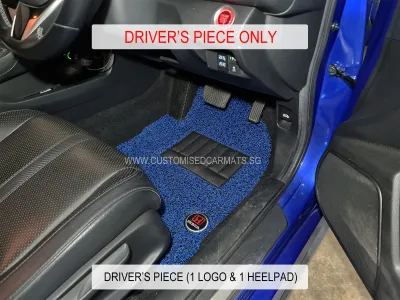
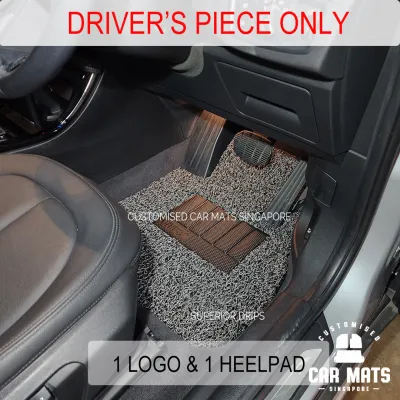
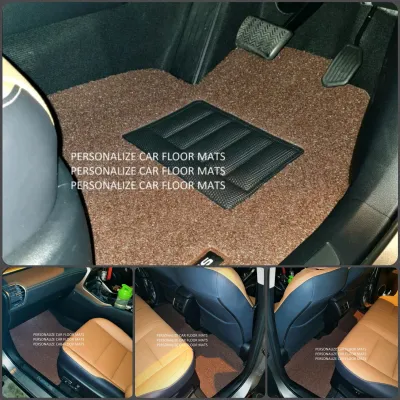
Prices are valid at publication and may change. Please refer to the product page for the latest price.
Verifying Fitment Precision and Safety Clearances
When evaluating full-surround floor mats for your Toyota Altis, fitment precision is the single most critical factor for both cabin preservation and driving safety. Unlike standard flat mats, full-surround designs feature high vertical walls that extend upward along the footwell boundaries. While this design provides superior protection against dirt and liquid spills, it requires absolute geometric compatibility with the vehicle’s floor pan to prevent mechanical interference.

Understanding the Altis Cabin Geometry
The Toyota Altis has evolved through several generations, with the 11th-generation (E170) and 12th-generation (E210) models being highly prevalent. Each generation features distinct floor pan contours, seat rail designs, and anchor point configurations. For instance, the E210 generation, built on the Toyota New Global Architecture (TNGA) platform, features a different floor profile and lower seat mounting positions compared to the older E170 platform.
A true full-surround mat must be engineered to accommodate these specific structural nuances. Key areas of focus include:
- The Driver's Dead Pedal: The mat must fully cover the footrest on the left side of the driver's footwell without lifting or creating an air gap underneath. A loose fit in this area can cause the mat to sag, catching the driver's foot when transitioning to the brake pedal.
- The Rear Passenger Floor Hump: The center transmission tunnel in the rear seat row varies in height and width between generations. The rear mat must drape perfectly over this hump without bunching, bubbling, or sliding when passengers enter and exit the vehicle.
- The Fuel Lid Release Lever: Located on the floor to the right of the driver's seat, this lever must remain fully accessible and unobstructed by the mat's side walls.
Critical Safety Verification Points
The primary safety hazard associated with poorly fitting aftermarket floor mats is pedal entrapment. A mat that is too thick, lacks structural rigidity, or shifts forward can catch the lower edge of the accelerator or brake pedal, leading to unintended acceleration or restricted braking force.
To prevent these dangerous scenarios, you must verify the following clearances before and after installation:
- Pedal Travel Clearance: The accelerator pedal on the Altis is suspended from the firewall. There must be a clear gap of at least several centimeters between the fully depressed pedal and the surface of the floor mat. The mat must not feature thick ridges or deep channels directly beneath the pedal's path of travel.
- Brake Pedal Path: The brake pedal requires unobstructed travel to its maximum depression point. Ensure the mat's vertical walls near the center console do not bulge outward, which could catch the side of your shoe during emergency braking.
- Factory Anchor Compatibility: The driver's side floor of the Toyota Altis is equipped with rotating plastic retention clips. High-quality aftermarket mats must feature matching reinforced grommets that lock securely onto these factory anchors. Never install a mat that bypasses or covers these retention points, as it will inevitably slide forward under foot pressure.
Identifying 3D Laser-Scanned vs. Universal Fit Listings
When shopping for a toyota altis floor mat, pay close attention to how the manufacturer establishes fitment. Avoid listings labeled as “universal fit” or “semi-custom” that require manual trimming with scissors. These mats lack the structural rigidity required for high-walled protection and often fail to align with the Altis’s anchor clips.
Instead, look for manufacturers that utilize 3D laser scanning technology. This process captures the exact digital topology of the Altis cabin floor, ensuring that every curve, contour, and clip location is replicated in the molded mat. Always cross-reference the product listing with your vehicle’s specific model year and chassis code (e.g., E170 vs. E210) rather than relying on a generic “Toyota Altis” label.
Seat Rail and Air Vent Obstructions
The front seats of the Toyota Altis slide along metal tracks that are bolted directly to the floor pan. Full-surround mats must sit low enough along the sides of these tracks to avoid interfering with the manual or power seat adjustment mechanisms. If the mat’s edge is too high or thick, the seat rail can catch the material, causing damage to the mat or jamming the seat.
Additionally, the Altis features rear passenger air conditioning vents located on the floor underneath the front seats. The rear portion of a full-surround mat must not block these vents. Obstructing these openings restricts climate control airflow to the rear cabin, which is highly undesirable in hot, tropical climates.
Material Comparison: TPE vs. Synthetic Leather with XPE Foam
The material composition of your floor mats dictates their durability, aesthetic appeal, maintenance requirements, and overall longevity. The aftermarket for full-surround Altis mats is dominated by two primary material categories: Thermoplastic Elastomers (TPE) and multi-layer Synthetic Leather with a cross-linked polyethylene (XPE) foam core.
Thermoplastic Elastomer (TPE) Mats
TPE is a highly advanced polymer blend that combines the physical durability and flexibility of rubber with the chemical stability and recyclability of plastics. These mats are typically manufactured using high-pressure injection molding, resulting in a precise, rigid, yet flexible three-dimensional structure.
Key Advantages of TPE:
- Waterproof and Chemical Resistance: TPE is entirely non-porous. It does not absorb water, mud, oil, or spilled beverages, making it highly resistant to staining and liquid damage.
- Extreme Temperature Stability: TPE retains its shape and flexibility across a wide temperature range. It will not curl, crack, or harden, even when exposed to intense cabin heat under direct sunlight.
- Odorless and Non-Toxic: High-quality TPE mats do not contain harmful plasticizers or volatile organic compounds (VOCs), ensuring they remain completely odorless even in hot weather.
- Effortless Maintenance: Cleaning TPE mats is remarkably simple. They can be removed from the vehicle, hosed down with water, scrubbed with mild soap, and dried in a matter of minutes.
Limitations of TPE:
- Utilitarian Aesthetic: TPE mats generally feature a matte, rubberized finish with deep utilitarian channels. While clean and modern, they do not offer the plush, luxury appearance that some drivers prefer for their vehicle interiors.
- Firmness Underfoot: Because TPE is designed for structural rigidity, it lacks the cushioned, soft feel of padded textile or leather mats.
Synthetic Leather with XPE Foam Core
Multi-layer synthetic leather mats are designed to provide a premium, luxury aesthetic. These mats typically feature a top layer of polyurethane (PU) or polyvinyl chloride (PVC) synthetic leather, decorated with quilted or diamond-stitched patterns. Beneath the leather surface lies a core of XPE foam, a closed-cell material that provides cushioning and structural shape, backed by an anti-slip grip layer.
Key Advantages of Synthetic Leather with XPE:
- Premium Interior Finish: The quilted leather texture elevates the visual appeal of the Altis cabin, matching the luxury feel of leather seats and door inserts.
- Cushioned Comfort: The XPE foam core provides a soft, cushioned feel underfoot, reducing leg fatigue during long drives.
- Acoustic Dampening: The multi-layer construction, particularly the closed-cell XPE foam, acts as a minor sound barrier, absorbing a portion of the road and tire noise transmitted through the vehicle's floor pan.
Limitations of Synthetic Leather with XPE:
- Vulnerability of Stitching: The diamond patterns on these mats are held together by thread stitching. These needle punctures create pathways for water, mud, and spilled liquids to seep into the inner foam layers. Over time, trapped moisture can lead to bacterial growth, mold, and persistent musty odors.
- Wear on High-Friction Areas: The driver's heel constantly rubs against the mat when operating the pedals. Without a reinforced metal or heavy-duty plastic heel pad, the synthetic leather surface can quickly scuff, tear, or wear through.
- Complex Cleaning: Synthetic leather mats cannot be easily hosed down or soaked. They require careful surface cleaning to prevent water from penetrating the seams.
Material Evaluation Criteria
When selecting between these materials, look beyond basic marketing terms like “premium” or “eco-friendly.” Check the manufacturer’s technical specifications for:
- Material Purity: Ensure TPE mats are made from 100% virgin TPE rather than recycled TPE blends, which may contain impurities that compromise strength and odor resistance.
- Backing Type: Verify that synthetic leather mats utilize a high-quality max-spider or hook-and-loop backing rather than simple plastic nibs, which can damage the vehicle's factory carpet over time.
Assessing Finish, Edge Containment, and Daily Usability
Beyond the raw material choice, the daily usability of a toyota altis floor mat depends heavily on its edge design, securement mechanisms, and environmental performance in real-world driving conditions.
Edge Height and Spill Containment
In regions characterized by tropical climates and frequent heavy downpours, such as Singapore, drivers and passengers frequently carry significant amounts of water, mud, and road grit into the vehicle. The primary defense against this debris is the mat’s vertical edge walls.
The perimeter walls of a full-surround mat should ideally stand between 3 and 5 centimeters high. This height is sufficient to contain liquid spills, melted ice from cold drinks, and rainwater without allowing them to overflow onto the vehicle’s factory carpet. However, these walls must be structurally rigid enough to stand upright over years of use. Cheap, thin mats often suffer from edge curling, where the vertical walls fold inward, letting dirt slip underneath and creating an unsightly appearance.
Furthermore, the edges must press flush against the plastic door sills and center console trim. Any gaps will allow fine dust, sand, and small debris to accumulate behind the mat, where they can grind against the factory carpet and cause premature wear.
Anti-Slip Backing and Retention Mechanisms
A floor mat that slides or bunches up during driving is a severe safety hazard. The driver’s side mat must be anchored securely to prevent any movement.
- Factory Clip Alignment: Ensure the mat features robust, integrated locking rings that snap directly onto the Toyota Altis's factory floor clips. These clips are designed to keep the mat anchored under heavy foot movement.
- Under-Mat Friction: The backing of the mat must feature an aggressive friction layer. High-quality mats utilize a patented fiber structure (often referred to as "max-spider" backing) that grips the factory carpet fibers like hook-and-loop fasteners without damaging them. Avoid smooth plastic backings, which slide easily on carpet.
- Velcro Fasteners: Some full-surround designs include adhesive-backed Velcro tabs that attach to the plastic trim panels of the center console and door sills. This helps keep the high vertical walls flush against the interior panels, preventing them from sagging over time.
Odor, Off-Gassing, and Cabin Air Quality
The interior of a vehicle parked under direct sunlight can quickly reach temperatures exceeding 60 degrees Celsius. Under these extreme conditions, low-quality plastics, synthetic leathers, and adhesives can undergo thermal degradation, releasing volatile organic compounds (VOCs) into the enclosed cabin.
This off-gassing process manifests as a strong, unpleasant chemical smell and can leave a greasy residue on the inside of your windshield. More importantly, inhaling these fumes can cause headaches, dizziness, and respiratory irritation.
When choosing a floor mat, prioritize brands that carry safety certifications such as SGS, RoHS, or OEKO-TEX. These certifications verify that the materials used are free from harmful heavy metals, phthalates, and toxic fire retardants, ensuring the air quality inside your Altis remains safe for you and your passengers.
Decision Framework: Matching Materials to Your Driving Habits
To determine which full-surround floor mat design is best suited for your Toyota Altis, consider your daily routine, passenger load, and maintenance preferences. Use the following guidelines to make an informed decision.
Choose Custom-Molded TPE If:
- You Prioritize Durability and Low Maintenance: If you want a set-and-forget solution that can withstand years of heavy use without showing wear, TPE is the superior choice.
- You Face Frequent Wet Weather: If you regularly drive during rainy seasons, carry wet umbrellas, or transport passengers with wet shoes, TPE's absolute waterproof containment is essential.
- You Have a Busy Family or Transport Pets: TPE is highly resistant to food spills, muddy paws, and pet hair, all of which can be easily washed away with a hose.
- You Use Your Altis for Commercial Services: For private-hire drivers, the constant ingress and egress of passengers demand a rugged, easily sanitized floor surface that resists wear and tear.
Choose Tailored Synthetic Leather If:
- You Desire an Executive, Premium Aesthetic: If you want to enhance the interior styling of your Altis to match its leather upholstery and soft-touch dashboard trim, the quilted leather look is unmatched.
- You Prioritize Cabin Comfort and Quietness: The cushioned feel of XPE foam is highly comfortable underfoot, and the sound-dampening properties help create a quieter, more refined driving environment.
- You Maintain a Meticulously Clean Cabin: If you rarely eat or drink in your vehicle, clean your car regularly, and primarily deal with dry dust and light shoe scuffs, synthetic leather will perform beautifully.
Pre-Purchase Verification Checklist
Before finalizing your purchase from any online marketplace or local automotive accessory shop, run through this quick verification list:
- Chassis Code Verification: Confirm whether the mats are designed for the E140, E170, or E210 generation of the Toyota Altis. A mat designed for a 2016 Altis will not fit a 2022 model correctly.
- Anchor Point Photos: Look for clear product photos showing the driver's side mat with the correct factory anchor hole placements.
- Return and Exchange Policy: Ensure the seller offers a straightforward return or exchange policy. Because full-surround mats rely on absolute precision, you must have the option to return them if you encounter minor fitment issues during installation.
Installation Safety Checks and Routine Maintenance
Proper installation and regular maintenance are essential to ensure your full-surround floor mats remain safe, functional, and visually appealing throughout their lifespan.
Safety First: The Golden Rule of Floor Mats
Before installing your new full-surround mats, you must observe one critical safety rule: Never layer floor mats.
- Remove Existing Mats: Always remove the factory carpet mats, all-weather rubber mats, or any other floor coverings from the vehicle before installing your new full-surround mats. Layering mats reduces the clearance between the floor and the pedals, significantly increasing the risk of pedal entrapment.
- Direct Carpet Contact: The new mats must sit directly on the vehicle's factory floor carpet to allow the anti-slip backing to grip properly and to ensure the factory retention clips can lock securely.
Post-Installation Safety Check
Once the mats are installed, perform the following safety checks while the vehicle is parked and the engine is turned off:
- Full Pedal Depression: Manually press the accelerator pedal and the brake pedal completely to the floor. Verify that neither pedal contacts, rubs, or catches on any part of the mat.
- Seat Rail Clearance: Slide both front seats fully forward and fully backward. Ensure the seats move smoothly along their tracks without catching, folding, or crushing the edges of the mats.
- Steering Column Check: If your Altis has a steering column shaft that extends near the driver's footwell, ensure the top edge of the mat does not interfere with its rotation.
Routine Maintenance and Cleaning Guidelines
To preserve the appearance and structural integrity of your mats, follow these material-specific cleaning practices:
For Thermoplastic Elastomer (TPE) Mats:
- Removal: Unlock the factory clips and carefully lift the mats out of the vehicle to avoid spilling accumulated dirt onto the carpet.
- Washing: Spray the mats with water. For stubborn grime, use a soft-bristled brush and a mild dish soap or dedicated car wash shampoo.
- Drying: Rinse thoroughly and allow the mats to dry completely in a shaded, well-ventilated area before reinstalling. Avoid leaving them in direct, intense sunlight for extended periods to prevent unnecessary heat stress.
For Synthetic Leather Mats:
- In-Car Cleaning: Do not remove these mats for wet washing. Instead, vacuum the surface to remove loose dirt and debris.
- Wiping: Wipe the synthetic leather surface with a clean, damp microfiber cloth. For deeper cleaning, use a mild interior cleaner or a highly diluted, pH-neutral leather cleaner.
- Drying: Wipe the mats dry immediately with a clean towel. Ensure the stitched seams are completely dry to prevent moisture from seeping into the XPE foam core.
- What to Avoid: Never use high-pressure washers, harsh chemical solvents, bleach, or abrasive scrubbing brushes on synthetic leather mats. These will strip the protective polyurethane coating, degrade the stitching, and damage the underlying foam structure. Additionally, avoid applying silicone-based dressings or tire shines, which will make the surface dangerously slick and slippery.

Community discussion
Share your experience or ask a question. Comments are reviewed before publication.