
Selecting the right tire protection method is a crucial step in maintaining both the appearance and longevity of your vehicle’s rubber. The ideal choice depends entirely on whether you prioritize long-term durability, a deep cosmetic shine, or quick maintenance effort. While traditional tire waxes, such as Soft99 tire wax, offer a balanced approach with classic detailing appeal and solid water repellency, ceramic coatings provide extended chemical bonding, and tire dressings deliver immediate visual enhancement. This guide compares these three categories across durability, appearance, application effort, and cost to help you choose the right solution for your vehicle maintenance routine.
Understanding Tire Wax, Ceramic Coating, and Tire Dressing
To make an informed decision, you must first understand the fundamental chemical and physical differences between these three protection categories. Each product type interacts with tire rubber in a distinct way, altering both the surface characteristics and the level of protection provided.
Tire wax is a traditional protectant formulated with natural or synthetic waxes, often blended with silicone or polymers. Products like Soft99 tire wax are typically paste or thick liquid formulas designed to fill the microscopic pores of the rubber. By creating a physical, hydrophobic barrier, tire wax repels water, road grime, and dust, giving the tire a deep, natural black finish that resists wash-off better than basic dressings.
Products mentioned in this guide
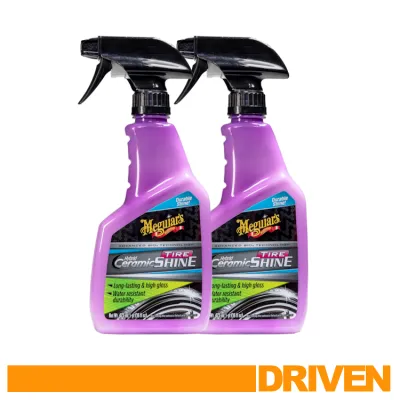
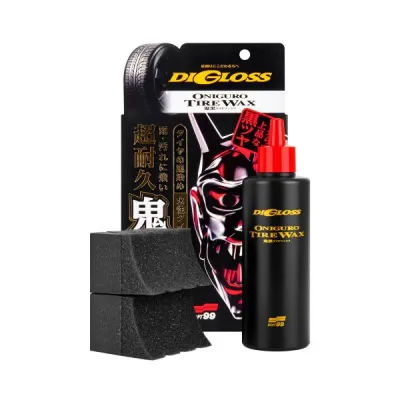
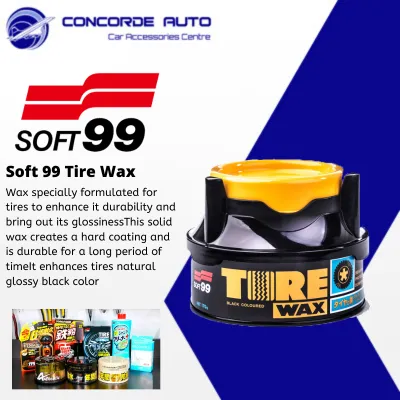
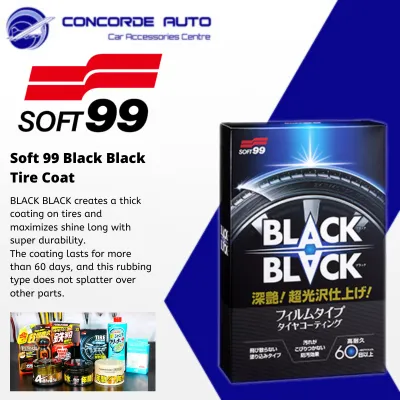
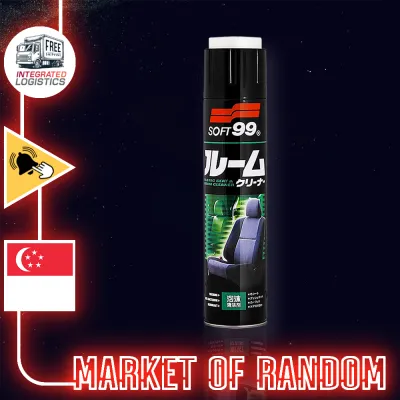
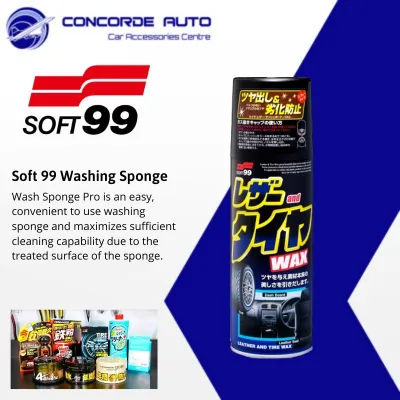
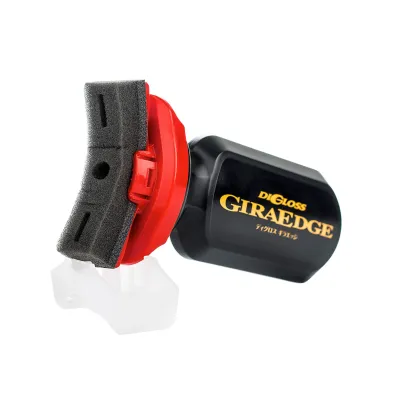
Prices are valid at publication and may change. Please refer to the product page for the latest price.
Ceramic coatings represent a more modern, chemical-bonding approach to tire care. These liquid formulas contain silica (SiO2) or graphene-based compounds that chemically bond with the rubber molecules on the tire sidewall. Once cured, a ceramic coating forms a semi-permanent, highly flexible, and hard protective layer. This shield is exceptionally hydrophobic and resists chemical degradation from road salt, harsh detergents, and environmental acids.
Tire dressings are primarily cosmetic enhancers designed for immediate visual impact. They are widely available in two main formulations: water-based and solvent-based. Water-based dressings use silicone oils suspended in water to deliver a natural, satin-like sheen, making them gentle on rubber. Solvent-based dressings use chemical solvents to suspend the silicone, resulting in a high-gloss, “wet” look that typically lasts longer but requires careful application to avoid rubber degradation over time.
Comparing Durability and Environmental Resistance
Evaluating how long a tire protectant lasts requires looking past marketing claims and understanding how environmental factors interact with the product’s chemistry. Because tires are constantly flexing and contacting road debris, any protective layer faces extreme physical stress.

When choosing a product, always check the manufacturer’s label for specific longevity guidelines and recommended reapplication intervals. Traditional tire waxes and high-quality solvent-based dressings generally offer moderate durability, often lasting through several wash cycles or a few weeks of regular driving. Ceramic coatings, by contrast, are engineered for long-term performance, frequently maintaining their protective properties for several months before requiring a top-up.
Environmental conditions play a massive role in how quickly these products degrade. In tropical climates like Singapore, tires are subjected to intense UV radiation, high humidity, and sudden, heavy downpours. These factors, combined with road grime and the harsh alkaline pre-soaks used in automated car washes, rapidly break down the weak molecular bonds of standard dressings and waxes. Ceramic coatings resist these environmental stressors much more effectively due to their cured chemical bond.
You can easily identify when a product has worn off by observing specific visual cues. A loss of water beading during rain or washing is the most immediate sign that the protective barrier has degraded. Other indicators include a fading of the deep black color, a return to a dull grey appearance, or the rapid accumulation of brown road dust and brake grime on the sidewall.
Evaluating Appearance: Wet Shine vs Natural Finish
The visual outcome of your detailing work is highly subjective, and different products cater to distinct aesthetic preferences. Choosing the right finish involves balancing the level of gloss against the overall style of your vehicle.
Solvent-based tire dressings and certain glossy waxes are famous for producing a high-gloss, “wet” look that makes tires stand out immediately. This ultra-shiny finish is highly popular among car enthusiasts preparing for shows or events. On the other hand, ceramic coatings and premium water-based dressings typically deliver a clean, satin, or OEM-style matte finish. This subtle look restores the tire to its original factory appearance without looking artificially greasy.
A common issue with high-gloss dressings is product “sling,” which occurs when excess wet product is thrown off the spinning tire onto the vehicle’s freshly washed paintwork. The risk of sling is directly related to the product’s viscosity and your application technique. Waxes and ceramic coatings dry or cure completely dry to the touch, virtually eliminating the risk of sling, whereas wet dressings must be thoroughly buffed or allowed to dry completely before driving.
Different tire brands and models feature unique sidewall textures, raised lettering, and rubber compounds. Some tires contain higher levels of antiozonants, which naturally migrate to the surface and cause a brown discoloration known as blooming. Tire waxes and ceramic coatings can help mask this browning more effectively than thin water-based dressings, providing a more uniform appearance across complex sidewall designs.
Assessing Application Effort and Preparation
The time and effort you are willing to invest in your detailing routine should heavily influence your choice of tire protection. The preparation required for each product type varies significantly, directly impacting the success of the application.
Ceramic coatings demand the most rigorous preparation. Because the coating must chemically bond with the rubber, the tire sidewall must be completely free of old dressings, road oils, and mold release agents. This requires deep cleaning with a dedicated tire cleaner or a strong degreaser, stiff-bristled brushes, and multiple rinse cycles until the scrubbing foam runs completely white. The tire must also be completely dry before application, as moisture will interfere with the curing process.
Applying tire wax, such as Soft99 tire wax, requires a moderate amount of physical effort. You must apply the paste or thick liquid evenly using a foam applicator pad, working it into the tire’s lettering and textures, and then buff off any excess with a clean microfiber towel. Tire dressings are by far the easiest to apply, often requiring a simple spray-and-wipe or swipe-on application with a foam block, making them ideal for quick maintenance sessions.
Routine maintenance washing also differs depending on the protection method used. Coated tires are incredibly easy to clean, as dirt and brake dust cannot easily adhere to the hydrophobic ceramic layer; a simple rinse with water or a mild car shampoo is often all that is needed. Waxes and dressings require gentler cleaning methods to avoid stripping the protective layer prematurely, meaning you should avoid harsh acid-based wheel cleaners during your weekly wash.
Weighing Cost and Long-Term Value
When evaluating the financial aspect of tire care, it is important to look beyond the initial purchase price of the bottle and consider the long-term value and frequency of use.
In Singapore, consumer-grade tire care products span a wide price range. Quality water-based tire dressings and traditional tire waxes typically cost between S$15 and S$40 per bottle or can. DIY ceramic tire coating kits are a more significant upfront investment, generally ranging from S$40 to S$80 or more, depending on the brand and the inclusion of specialized prep cleaners.
To find the true value, focus on the cost-per-application and the estimated annual maintenance cost. A single can of high-quality tire wax or a bottle of concentrated dressing can easily last for dozens of applications, making the cost per individual use incredibly low, even if you apply it every two weeks. A ceramic coating kit may only contain enough product for one or two vehicles, but because the protection lasts for months, you buy the product far less frequently.
Do not forget to account for the potential hidden costs of application accessories. Ceramic coatings often require specialized prep sprays, multiple high-quality microfiber towels that must be discarded after use (as cured ceramic ruins the fibers), and dedicated applicator pads. Waxes and dressings can usually be applied with basic, reusable foam applicators and standard detailing towels, keeping accessory costs to a minimum.
Decision Framework: Choosing Your Ideal Tire Protection
To help you select the best method for your vehicle, consider how your detailing priorities, available time, and budget align with each product category.
Use this conditional framework to guide your choice:
- Choose tire wax if you enjoy the hands-on detailing process, appreciate a classic deep-satin finish, and want a reliable, water-repellent barrier that offers excellent value for money.
- Choose ceramic coating if you prefer a low-maintenance, "set-and-forget" solution, desire a clean OEM-style matte finish, and want to make routine washing as quick and effortless as possible.
- Choose tire dressing if you want immediate, high-gloss visual results with minimal preparation time, making it perfect for quick touch-ups before a weekend drive or car meet.
The table below summarizes how these three methods compare across key decision factors:
| Decision Factor | Tire Wax (e.g., Soft99) | Ceramic Coating | Tire Dressing |
|---|---|---|---|
| Primary Benefit | Balanced protection & classic shine | Long-term durability & easy cleaning | Immediate cosmetic enhancement |
| Typical Finish | Deep satin to moderate gloss | Natural satin / OEM matte | High gloss (solvent) to satin (water) |
| Prep Requirement | Thorough wash and dry | Deep degreasing & chemical prep | Basic wash and dry |
| Application Method | Manual wipe and buff | Precise wipe, cure time required | Spray or swipe on |
| Relative Cost | Moderate upfront, high yield | Higher upfront, low frequency | Low upfront, high frequency |
Before purchasing any product, always verify compatibility with your specific tire manufacturer’s guidelines or warranty terms. Some high-performance tire brands or specialized fleet vehicles have specific recommendations regarding the use of solvent-based chemicals on their rubber compounds.
Frequently Asked Questions (FAQ)
Can I apply tire dressing over a ceramic tire coating?
Applying a traditional tire dressing over a cured ceramic tire coating is generally not recommended and is often redundant. The highly hydrophobic surface of a ceramic coating is designed to repel liquids, meaning water-based dressings will struggle to adhere properly, leading to pooling, uneven coverage, or immediate product sling when you drive. If you want to adjust the gloss level of a coated tire, it is best to use a dedicated ceramic-compatible top coat recommended by the manufacturer. If you have accidentally applied a dressing over your coating and notice a greasy buildup, wash the tire thoroughly with a mild, pH-neutral car shampoo and a soft brush to safely restore the coating’s original finish.
Do these products prevent tire dry rot and cracking?
It is important to manage your expectations regarding what surface-level tire protectants can achieve. While some high-quality tire waxes and dressings contain UV blockers that can help slow down surface oxidation and fading, they cannot prevent or reverse structural dry rot. Dry rot and cracking are typically caused by the natural aging of the rubber compound, prolonged exposure to direct sunlight, underinflation, or leaving a vehicle stationary for extended periods. The primary defense against sidewall cracking is proper tire maintenance: keep your tires inflated to the manufacturer’s recommended pressure, park in shaded or covered areas whenever possible, and drive your vehicle regularly, as the physical flexing of the tire helps distribute the rubber’s built-in anti-aging chemicals to the surface.

Community discussion
Share your experience or ask a question. Comments are reviewed before publication.