
When you discover a nail in your tire or notice a gradual loss of air pressure, your immediate concern is whether you can resolve the issue quickly or if you are facing the expense of a brand-new tire. Tire repair glue, often referred to as vulcanizing cement, is a common tool in emergency repair kits, but it is not a universal cure for all tire damage. Understanding the precise limits of this adhesive is essential for maintaining road safety and preventing dangerous tire blowouts.
Deciding between a quick adhesive repair and a complete tire replacement requires a careful assessment of the damage location, the size of the puncture, and the overall condition of the tire. While a minor puncture in the center of the tread can often be safely sealed, damage to other areas of the tire compromises its structural integrity beyond what any glue can restore. This guide provides a clear framework to help you evaluate your tire, apply repair adhesives safely when appropriate, and recognize when a professional replacement is the only responsible choice.
Identifying Repairable Punctures and Damage Types
To determine if tire repair glue is a viable solution, you must first locate the exact position of the puncture. Tires are engineered with different zones, and only the central tread area is structurally suited for repairs. This zone is generally defined as the portion of the tread that lies between the outermost circumferential grooves, excluding the shoulder blocks and the sidewall. In this central region, the tire is reinforced with heavy steel belts and fabric plies, providing a stable foundation that can support a repair without flexing excessively under load.
Products mentioned in this guide
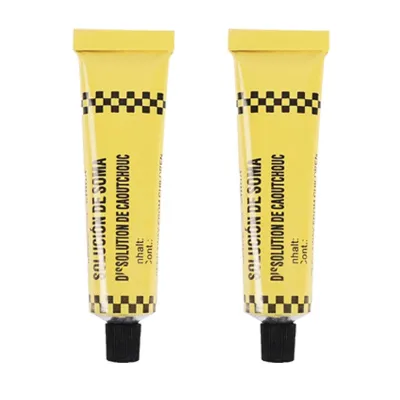
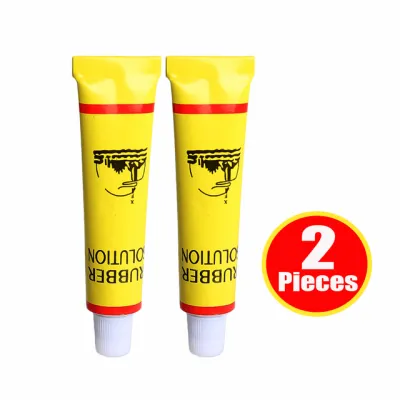
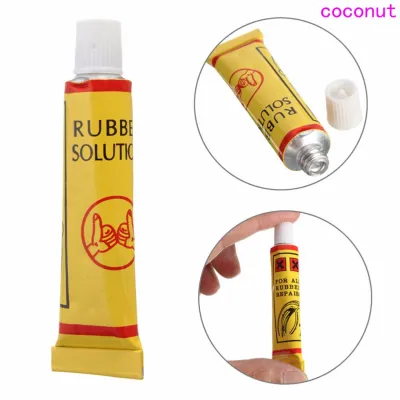
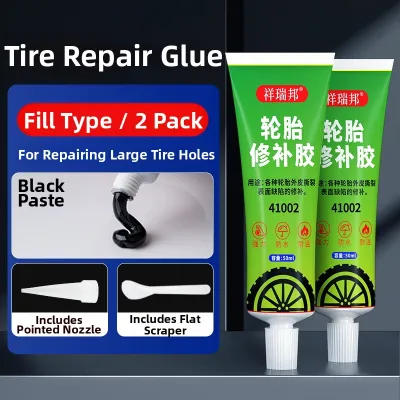
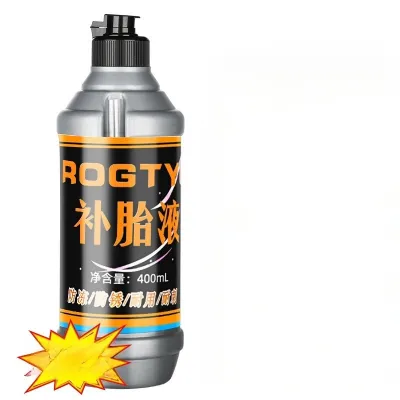
![[Large Bottle 50g Welding Agent] Quick-Drying Strong Glue Glass Welding Handcraft Plastic Multi-Functional Tire Repair Transparent Agent](https://img.lazcdn.com/g/p/e9817f0c4bd4fd6bb0037a24c7aa0b50.jpg_webp_400x400q80.jpg_.webp)
Prices are valid at publication and may change. Please refer to the product page for the latest price.
The size of the puncture is another critical factor that dictates whether a repair is safe. You must consult the specific tire manufacturer’s guidelines to determine the maximum allowable repair size, as limits can vary depending on the tire’s speed rating and construction. Generally, very small punctures caused by thin nails, screws, or wire are potential candidates for repair. However, if the puncture exceeds the manufacturer’s specified limit, the structural cords within the tire have likely been severed, rendering the tire unsafe for repair regardless of the adhesive used.
The nature of the puncture also determines its repairability. Clean, straight punctures that penetrate the tire at a right angle are the easiest to seal because they leave a well-defined channel that can be filled and bonded. In contrast, jagged tears, angled cuts, or punctures caused by irregular debris compromise a larger surface area of the inner liner. If the inner liner is torn or shredded, it cannot maintain an airtight seal, and the risk of air migrating into the tire plies increases, which can lead to tread separation over time.
Recognizing Damage That Requires Full Tire Replacement
Certain types of tire damage are completely non-repairable and require immediate tire replacement to ensure your safety on the road. The most critical area where repairs are strictly prohibited is the sidewall and the shoulder of the tire. The sidewall is designed to flex continuously as the tire rotates, absorbs impacts, and supports the vehicle’s weight. This constant flexing generates significant heat and prevents tire repair glue or plugs from maintaining a secure bond, leading to a high risk of sudden, catastrophic tire failure.

Large gashes, deep cuts, and blowouts also fall into the category of irreparable damage. When a tire suffers a large cut or a blowout, the internal steel belts and polyester cords are torn apart, permanently destroying the tire’s structural carcass. No adhesive or external plug can restore the tensile strength of these internal components. Attempting to patch or glue such damage is extremely hazardous, as the tire can easily rupture under the pressure of driving, especially at highway speeds.
Run-flat tires require special consideration when assessing damage. These tires are constructed with heavily reinforced sidewalls that allow you to continue driving for a limited distance at reduced speeds after a loss of inflation pressure. However, driving on a run-flat tire with zero air pressure subjects the internal structure to extreme stress and heat buildup. Many tire manufacturers strictly prohibit repairing run-flat tires once they have been driven in a deflated state, as the internal integrity of the sidewall may be severely compromised without showing visible external damage.
Additionally, you must replace any tire that has already undergone multiple repairs in close proximity or has overlapping repair zones. Most manufacturers specify a minimum distance that must be maintained between separate repairs to prevent weakening a specific section of the tire. Furthermore, if a tire’s remaining tread depth is near or below the legal limit, or if the tire shows signs of uneven wear, dry rot, or aging, attempting a repair is not advisable. In these cases, investing in a new tire is the only way to ensure proper traction and safety.
How to Assess the Puncture and Apply Tire Repair Glue
Before attempting any repair, you must conduct a thorough visual and tactile inspection of the tire. Begin by safely parking the vehicle on a flat, level surface, engaging the parking brake, and raising the vehicle with a jack if necessary to gain clear access to the tire. Inspect the entire tread surface for embedded objects, cuts, or unusual wear. To locate a slow leak, you can spray a mixture of mild soap and water onto the tire; the escaping air will create visible bubbles, marking the exact location of the puncture.
Once you have identified the puncture, carefully assess the angle of the entry. If the nail or screw entered the tire at a sharp angle, the damage to the internal structure may be offset from the external entry point. It is important to understand that DIY tire repair glue and external plug kits are generally intended as temporary, emergency solutions to get you to a service center. A permanent, professional repair requires removing the tire from the wheel rim to inspect the inner liner and applying an internal patch-plug combination that seals both the puncture path and the inner liner.
If you are using an emergency roadside kit that utilizes tire repair glue, you must strictly follow the instructions on the product label. Start by preparing the puncture channel using the reaming tool provided in the kit to clean out any dirt, rust, or loose rubber. Apply a generous amount of the vulcanizing cement to the reamer and insert it into the hole to coat the interior walls of the puncture. Next, apply the glue to the repair plug or patch, insert it into the puncture using the insertion tool, and allow the adhesive to cure for the exact duration specified by the manufacturer.
After the curing process is complete, trim any excess plug material flush with the tire tread to prevent it from catching on the road surface. Re-inflate the tire to the vehicle manufacturer’s recommended pressure, which can be found on the tire information placard on the driver’s door jamb or in the owner’s manual. Finally, spray the repaired area with soapy water once more to verify that the leak has been completely sealed before attempting to drive the vehicle.
Safety Limits and When to See a Professional Tire Technician
While DIY repair kits can be highly convenient in an emergency, you must recognize the strict safety limits of these temporary fixes. If you encounter any difficulty during the inspection or repair process, or if the puncture does not meet the criteria for a safe DIY repair, you must stop immediately and seek professional assistance. Attempting to force a repair on an unsuitable puncture can lead to sudden tire deflation while driving, putting you and other road users at serious risk.
Professional tire technicians have the specialized equipment and training required to demount the tire from the wheel and perform a comprehensive internal inspection. This step is crucial because external inspections cannot reveal internal damage, such as separated belts, creased inner liners, or structural degradation caused by driving on low pressure. For vehicles that are driven frequently on high-speed expressways or are used to carry heavy loads, a professional, vulcanized internal repair is the only way to guarantee the tire can withstand the extreme thermal and mechanical stresses of daily operation.
Always consult your vehicle owner’s manual and the tire manufacturer’s warranty guidelines before performing any DIY repairs. Some manufacturers explicitly state that the use of external plugs or certain liquid sealants will void the tire warranty. By understanding these guidelines and prioritizing professional inspections for permanent repairs, you can ensure that your vehicle remains safe, reliable, and compliant with manufacturer standards.
Frequently Asked Questions (FAQ)
Can I use tire repair glue on a run-flat tire?
Run-flat tires feature reinforced sidewalls designed to support the vehicle’s weight temporarily when inflation pressure is lost. However, driving on a run-flat tire with low or zero pressure subjects the internal components to extreme heat and mechanical stress, which can degrade the tire’s structure. Because of this internal wear, many tire manufacturers strictly prohibit repairing run-flat tires once they have been driven in a deflated state. You must check the specific tire brand’s official policy and have the tire inspected internally by a professional to determine if a replacement is required.
Is tire repair glue a permanent fix?
Tire repair glue and external plug kits are generally considered temporary, emergency solutions designed to allow you to drive safely to a service station. They do not provide a permanent seal because they do not address the inner liner of the tire, leaving it vulnerable to moisture intrusion and subsequent belt corrosion. A permanent repair requires a professional technician to demount the tire, inspect the interior for hidden damage, and install a vulcanized patch-plug combination that seals both the puncture channel and the inner liner.
Community discussion
Share your experience or ask a question. Comments are reviewed before publication.