
Quick Answer: Which Tire Protection Should You Choose?
Selecting the right tire protection depends on your aesthetic preferences, maintenance habits, and how much time you want to spend on application. For car owners who want an immediate, high-gloss wet look and do not mind reapplying the product every few weeks, a standard tire dressing is the most practical choice. These products are highly accessible, easy to wipe on, and perfect for a quick post-wash shine.
If you prefer long-lasting hydrophobic protection that repels water, mud, and road grime through heavy tropical downpours, a ceramic tire coating is the superior option. Ceramic coatings require meticulous surface preparation and a longer curing time, but they offer semi-permanent bonding that reduces the need for frequent reapplication. For those who appreciate a classic, natural satin finish with moderate durability and zero risk of oily product slinging onto the paintwork, a dedicated tire wax is the ideal fit.
Because formulations vary widely between brands, always verify the specific application instructions, curing times, and safety warnings on the manufacturer’s label before applying any product to your tires.
Products mentioned in this guide
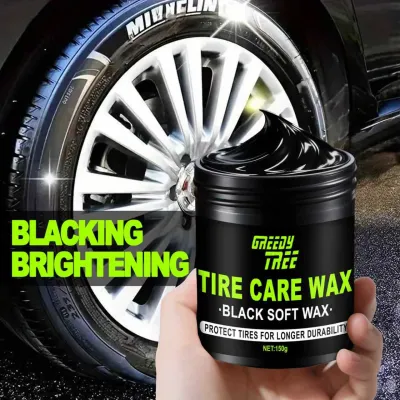
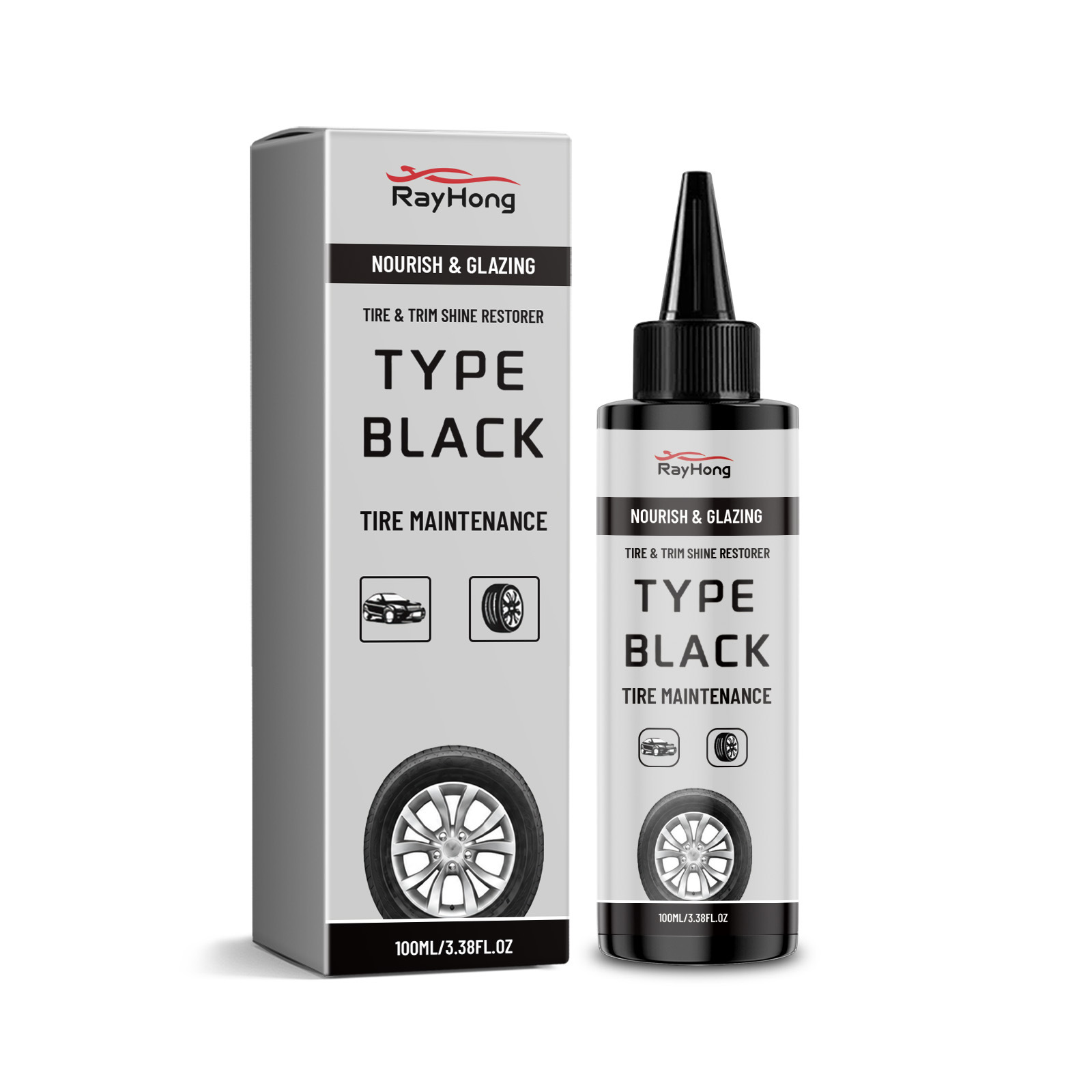
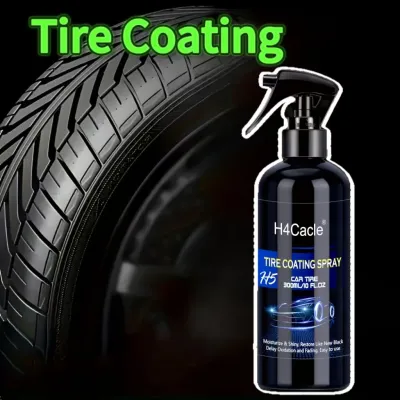
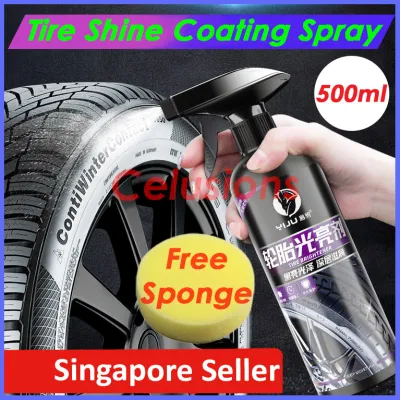
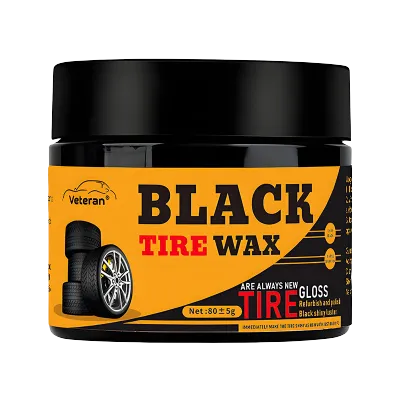
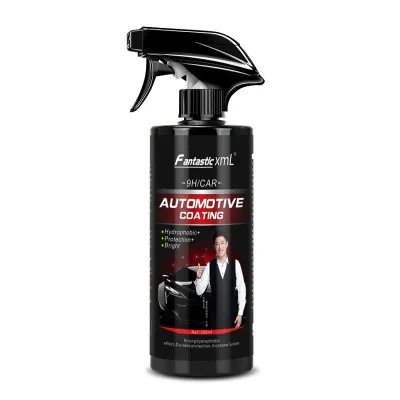
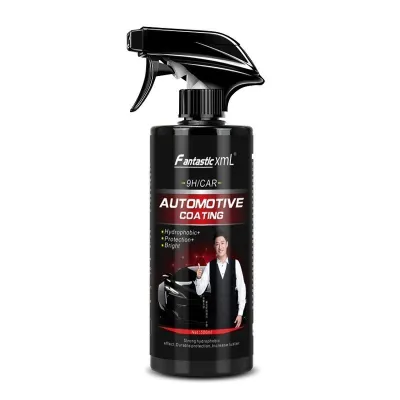
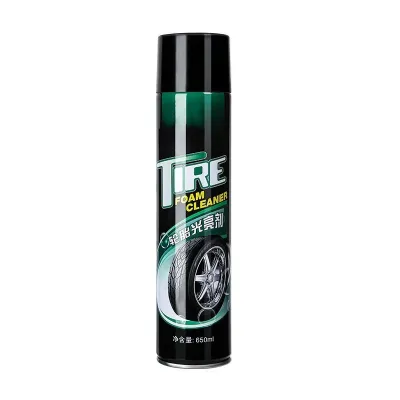
Prices are valid at publication and may change. Please refer to the product page for the latest price.
Tire Dressing vs Ceramic Coating vs Wax: Core Differences
To choose the right protection, it helps to understand the distinct chemical compositions and behaviors of these three product categories. Tire dressings are the most common detailing products on the market and are generally divided into water-based and solvent-based formulas. Water-based dressings use suspended silicone oils to deliver a non-greasy, satin-to-gloss finish that is gentle on rubber but washes off relatively quickly. Solvent-based dressings rely on hydrocarbon solvents to carry the silicone, creating a deep, ultra-wet shine that resists water better but can dry out rubber over time if used excessively.

Ceramic tire coatings represent a modern shift in tire care, utilizing silicon dioxide (SiO2) or advanced polymer technologies. Unlike traditional dressings that sit loosely on top of the rubber, a ceramic coating is formulated to form a chemical bond with the tire’s outer layer. This creates a durable, microscopic barrier that actively repels water and prevents dirt from embedding into the rubber pores, making future cleaning much easier.
Tire waxes are specialized paste or cream blends of natural waxes, such as carnauba, or synthetic polymers designed specifically for rubber surfaces. They function similarly to paint wax by filling in microscopic imperfections on the tire sidewall. This results in a highly refined, non-reflective barrier that protects against ultraviolet (UV) radiation and moisture while maintaining a clean, factory-fresh appearance.
Before purchasing any of these options, check the product labels to confirm their chemical base and ensure they are compatible with your specific tire type and any aftermarket wheel finishes.
Comparing Finish, Durability, and Application Effort
Evaluating these three methods across practical performance dimensions helps clarify what to expect during application and daily driving. The visual finish is often the deciding factor for many car enthusiasts. Tire dressings offer the widest aesthetic range, allowing you to achieve anything from a subtle sheen to an intense, mirror-like wet look. Ceramic coatings deliver a deep, rich, dark-black finish that looks clean and professionally detailed without looking greasy. Tire waxes provide a highly sophisticated, matte-to-satin appearance that closely mimics the look of a brand-new tire.
Durability expectations vary significantly based on environmental exposure and driving conditions. In regions with high humidity and frequent heavy rain, water-based dressings may only last a week or until the next major downpour, while solvent-based dressings might survive a few wash cycles. Tire waxes generally offer moderate durability, maintaining their protective barrier and satin look for several weeks. Ceramic tire coatings are designed for maximum longevity, often resisting multiple washes and harsh weather for months, though their actual lifespan depends heavily on how well the tire was prepared before application.
Preparation and application effort represent the trade-off for this durability. Applying a tire dressing or wax requires only a basic wash and dry of the tire sidewall. In contrast, a ceramic coating demands rigorous preparation; the tire must be thoroughly scrubbed and chemically stripped of all old dressings, road oils, and accumulated brown oxidation (blooming) until the cleaning suds run completely white. Any remaining contaminants will prevent the ceramic formula from bonding, leading to premature peeling or failure.
| Feature | Tire Dressing | Ceramic Tire Coating | Tire Wax |
|---|---|---|---|
| Primary Visual Finish | High Gloss to Satin | Deep, Clean Satin | Natural Matte to Satin |
| Relative Durability | Low to Moderate | High | Moderate |
| Preparation Effort | Low | High (Deep Stripping) | Moderate |
| Sling Risk | Moderate to High | Very Low | Low |
| Primary Active Ingredient | Silicone (Water/Solvent) | Silicon Dioxide (SiO2) | Natural or Synthetic Wax |
Decision Framework: Matching the Product to Your Routine
Choosing the right tire protection is ultimately a matter of matching the product’s characteristics to your personal car care routine and driving environment. If you enjoy a weekly or bi-weekly car washing ritual at a local self-service wash bay, a water-based tire dressing fits seamlessly into your schedule. It is highly forgiving, takes only minutes to apply, and provides that instant, satisfying gloss that completes a fresh wash.
If you prefer a low-maintenance, “set-and-forget” approach to detailing, investing the initial time and effort into a ceramic tire coating is highly rewarding. This is especially beneficial for daily drivers exposed to muddy roads or frequent rain, as the hydrophobic surface allows you to spray off dirt and brake dust with a simple garden hose or high-pressure spray, keeping the tires looking clean with minimal scrubbing.
If you own a classic car, participate in car shows, or simply dislike the shiny, wet look, a dedicated tire wax is the most appropriate choice. Tire waxes are also excellent for drivers who want to completely eliminate the risk of product “sling”—the annoying process where excess liquid dressing spun off by centrifugal force leaves oily black spots along your vehicle’s clean fenders and side skirts.
Keep in mind that cosmetic tire protection products are only suitable for structurally sound tires. If your tires exhibit deep cracks, dry rot, bulging, or severe sidewall damage, no dressing, coating, or wax can restore them. In these cases, stop using cosmetic products immediately and consult a qualified tire professional to inspect and replace the tires for your safety.
Safe Application and Maintenance Guidelines
To achieve the best results and ensure safety, always follow a structured application process. Begin by thoroughly cleaning the tires using a dedicated, label-approved tire and wheel cleaner. Use a stiff-bristled tire brush to scrub away old dressings, road grime, and brake dust, rinsing the wheel thoroughly with clean water. Avoid using harsh household detergents or industrial degreasers that are not specifically rated for automotive rubber, as they can strip the tire’s natural anti-aging agents and accelerate cracking.
Moisture is the primary enemy of proper product adhesion. Ensure the tire is completely dry before applying any protection, paying close attention to the tread edge and the bead area where water tends to pool. For ceramic coatings, respect the manufacturer’s specified curing window—which may require keeping the vehicle parked in a dry, covered area like a multi-storey car park for several hours—before exposing the tires to water or driving.
When applying the product, always use a dedicated foam or microfiber applicator pad rather than spraying the formula directly onto the tire. This manual wipe-on technique gives you precise control over coverage and prevents overspray from landing on your car’s paintwork or, more importantly, your brake rotors, calipers, and pads. Oily residues on brake components can severely reduce stopping power and compromise vehicle safety.
If you observe any unexpected reactions during or after application—such as severe browning, peeling, or a sticky residue that does not dry—stop using the product. Thoroughly wash the tire with a mild automotive soap and water, and consult the product manufacturer or a professional detailer for guidance.
Frequently Asked Questions (FAQ)
Can I apply ceramic coating over an existing tire dressing?
No, ceramic coatings cannot bond to a surface that is already covered in silicone, oils, or wax. To apply a ceramic tire coating successfully, you must completely strip any existing tire dressing using a strong, dedicated rubber cleaner or degreaser. The tire surface must be bare, clean, and completely dry to allow the silicon dioxide compounds to chemically bond with the rubber. Always check the specific ceramic product’s label for detailed surface preparation instructions.
Will tire dressing or wax damage my car's paint or brakes?
If applied incorrectly or in excessive amounts, tire dressings can cause damage. Oily, solvent-based dressings are prone to slinging off the tire at high speeds, leaving greasy spots on your vehicle’s paintwork that attract dirt and can be difficult to remove. More critically, any overspray or product run-off that contacts your brake rotors, calipers, or pads can significantly reduce braking efficiency, creating a serious safety hazard. Always apply these products using a handheld applicator pad to maintain precise control, and wipe away any excess product before driving.

Community discussion
Share your experience or ask a question. Comments are reviewed before publication.