
Determining whether TiPlus 7100, Shell, or Castrol offers superior engine protection depends entirely on matching the specific oil’s viscosity, industry ratings, and OEM approvals to your vehicle manufacturer’s exact requirements. Without independent, standardized testing data for specific batches, readers must rely on label specifications and owner’s manual compatibility rather than brand marketing. This guide provides a condition-based framework to help you evaluate these options and select the right motor oil for your engine.
Choosing the right motor oil is one of the most critical decisions you can make to ensure the longevity and efficiency of your vehicle’s engine. While marketing campaigns often claim that one brand offers unmatched protection over another, the reality of engine lubrication is governed by strict engineering standards. A premium oil from an emerging brand like TiPlus can perform just as effectively as established offerings from Shell or Castrol, provided it carries the correct certifications for your specific engine.
To make an informed decision, you must look past the brand logo and focus on the technical specifications printed on the back of the bottle. This article breaks down how to compare TiPlus 7100 against equivalent products from Shell and Castrol, focusing on viscosity, industry approvals, and overall value.
Products mentioned in this guide
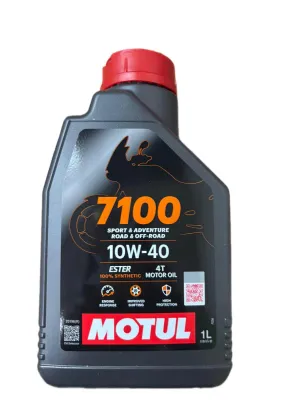
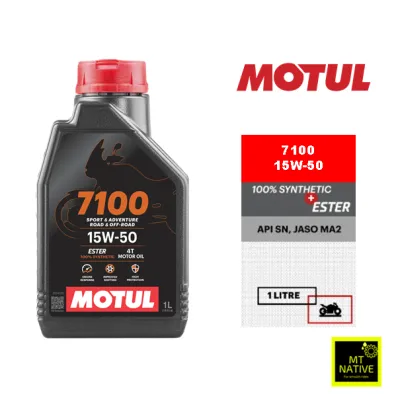
Prices are valid at publication and may change. Please refer to the product page for the latest price.
Decoding the Contenders: TiPlus 7100, Shell, and Castrol
To perform a fair comparison, it is essential to understand what each option represents in the market. TiPlus 7100 is a specific synthetic motor oil product line designed to meet modern performance standards. In contrast, Shell and Castrol are massive global manufacturers with highly diverse, multi-tiered product portfolios that span from basic mineral oils to high-performance full synthetics.
When comparing these brands, you must ensure you are evaluating equivalent tiers of oil. Comparing a premium full synthetic like TiPlus 7100 against an entry-level conventional or semi-synthetic oil from Shell or Castrol will skew your results. For a valid comparison, always match TiPlus 7100 against premium synthetic lines, such as Shell Helix Ultra or Castrol EDGE.
Before purchasing any lubricant, locate the exact product name, viscosity grade, and performance standards on the packaging. This step prevents the accidental purchase of an incorrect formulation that could compromise your engine’s internal components.
Critical Dimensions for Engine Protection
Engine protection is not a vague concept; it is a measurable performance standard defined by wear protection, sludge prevention, and thermal stability. To determine which oil will best safeguard your engine, you must evaluate the primary technical metrics found on the product labels.

Viscosity Grades and Operating Temperatures
The Society of Automotive Engineers (SAE) viscosity grade, such as 5W-40 or 0W-20, dictates how the oil flows at different temperatures. The first number, followed by a “W,” indicates cold-flow properties, while the second number represents the oil’s thickness at operating temperature. You must match this grade exactly to the specifications outlined in your vehicle’s owner’s manual.
In tropical climates like Singapore, cold-start protection remains highly relevant. Even without freezing temperatures, the majority of engine wear occurs during the initial startup before the oil has fully circulated. A high-quality synthetic oil must flow quickly upon startup while maintaining a robust protective film under high operating temperatures and stop-and-go traffic conditions.
Rather than assuming all synthetic oils perform identically under extreme heat, check the product label for specific temperature range claims and viscosity index ratings. A higher viscosity index indicates that the oil maintains its protective thickness more consistently across a wide temperature range.
Industry Certifications and OEM Approvals
Industry certifications are the most reliable indicators of an oil’s quality and performance capabilities. Look for ratings from the American Petroleum Institute (API) and the Association des Constructeurs Européens d’Automobiles (ACEA). For modern gasoline engines, the API SP standard represents the latest technology, offering enhanced protection against low-speed pre-ignition (LSPI) and timing chain wear.
Beyond general industry standards, many vehicle manufacturers require specific Original Equipment Manufacturer (OEM) approval codes. These codes, such as Mercedes-Benz MB-Approval 229.5 or BMW Longlife-01, prove that the oil has passed rigorous testing tailored to that manufacturer’s engine designs.
Using an oil that lacks the correct OEM approval can lead to severe consequences, including voided vehicle warranties and accelerated wear. For modern vehicles equipped with advanced emissions systems, such as diesel particulate filters, using a non-approved formulation can cause premature clogging and costly repairs.
Assessing Value, Drain Intervals, and Maintenance
Evaluating the total cost of ownership involves looking beyond the initial purchase price of the oil bottle. At authorized retailers and reputable online automotive stores in Singapore, you can compare the price per liter (in S$) across TiPlus 7100, Shell, and Castrol to determine which option fits your budget.
While some premium synthetic oils claim extended drain intervals, you must always follow the vehicle manufacturer’s recommended service schedule. If your owner’s manual specifies an oil change every 10,000 kilometers or six months, you must adhere to that limit, regardless of whether the oil bottle claims a longer lifespan. The shorter interval always takes precedence to maintain engine health and warranty coverage.
Furthermore, the protective capabilities of a high-quality motor oil are severely compromised if paired with a low-grade or clogged oil filter. Always replace the oil filter during every oil change to ensure that contaminants are effectively trapped and do not recirculate through your clean oil.
Performing an oil change or any engine maintenance carries inherent safety risks, including contact with hot fluids and working beneath a raised vehicle. Always consult your original vehicle documentation for specific safety instructions, use appropriate protective gear, or have the service completed by a qualified professional at a licensed automotive workshop.
Decision Framework: Which Oil Should You Choose?
To finalize your decision, use this condition-based framework to match the oil to your vehicle’s specific operating conditions and requirements.
Choose TiPlus 7100 if the formulation exactly matches your vehicle’s required viscosity grade, holds the necessary API/ACEA certifications, and carries the specific OEM approvals required by your carmaker. It is an excellent choice if it offers a competitive price per liter at your local retailer compared to established brands.
Choose Shell or Castrol if their specific synthetic lines (such as Shell Helix Ultra or Castrol EDGE) carry the exact OEM approval codes mandated by your vehicle manufacturer, or if these brands are more readily available at your preferred local service center. Established brands often offer wider availability across various workshops, making routine maintenance more convenient.
Verify first if your vehicle is still under a manufacturer warranty, as using a non-approved oil can void your coverage. Additionally, check if your engine requires a highly specific low-SAPS (Sulfated Ash, Phosphorus, and Sulfur) formulation to protect sensitive emissions components, and always verify the authenticity of the retailer before purchasing.
Neither option may fit your needs if the available products do not meet the minimum API rating or viscosity grade specified in your owner’s manual. In such cases, continue searching for a compliant formulation to avoid risking engine damage.
Frequently Asked Questions (FAQ)
Can I mix TiPlus 7100 with Shell or Castrol motor oils?
While mixing motor oils of the same viscosity and API rating rarely causes immediate, catastrophic engine failure, it is generally discouraged by manufacturers. Each brand utilizes a unique proprietary blend of additives, including detergents, dispersants, and anti-wear agents, designed to work together harmoniously. Mixing different brands can disrupt this chemical balance, potentially reducing the oil’s overall performance, thermal stability, or sludge protection. To ensure your engine receives the full protective benefits of your chosen lubricant, perform a complete drain and flush when switching brands.
How can I verify the authenticity of the motor oil I purchase?
To protect your engine from the severe risks associated with counterfeit lubricants, purchase motor oil only from authorized dealers, official brand stores, or reputable automotive workshops. When inspecting the packaging, look for intact security seals, high-quality holographic labels, and clearly printed batch codes on the bottle. If you notice any packaging anomalies, misprints, or loose caps, do not use the oil. You can contact the manufacturer’s local customer service department to verify the batch number and confirm the product’s authenticity before pouring it into your engine.
Community discussion
Share your experience or ask a question. Comments are reviewed before publication.