
Selecting a premium dash cam for your vehicle in Singapore involves more than just comparing video resolution and smart features. Because the Land Transport Authority (LTA) maintains strict guidelines regarding driver visibility and vehicle modifications, car owners must carefully evaluate how different brands design and power their devices. Thinkware and other premium competitors offer distinct design philosophies, ranging from screenless, low-profile cylinders to feature-rich units with integrated displays. Determining which brand is right for your vehicle requires looking closely at physical dimensions, mounting mechanisms, thermal management systems, and electrical integration.
Rather than declaring one brand universally superior, compliance is a matter of matching a specific model’s physical and electrical characteristics to your vehicle’s layout and local regulations. Singapore’s tropical climate adds another layer of complexity, as extreme cabin heat can affect both device reliability and safety. By understanding the regulatory baseline and comparing how different premium brands address these challenges, you can make an informed decision that keeps your vehicle legal, safe, and fully protected on the road.
Understanding LTA Rules for In-Car Electronics
The Land Transport Authority (LTA) regulates aftermarket vehicle accessories to ensure they do not compromise road safety or vehicle integrity. The primary concern with any front-facing dash cam is visual obstruction. Under local regulations, any device mounted on the windshield must not impede the driver’s clear view of the road ahead. This means the camera, its mounting bracket, and any associated wiring must be positioned outside the primary field of vision, typically defined as the area swept by the windshield wipers directly in front of the driver’s seat.
Products mentioned in this guide


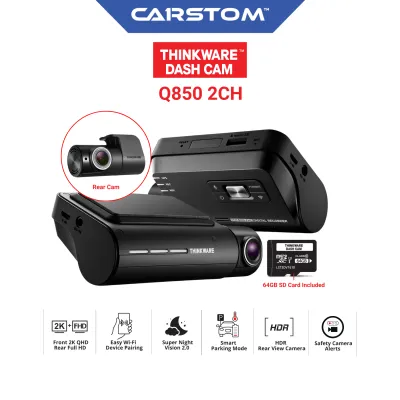


Prices are valid at publication and may change. Please refer to the product page for the latest price.
Beyond physical placement, the electrical safety of aftermarket electronics is a critical consideration. Singapore’s high ambient temperatures mean that vehicles parked in open-air car parks can experience extreme internal heat, often exceeding 60°C. Dash cams must be constructed to withstand these conditions without posing a thermal risk. Devices utilizing lithium-ion batteries are generally more susceptible to swelling, leaking, or failing under sustained heat, whereas those utilizing high-quality supercapacitors offer a much safer and more stable alternative for tropical climates.
Finally, hardwiring a dash cam to enable parking surveillance mode involves modifying the vehicle’s electrical system. The LTA requires that any such modifications do not interfere with the vehicle’s original safety systems, such as the deployment of side-curtain airbags or the operation of the main electrical harness. Improper wiring can lead to battery drainage, electrical shorts, or even void your manufacturer’s warranty. Therefore, understanding how a dash cam draws power and how its hardwiring kit integrates with your vehicle’s fuse box is essential for maintaining compliance and safety.
How Thinkware Designs Align with Local Regulations
Thinkware has developed a reputation for designing dash cams that align well with strict regulatory environments and demanding climates. One of the brand’s key design characteristics is its focus on low-profile, wedge-shaped, and screenless form factors. Models like the Thinkware F-series or Q-series are designed to sit flat against the windshield, allowing them to be tucked neatly behind the rearview mirror. This compact design minimizes the physical footprint on the glass, making it significantly easier for drivers to comply with LTA visibility guidelines.

In terms of thermal management, Thinkware premium models are engineered specifically to handle high-temperature environments by utilizing supercapacitors instead of standard lithium-ion batteries. Supercapacitors are highly resilient to heat, allowing the camera to operate reliably and shut down safely even when the vehicle is parked under direct sunlight in Singapore. This design choice directly addresses the safety concerns associated with thermal runaway and battery degradation in tropical climates.
Power management is another area where Thinkware designs support compliance and vehicle safety. Their dedicated hardwiring kits feature built-in voltage meters that monitor the vehicle’s battery level in real-time. If the car’s battery voltage drops below a pre-configured threshold, the dash cam automatically powers down to prevent draining the starter battery. This feature helps protect the vehicle’s electrical health, though owners must still verify compatibility with their specific vehicle model and year, as modern smart alternators and hybrid systems may require specialized power management configurations or external battery packs.
Thinkware vs. Premium Competitors: Compliance and Climate Fit
When comparing Thinkware to other premium brands in the market, several design and engineering differences emerge that impact compliance and reliability. Premium competitors often split into two design camps: those offering cylindrical, screenless units (similar to Thinkware’s low-profile models) and those offering larger units with built-in LCD screens. While built-in screens offer the convenience of on-device playback, they naturally require a larger physical housing. This larger footprint can make it more challenging to find a mounting position on the windshield that complies fully with LTA visibility rules, especially in smaller vehicles or those with complex sensor arrays around the rearview mirror.
Heat tolerance remains a critical point of comparison. While most premium brands have transitioned to supercapacitors for their high-end models, some mid-range or older models from various manufacturers still rely on lithium-ion batteries. When evaluating any competitor, it is vital to check the official manufacturer specifications to confirm the use of supercapacitors. Thinkware’s thermal protection systems often include automatic high-temperature shut-off features, which protect the device and the vehicle from damage if internal temperatures reach critical levels.
Installation requirements also vary across premium brands. Some competitors offer OBD-II power cables as an alternative to traditional fuse box hardwiring. While OBD-II installation can be simpler, it may not be compatible with all vehicle makes and models, and some manufacturers warn that OBD-II power draw can interfere with vehicle diagnostics or trigger error codes. Thinkware’s reliance on professional hardwiring kits or dedicated external battery packs ensures a more integrated and stable power source, though it requires a more involved installation process. Regardless of the brand you choose, professional installation is highly recommended to ensure that all wiring is routed safely behind the A-pillar trim and does not obstruct the deployment path of side-curtain airbags.
Pre-Purchase and Installation Verification Checklist
To ensure your chosen dash cam is fully compliant with LTA regulations and safe for use in Singapore, follow this step-by-step verification checklist before making a purchase:
- Verify Physical Dimensions and Mounting Position: Check the official product specification sheet for the exact dimensions of the camera and its mount. Measure the area behind your vehicle's rearview mirror to ensure the unit can be installed without extending into your primary line of sight or blocking integrated safety sensors (such as rain sensors or advanced driver assistance cameras).
- Confirm the Power Source: Review the technical specifications to ensure the dash cam uses a supercapacitor rather than a lithium-ion battery. Verify that the operating temperature range is rated to handle the high heat typical of parked vehicles in Singapore.
- Check Vehicle Compatibility and Warranty: Consult your vehicle's owner manual and warranty terms. Some manufacturers restrict aftermarket electrical modifications or require specific installation methods to keep the warranty intact. If your vehicle has a sensitive electrical system, consider using a dedicated external dash cam battery pack that charges only when the engine is running.
- Inspect Airbag Deployment Zones: If you plan to route the wiring yourself, locate your vehicle's side-curtain airbags. Wiring must never be routed across the front of an airbag module; instead, it must be routed behind the airbag housing and secured along the existing factory wiring harness.
- Select a Qualified Installer: For hardwired installations, seek out a professional automotive technician who is experienced with your specific vehicle make and model. A qualified installer will use proper fuse taps, ensure correct grounding, and verify that the camera's power draw does not interfere with critical vehicle electronics.
Frequently Asked Questions (FAQ)
Do I need to declare my dash cam to the LTA or my insurance provider?
Standard consumer dash cams do not require formal registration or approval from the Land Transport Authority (LTA), provided they are mounted safely and do not obstruct the driver’s view. However, it is highly recommended to check with your motor insurance provider. Some insurers in Singapore offer premium discounts for vehicles equipped with approved, professionally installed dash cams, while others may require footage as standard evidence in the event of an accident claim.
Can I use a dash cam with a built-in screen if it blocks part of my view?
No, you should not mount any dash cam in a position that obstructs your view of the road, regardless of whether it has a screen. If you choose a model with a built-in screen, it must be positioned carefully—typically high up on the passenger side of the windshield or directly behind the rearview mirror—so it remains outside your primary line of sight. To minimize compliance risks and distractions, many drivers in Singapore prefer screenless, low-profile models that can be configured entirely via a smartphone application.
Community discussion
Share your experience or ask a question. Comments are reviewed before publication.