
Comparing Thinkware to other Land Transport Authority (LTA) compliant dashcam brands in Singapore—such as BlackVue and Viofo—requires looking closely at heat tolerance, parking surveillance capabilities, and installation compliance. While Thinkware is widely recognized for its robust parking modes and thermal management, BlackVue excels in cloud connectivity, and Viofo offers high raw resolution at a competitive price point. Choosing the right system depends on your specific parking situation, budget, and whether you require real-time remote monitoring.
Navigating Singapore’s unique driving environment involves managing high humidity, intense tropical heat, and tight multi-story carparks. A reliable dashcam serves as an essential tool for insurance claims and dispute resolution on busy roads like the PIE or AYE. However, not all dashcams are suited for local conditions or legal standards. Understanding how these leading brands compare across key performance and compliance metrics will help you make an informed decision for your vehicle.
Verifying LTA Compliance and Local Driving Requirements
Before purchasing any dashcam, you must ensure it complies with local regulations and can withstand the demanding environmental conditions of Singapore. The Land Transport Authority (LTA) maintains strict guidelines regarding vehicle modifications and driver visibility. Any device mounted on the windscreen must not obstruct the driver’s view of the road. To ensure compliance, verify that the dashcam can be installed neatly behind the rearview mirror, within the swept area of the windscreen wipers but out of your direct line of sight.
Products mentioned in this guide
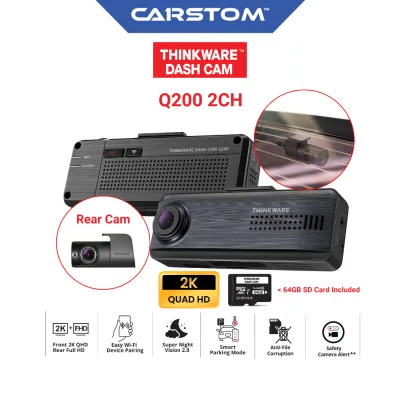
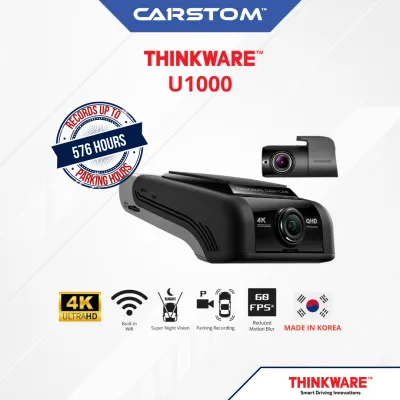
![Thinkware Q200 | 2K + 1080p QHD Dashcam | Simple & Fuss-free | Wi-fi | Parking Mode [on-site installation available]](https://img.lazcdn.com/g/p/c34151e96e285b6de7eba72718910041.jpg_400x400q80.jpg_.webp)
![Thinkware U3000 | 4K + 2K UHD Dashcam | Sony STARVIS 2 | Wi-fi | Parking Mode [on-site installation available]](https://img.lazcdn.com/g/p/9a835df786ba159818c976b2817f049d.jpg_400x400q80.jpg_.webp)
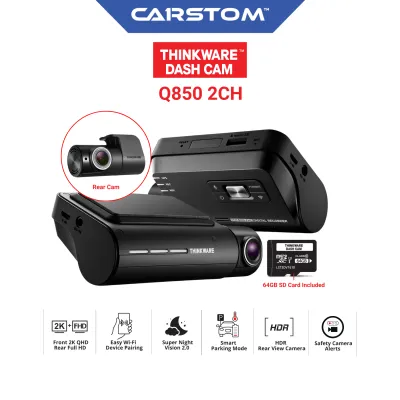
Prices are valid at publication and may change. Please refer to the product page for the latest price.
The choice of mounting mechanism also plays a critical role in long-term reliability. While suction cup mounts are common, they frequently fail under Singapore’s intense tropical sun and high humidity, causing the camera to fall while driving. Adhesive mounts utilizing high-grade, heat-resistant tape are highly preferred for local roads as they provide a semi-permanent, vibration-free bond to the glass. Proper surface preparation, such as cleaning the windscreen with isopropyl alcohol before application, is essential to prevent the adhesive from peeling under extreme heat.
Furthermore, you must confirm that the dashcam does not feature prohibited technologies. Devices that act as active radar detectors or emit distracting, high-intensity lights facing outward or inward violate local traffic laws. Ensure the model you select operates strictly as a passive recording unit.
Thermal management is another critical factor. When parked in open-air carparks under direct sunlight, cabin temperatures can easily exceed 60 degrees Celsius. Prioritize dashcams that utilize supercapacitors instead of traditional lithium-ion batteries. Supercapacitors are designed to handle extreme heat cycles safely, significantly reducing the risk of battery swelling, leakage, or thermal shutdown.
Finally, consider the safety boundaries of installation. Hardwiring a dashcam to your vehicle’s electrical system for parking mode requires tapping into the fuse box. Always consult your vehicle’s manual and seek qualified professional installation. Improper wiring can void your vehicle’s warranty, drain your battery, or interfere with critical safety systems such as airbags and onboard diagnostics.
Evaluating Thinkware Dashcams for Local Roads
Thinkware has established a strong reputation among Singaporean drivers, primarily due to its focus on reliable parking protection and advanced thermal stability. When evaluating Thinkware models for local roads, video processing is a key strength. Many of their mid-range and premium models feature proprietary image processing technologies, such as Super Night Vision and wide dynamic range (WDR). These features are designed to balance high-contrast scenes, such as exiting a dark multi-story carpark into bright midday sunlight, and to improve clarity on poorly lit side roads.

Parking surveillance is another area where Thinkware excels. Their systems typically offer multiple parking recording options, including time-lapse, motion detection, and energy-saving modes. To protect your car battery during extended parking, verify if the model supports built-in low-voltage cutoff settings. This feature automatically shuts down the dashcam if the vehicle’s battery voltage drops below a pre-set threshold (such as 12V or 12.2V). Note that enabling these advanced parking features usually requires a dedicated hardwiring kit or an external dashcam battery pack, which may need to be purchased separately.
Smart connectivity is increasingly important for modern drivers. Thinkware companion mobile apps allow you to retrieve footage, adjust settings, and update firmware via a local Wi-Fi connection. Some premium models also offer cloud-based features, providing push alerts for parking impacts and remote live view capabilities. However, you should verify if these cloud services require an active Wi-Fi hotspot within the vehicle and whether any subscription fees apply for cloud storage or remote access.
Comparing Thinkware Against BlackVue and Viofo
To find the best fit for your driving habits, it is helpful to contrast Thinkware against its main competitors, BlackVue and Viofo, across critical performance and usability dimensions.
When comparing video resolution and frame rates, each brand takes a slightly different approach. Viofo is highly regarded for prioritizing raw video resolution, often offering 2K or 4K front cameras equipped with advanced image sensors. This high resolution is beneficial for capturing fine details, such as license plates on fast-moving vehicles or in low-light conditions. Thinkware focuses on balanced exposure and night-time clarity, ensuring that high-contrast scenes do not blow out key details. BlackVue balances resolution with efficient video compression (such as H.265), which optimizes file sizes for smooth streaming over cellular networks. Always check the specific model’s frame rate, as a higher frame rate (such as 60fps) provides smoother playback and clearer freeze-frames of moving objects.
Cloud and connectivity features represent a major point of differentiation. BlackVue is widely recognized for its mature, robust cloud ecosystem. If you require real-time remote monitoring, instant cloud backups, and GPS tracking—features often favored by fleet managers or owners of high-end vehicles—BlackVue’s connected services are highly competitive. Thinkware offers cloud features on select high-end models, but its ecosystem is generally geared toward local Wi-Fi retrieval and reliable offline performance. Viofo, on the other hand, typically focuses on local dual-band Wi-Fi connectivity. This allows for fast wireless downloads directly to your smartphone without the need for an external cloud infrastructure, making it an excellent choice for drivers who prefer a simpler, subscription-free setup.
The physical footprint and discretion of the unit are also vital for LTA compliance. BlackVue’s signature cylindrical design is exceptionally discrete, fitting neatly behind most rearview mirrors without blocking the driver’s field of vision. Thinkware utilizes a mix of low-profile wedge shapes and traditional block designs; you should verify the physical dimensions to ensure the unit fits your specific windscreen angle. Viofo models generally use a compact wedge design that mounts flat against the glass, minimizing vibration and keeping the installation highly unobtrusive.
Making Your Final Dashcam Selection
Choosing the right dashcam brand involves matching their core strengths with your daily driving and parking habits. Use the following conditional framework to guide your decision:
Choose Thinkware if you prioritize reliable, long-term parking mode integration, advanced thermal management, and balanced video processing without the need for constant cloud connectivity. Thinkware systems are highly suited for drivers who frequently park in outdoor carparks and want peace of mind that their car battery is protected by robust low-voltage cutoff systems. Typical price ranges for premium dual-channel setups in the local market can range from S$300 to over S$600 depending on installation fees.
Choose BlackVue if you require advanced cloud features, real-time remote live view, and instant impact notifications, and you are willing to pay a premium for connected services and a dedicated internet source in your vehicle. BlackVue’s sleek, cylindrical design is also ideal if you want the most discrete installation possible.
Choose Viofo if you want high raw video resolution, reliable supercapacitor performance, and straightforward local Wi-Fi retrieval at a more accessible price point. Viofo is an excellent option if you prefer to avoid subscription fees and do not require remote cloud monitoring, accepting a more basic companion app experience in exchange for cost savings.
Before making your final purchase, verify that the specific model uses a supercapacitor, includes the required hardwiring kit for your vehicle’s electrical system, and can be mounted in compliance with LTA guidelines. Consult a professional installer to ensure compatibility with your vehicle’s specific make, model, and battery management system.
Frequently Asked Questions (FAQ)
Do I need to declare my dashcam to the LTA or my insurance provider?
You do not need to register or declare a standard, passive dashcam to the Land Transport Authority, provided it is mounted safely and does not obstruct your view or violate traffic laws. However, it is highly recommended to inform your motor insurance provider. Many insurers in Singapore offer premium discounts for vehicles equipped with functional, approved dashcams, and having clear footage can significantly expedite the claims process in the event of an accident. Always check your specific policy terms regarding the submission of video evidence.
How should I maintain the dashcam to prevent overheating in Singapore?
To ensure continuous operation in Singapore’s hot and humid climate, perform regular maintenance checks. Format your microSD card at least once a month to prevent file corruption from constant write cycles under high temperatures. Periodically inspect the adhesive mount to ensure it remains securely bonded to the windscreen, as heat can degrade the adhesive over time. Finally, ensure the dashcam’s ventilation slots are clear of dust, and avoid placing solar film or dark tint directly over the camera lens, which can trap heat and degrade video quality.
Community discussion
Share your experience or ask a question. Comments are reviewed before publication.