
Choosing between the Thinkware F200 and other Land Transport Authority (LTA) compliant dashcams in Singapore depends on how you balance parking surveillance needs, heat tolerance, and installation constraints. While the Thinkware F200 offers a compact, screenless design that minimizes driver distraction, you must verify its specific hardware requirements, power options, and mounting compatibility against your vehicle’s setup to ensure full compliance and reliable performance in tropical conditions.
In Singapore’s dense urban environment, a reliable dashcam serves as an essential safeguard on the road. From navigating congested expressways like the Pan Island Expressway (PIE) to parking in tight, multi-storey carparks, having clear video evidence can make a significant difference in insurance claims and dispute resolutions. However, not all dashcams are suited for every vehicle or driver profile.
To make an informed decision, you need to evaluate how a dashcam integrates with your vehicle’s electrical system and whether its physical placement complies with local transport regulations. This guide provides a structured framework to compare the Thinkware F200 against alternative LTA-compliant options, focusing on the critical factors of visibility, heat resilience, and functional reliability.
Products mentioned in this guide
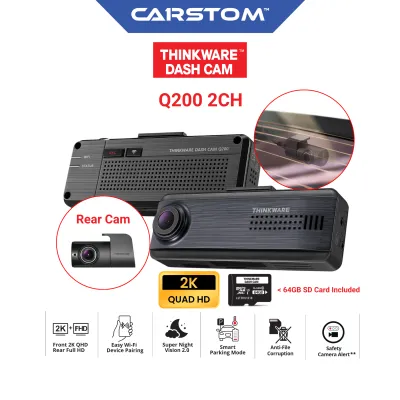
Prices are valid at publication and may change. Please refer to the product page for the latest price.
Key Criteria for LTA-Compliant Dashcams in Singapore
Operating a vehicle in Singapore requires strict adherence to safety standards set by the Land Transport Authority (LTA). When installing any aftermarket accessory, including a dashcam, the primary regulatory concern is maintaining an unobstructed view of the road. Any device mounted on the front or rear windshield must not interfere with the driver’s direct line of sight or block critical safety sensors.
To ensure your setup is fully compliant, you should verify the exact placement restrictions and windshield obstruction limits via official LTA guidelines or consult an authorized vehicle inspection center. Generally, mounting the camera directly behind the rearview mirror is a common practice to keep the device out of your direct field of vision. However, the specific dimensions of your vehicle’s windshield and the presence of advanced driver-assistance systems (ADAS) housing can affect where the camera can be legally and safely positioned.
Beyond physical placement, power supply safety is a critical consideration for local drivers. Dashcams can be powered via a standard cigarette lighter adapter or hardwired directly into the vehicle’s fuse box. Hardwiring is often preferred for a cleaner look and to enable parking surveillance features, but it requires careful installation to prevent electrical hazards. Because cabin temperatures in Singapore can rise rapidly when parked in open-air lots, using high-quality, heat-resistant wiring and proper fuses is essential to protect your vehicle’s electrical system from short circuits or thermal damage.
Thinkware F200 Feature Overview and Verification
The Thinkware F200 is designed as a discreet, screenless dashcam that focuses on reliable, set-and-forget recording. Its compact form factor allows it to sit neatly behind the rearview mirror, making it an attractive option for drivers who prefer a minimalist dashboard setup. Before purchasing, you should review the official product documentation to confirm the exact video resolution, field of view, and channel configurations available for your specific model variant.

Because Singapore experiences high ambient temperatures year-round, verifying the thermal limits of your dashcam is crucial. You should check the manufacturer’s official specification sheet for the exact operating and storage temperature ranges of the F200. Operating a dashcam outside its specified temperature range can lead to system instability, corrupted video files, or permanent hardware failure, especially during long drives or when parked under direct sunlight.
To utilize the F200’s parking surveillance capabilities, such as motion and impact detection, you must install a dedicated hardwiring cable or an external dashcam battery pack. The standard power cable supplied for the cigarette lighter socket only provides power when the vehicle’s ignition is turned on. Hardwiring allows the camera to monitor your vehicle while parked, but it requires a professional installation to ensure the low-voltage cutoff feature is properly configured to protect your car’s primary battery from draining.
Comparing the F200 with Alternative Dashcam Brands
When comparing the Thinkware F200 to other LTA-compliant dashcams on the market, a structured comparison matrix can help you evaluate which features align with your driving habits. Different brands offer varying combinations of video quality, storage capacity, and connectivity options that cater to different driver preferences.
| Feature Dimension | Thinkware F200 | Alternative Brand A | Alternative Brand B |
|---|---|---|---|
| Channel Support | Front only or Front & Rear | Check manufacturer spec | Check manufacturer spec |
| Power Source Type | Supercapacitor | Check manufacturer spec | Check manufacturer spec |
| Max Storage Capacity | Check official manual | Check official manual | Check official manual |
| Mobile Connectivity | Built-in Wi-Fi | Check official manual | Check official manual |
| Parking Mode Support | Requires hardwiring kit | Requires hardwiring kit | Check manufacturer spec |
Note: Always replace unverified parameters in this table with actionable check items from the official product manuals before making a purchase.
Weighing these dimensions requires analyzing your daily commute and parking environment. If you frequently drive on multi-lane expressways, a wider field of view on the front camera can help capture traffic conditions in adjacent lanes. Conversely, if you primarily park in high-traffic public carparks, prioritizing a dual-channel (front and rear) setup with robust parking surveillance and low-power consumption modes may be more beneficial than focusing solely on maximum video resolution.
Assessing Heat Tolerance and Reliability in Tropical Climates
Singapore’s tropical climate presents a significant challenge for car electronics, particularly dashcams mounted directly against the windshield. The intense sunlight and trapped heat inside a parked vehicle can easily push cabin temperatures well above ambient levels. Understanding how a dashcam handles this thermal stress is key to ensuring long-term reliability and safety.
The primary hardware distinction in heat tolerance lies between supercapacitors and lithium-ion batteries. Supercapacitors do not store energy to run the camera independently for extended periods; instead, they provide just enough power to safely save the current recording when the vehicle is turned off. This design makes them highly resilient to extreme heat, significantly reducing the risk of battery swelling, leakage, or thermal runaway compared to devices powered by traditional lithium-ion batteries.
Before finalizing your choice, you should locate the thermal shutdown thresholds and heat-related warranty exclusions on the product labels or user manuals. Reliable dashcams often feature built-in thermal sensors that automatically power down the device if internal temperatures reach unsafe levels, protecting the hardware from permanent damage. To mitigate heat exposure, consider using high-quality front windshield sunshades when parking outdoors, or try to park in shaded areas or multi-storey carparks whenever possible.
Decision Framework: Which Dashcam Fits Your Driving Profile?
To choose the right dashcam for your vehicle, consider how your specific driving profile and installation preferences align with the features of the Thinkware F200 and its competitors.
Choose the Thinkware F200 if:
- You prefer a compact, screenless design that fits discreetly behind your rearview mirror without obstructing your view.
- You plan to professionally hardwire the device to utilize its parking surveillance features and value a system powered by a heat-resilient supercapacitor.
- You prefer managing your recordings and settings via a mobile app connection rather than an on-device screen.
Consider alternative LTA-compliant brands if:
- You require an integrated LCD screen on the dashcam unit for instant video playback and setting adjustments without using a smartphone.
- You need advanced cloud-based features, such as real-time remote monitoring or GPS tracking, which may require a different tier of connectivity and a higher budget in S$.
- You are looking for specific ultra-high-definition video resolutions or specialized night-vision sensors that meet your exact clarity requirements.
Verify first if:
- Your vehicle's windshield has pre-installed safety sensors, cameras, or specialized solar films that could interfere with the dashcam's mounting position or GPS reception.
- Your car's primary battery is in good health and has sufficient capacity to support continuous parking mode recording, or if you need to invest in a dedicated external dashcam battery pack.
Frequently Asked Questions (FAQ)
What are the specific LTA mounting restrictions for dashcams?
To ensure compliance with Singapore’s Land Transport Authority (LTA) regulations, any dashcam installed in your vehicle must not obstruct your forward vision or block your view of the side mirrors. You should refer to the official LTA guidelines or visit an authorized vehicle inspection center to confirm the approved mounting zones on your windshield. Generally, the camera should be positioned high up on the windshield, ideally behind or adjacent to the rearview mirror, ensuring it does not interfere with any factory-installed safety sensors or driver-assist cameras.
How does parking surveillance affect car battery health in hot weather?
Using a dashcam’s parking surveillance mode requires a continuous draw of electrical power from your vehicle’s battery when the engine is turned off. In hot weather, your car battery may experience higher rates of self-discharge and chemical stress, making it more vulnerable to deep depletion. To protect your vehicle’s battery health, you must ensure your dashcam’s hardwiring kit features an adjustable low-voltage cutoff that automatically shuts off the camera when the battery voltage drops below a safe threshold. If you plan to use parking mode extensively, it is highly recommended to have a qualified automotive electrician assess your battery’s condition or install a dedicated external dashcam battery pack.
Community discussion
Share your experience or ask a question. Comments are reviewed before publication.