
Selecting the correct microfibre car cloth for each detailing task is the single most effective way to prevent paint damage, ensure a streak-free finish, and maximize the efficiency of your car care products. Using a single generic cloth for every surface often leads to micro-scratching, lint residues, and uneven product application. In Singapore’s tropical climate, where high humidity and intense sunlight accelerate the drying of water spots and detailing chemicals, matching the right weave, weight, and fiber blend to the specific task is essential for maintaining a flawless finish.
Microfibre is not a one-size-fits-all material. It is a synthetic blend of polyester and polyamide, engineered to lift dirt and absorb liquids far more effectively than traditional cotton towels. However, using a heavy drying towel to buff off a delicate ceramic coating, or using a glass towel to wash a muddy fender, will yield poor results and potentially damage your vehicle’s surfaces. Understanding how to match these specialized tools to their intended tasks will elevate your detailing routine and protect your automotive investment.
Quick Guide: Matching Microfibre Cloths to Detailing Tasks
Using the wrong microfibre car cloth can cause swirl marks, leave lint, or reduce the effectiveness of chemical products. When a cloth with insufficient pile height is dragged across dusty paint, it presses abrasive dirt particles directly into the clear coat, creating micro-scratches that dull the paint’s reflection over time. Similarly, using a highly absorbent plush towel to apply a ceramic coating will simply waste expensive product by trapping it inside the cloth rather than transferring it to the vehicle.
Products mentioned in this guide
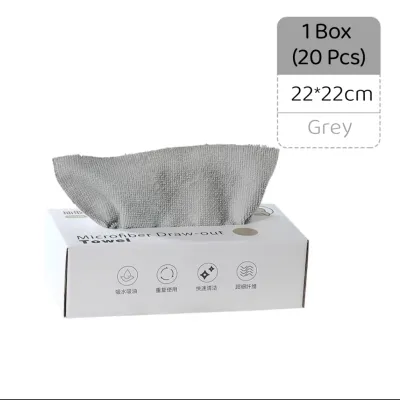
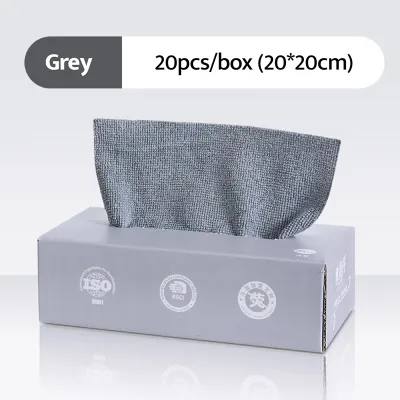
Prices are valid at publication and may change. Please refer to the product page for the latest price.
To help you select the right tool immediately, the table below maps core detailing tasks to their recommended weave type, pile height, and GSM (grams per square metre):
| Detailing Task | Recommended Weave | Ideal Pile Height | Recommended GSM | Primary Benefit |
|---|---|---|---|---|
| Contact Washing | Chenille / Plush Mitt | High / Long Pile | 400 – 600 GSM | Lifts and traps abrasive dirt safely away from paint |
| Exterior Drying | Twist Loop / Waffle | Medium / Closed Loop | 500 – 1000+ GSM | High water absorption, prevents drag and water spots |
| Wax/Sealant Buffing | Plush / Dual-Pile | High / Long Pile | 500 – 800 GSM | Captures cured residues without marring clear coats |
| Ceramic Leveling | Suede / Low-Pile | Flat / Short Pile | 200 – 300 GSM | Even product distribution, minimal product waste |
| Glass Cleaning | Waffle Weave | Low / Textured | 300 – 400 GSM | Streak-free, lint-free scrubbing action |
| Interior Wiping | Low-to-Medium Pile | Short / Closed Loop | 250 – 350 GSM | Prevents snagging on textured plastics and leather |
How to Read Microfibre Car Cloth Specs for Detailing
To evaluate detailing products beyond marketing claims, you must understand the technical specifications that dictate a cloth’s performance. Manufacturers categorize these cloths by weight, weave, blend ratio, and edge design. Recognizing these terms allows you to select the precise tool for any detailing scenario.

GSM (Grams per Square Metre)
GSM measures the density and weight of the cloth. Low GSM cloths (under 300) are thin, lightweight, and offer less cushioning, making them highly precise for glass cleaning or coating applications. Medium GSM cloths (300 to 500) balance absorbency with maneuverability, serving as excellent all-purpose options for interior cleaning and light detailing sprays. High GSM cloths (above 500) are thick, heavy, and incredibly plush. These provide maximum water absorption and cushioning, which are critical for safe drying and buffing on delicate, scratch-prone paintwork.
Weave Types
The physical pattern of the fibers determines how the cloth interacts with surfaces. Waffle weave cloths feature a distinct grid pattern that creates pockets to trap moisture and lift light grime without linting. Twist loop weaves utilize long, twisted bundles of fiber to maximize surface area, allowing the towel to absorb massive amounts of water rapidly. Plush weaves consist of open, split fibers that stand upright, providing a deep cushion that safely encapsulates dust and wax residues. Suede weaves are completely flat and smooth, designed to glide over surfaces without absorbing excess liquid.
Blend Ratios
Microfibre is typically composed of polyester and polyamide. Polyester provides the structural integrity and scrubbing power, while polyamide provides the water absorbency and softness. Standard premium automotive cloths feature a 70/30 or 80/20 polyester-to-polyamide ratio. A higher polyamide content (such as 70/30) indicates a softer, more absorbent towel that is safe for clear coats. Conversely, 100% polyester cloths lack the necessary softness and absorbency, making them highly abrasive and entirely unsuitable for delicate automotive paintwork.
Edge Design
The perimeter of a microfibre towel is a common source of paint marring. Traditional stitched edges use stiff polyester thread that can easily scratch clear coats under pressure. Premium detailing cloths utilize edgeless designs (ultrasonically or laser-cut), silk-banded edges, or soft suede-wrapped borders. These specialized edge treatments ensure that every part of the cloth that contacts your vehicle is safe and non-abrasive.
Best Cloths for Washing and Drying the Exterior
Exterior washing and drying are the most frequent detailing tasks and carry the highest risk of introducing swirl marks. Managing high water volume and minimizing friction are essential for preserving a flawless finish.
Washing (Chenille and Plush Mitts)
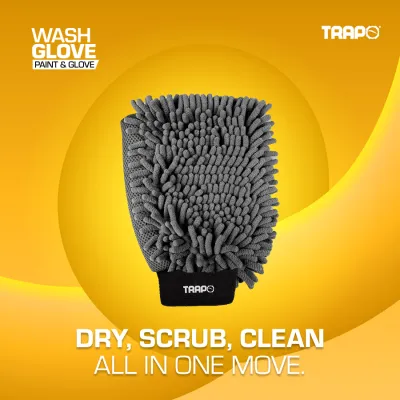
During the contact wash stage, abrasive road grime, brake dust, and environmental fallout must be lifted off the paint safely. Chenille “noodle” mitts and deep-pile plush wash pads are engineered specifically for this purpose. The long, flexible fibers or noodles wrap around dirt particles, pulling them away from the flat surface of the paint and trapping them deep within the valleys of the mitt. This prevents the debris from being dragged across the clear coat as you wipe.
To maximize safety, always use generous lubrication. A high-quality, pH-neutral car shampoo creates a slick barrier that allows the wash mitt to glide effortlessly. Always consult the car shampoo manufacturer’s instructions for the correct dilution ratio to ensure optimal lubricity without stripping existing wax layers.
Drying (Twist Loop and Waffle Weave)
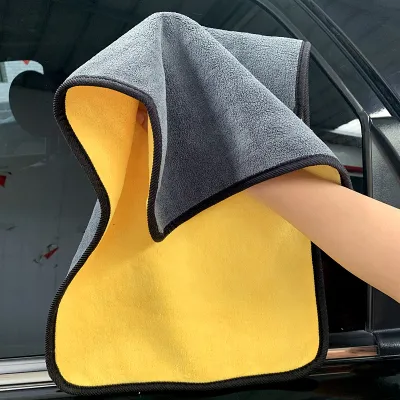
In Singapore’s humid climate, drying your vehicle quickly is critical to prevent mineral-rich water spots from etching into the paintwork. Twist loop towels are the premier choice for large, flat body panels. The unique twisted fiber structure absorbs several times its weight in water, allowing you to dry an entire vehicle without needing to wring out the towel. Waffle weave towels are lighter and highly effective for drying intricate areas, such as wheel faces, door jambs, and side mirrors, where a bulkier towel would be difficult to maneuver.
To minimize surface friction, employ the “pat and drag” technique. Lay the large drying towel flat across a panel, hold it by two corners, and gently pull it toward you. Alternatively, pat the towel down on flat surfaces to absorb water without any rubbing action. This approach minimizes physical contact, drastically reducing the risk of dragging any missed dirt particles across the paint.
Choosing Cloths for Polishing, Waxing, and Buffing
Paint correction and protection steps require specialized cloths that balance high absorbency with extreme softness. These tasks demand zero marring to ensure that the polished finish remains perfectly clear.
Wax and Sealant Removal (High GSM Plush)
Removing cured wax or paint sealant requires a cloth that can grab dried chemical residue without stripping the protective layer underneath. High GSM (600 to 1000+) plush, dual-pile, or edgeless towels are ideal for this task. The deep, open pile provides a safe cushion, absorbing the excess chemical compounds and locking them deep within the fibers instead of dragging them across the clear coat.
When buffing, fold the towel into fourths to create eight distinct, clean faces. As you wipe, rotate the towel frequently to a fresh section. This prevents the cloth from becoming saturated with cured product, which can cause streaking and require excessive pressure to remove.
Ceramic Coating Leveling (Suede and Low-Pile)
Applying and leveling ceramic coatings requires a completely different approach than working with traditional waxes. Suede-like or low-pile microfibre cloths, typically wrapped around a foam applicator block, are essential for applying the coating. Their ultra-flat surface prevents them from absorbing too much of the expensive liquid, ensuring a thin, even layer is laid down on the paint.
During the leveling (or flashing) stage, use a low-pile, edgeless microfibre towel to wipe away the excess solvent carrier. Because ceramic coatings cure and harden rapidly, any residue left on the cloth will crystallize. Once these fibers stiffen, they become highly abrasive. You must discard these cloths after a single coating session to prevent scratching paint in future uses.
Microfibre Cloths for Interior Surfaces and Streak-Free Glass
Car interiors feature a diverse mix of materials, including textured plastics, soft leather, piano black trim, and glass. Each surface requires a specific approach to capture dust and apply cleaning agents safely.
Glass and Mirrors (Waffle Weave)
Automotive glass easily shows streaks, finger smudges, and outgassing residue from interior plastics. Waffle weave patterns are highly effective here because the recessed pockets scrub away stubborn grime and absorb glass cleaners without leaving behind lint or streaks.
For a flawless finish, use the two-towel method. Spray your glass cleaner directly onto a low-GSM waffle weave cloth rather than spraying the glass itself, which prevents overspray from landing on your dashboard. Wipe the glass thoroughly to clean the surface, then immediately follow up with a second, completely dry waffle weave towel to buff away any remaining moisture. This technique guarantees a crystal-clear, streak-free result.
Dash, Plastics, and Leather (Low to Medium Pile)
Interior cabins feature delicate components, such as infotainment screens and textured dashboard plastics. Low to medium pile cloths (250 to 350 GSM) are ideal for these surfaces. The shorter, tighter loops prevent the cloth from snagging on textured plastics, leather seams, or physical buttons. They also provide excellent control when applying interior dressings, leather conditioners, or multi-surface cleaners.
Before applying any cleaner to sensitive interior materials, check the product label and your vehicle manufacturer’s care instructions. Sensitive surfaces, such as matte screens or aniline leather, can be permanently damaged by harsh chemical cleaners or overly aggressive scrubbing.
Cross-Task Compatibility and Essential Care Rules
While high-quality microfibre is durable, improper use and poor maintenance will quickly ruin your towels and risk damaging your vehicle’s delicate surfaces.
Cross-Contamination Risks
Using the same cloth for multiple areas of the vehicle is a critical mistake. A towel used to clean brake dust from wheels or grease from the engine bay will inevitably capture sharp metal shards and heavy oils. Even after washing, some of these microscopic contaminants can remain trapped in the fibers. If you subsequently use that same towel on your exterior paint or interior leather, those trapped particles will inflict deep scratches and leave greasy stains.
Colour-Coding System
Implementing a simple color-coded system is the easiest way to prevent accidental cross-contamination. Assign specific colors to dedicated tasks and stick to them strictly. For example, you might use black cloths exclusively for wheels and engine bays, yellow for interior plastics, blue for glass, and grey or purple for delicate exterior paintwork. This visual separation ensures that highly contaminated cloths never touch your clear coat.
Washing Instructions
To preserve the electrostatic charge and split-fiber structure of your microfibre car cloth, you must follow strict maintenance steps. Wash your microfibre towels separately from regular household laundry to prevent cotton lint from transferring to the synthetic fibers. Use a dedicated microfibre-specific detergent, or a mild, liquid, dye-free, and scent-free detergent.
Strictly avoid fabric softeners and bleach. Fabric softeners coat the microscopic polyester-polyamide channels with a chemical film, completely ruining the cloth’s absorbency and static properties. Wash in warm water, as hot water can melt the synthetic polyester fibers. Finally, tumble dry on a low-heat or air-dry setting, and store the clean towels in a closed plastic container to keep them free of airborne dust.
Frequently Asked Questions (FAQ)
Can I use household microfibre cloths for car detailing?
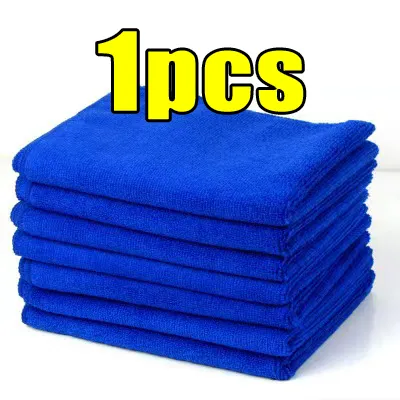
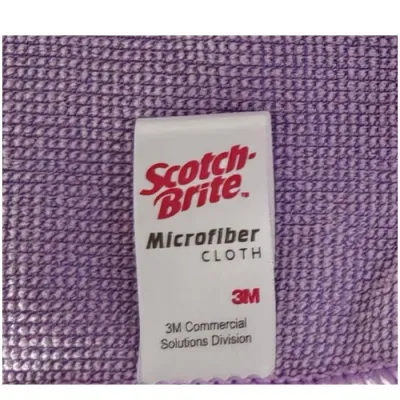
Household microfibre cloths are generally unsuitable for delicate automotive paintwork. They typically feature a very low GSM, rough polyester-stitched edges, and a low-quality blend ratio that lacks sufficient polyamide. While they are acceptable for low-risk tasks like cleaning exhaust tips, wheel arches, or engine bay plastics, using them on exterior paint poses a high risk of creating swirl marks, micro-scratches, and leaving heavy lint on glass.
How do I know when it is time to replace a microfibre car cloth?
Replace or demote your microfibre car cloth when it exhibits physical signs of degradation. Key indicators include permanently lost absorbency (where water beads up on the cloth instead of soaking in), matted or stiff fibers that do not soften after a proper wash, lingering chemical odors, or visible fraying at the edges. Degraded paint-grade cloths should be demoted to utility tasks, such as cleaning wheels, tires, or engine bays, rather than being used on delicate clear coats.
Community discussion
Share your experience or ask a question. Comments are reviewed before publication.