
Protecting a Tesla Model Y from the intense tropical climate of Singapore requires more than just a generic fabric sheet. The combination of sudden, heavy downpours and unrelenting, high-UV sunlight can quickly degrade a vehicle’s exterior and heat up the cabin. To safeguard your vehicle effectively, you must look beyond marketing buzzwords and evaluate specific material specifications, including hydrostatic head ratings, Ultraviolet Protection Factor (UPF) metrics, and moisture vapor transmission rates.
Selecting the right exterior protection involves matching these technical specifications to your parking situation. Whether you park in an open-air HDB car park or an unsheltered driveway, understanding how these materials perform under stress will help you choose a cover that prevents paint damage, manages heat, and keeps your vehicle secure.
Understanding Waterproof Ratings for Heavy Rain
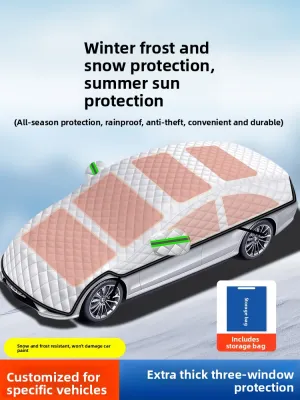
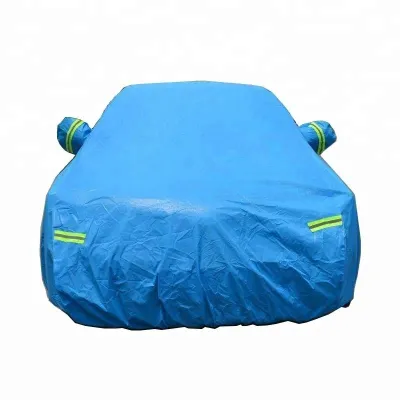
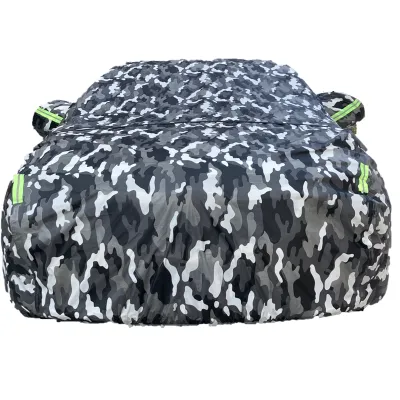
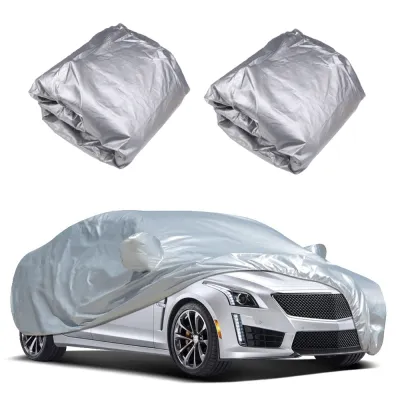
When shopping for a car cover, it is vital to distinguish between water-resistant and fully waterproof materials. Water-resistant covers are designed to repel light moisture or morning dew, but they will quickly saturate and leak during a typical tropical thunderstorm. For reliable protection against heavy downpours, the product specifications must explicitly state that the material is fully waterproof.
Products mentioned in this guide
![[24 hours delivery] Upgraded and thickened universal car cover size:M/L/XL/XXL/3XL car cover outdoor protection sunscreen car cover waterproof car shade car cover sun protection car cover outdoor sunscreen](https://img.lazcdn.com/g/p/808f8e56d0f1744f116eabe475a3a1ff.jpg_400x400q80.jpg_.webp)
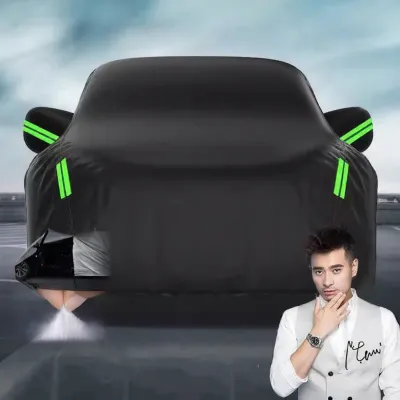
Prices are valid at publication and may change. Please refer to the product page for the latest price.
To verify the level of water resistance, look for a hydrostatic head rating on the manufacturer’s specification sheet. This rating, measured in millimeters (mm), indicates the amount of water pressure the fabric can withstand before liquid starts to penetrate. For the intense rainfall common in tropical regions, a rating of at least 2,000 mm is recommended to ensure that water does not seep through the fabric during prolonged storms.
Even the most advanced waterproof fabric will fail if the construction is weak. Standard stitched seams contain thousands of tiny needle holes that allow water to slowly drip onto your vehicle’s paintwork. When evaluating a cover, check the product details for sealed, taped, or heat-welded seams, which block water ingress at the joints and ensure the cover remains completely watertight.
Decoding UV Protection and Heat Reflection
Singapore’s proximity to the equator means vehicles are subjected to high levels of ultraviolet radiation daily. Over time, UV rays break down the clear coat of your Tesla Model Y, leading to oxidation, fading, and a loss of gloss. To prevent this degradation, look for a cover with a verified Ultraviolet Protection Factor (UPF) rating, ideally UPF 50+, which blocks approximately 98% of harmful UV radiation.

In addition to UV protection, heat reflection is critical for maintaining a reasonable cabin temperature. Look for covers featuring a highly reflective outer layer, often made with aluminum coatings or light-colored, specialized polymers. This reflective surface deflects solar radiation away from the vehicle, reducing thermal transfer through the glass roof and keeping the interior electronics and upholstery cooler.
Constant exposure to intense sunlight also degrades the cover itself. Cheap materials can quickly become brittle, fade, and tear after just a few months of outdoor use. To ensure longevity, verify that the manufacturer has treated the outer layer with UV-stabilized inhibitors designed to resist cracking and structural breakdown under continuous sun exposure.
The Critical Role of Breathability in Tropical Climates
While keeping rainwater out is essential, letting trapped moisture escape is equally important. A completely impermeable, non-breathable cover acts like a greenhouse, trapping ground moisture, humidity, and condensation underneath the fabric. This trapped moisture can lead to paint blistering, unsightly water spots, and the rapid growth of mold or mildew inside and outside the vehicle.
To avoid these issues, look for covers engineered with breathable membrane technologies or micro-porous fabrics. These materials feature microscopic pores that are small enough to block liquid water droplets from entering, yet large enough to allow water vapor molecules to escape from underneath. This continuous evaporation process keeps the vehicle’s surface dry even during high-humidity days.
Finding the right balance between waterproofing and breathability is key. If you must choose, a cover with a slightly lower waterproof rating that offers excellent breathability is often safer for long-term outdoor storage than a completely airtight plastic cover. Always check the product specifications to ensure the material is rated for high moisture vapor transmission.
Fit, Security, and Sensor Safety Considerations
A proper fit is essential to prevent physical damage to your vehicle’s exterior. Universal or semi-custom covers often fit loosely, allowing wind to get underneath the fabric. In strong winds, a loose cover will flap continuously, causing the fabric to rub against the paintwork and act like fine sandpaper on the clear coat. A custom-fit cover tailored specifically to the dimensions of the Tesla Model Y minimizes movement and prevents wind-induced scratches.
In addition to a snug fit, examine the inner lining of the cover. The layer in direct contact with your vehicle should consist of a soft, non-abrasive material, such as brushed cotton, fleece, or high-density microfiber. This soft lining cushions the paintwork during installation and removal, preventing swirl marks and fine scratches.
Finally, consider how the cover interacts with your Tesla’s onboard technology. The Model Y utilizes external cameras and sensors for security features like Sentry Mode. Ensure the cover is designed to accommodate these systems without triggering false alarms or completely blocking ventilation. If you plan to charge your vehicle while it is covered, verify that the cover features a dedicated, ventilated charging port flap. Always consult your Tesla owner’s manual for specific safety guidelines regarding charging and ventilation while using an exterior cover.
Frequently Asked Questions (FAQ)
Can I put a car cover on a wet vehicle?
No, you should never place a car cover over a wet or damp vehicle. Trapping standing water between the cover and the paintwork can lead to moisture damage, water spots, and mold growth. Always dry your vehicle thoroughly with a clean microfiber towel before applying the cover, or wait for the surface to dry naturally in the sun.
How often should I wash the car cover?
You should wash your car cover whenever you notice an accumulation of dust, dirt, or environmental debris on either side. Dirt trapped on the inner lining can scratch your vehicle’s paint during installation. Always refer to the manufacturer’s care label for specific cleaning instructions, as using harsh detergents or machine washing can strip away the specialized waterproof and UV-resistant coatings.
Community discussion
Share your experience or ask a question. Comments are reviewed before publication.