
Navigating Singapore’s intense tropical climate in a Tesla Model 3 presents a unique thermal challenge. While the vehicle’s panoramic glass roof offers an expansive, futuristic cabin feel, it also acts as a massive solar collector under the equatorial sun. Finding the right Tesla Model 3 sunshade requires looking past generic marketing claims and focusing on verified material specifications, precise physical fitment, and how the shade integrates with your daily driving routine. By evaluating thermal performance, mounting mechanisms, and structural durability, you can significantly lower cabin temperatures and protect your vehicle’s interior from heat degradation.
Understanding the Model 3 Glass Roof and Tropical Heat
To choose an effective sunshade, it is essential to understand how solar energy interacts with the Tesla Model 3’s glass roof. The panoramic roof is constructed from safety glass that inherently blocks a high percentage of ultraviolet (UV) radiation. However, UV radiation is only responsible for fading interior materials and causing skin damage; it is not the primary source of heat. Infrared (IR) radiation and visible light are the main contributors to cabin heat. When sunlight passes through the glass, it strikes the black seats, dashboard, and center console, converting into long-wave infrared heat that cannot easily escape back through the glass. This creates a powerful greenhouse effect inside the cabin.
In Singapore, where ambient temperatures regularly exceed 30°C and relative humidity remains high, a parked Model 3 can quickly reach internal temperatures of over 60°C. This extreme heat forces the vehicle’s Cabin Overheat Protection system to run frequently, drawing power from the high-voltage battery. Even if you disable this feature, cooling down a heat-soaked cabin requires the air conditioning system to run at maximum capacity for an extended period. This high HVAC workload increases your energy consumption (measured in Watt-hours per kilometer), directly reducing your driving range. An effective aftermarket sunshade acts as a physical barrier, intercepting solar radiation before it can heat the cabin air and interior surfaces.
Products mentioned in this guide
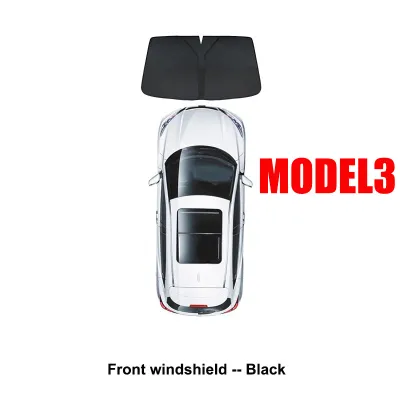
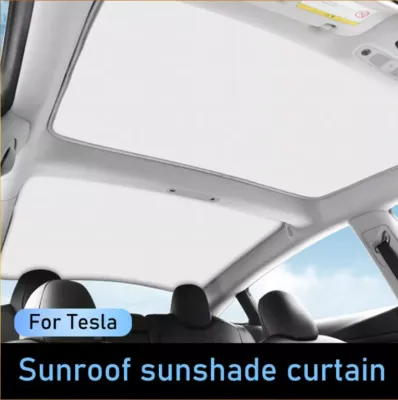

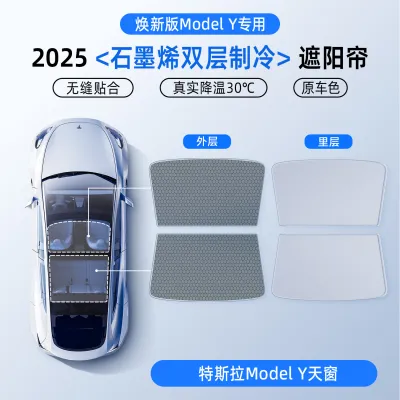
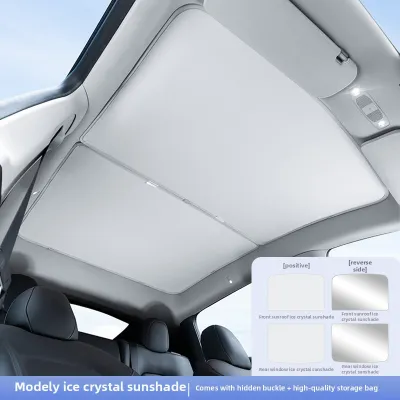
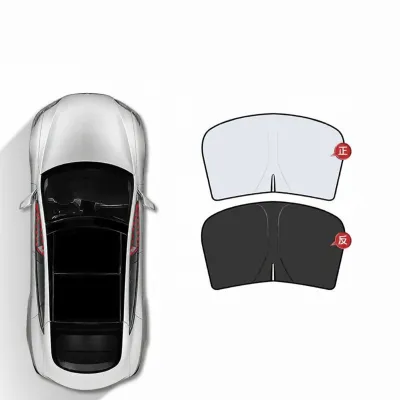
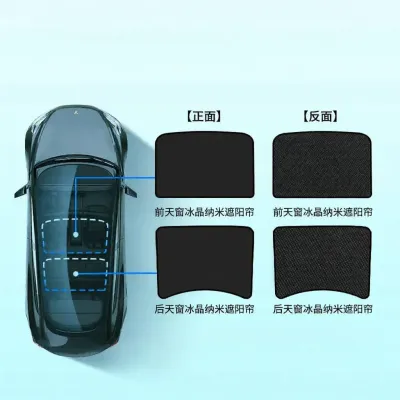
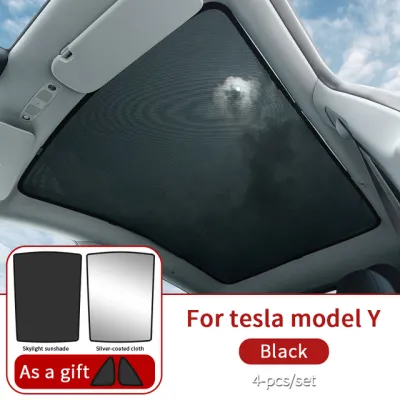
Prices are valid at publication and may change. Please refer to the product page for the latest price.
Key Material and Design Criteria for Maximum Heat Rejection
When evaluating sunshade materials, the primary distinction is between reflective and absorptive designs. Many basic mesh sunshades only block visible light to reduce glare, but they absorb infrared heat rather than reflecting it. This absorbed heat eventually radiates downward into the cabin, offering minimal thermal relief. For maximum heat rejection, look for sunshades that feature a highly reflective outer layer, such as a silver-titanium or aluminum-coated fabric. This layer bounces solar energy back out through the glass roof before it can convert into cabin heat.

A high-performance sunshade typically utilizes a multi-layer construction to create a thermal break. The outer layer reflects radiation, a middle insulating layer (often made of high-density foam or a honeycomb air-pocket structure) slows down heat transfer, and a soft inner fabric layer provides a clean aesthetic that matches the vehicle’s original headliner. When reviewing product specifications, check for independent laboratory ratings or manufacturer-provided data regarding heat rejection capabilities, specifically looking for high Infrared Rejection (IRR) percentages.
Physical coverage is just as critical as material composition. The Model 3 roof has a complex curvature, and even a small gap of one or two centimeters along the edges can allow a significant amount of direct sunlight and heat to pour into the cabin. Opt for custom-molded sunshades that feature a flexible steel frame or a rigid border designed to press firmly against the roof pillars. This edge-to-edge fitment ensures there are no light leaks, maximizing the thermal efficiency of the barrier.
Choosing the Right Sunshade Style for Your Daily Routine
Sunshades for the Tesla Model 3 generally fall into three design categories, each offering distinct trade-offs in terms of convenience, aesthetics, and storage.
Retractable Roller Shades
Retractable sunshades are semi-permanently mounted to the roof frame using specialized brackets. They feature a spring-loaded roller mechanism that allows you to pull the shade closed when parking and retract it when you want an open view of the sky. While they offer unmatched daily convenience, they have physical limitations. Over time, the constant exposure to Singapore’s high heat can weaken the internal springs, leading to sagging. Additionally, the mounting hardware and roller housing remain visible even when retracted, slightly altering the clean lines of the Tesla interior.
Folding Fabric Shades
Folding fabric shades consist of a flexible wire frame wrapped in mesh, often accompanied by a separate, detachable reflective backing sheet. These shades are highly popular because they are lightweight and can be twisted and folded down into a compact circle, fitting easily into the sub-trunk or frunk. The main drawback is the daily effort required for deployment. Installing and removing a two-piece roof shade, especially when aligning the reflective backing and inserting mounting clips, can become tedious if you park in multiple outdoor locations throughout the day.
Rigid or Magnetic Panel Shades
Rigid panel shades use a stiffer, molded frame that matches the exact contour of the Model 3 roof. Some designs utilize magnetic mounts that snap onto metal clips tucked into the headliner, making installation much faster than traditional friction-fit clips. These panels provide a very clean, sag-free appearance that closely resembles a solid roof. However, because they do not fold down into a small shape, storing them when not in use is a challenge. They must be stored flat, which can take up a significant portion of your trunk space.
Verifying Fitment and Protecting Your Interior
Before purchasing any sunshade, you must verify compatibility with your specific Model 3 generation. Tesla introduced a major design refresh for the Model 3 (commonly referred to as the “Highland” update) in late 2023. The Highland refresh features slightly different roof dimensions, glass curvatures, and headliner clearances compared to pre-2024 models. A sunshade designed for an older Model 3 will not fit a Highland model correctly; it will either sag in the middle or fail to stay secured in the headliner gaps. Always check the manufacturer’s compatibility list for the exact model year of your vehicle.
Pay close attention to the attachment mechanisms used by the sunshade. Most folding shades rely on small plastic clips that slide between the glass roof and the fabric headliner. Inspect these clips to ensure they are made of smooth, non-marring ABS plastic. Rough or sharp edges on metal or cheap plastic clips can scratch the glass coating, tear the delicate headliner fabric, or damage the rubber weatherstripping. If you choose a magnetic mounting system, ensure the magnets are fully enclosed in fabric or rubber to prevent them from scratching the interior trim during installation.
Because manufacturing tolerances can vary slightly between vehicles and aftermarket accessories, it is wise to purchase from retailers that offer a clear return policy or fitment guarantee. When you receive the sunshade, perform a test installation immediately. Check for any sagging in the center of the roof, loose clips that rattle while driving, or gaps along the perimeter. If the shade does not fit snugly, return it rather than attempting to force it, as excessive pressure can damage your vehicle’s interior components.
Safe Installation and Humidity-Resistant Maintenance
Installing a sunshade requires a gentle touch to avoid damaging your vehicle. When inserting mounting clips into the headliner gap, never use excessive force. The glass roof is under tension, and concentrated pressure on a single point could potentially cause stress fractures. Ensure that the clips do not pinch or interfere with the side curtain airbag covers or any wiring harnesses running along the roof pillars, such as those for the overhead console or cabin sensors.
Singapore’s high relative humidity introduces a unique maintenance challenge: mold and mildew. When you run the air conditioning inside a hot car, condensation can form in the dead air space between the cold glass roof and the sunshade. Over time, this trapped moisture can lead to musty odors and mold growth on the fabric. To prevent this, make it a habit to remove the sunshade periodically—at least once a month—to let the cabin air circulate freely. Clean the sunshade according to the manufacturer’s care label, typically using a damp microfiber cloth and a mild, pH-neutral soap. Avoid harsh chemical cleaners that can degrade the reflective coatings.
Proper storage is also essential for preserving the lifespan of folding fabric shades. Avoid forcing the wire frame into a tighter fold than recommended, as this can permanently warp the metal, leading to a loose fit and sagging during future use. Store the shade flat in its designated carrying bag, and avoid placing heavy luggage on top of it in the trunk, which can crease the reflective material or delaminate the multi-layer fabric.
Frequently Asked Questions (FAQ)
Will a sunshade interfere with the cabin camera or sensors?
Roof sunshades do not interfere with the cabin camera or autopilot sensors, as these are housed in the rearview mirror assembly and face forward or downward. However, if you are installing a front windshield sunshade, you must ensure it features a precise cutout around the rearview mirror housing. A poorly fitting windshield shade can press against the mirror assembly, potentially misaligning the forward-facing camera array or blocking the ambient light sensors, which can affect the automatic headlights and wipers.
Do I need a sunshade for the rear window as well as the roof?
Deciding whether to shade the rear window depends on your passenger comfort and driving habits. The Model 3’s rear window is a single, continuous piece of glass that extends from the middle of the roof down to the trunk lid. While the upper portion is heavily tinted from the factory, the lower portion is clear to maintain rearward visibility. A rear window sunshade can significantly reduce heat ingress and protect rear passengers from direct sunlight. However, you must ensure that any rear shade you install does not obstruct your view through the rearview mirror, especially during night driving or heavy rain in Singapore.
Community discussion
Share your experience or ask a question. Comments are reviewed before publication.