
Deciding whether to prioritize a front windshield sunshade or side window shades is a common dilemma for Tesla owners, especially those navigating hot, tropical climates like Singapore. With their expansive glass panels designed to maximize cabin openness and visibility, Tesla vehicles can quickly experience significant solar heat gain when parked or driven under direct sunlight. For most owners, starting with a front windshield shade offers the most immediate, comprehensive reduction in cabin temperature and protects critical interior components. However, your daily passenger habits, commuting routes, and specific parking conditions may make side window shades the more urgent initial purchase.
Understanding how solar energy interacts with your vehicle’s cabin is key to making the right choice. By evaluating where heat enters your vehicle most aggressively and how you use your cabin daily, you can deploy your sun protection strategy efficiently without making redundant investments.
Why the Front Windshield Shade Usually Comes First
The front windshield represents the largest single source of solar heat entry when your vehicle is parked. Because of its massive surface area and steep, aerodynamic angle, the windshield acts as a highly efficient solar collector, allowing direct sunlight to penetrate deep into the front cabin. This solar radiation strikes the dark surfaces of the dashboard, steering wheel, and the prominent central touchscreen, which absorb the energy and radiate it back into the cabin as heat.
Products mentioned in this guide
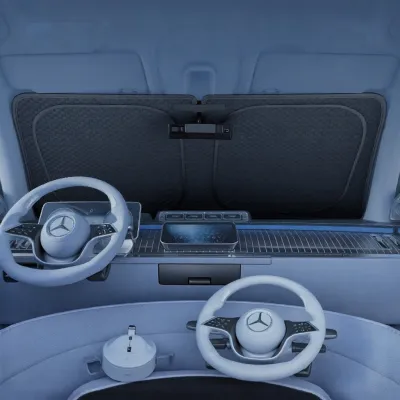
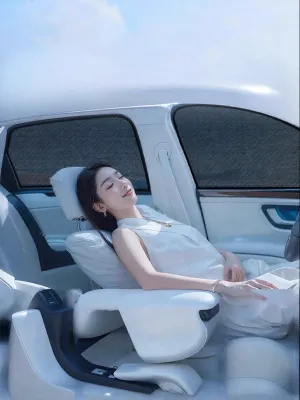
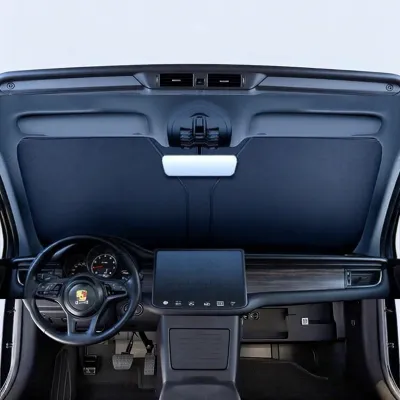
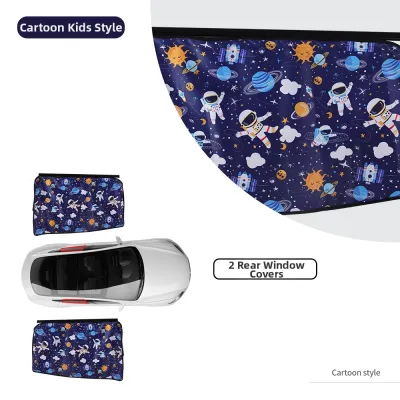
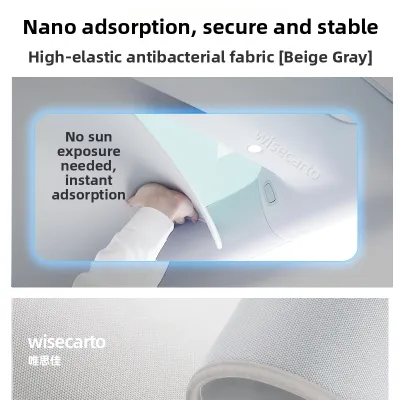
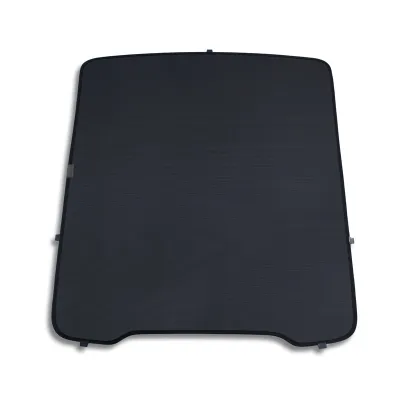
Prices are valid at publication and may change. Please refer to the product page for the latest price.
Rather than relying on unverified heat rejection percentages printed on product packaging, you can easily observe this phenomenon yourself. After parking your vehicle in an open-air lot for an hour, touch the top of the dashboard and the steering wheel; the intense localized heat is a direct result of untreated solar penetration. A dedicated front windshield shade acts as a physical barrier right at the glass line, reflecting this incoming radiation before it can be absorbed by your interior materials.
Beyond temperature control, a front windshield shade plays a critical role in preserving your Tesla’s interior longevity. Continuous exposure to ultraviolet (UV) radiation and extreme heat can cause the synthetic leather on the dashboard and steering wheel to dry out, fade, or crack over time. Additionally, shielding the central touchscreen from direct, concentrated sunlight helps prevent thermal stress on the display hardware, ensuring the screen remains responsive and clear for years to come.
When Side and Rear Window Shades Take Priority
While a front windshield shade is highly effective when parked, side and rear window shades often become the immediate priority if you frequently carry passengers. Rear-seat passengers, particularly infants in child safety seats, young children, and pets, are highly sensitive to localized heat and direct solar glare. Because they cannot easily adjust their seating position to escape the sun, direct exposure through the side windows can quickly lead to discomfort during longer journeys.

Your daily commuting route also dictates whether side shades should take precedence. If your morning and evening commutes align with direct east-west routes, such as driving along the Pan Island Expressway (PIE) or East Coast Parkway (ECP), the sun sits low on the horizon. During these hours, solar radiation streams directly through the side windows rather than the windshield, causing intense glare and uneven cabin heating that a front shade cannot address.
Furthermore, the necessity of side shades depends heavily on your vehicle’s factory glass configuration. If your specific Tesla model lacks dark factory-tinted privacy glass on the rear side windows, the cabin can feel highly exposed to both heat and external onlookers. In these scenarios, installing side window shades provides immediate relief from glare, lowers the perceived temperature for your passengers, and significantly enhances cabin privacy.
Tesla Model-Specific Glass and Configuration Checks
Before purchasing any aftermarket sunshade, it is essential to verify the original glass specifications of your specific Tesla model and production year. Tesla vehicles are equipped with advanced glass technology from the factory, but the level of built-in UV and infrared protection varies significantly across different glass panels and model variants. Consulting your owner’s manual or vehicle specification sheet will help you identify what built-in protection you already have.
It is important to differentiate between the panoramic glass roof and the side windows. The overhead glass roof on both the Model 3 and Model Y features heavy factory tinting and integrated safety layers designed to block a substantial portion of solar heat and UV radiation. Because this overhead barrier is highly effective on its own, adding an aftermarket roof shade is generally less urgent than addressing the front windshield and side windows, which receive more direct lateral sunlight.
Additionally, check for the presence of factory privacy glass on your rear side windows before buying additional shades. If your vehicle already has deeply tinted rear glass, adding highly opaque aftermarket side shades can severely restrict your outward visibility, particularly during night driving or heavy tropical downpours. For these vehicles, you may only need to focus on the front side windows or select highly translucent, mesh-style shades that preserve visibility while offering basic glare reduction.
Comparing Installation, Storage, and Daily Usability
The practical value of any sunshade depends heavily on how easily it fits into your daily routine. Front windshield shades are designed for temporary use while parked. Most high-quality options utilize a flexible, twist-to-fold wire frame that collapses into a compact circle, allowing you to store it easily in the door pockets, under-seat storage bins, or the sub-trunk. However, this requires you to manually install and fold the shade every time you park and drive, which some drivers find tedious during quick multi-stop trips.
In contrast, side window shades are typically semi-permanent installations. They are designed to remain in place while driving, utilizing magnetic frames that cling to the door structure, static-cling materials, or small suction cups. While they provide continuous protection without daily setup, they can impact your lateral visibility. It is crucial to ensure that any side shade you install does not block your view of the side mirrors or obstruct your blind-spot checks, especially in low-light conditions.
Safety is a paramount consideration when choosing side shades due to Tesla’s frameless door design. When you open a Tesla door, the window glass automatically indexes down slightly to clear the rubber seal, and slides back up once the door is closed. If a side shade clips over the top edge of the glass or sits too thickly within the window channel, it can interfere with this movement, potentially damaging the window seals or triggering the window’s anti-pinch safety sensor. Always verify that the shade’s mounting mechanism is fully compatible with frameless doors before installation.
Decision Framework: Which Should You Buy First?
To help you finalize your purchasing sequence, apply this structured decision framework based on your primary driving environment and passenger needs:
- Choose Front Windshield First if: Your Tesla is frequently parked outdoors in open-air parking lots during peak daylight hours. You primarily drive alone or with a single front-seat passenger, and your main goal is to protect the dashboard, steering wheel, and central touchscreen from heat degradation while reducing the initial cabin temperature before driving.
- Choose Side/Rear First if: You regularly transport passengers, children, or pets in the rear seats who require protection from direct glare and localized heat. Your daily commute involves driving directly into the rising or setting sun, or you primarily park in sheltered basement carparks but experience discomfort from lateral solar exposure while driving.
- Verify First if: You are unsure of your specific model year's glass specifications. Always measure your windows or check the manufacturer's compatibility list to ensure the shade matches your exact Tesla model and production year. A shade designed for a pre-refresh Model 3 will not fit the contours of a Model Y windshield or the updated door frames of newer model iterations.
If your budget allows, a sequential purchasing strategy is highly effective. Starting with a front windshield shade establishes a strong baseline of heat defense for your parked vehicle. You can then monitor your passengers’ comfort levels over several weeks to determine if adding side or rear window shades is necessary for your typical driving routes.
Frequently Asked Questions (FAQ)
Do Tesla windows already have built-in UV protection?
Yes, Tesla vehicles come equipped with glass that provides a baseline level of ultraviolet (UV) protection, but the level of defense varies by window location. The front windshield is constructed from laminated safety glass, which inherently blocks almost all UVB rays and a significant portion of UVA rays. However, the side and rear windows may use tempered glass, which typically offers less comprehensive UVA protection unless specified otherwise by the manufacturer or treated with aftermarket window tinting. To confirm the exact UV protection levels of your specific vehicle, check the glass manufacturer markings in the corner of each window pane or consult your owner’s documentation. If you want precise verification, you can use a digital UV meter to measure the transmission of sunlight through each glass panel under direct sunlight.
Will side window shades interfere with Tesla's window sensors or auto-up features?
There is a distinct possibility of interference if the side window shades are poorly fitted or designed incorrectly for frameless doors. Tesla vehicles utilize frameless doors where the window glass must drop slightly (index) when the door handle is pulled and rise back up once the door is shut to create a weather-tight seal. If a side shade uses clips that attach directly to the top edge of the glass, or if it is thick enough to create friction within the rubber window channels, it can trigger the vehicle’s anti-pinch safety sensor. This sensor is designed to automatically reverse the window’s direction if it detects resistance, preventing the window from closing fully. To avoid this, look for shades that mount magnetically to the metal door frame rather than the glass itself, or opt for static-cling designs that do not touch the window seals. Always test the window’s auto-up and auto-down features immediately after installing any side shade, and remove the accessory immediately if you observe any hesitation, stuttering, or failure to seal properly.
Community discussion
Share your experience or ask a question. Comments are reviewed before publication.