
Drying your vehicle is one of the most critical yet frequently misunderstood steps in the car washing process. While many car owners focus their attention on choosing the right shampoo or wax, the method used to dry the paint has a far greater impact on whether the vehicle develops unsightly swirl marks and scratches. In Singapore’s tropical climate, where intense sunlight and high ambient temperatures cause water to evaporate rapidly, drying your car quickly and safely is essential to prevent stubborn mineral deposits, commonly known as water spots, from etching into your clear coat.
To achieve a flawless, spot-free finish, car enthusiasts and daily drivers typically choose between three primary drying tools: synthetic chamois, natural chamois, and microfiber drying towels. Each of these materials operates on distinct physical principles, offering different levels of water absorption, paint safety, and long-term durability. Understanding how these materials interact with your car’s paintwork is the key to selecting the best tool for your detailing routine and budget.
Quick Answer: Which Car Drying Method Is Best?
For the vast majority of modern vehicles, high-quality microfiber drying towels are the safest, most efficient, and most versatile choice. Their engineered structure allows them to lift and trap residual dirt particles away from the paint surface, minimizing the friction that causes fine swirl marks. This makes them highly recommended for vehicles with delicate clear coats, ceramic coatings, or paint protection films (PPF).
Products mentioned in this guide
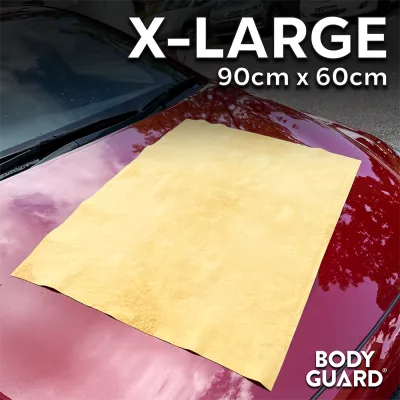
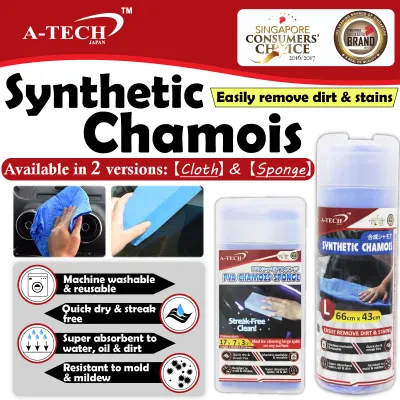
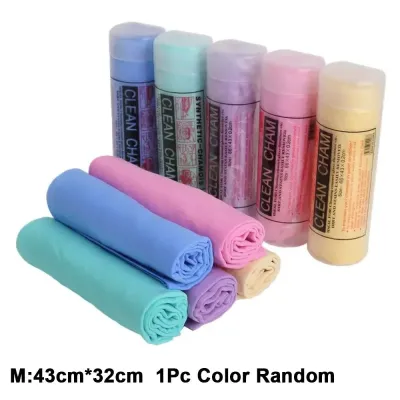
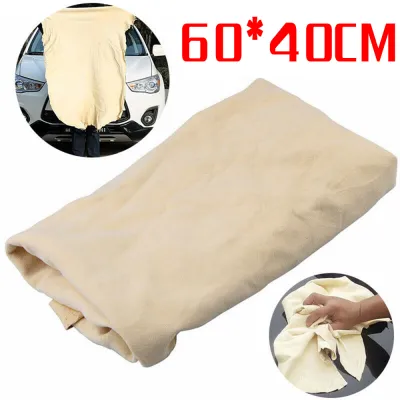
Prices are valid at publication and may change. Please refer to the product page for the latest price.
Synthetic chamois, typically made from Polyvinyl Alcohol (PVA), serves as a highly absorbent, budget-friendly alternative. It excels at clearing large volumes of water from flat panels in a single pass, making it popular among those who prioritize speed and efficiency. However, because it has a completely flat surface profile, it lacks the ability to safely pocket missed dirt particles, meaning it carries a higher risk of dragging contaminants across your paint if the surface is not perfectly clean.
Natural chamois, crafted from traditional sheepskin leather, is largely considered an outdated option for modern automotive care. While historically prized for its soft texture when wet, it requires intensive manual maintenance to prevent rotting, stiffening, and odor. Furthermore, its flat leather surface poses a significant risk of marring modern, soft clear coats, making it a poor fit for daily drivers.
Your choice should ultimately align with your primary detailing goals:
- Prioritize Paint Safety: Choose a premium, high-GSM microfiber drying towel to protect your clear coat from scratches.
- Prioritize Speed and Water Volume: Choose a synthetic chamois if you want to dry large flat areas quickly and are highly confident in your washing thoroughness.
- Prioritize Traditional Methods: Natural chamois remains a niche choice for classic car collectors who are willing to invest significant time into specialized leather maintenance.
How They Work: Absorption and Drying Efficiency
To understand the practical performance of these drying tools, it is helpful to look at how they manage water on a microscopic level. Microfiber towels utilize capillary action to pull water away from the vehicle’s surface. These towels are woven from a blend of polyester and polyamide, which are split during manufacturing to create millions of tiny, wedge-shaped channels. When the towel glides over wet paint, surface tension draws water up into these microscopic spaces, locking the moisture deep within the fabric’s weave. This capillary effect allows a high-quality microfiber towel to hold several times its weight in water without leaving streaks behind.

Synthetic chamois towels, commonly referred to as PVA towels, operate on a sponge-like open-cell mechanism. PVA is a highly hydrophilic synthetic polymer that naturally bonds with water molecules. When manufactured into a sheet, it forms a dense network of interconnected pores that act as a vacuum, sucking up liquid upon direct contact. Because PVA is highly compressible, a simple, firm wring expels almost all the trapped moisture, instantly restoring the towel’s full absorption capacity. This makes it highly efficient for continuous drying, as you can dry an entire vehicle using a single small sheet by wringing it out periodically.
Natural chamois relies on the organic porous structure of sheepskin leather that has been tanned using marine oils, typically cod oil. This traditional tanning process makes the leather fibers highly receptive to water while keeping them soft and pliable when wet. Unlike microfiber, which traps water in synthetic channels, or PVA, which holds it in engineered cells, natural leather absorbs water through the physical swelling of its organic fibers. To begin absorbing water, a natural chamois must first be completely soaked and wrung out; a dry natural chamois is stiff and entirely non-absorbent.
In a practical car washing routine, these absorption mechanics translate to very different user experiences. When using a plush microfiber towel, you can employ the “lay and drag” method, draping the towel across a panel and gently pulling it by the corners to dry the surface in a single, effortless pass. A synthetic chamois requires a similar dragging motion but creates significantly more surface tension, resulting in a physical “grabbing” sensation as it clears the water. Natural chamois requires the most physical effort, as it must be frequently and forcefully wrung out by hand during use, and it often requires multiple passes over the same area to leave a completely streak-free finish.
Paint Safety: Scratch and Swirl Mark Risks
Preserving the integrity of your vehicle’s clear coat is the most critical factor when choosing a drying tool. Modern automotive paint systems consist of a thin clear coat layer that is highly susceptible to micro-scratches, wash marring, and swirl marks. These tiny defects act like tiny mirrors, scattering light and dulling the paint’s natural gloss and depth, an effect that is especially visible under direct sunlight or bright streetlights.
Microfiber towels offer the highest level of paint safety due to their deep, plush pile. If a small speck of road grit, dust, or pollen settles on your car during the drying process, or if you missed a spot during the washing phase, the split fibers of a microfiber towel will engulf the particle. This action lifts the grit away from the paint surface and holds it deep within the fabric’s weave, preventing it from being pressed and dragged against the clear coat. This dirt-trapping capability drastically reduces the risk of inducing swirl marks, even during regular maintenance washes.
Synthetic chamois, by contrast, has a completely flat, non-porous surface profile. When you pull a PVA chamois across a car panel, any dust or dirt remaining on the paint has nowhere to escape. The flat surface of the chamois presses the contaminant directly against the clear coat and drags it along the path of your stroke, acting like ultra-fine sandpaper. This dragging action is a primary cause of straight-line scratches and fine marring. Consequently, using a synthetic chamois safely requires an absolutely flawless wash process, typically involving a two-bucket method or a foam cannon to ensure zero residual dirt remains on the vehicle.
Natural chamois presents an even higher risk of paint marring. As sheepskin leather dries, it naturally hardens and loses its pliability. If you attempt to use a natural chamois that has not been perfectly and uniformly rehydrated, the stiff leather fibers will scratch the paint. Furthermore, like synthetic chamois, natural leather lacks a pile to absorb and isolate dirt particles. Any microscopic grit on the surface is trapped between the flat leather and the paint, leading to distinct marring patterns known as holograms. Because these defects can only be removed through professional machine polishing, natural chamois is generally not recommended for vehicles with sensitive clear coats or dark paint finishes.
Maintenance, Durability, and Long-Term Value
Evaluating the long-term value of a drying tool requires looking beyond the initial purchase price to consider its lifespan, maintenance requirements, and potential contribution to paint damage costs.
Microfiber Towels
These towels require specific laundering protocols to maintain their soft, absorbent properties. They must be machine-washed using dedicated microfiber detergents or mild, liquid laundry detergents that do not contain fabric softeners, bleach, or scents. Fabric softeners coat the synthetic fibers, clogging the capillary channels and drastically reducing water absorption. Furthermore, microfiber must be dried on a low-heat cycle or air-dried in a dust-free environment, as high heat will melt the polyester and polyamide tips, turning the soft fibers hard and scratchy. When cared for correctly, a premium microfiber towel can withstand hundreds of wash cycles, maintaining its safety and performance for years. The initial investment for a high-quality drying towel typically ranges from S$15 to S$40, representing excellent long-term value.
Synthetic Chamois
PVA chamois towels have unique storage requirements that can be inconvenient. To prevent the material from drying out, hardening, and becoming brittle—which leads to cracking and tearing—it must be stored slightly damp. Most synthetic chamois products come with a dedicated plastic storage tube or a resealable bag designed to retain moisture. However, storing a damp synthetic cloth in a sealed container in hot, humid climates creates an ideal breeding ground for mold, mildew, and unpleasant odors if the towel is not thoroughly rinsed with clean water beforehand. If a PVA chamois dries out completely and turns rock-hard, it must be fully submerged in warm water to slowly rehydrate before it can be folded or used; attempting to bend a dry PVA chamois will ruin it. While they are relatively inexpensive, costing between S$8 and S$25, their lifespan is highly dependent on strict adherence to these damp-storage protocols.
Natural Chamois
Natural sheepskin leather requires the most intensive maintenance of all. After every use, it must be meticulously hand-washed in lukewarm water with a mild, non-detergent soap (such as pure castile soap) to remove any contaminants without stripping the natural oils embedded in the leather. It must then be rinsed thoroughly, gently wrung out, and hung to dry slowly in a shaded, well-ventilated indoor area. Exposing a natural chamois to direct sunlight or high heat during drying will cause the leather to shrink, stiffen, and rot. If stored damp, it will quickly develop mold and a strong, sour odor. Given their high initial purchase price—often ranging from S$30 to over S$60—and their susceptibility to rapid degradation if neglected, natural chamois represents poor long-term value for modern car owners.
When comparing long-term costs, you must also factor in the potential need for paint correction. If a cheap or poorly maintained drying tool inflicts swirl marks across your vehicle, a professional paint correction service can easily cost anywhere from S$150 to S$500 or more. Investing in a safe, high-quality microfiber towel is a highly cost-effective way to prevent these expensive defects.
Decision Framework: Which Drying Tool Should You Buy?
To select the ideal car drying tool for your routine, consider your vehicle’s paint condition, your available maintenance time, and your specific washing environment.
Choose Microfiber Drying Towels if:
- You prioritize paint safety and want to prevent swirl marks on modern clear coats.
- Your vehicle is protected by a ceramic coating, paint protection film (PPF), or high-quality wax, as microfiber glides smoothly over these surfaces without stripping them.
- You prefer the convenience of machine washing and want a durable tool that lasts for years.
- You frequently wash your car at home or at public washing bays and need a fast, single-pass drying solution.
Choose Synthetic Chamois if:
- You are working with a limited budget but still require high water absorption capacity.
- You primarily dry large, flat, non-painted surfaces such as glass windows, chrome trim, or commercial vehicle panels where minor micro-scratching is less of a concern.
- You are disciplined enough to clean, wring, and store the towel in its damp-storage tube after every single wash.
Avoid Natural Chamois if:
- Your car has a modern, soft clear coat or a dark paint color (such as black or deep blue) where paint marring is highly visible.
- You want a low-maintenance car care routine that does not involve hand-washing and air-drying delicate leather.
- You do not have a cool, shaded, dust-free indoor space to properly dry and store natural leather.
Verify first if:
Before purchasing any drying accessory, check your vehicle manufacturer’s care instructions, particularly if you have specialized matte paint, aftermarket wraps, or delicate decals. Some specialized matte finishes require specific non-abrasive microfiber weaves and strictly prohibit the dragging motion typical of chamois products to prevent creating shiny spots on the matte surface. Always test any new drying tool on an inconspicuous area first to ensure compatibility with your paint finish.
Frequently Asked Questions (FAQ)
Can I use a regular household bath towel to dry my car?
No, you should never use a standard cotton household bath towel to dry your car. Cotton bath towels are designed with looped fibers that are highly abrasive to delicate automotive clear coats. Furthermore, they lack the split-fiber technology of microfiber, meaning they cannot trap microscopic dirt particles; instead, they press and drag any residual grit across the paint, causing severe swirl marks and scratches. They also tend to shed significant amounts of lint, leaving your freshly washed car looking dusty.
How do I store a synthetic chamois to prevent it from hardening?
To prevent a PVA synthetic chamois from turning stiff and brittle, always store it slightly damp in its original plastic tube or a clean, sealed zip-top bag. After drying your car, rinse the chamois thoroughly under clean running water to remove any dirt or soap residue, wring it out gently so it remains damp but not dripping, fold it, and place it in its container. If it does dry out completely and harden, do not attempt to bend or unfold it, as this will tear the material; instead, submerge it in warm water for several minutes until it becomes fully soft and pliable again.
What GSM is best for a microfiber car drying towel?
GSM stands for grams per square meter, which measures the density and thickness of a microfiber towel. For drying a vehicle’s exterior paint safely, look for a high-density towel with a GSM rating of 400 to 600 or higher, as these plush towels offer the maximum water absorption capacity and a deeper pile to trap dirt safely. Lower GSM towels (around 200 to 300) are thinner and have shorter fibers, making them better suited for interior dusting, glass cleaning, or wiping away polish residue rather than heavy-duty drying tasks. Always check the manufacturer’s product label to verify the towel’s intended application.
Community discussion
Share your experience or ask a question. Comments are reviewed before publication.