
The Short Answer: Are They the Same and Which Is Better?
When maintaining your vehicle’s finish, choosing the right drying tool is critical. Synthetic chamois cloths and microfiber towels are completely different materials, and using them interchangeably without understanding their distinct physical properties can lead to permanent paint damage.
A synthetic chamois is a dense, polymer-based sheet—typically made from polyvinyl alcohol (PVA)—designed to mimic natural leather. It behaves like a highly absorbent sponge, pulling water off surfaces rapidly through capillary action. When dry, it becomes rigid, but it softens into a highly pliable, rubbery sheet when wet.
In contrast, a microfiber towel is a woven fabric made from a blend of polyester and polyamide. The manufacturing process splits these synthetic fibers, creating millions of microscopic channels that physically grab both water and microscopic dirt particles. This split-fiber structure gives microfiber its plush, soft texture.
Products mentioned in this guide
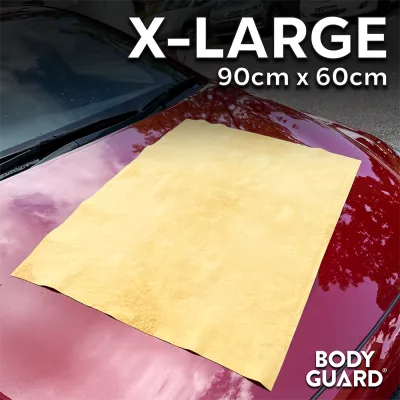
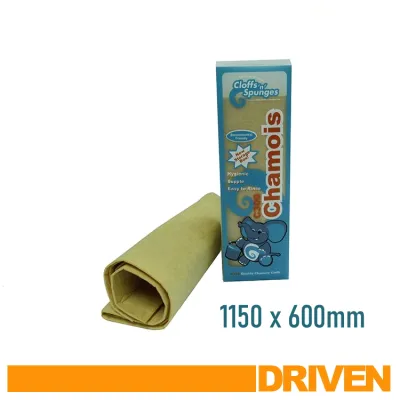
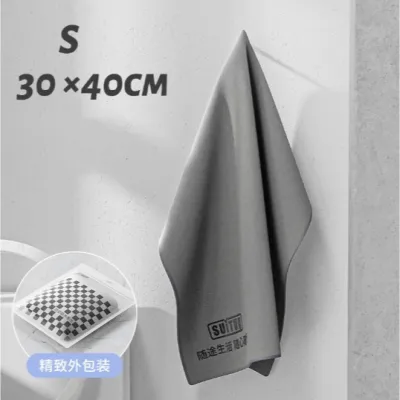
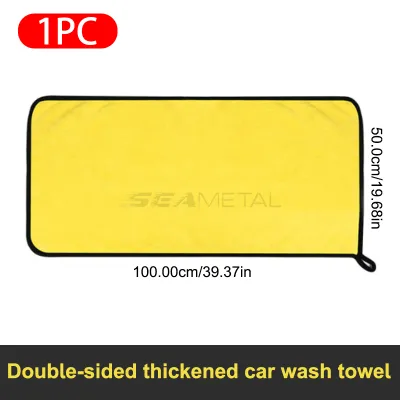
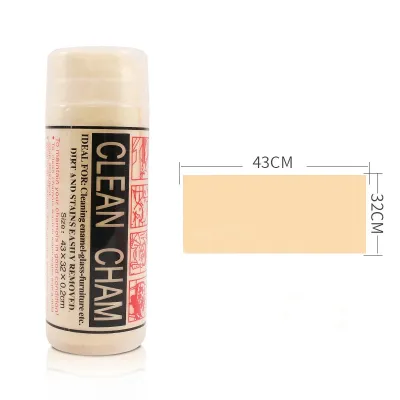
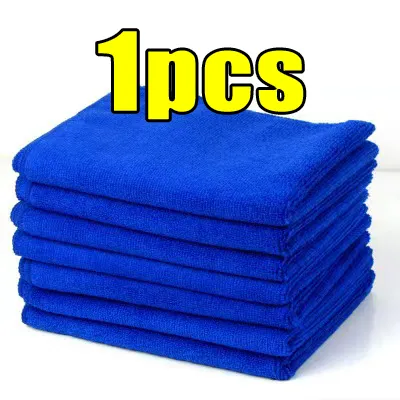
Prices are valid at publication and may change. Please refer to the product page for the latest price.
If you are looking for the absolute safest option for modern automotive paint, a high-quality microfiber towel is generally the superior choice. Its ability to trap residual dirt away from the clear coat significantly reduces the risk of wash-induced scratches. However, synthetic chamois remains highly valued for its ability to clear massive volumes of water quickly and dry glass surfaces without leaving streaks.
Material Breakdown: What Are Synthetic Chamois and Microfiber?
Understanding the physical composition and structural mechanics of these two materials explains why they behave so differently on your vehicle’s delicate surfaces. Each material interacts with water, dirt, and automotive clear coats in fundamentally different ways.

What Is a Synthetic Chamois Cloth?
A synthetic chamois is a man-made alternative to traditional natural leather. Most modern synthetic versions are manufactured from polyvinyl alcohol (PVA) or similar absorbent polymers. PVA is engineered with an open-cell structure, allowing it to hold a tremendous volume of water relative to its weight.
When wet, a synthetic chamois has a smooth, dense, rubbery texture without individual fibers or pile. When completely dry, the polymer chains lock together, causing the cloth to become stiff and brittle. To restore its soft, pliable state, you must submerge it in water and wring it out before use.
It is critical to understand that a material name alone does not guarantee paint safety. Different manufacturers use varying polymer densities, some of which may be too aggressive for delicate clear coats. Always verify the product label for explicit automotive or clear-coat suitability before letting any cloth touch your vehicle’s exterior. If the manufacturer’s instructions do not explicitly state that the product is safe for automotive clear coats, do not use it on your paintwork.
What Is a Microfiber Towel?
A microfiber towel is a woven textile constructed from a blend of polyester and polyamide (nylon) fibers. These fibers are incredibly fine, typically measuring less than one denier in diameter. During manufacturing, these fibers are split, creating a star-shaped cross-section with microscopic hooks, valleys, and channels.
This split-fiber design gives microfiber its unique properties. The polyester components provide structural strength, while the polyamide components are highly absorbent and static-charged, attracting dust, dirt, and moisture. The resulting texture is plush, soft, and distinctly fibrous.
Not all microfiber towels are created equal, and their quality and safety vary significantly by weave type, pile height, and edge construction. When selecting a towel for drying, check the manufacturer’s specifications for GSM (grams per square meter), which indicates the density and plushness of the fabric. Additionally, inspect the edge design; towels with hot-cut edges or hard polyester overlock stitching can scratch delicate paint, making edgeless or soft-satin borders the preferred choice for automotive detailing.
Drying Performance: Paint Safety, Absorbency, and Scratch Risk
Evaluating how each material performs the specific task of drying a car requires looking at paint protection, water removal efficiency, and physical handling. The table below outlines the core differences between these two popular drying tools.
| Material | Texture/Feel | Water Absorption Mechanism | Scratch Risk Profile | Best Drying Technique |
|---|---|---|---|---|
| Synthetic Chamois | Smooth, rubbery, sponge-like when wet | Capillary action through dense polymer pores | Higher if surface dirt is present (flat surface drags particles) | Pulling flat across surface or glass drying |
| Microfiber Towel | Plush, soft, distinctly textured | Capillary action within split-fiber channels | Lower (fibers lift and trap residual dirt away from paint) | Pat-and-drag, blotting, or circular buffing |
Scratch Risk and Dirt Trapping
The single most important factor in automotive drying is paint safety. No matter how thoroughly you wash your vehicle, microscopic dirt particles or road grit can remain on the surface or settle on the wet paint during the drying process.
A synthetic chamois has a flat, non-porous surface. If it encounters a speck of dirt, it cannot absorb or lift that particle. Instead, the flat polymer surface traps the grit against the clear coat and drags it across the panel as you wipe. This action acts like ultra-fine sandpaper, creating microscopic scratches known as marring or swirl marks. To minimize this risk, you must rinse the chamois frequently in clean water during use.
A microfiber towel, by contrast, mitigates this hazard. The split-fiber structure and plush pile act like a cushion. When the towel encounters residual dirt, the fibers lift the particles and trap them deep within the channels of the weave, away from the paint surface. This dramatically reduces friction, making microfiber the vastly safer choice for maintaining a swirl-free finish.
In Singapore’s hot and humid tropical climate, water dries rapidly on warm vehicle panels. This rapid evaporation makes quick drying essential to prevent mineral deposits and water spots. However, rushing with a flat, non-porous synthetic chamois increases the likelihood of dragging missed dirt across the warm clear coat.
Water Spotting and Streaking
Water spotting occurs when mineral-rich water evaporates, leaving behind calcium and magnesium deposits. Both materials handle the final wipe differently, affecting how clean and streak-free your vehicle looks.
Synthetic chamois is exceptionally effective at removing bulk water and leaving glass, mirrors, and chrome completely streak-free. Because it acts like a squeegee, it wipes the surface completely dry in a single pass, leaving no lint behind. However, on dark or highly reflective paint finishes, a synthetic chamois can sometimes leave faint water trails or “ghosting” if the polymer is not perfectly clean or if the water contains high mineral levels.
Microfiber towels, particularly those with a waffle-weave or twisted-loop pattern, are highly efficient at absorbing moisture without leaving streaks. However, because they rely on fiber contact, a highly saturated microfiber towel can begin to leave tiny droplets behind. To prevent water spots on delicate paint, detailers often use a two-towel system: a large, high-GSM towel for the initial bulk water removal, followed by a secondary, dry microfiber buffing towel to clean up any remaining moisture.
Handling and Wringing
The physical effort required to dry a vehicle is a practical consideration that affects your detailing routine. The two materials demand very different handling techniques.
A synthetic chamois is incredibly easy to wring out by hand. Because of its open-cell polymer structure, a simple twist of the wrists squeezes out almost 100% of the trapped water, returning the cloth to its highly absorbent state instantly. This means you can easily dry an entire vehicle with a single, compact chamois, wringing it out repeatedly as you move from panel to panel.
Plush microfiber drying towels, on the other hand, can hold an immense volume of water—often several times their dry weight. While this high capacity means you can dry a large portion of a car without wringing, once the towel becomes fully saturated, it becomes extremely heavy and difficult to wring out effectively by hand. To finish the job, you may need to switch to a second dry towel, or use a washing machine’s spin cycle to extract the water.
How to Choose the Right Drying Towel for Your Car
Translating these material differences into an actionable purchase decision depends on your vehicle’s paint condition, your detailing habits, and your storage preferences.
When to Choose a Microfiber Drying Towel
You should choose a high-quality microfiber drying towel if your priority is maintaining a flawless, swirl-free finish on your vehicle. This is especially true for daily drivers exposed to road grime, vehicles with soft or delicate clear coats, and cars with dark paint colors like black or deep blue, which easily show microscopic scratches.
When shopping, look for a dedicated drying towel with a high GSM rating—ideally between 500 and 1200 GSM. Weaves such as twisted-loop or waffle-weave are specifically engineered for maximum water absorption. Ensure the towel features an edgeless design or has edges bound with soft satin or silk to eliminate the risk of hard polyester threads scratching your paint.
Microfiber is also the absolute best choice if you prefer the “pat and drag” or “blotting” drying method. Instead of wiping the towel across the paint, you simply lay the plush towel flat over a wet panel, pat it gently to let the fibers absorb the water, and then lift it off. This technique virtually eliminates friction, providing the safest possible drying experience.
When to Choose a Synthetic Chamois Cloth
A synthetic chamois cloth is an excellent choice if your primary goal is rapid, bulk water removal, or if you frequently dry large glass surfaces, mirrors, and chrome trim. It is also highly effective as a secondary tool in your detailing kit, reserved for drying non-painted areas like door jambs, engine bays, wheels, and lower plastic trim panels.
If you decide to use a synthetic chamois on your vehicle’s paint, you must commit to a meticulous washing and rinsing routine. You must thoroughly wash the vehicle to ensure absolutely no dirt remains, and you must rinse the chamois in a bucket of clean water after every single pass to release any trapped grit.
Additionally, a synthetic chamois is highly practical for car owners in Singapore who utilize public wash bays or have limited storage space. Because it must be stored damp, it comes packaged in a compact, airtight plastic tube. This allows you to store it neatly in your glovebox or boot without taking up the significant shelf space required by a collection of bulky, plush microfiber towels.
Care and Maintenance: Washing and Storing Your Drying Tools
Proper maintenance of your drying tools is vital. If neglected, both materials can degrade, lose their absorbency, or trap abrasive contaminants that will scratch your vehicle’s finish during the next use.
Microfiber Care
To maintain the split-fiber structure of microfiber, wash it separately from other household fabrics. Never wash microfiber with cotton towels, as the cotton will shed lint that gets permanently trapped in the microfiber channels, ruining its performance.
Use a dedicated microfiber wash or a mild, liquid, dye-free detergent. Crucially, never use fabric softeners or chlorine bleach. Fabric softeners coat fibers with a thin layer of chemical lubricants, which clogs the split-fiber channels and destroys the towel’s ability to absorb water. Bleach will degrade the delicate polyamide fibers over time, causing them to break and shed.
After washing, tumble dry on a very low heat setting or hang them to air dry in a clean, dust-free indoor environment. High heat must be avoided, as polyester and polyamide are plastics that can melt or fuse together, turning a soft towel into a scratch hazard.
Synthetic Chamois Care
Caring for a synthetic chamois requires an entirely different approach. After each use, rinse the cloth thoroughly with clean, warm water to remove any lingering dirt, soap residue, or minerals. If it becomes heavily soiled, wash it by hand using a mild, non-abrasive soap, then rinse it completely. Do not put a synthetic chamois in a clothes dryer or expose it to direct sunlight, as intense heat will warp and damage the polymer structure.
The most critical step in maintaining a synthetic chamois is storage. Unlike microfiber, which must be stored completely dry, a synthetic PVA chamois must be stored slightly damp. If it dries out completely, it becomes stiff, shrinks, and can crack when folded.
After rinsing and wringing out the excess water, fold the damp chamois and place it back into its original airtight plastic tube or container. This keeps the polymer pliable and ready for immediate use. Always defer to the manufacturer’s specific storage and care instructions printed on the product packaging.
Replacement Signals
No drying tool lasts forever, and using a degraded tool can ruin your paintwork. If you drop a microfiber towel or a synthetic chamois on the ground, it can instantly pick up abrasive grit from the floor. If you cannot wash this grit out completely, you must immediately retire the tool from paint duty.
Additionally, if a microfiber towel loses its plushness and feels stiff or scratchy, or if a synthetic chamois begins to peel, tear, or shed small polymer particles, it is time for a replacement. Repurpose these older, worn-out tools for less sensitive detailing tasks, such as cleaning muddy tires, wiping down exhaust tips, or cleaning grease from engine bay plastics.
Frequently Asked Questions (FAQ)
Can I use a natural leather chamois instead of a synthetic one?
While you can use a natural leather chamois, synthetic PVA versions are generally preferred for modern automotive care. Natural chamois is made from animal hide tanned with cod oil, which requires meticulous maintenance, specific washing procedures, and can sometimes strip freshly applied waxes or paint sealants. Synthetic chamois is chemically inert, highly consistent in texture, easier to wring out, and does not degrade as quickly when exposed to automotive chemicals. Always check the product label of any drying tool to verify its safety for modern clear-coat finishes.
How many microfiber towels do I need to dry a whole car?
The number of microfiber towels you need depends on the size of your vehicle, the thickness (GSM) of the towels, and your drying technique. For a standard-sized sedan or hatchback, you will typically need one large, high-GSM (500+ GSM) drying towel for the bulk water removal, and one or two smaller, dry microfiber towels to clean up remaining droplets and dry door jambs. Having multiple towels on hand is highly recommended, as it prevents you from having to wring out a saturated towel, which can reintroduce dirty water to the paint and reduce overall drying efficiency.
Is it safe to use a synthetic chamois on ceramic-coated cars?
Before using a synthetic chamois on a ceramic-coated vehicle, you must consult your specific ceramic coating manufacturer’s care and warranty instructions. While synthetic chamois is chemically safe and will not strip the coating, its flat surface creates significantly more friction than a plush microfiber towel. Detailing professionals widely prefer high-quality, high-GSM microfiber towels for ceramic-coated surfaces because they minimize friction and help preserve the hydrophobic topcoat. If the care instructions conflict or are unclear, contact your coating installer or manufacturer for professional guidance.
Community discussion
Share your experience or ask a question. Comments are reviewed before publication.