
Frameless car windows present a unique challenge when it comes to sun protection because they lack the upper metal door frame found on conventional vehicles. Standard sun shades that rely on magnetic frames, tension-fit wire borders, or slip-over mesh “socks” have nothing to anchor to, making them completely incompatible. To effectively block heat and glare without damaging your vehicle’s glass, window motors, or delicate rubber seals, you must use specialized designs such as static cling films, visor-mounted extenders, or adhesive track-mounted retractable shades. Choosing the wrong design can lead to expensive mechanical failures, torn weatherstripping, or dangerous driving blind spots.
Why Frameless Windows Need Specific Sun Shade Designs
To understand why standard sun shades fail on frameless windows, it is essential to look at the unique engineering of frameless doors. In a standard vehicle, the window glass is fully enclosed by a metal frame that rises from the door panel. This frame provides a rigid structure where you can snap magnetic shades, wedge tension-fit wire frames, or stretch elastic mesh covers. Frameless windows, commonly found on coupes, convertibles, sports cars, and modern electric vehicles, lack this upper structure entirely. The glass stands alone, sealing directly against the vehicle’s body weatherstripping when the door is closed.
This structural difference introduces a critical mechanical feature known as window indexing or the “short-drop” function. When you pull the door handle of a frameless vehicle, the onboard computer instantly rolls the window down by approximately 10 to 15 millimeters. This slight drop allows the top edge of the glass to clear the deep rubber weatherstripping channel along the roofline so the door can open smoothly. Once you close the door, the window automatically rolls back up to compress against the seal, preventing wind noise and water leaks.
Products mentioned in this guide
Prices are valid at publication and may change. Please refer to the product page for the latest price.
Any sun shade that clips over the top edge of the glass, wraps around the door frame, or extends past the physical boundaries of the window pane will interfere with this indexing process. If a shade prevents the window from dropping, opening the door can tear the rubber seals or even shatter the glass. Conversely, if the window cannot roll back up fully because a shade is blocking the channel, you will experience severe wind noise, water leaks during rain, and a compromised cabin seal. Furthermore, forcing the window motor to struggle against an obstruction can burn out the window regulator, resulting in costly repairs.
Traditional suction cups also present significant risks on frameless glass. Because frameless windows lack the support of an upper frame, they tend to flex more than framed windows when the door is slammed shut. This sudden vibration, combined with the natural curvature of the glass and intense cabin heat, frequently causes suction cups to lose their grip. If a suction cup fails while you are driving, the shade can fall into your lap, block your view of the side mirrors, or slide under the pedals, creating an immediate safety hazard.
Safe and Effective Sun Shade Designs for Frameless Side Windows
Since you cannot rely on a metal frame for support, finding a safe and effective sun shade for frameless side windows requires looking at designs that either adhere directly to the glass surface or mount to the vehicle’s interior structure. These methods bypass the need for an upper frame entirely, allowing the window to index and operate normally without interference.

However, before purchasing any aftermarket shade, you must verify its compatibility with your specific vehicle model, glass curvature, and existing window treatments. For example, if your vehicle has aftermarket window tinting, certain high-tack adhesives or static cling materials can damage the tint film upon removal. Always consult your vehicle’s documentation and the shade manufacturer’s guidelines to ensure a safe, damage-free fit.
Sun Visor Extenders
Sun visor extenders are an excellent alternative for frameless vehicles because they mount directly to your car’s existing sun visor, completely bypassing the window glass. These accessories are designed to block harsh side glare that your vehicle’s standard visor cannot reach, making them highly effective for morning or late-afternoon commutes.
When selecting a visor extender, pay close attention to the mounting mechanism. Most designs use either clip-on tension clamps or strap-on hook-and-loop bands. Clip-on models are quick to install but can slip or vibrate loose on thick, padded, or leather-wrapped visors. Strap-on designs generally offer superior grip strength and stability, ensuring the extender remains securely in place even when driving over rough road surfaces.
You will also need to choose between side-extension and drop-down designs. Side-extension models slide out horizontally to block glare coming through the front portion of the side window, which is particularly useful for taller drivers. Drop-down designs fold down vertically to block low-angle sun directly in front of you. Many high-quality extenders combine both features, allowing you to adjust the shade dynamically based on the sun’s position.
Before finalizing your purchase, perform a clearance check. Measure the distance between your sun visor and the rearview mirror, as well as any overhead consoles, map lights, or built-in dashcams. An oversized extender can strike the rearview mirror when folded down, shifting your rear visibility, or block access to critical overhead controls. Ensure the extender can be folded back up flat against the ceiling without obstructing your head clearance.
Static Cling and Nano-Suction Window Films
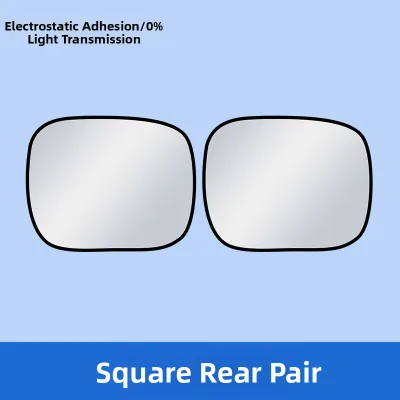
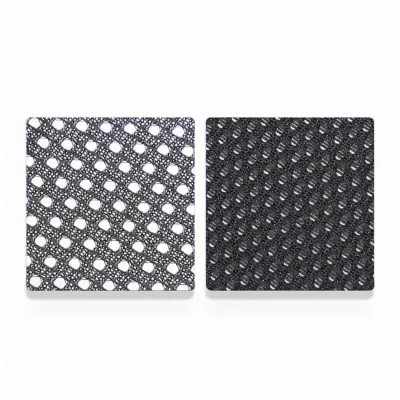
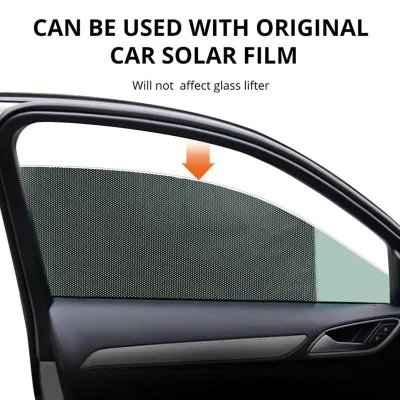
Static cling and nano-suction window films are highly popular for frameless windows because they lie completely flat against the glass, moving up and down seamlessly with the window’s indexing function. These shades do not use sticky adhesives; instead, they rely on static electricity or microscopic suction cups to bond with the smooth glass surface.
One of the primary benefits of static cling shades is their reusability. You can easily peel them off, wash away any accumulated dust or lint with water, and reapply them without leaving any sticky residue behind. This makes them highly convenient for seasonal use or for transferring between vehicles.
However, these films have specific limitations. They require a perfectly smooth, clean surface to adhere properly. If your side windows have heavy aftermarket ceramic tints, textured glass patterns, or integrated defroster lines, the film may struggle to maintain a bond and bubble or peel at the edges. Additionally, you must ensure the film is cut precisely to fit within the exposed glass area, leaving a small gap of about 2 to 3 millimeters from the top and side edges to prevent the film from catching on the rubber weatherstripping when the window rolls up.
Safety must always be your top priority when using window films. You must ensure the film’s opacity does not block your view of the side-view mirrors or create dangerous blind spots, especially when driving at night or in heavy rain. In many regions, including Singapore, local road safety regulations dictate strict limits on the Visible Light Transmission (VLT) of vehicle windows. Always verify that any film you apply complies with these legal standards to avoid fines and ensure safe driving visibility.
Adhesive Track-Mounted Retractable Shades
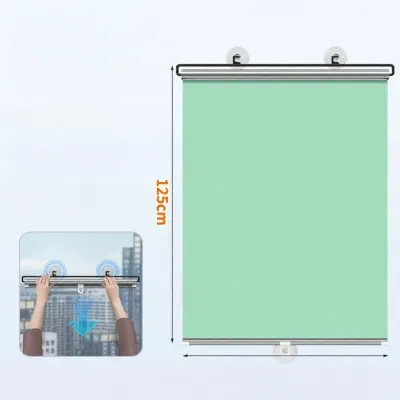
For a more permanent and integrated solution, adhesive track-mounted retractable shades offer excellent coverage and convenience. These systems consist of a spring-loaded roller cassette mounted to the lower door panel and thin plastic or aluminum guide tracks adhered to the sides of the window trim.
Because these shades rely on adhesive tracks to guide the fabric, proper surface preparation is critical for a long-lasting bond. The mounting surfaces on your door panel and window trim must be thoroughly cleaned to remove all traces of interior protectants, oils, dust, and wax. Using isopropyl alcohol is highly recommended to prep the surface before applying the automotive-grade acrylic foam tape. If the surface is not perfectly clean, the tension from the spring-loaded shade will quickly pull the tracks away from the door panel.
When installing track-mounted shades, you must carefully verify compatibility with your vehicle’s safety systems. Many modern vehicles feature side-curtain airbags that deploy from the roofline or the pillars during a collision. You must ensure that no mounting hardware, tracks, or brackets cross or interfere with these airbag deployment zones. Refer to your vehicle’s owner’s manual to locate the exact boundaries of these safety systems. Additionally, ensure the tracks do not pinch or deform the window’s rubber weatherstripping, which could lead to water leaks or excessive wind noise at highway speeds.
Given the complexity of aligning the tracks perfectly and avoiding safety systems, professional installation is highly recommended over a DIY approach, especially for luxury vehicles with leather door panels, integrated ambient lighting, or complex interior trim. A professional installer can ensure the tracks are securely mounted without damaging your vehicle’s interior or compromising its safety features.
Front Windshield Shades: Do Frameless Designs Matter?
While frameless side windows require highly specific sun shade designs, the front windshield is entirely unaffected by this door configuration. The front windshield of any vehicle is permanently fixed in place with a robust, rigid frame, meaning you can use standard windshield sun shades without worrying about indexing windows or delicate rubber seals.
Standard foldable accordion shades, spring-wire hoop shades, and umbrella-style shades all work exceptionally well to block heat and UV rays when your vehicle is parked. These shades are highly effective at reducing cabin temperatures, which is particularly beneficial in hot, tropical climates like Singapore, where parked cars can quickly become heat traps.
However, even with a standard windshield shade, you must exercise caution during installation. Modern vehicles are increasingly equipped with Advanced Driver Assistance Systems (ADAS), which include cameras and sensors mounted behind the windshield near the rearview mirror. When placing or expanding a windshield shade, ensure it does not press against or put pressure on the rearview mirror base or the ADAS sensor housing. Forcing a stiff shade into this area can misalign the cameras, disrupt your lane-keep assist or automatic emergency braking systems, or damage the delicate mounting brackets. Always look for shades with a dedicated cutout or hook-and-loop strap designed to fit around the rearview mirror stem.
Pre-Purchase Checklist: Verifying Fit and Safety
To ensure you select a sun shade that is both functional and safe for your frameless vehicle, follow this step-by-step verification checklist before making a purchase:
First, measure the exact exposed glass dimensions of your side windows when the door is fully closed. Because frameless windows lack a top frame, their shape is often highly irregular, tapered, or aggressively curved. Do not rely on generic “one-size-fits-all” or “medium/large” sizing charts. Take precise measurements of the width at both the top and bottom of the glass, as well as the height at the front and rear edges.
Second, identify your vehicle’s side-curtain airbag deployment zones. Look for the “SRS Airbag” embossed logos on your A-pillars, B-pillars, and along the roofline. Your owner’s manual will provide detailed diagrams of where these airbags expand during an emergency. Never mount hard plastic tracks, metal brackets, or clip-on hardware within these deployment zones, as they can interfere with the airbag’s operation or become dangerous high-speed projectiles inside the cabin.
Third, test the shade’s impact on your visibility from the driver’s seat. Sit in your normal driving position and adjust your mirrors. Any shade installed on the front side windows must leave a completely clear, unobstructed view of your side-view mirrors. If a shade blocks your line of sight, creates a blind spot when merging, or reduces visibility during night driving, it is a severe safety hazard. If you must use a shade on the front side windows, opt for highly transparent static cling films that comply with local VLT regulations, or use a visor extender that can be quickly folded away when not needed.
Frequently Asked Questions (FAQ)
Can I use mesh window socks on frameless car windows?
No, you cannot use mesh window socks on frameless car windows. Mesh window socks are designed to slip over the entire upper frame of a car door like a sleeve, allowing you to roll the window down while maintaining shade and ventilation. Because frameless doors do not have an upper frame, there is nothing for the sock to slide over. If you attempt to drape the mesh over the glass and close the door, the fabric will bunch up in the door jamb. This will prevent the window from indexing properly, damage the delicate rubber weatherstripping, and likely trigger the window’s anti-pinch safety mechanism, causing the glass to roll back down automatically. Using them can also lead to water leaks and permanent damage to your window seals.
Will suction cup shades work if I place them in the center of the glass?
While a suction cup can physically adhere to the center of a frameless window, doing so is highly discouraged. When you open the door, the window automatically drops slightly to clear the roofline. If a suction cup or the body of the shade is positioned too close to the top or side edges of the glass, it will strike the rubber weatherstripping or the vehicle’s body frame as the window moves. This can scratch your paint, tear the weatherstripping, or put excessive strain on the window motor. Additionally, suction cups frequently lose their grip due to cabin heat buildup and the natural curvature of the glass, causing the shade to fall unexpectedly while driving. For frameless windows, static cling or nano-suction alternatives are far safer and more reliable because they lie completely flat against the glass and do not interfere with the window’s mechanical movement.
Community discussion
Share your experience or ask a question. Comments are reviewed before publication.