
Quick Answer: Which Dashboard Mount is Best for You?
Finding a phone mount that remains firmly anchored to your dashboard is a balancing act between holding strength, surface preservation, and everyday convenience. There is no single “best” mount for every driver; the ideal choice depends on your vehicle’s dashboard texture, the underlying material, and the climate conditions inside your cabin. In Singapore, where the intense tropical sun and high humidity can push parked cabin temperatures past 60°C, environmental factors play an exceptionally large role in how these mounting mechanisms perform over time.
To help you make an immediate decision, consider this conditional framework based on your primary driving needs and vehicle type:
- Choose a Suction Cup Mount if your vehicle features a smooth, flat dashboard surface (or if you are comfortable mounting it directly to the windshield glass) and you want a reusable, highly adjustable option that leaves no permanent adhesive residue.
- Choose an Adhesive Mount if you require the absolute strongest, most vibration-resistant hold for heavy smartphones, drive frequently on uneven roads, and are certain your dashboard material (such as hard, unpainted plastic) can tolerate high-strength bonding tape.
- Choose a Dashboard Mat if your vehicle has a heavily textured, delicate, or soft-touch dashboard, you prioritize zero surface damage, and you want a solution that requires no physical installation and can be removed instantly.
While each design has its strengths, the constant thermal cycling in tropical climates acts as a severe stress test for both chemical adhesives and physical vacuum seals. Understanding how these mounting types interact with your car’s interior is the key to preventing a sudden, mid-drive collapse that could damage your phone or distract you at a critical moment.
Products mentioned in this guide
Prices are valid at publication and may change. Please refer to the product page for the latest price.
Suction Cup Mounts: Grip, Heat, and Surface Requirements
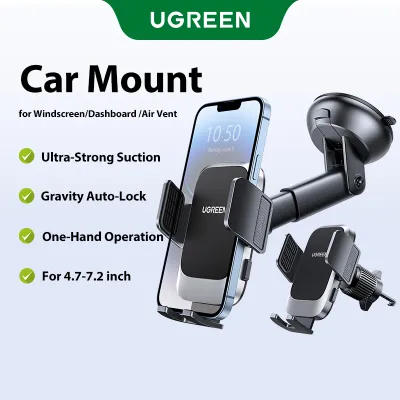
Suction cup mounts operate on a simple physical principle: creating a localized vacuum. When you press the flexible cup against a surface and engage the locking lever, you force air out of the chamber, creating a low-pressure zone inside. The higher atmospheric pressure of the cabin then presses the cup firmly against the mounting surface. For this system to function, the seal must be completely airtight. This makes suction cups highly dependent on the texture of your dashboard. They perform exceptionally well on glass, smooth acrylics, and dense, non-porous hard plastics, but they will fail rapidly on textured vinyl, synthetic leather, or soft-touch surfaces where microscopic channels allow air to seep in and equalize the pressure.

The primary challenger for suction cup mounts in tropical regions is extreme heat. When your car is parked in the sun, the air remaining inside the vacuum chamber heats up and expands. At the same time, the rubber or silicone material of the suction cup itself becomes softer and more compliant. This combination of expanding air and softened material frequently causes standard suction cups to lose their grip and pop off the dashboard during a drive.
To combat this thermal vulnerability, modern manufacturers have developed two primary enhancements: mechanical locking levers and polyurethane gel bases. The locking lever uses a mechanical cam to physically pull the center of the suction cup upward, creating a much deeper vacuum than manual pressure alone can achieve. Meanwhile, the sticky gel lining on the bottom of advanced suction cups acts as a physical gasket. This gel is soft enough to flow into the microscopic textures of slightly textured dashboards, sealing off potential air pathways and significantly improving hold times on non-standard surfaces.
From a surface safety perspective, suction cups are highly regarded. Because they rely on physical pressure rather than permanent chemical bonding, they can be removed and repositioned without leaving permanent scars on your vehicle’s interior. This makes them the premier choice for leased vehicles, rental cars, or high-end dashboards where preserving resale value is a priority. At most, a gel-based suction cup may leave a faint, oily ring on the plastic, which can be easily wiped away with a damp microfiber cloth.
Adhesive Mounts: Maximum Hold vs Dashboard Damage Risks
For drivers who prioritize absolute stability above all else, adhesive mounts are the industry standard. These mounts typically utilize heavy-duty, double-sided acrylic foam tape, such as automotive-grade 3M VHB (Very High Bond). Unlike suction cups, which rely on atmospheric pressure, adhesive mounts form a physical, chemical bond with the dashboard surface. Over a curing period of 24 to 72 hours, the viscoelastic adhesive flows into the microscopic pores of the plastic, creating a high-strength connection that is incredibly resistant to shear forces, heavy phone weights, and the constant vibrations of daily driving.
However, this exceptional holding power comes with a major trade-off: the risk of permanent dashboard damage. The chemical bond formed by automotive adhesives can easily exceed the structural strength of your dashboard’s surface coatings. When attempting to remove an adhesive mount, it is not uncommon to peel away soft-touch rubberized paints, tear synthetic leather wraps, or stretch and discolor vinyl surfaces. On older vehicles, prolonged exposure to UV radiation weakens the dashboard material, making it even more susceptible to tearing or cracking during mount removal.
Before applying any adhesive mount to your dashboard, it is vital to establish clear safety boundaries. Always consult your vehicle’s owner’s manual for specific warnings regarding interior plastics and adhesive use. If your dashboard features premium materials like genuine leather, delicate wood veneers, or soft-touch polyurethane, adhesive mounts should generally be avoided. If you must use one, look for a hard, unpainted plastic section of the center console or lower dashboard, and perform a compatibility check in an inconspicuous area first.
To bridge the gap between textured dashboards and suction cup mounts, many manufacturers include a smooth, adhesive-backed plastic disc. This disc is designed to stick permanently to your textured dashboard, providing a glassy surface for a standard suction cup. While this expands your mounting options, keep in mind that the disc itself relies on high-strength adhesive, meaning the risks of surface damage and difficult removal remain identical to those of a dedicated adhesive mount.
Dashboard Mats: Zero Installation but Heat Sensitive
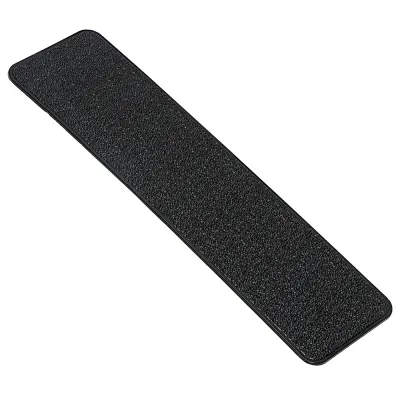
Friction-based dashboard mats, often referred to as non-slip pads or weighted console cradles, offer a completely non-invasive alternative to suction and adhesive systems. These products rely on gravity and a high coefficient of friction to stay in place. Typically constructed from heavy silicone, polyurethane gel, or weighted neoprene bases, they are designed to contour to the shape of your dashboard, laying flat without any physical fasteners. The phone is typically held in place by integrated molded slots or adjustable plastic claws built directly into the mat.
The primary benefit of a dashboard mat is its complete lack of installation requirements. You simply place it on a flat section of your dashboard, insert your phone, and drive. There are no adhesives to cure, no vacuum seals to monitor, and absolutely zero risk of chemical or mechanical damage to your vehicle’s interior. This makes them highly convenient for drivers who frequently switch between different cars, such as commercial drivers, families sharing a vehicle, or those using car-sharing services.
Despite their convenience, dashboard mats are bound by the laws of physics and struggle under dynamic driving conditions. Because they rely entirely on friction and weight, sharp cornering, sudden emergency braking, or rapid acceleration can easily overcome their grip, causing the entire assembly—including your phone—to slide across the dashboard. Additionally, they require a relatively flat, horizontal, and unobstructed area on top of the dashboard to function safely. If your vehicle has a highly sloped, curved, or compact dashboard layout, a friction mat is highly likely to slide off.
Furthermore, Singapore’s intense cabin heat can severely impact the performance of friction mats. Over time, high temperatures can cause silicone or PU gel mats to soften, warp, or accumulate a fine layer of airborne dust and interior plastic outgassing residues. This dust acts as a dry lubricant, drastically reducing the coefficient of friction between the mat and the dashboard. To maintain their non-slip properties, these mats require regular maintenance; you must wash them with warm water and mild dish soap to remove accumulated oils and dust, allowing them to air dry completely before placing them back in the vehicle.
Head-to-Head Comparison: Hold, Heat, and Surface Safety
To help you quickly weigh the trade-offs of each mounting style, the following table summarizes how suction cups, adhesives, and dashboard mats compare across critical performance dimensions. Keep in mind that these ratings represent general category characteristics; specific product performance can vary based on build quality and material grade. Typical price bands in Singapore range from S$15 to S$35 for standard suction or mat options, and S$30 to S$60 for premium adhesive or heavy-duty locking mounts.
| Mount Type | Holding Strength | Heat Resilience | Dashboard Surface Requirement | Risk of Surface Damage |
|---|---|---|---|---|
| Suction Cup | Moderate to High | Moderate (Improved with locking gel) | Smooth, non-porous (glass or hard plastic) | Low (Temporary oily residue from gel) |
| Adhesive Mount | High | High (Once fully cured) | Flat or slightly curved hard plastic | High (Can peel coatings or tear vinyl) |
| Dashboard Mat | Low to Moderate | Low (Prone to slipping when dusty or hot) | Flat, horizontal, unobstructed area | Zero (No physical attachment) |
As the comparison demonstrates, there is a direct correlation between holding strength and the risk of surface damage. The more secure the mounting method, the more permanent its impact on your vehicle’s interior is likely to be. Drivers must decide whether their priority lies in absolute phone stability during spirited driving or preserving the pristine condition of their car’s cabin.
Final Verdict: Matching the Mount to Your Car and Commute
To make a successful purchase, your first step should always be a physical inspection of your vehicle’s dashboard. Run your hand across the target mounting area to identify its texture and material. If the surface is hard, smooth, and unpainted, you have the flexibility to choose any of the three mounting types. If the surface is highly textured, soft to the touch, or wrapped in synthetic leather, you should rule out standard suction cups and exercise extreme caution with adhesives.
If you decide to proceed with a suction cup or adhesive mount, proper surface preparation is the single most important factor in ensuring a lasting hold. Dashboard dressings, silicone-based interior detailers, dust, and natural skin oils will severely compromise both vacuum seals and chemical adhesives.
- First, consult your vehicle's owner's manual to ensure your cleaning agents are safe for your specific dashboard material.
- Clean the target area thoroughly using a clean microfiber cloth. For hard plastics, a mild mixture of isopropyl alcohol and water is highly effective at stripping away oils; however, avoid alcohol on delicate painted plastics, genuine leather, or soft-touch coatings.
- Allow the surface to dry completely before applying the mount. For adhesive mounts, press firmly for at least 30 seconds and allow the adhesive to cure for a full 24 hours before mounting your phone.
Placement safety must also guide your final decision. When positioning your mount, ensure it does not obstruct your forward line of sight through the windshield. Crucially, verify that the mount and your phone are positioned well clear of your vehicle’s airbag deployment zones. Heavy plastic accessories placed in the path of a deploying passenger airbag can become dangerous projectiles in an accident. Additionally, ensure the mount does not block essential climate control vents or obscure your view of the central infotainment screen and instrument cluster.
If you remain concerned about potential dashboard damage or cannot find a suitable flat surface, do not force a dashboard mount. Consider alternative mounting locations that avoid the dashboard entirely. High-quality air vent mounts or CD slot mounts offer excellent stability and keep your phone within easy reach without risking the structural integrity or appearance of your vehicle’s interior surfaces.
Frequently Asked Questions (FAQ)
How do I remove adhesive residue from my dashboard without damaging it?
To safely remove leftover adhesive residue, always start with the gentlest method first. Apply a small amount of warm, soapy water to a clean microfiber cloth and gently rub the residue in a circular motion. For stubborn acrylic tape residue, you can use a dedicated automotive adhesive remover that is explicitly labeled as safe for interior plastics; always test it on a hidden area first. Never use harsh household solvents such as acetone, nail polish remover, or paint thinner, and avoid abrasive scrubbing pads, as these chemicals and materials will permanently dissolve, strip, or discolor dashboard coatings and soft-touch plastics.
Can I use a suction cup mount on a textured dashboard?
Standard suction cups cannot maintain a vacuum seal on textured dashboards because the microscopic valleys in the plastic allow air to seep under the rubber edge, rapidly breaking the vacuum. If you must mount a suction cup on a textured surface, you should use a specialized gel-lined suction cup, which features a sticky polyurethane layer designed to conform to minor surface imperfections. Alternatively, you can apply a smooth, adhesive-backed dashboard mounting disc to act as a flat base, though this introduces the same removal and surface-damage risks associated with standard adhesive mounts. If neither option is suitable, switching to an air vent, CD slot, or windshield mount is highly recommended.
Community discussion
Share your experience or ask a question. Comments are reviewed before publication.