
When choosing between a suction cup phone mount and a handlebar clamp mount for your motorcycle, the primary concern is keeping your device secure against high speeds, sudden bumps, and unpredictable weather. For most riders, a handlebar clamp mount provides the highest level of mechanical security because it physically bolts or clamps onto a metal structure. A suction cup phone mount offers excellent portability and non-marring installation, but its security depends entirely on maintaining a perfect vacuum seal against a flawless, non-porous surface.
To determine which mount is right for your riding style, you must weigh the mechanical reliability of a physical clamp against the convenience and flexibility of a vacuum-based system. Both options have distinct operational limits, installation requirements, and vulnerabilities to environmental wear. Understanding these differences ensures you do not risk dropping your phone on a busy expressway or during a sudden tropical downpour.
Vibration Resistance and Ride Stability
Motorcycles generate continuous high-frequency vibrations from the engine, coupled with low-frequency impacts from uneven road surfaces, potholes, and speed bumps. A handlebar clamp mount addresses these forces through a direct, mechanical connection. Because it wraps tightly around a metal bar, the clamp cannot slip off due to vibration alone. However, this rigid connection means engine and road vibrations are transmitted directly to your phone.
Products mentioned in this guide
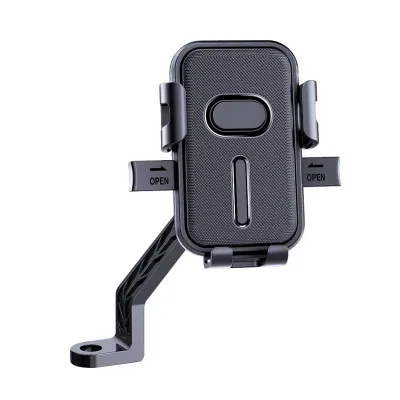
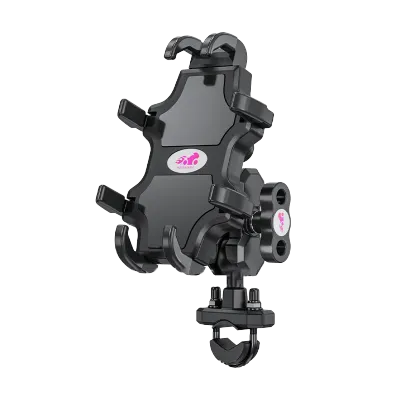
36 Lazada user ratings
Sturdy phone mount, Good value for money, Convenient and practical, Anti-shock feature works well,
happy to purchase product grip on phone very sturdy. no worries it will fall when speeding
Nice still havnt used hope the quality of the product will b better
The grid is good and it suit my bike handle bar. Thank You seller!
Prices are valid at publication and may change. Please refer to the product page for the latest price.
Over time, high-frequency vibrations can damage delicate internal components, such as optical image stabilizers in phone cameras. To mitigate this, riders should check manufacturer specifications for built-in vibration dampeners or rubber isolators designed to absorb these harmful frequencies before they reach the device.
In contrast, a suction cup phone mount relies on a vacuum seal to resist external forces. While the flexible rubber or silicone base can naturally absorb some low-frequency road vibrations, continuous high-frequency engine vibrations pose a different threat. These micro-vibrations can cause minute movements along the edge of the suction pad, leading to gradual air leakage. Over a long ride, this slow loss of vacuum pressure can cause the mount to detach suddenly without warning.
When evaluating a suction cup phone mount, look for models featuring a mechanical locking ring or a lever-activated vacuum pump on the base. These mechanisms physically pull the center of the cup upward to create a stronger, more resilient seal. Additionally, check if the manufacturer specifies a maximum speed or vibration rating, as some suction mounts are designed primarily for stationary use or low-speed environments rather than highway riding.
Surface Compatibility and Installation Limits
The physical layout of your motorcycle dictates which mounting system is viable. A suction cup phone mount has incredibly strict surface requirements. For the vacuum seal to hold, the mounting surface must be completely smooth, non-porous, and either flat or only gently curved. This limits installation to specific areas, such as a clean windscreen, a glossy painted fuel tank, or highly polished fairings.

Textured plastics, matte paint finishes, and compound curves common on modern motorcycles are incompatible with suction cups. Even a microscopic texture allows air to seep under the rubber pad, preventing a secure vacuum from forming. If your bike features textured utility plastics around the cockpit or a matte-finished fairing, a suction cup mount will fail to hold securely.
Handlebar clamps require a different set of physical conditions. They need an exposed section of tubular metal, typically with a standard diameter such as 22mm, 25mm, or 28mm. While highly versatile, you must check for clearance issues around your cockpit. Brake fluid reservoirs, clutch cables, wiring harnesses, and instrument clusters can severely limit the available space on your handlebars.
For motorcycles with clip-on handlebars or fully enclosed plastic fairings, such as many modern scooters, finding an exposed metal tube can be challenging. This often requires an alternative mounting point like a mirror stem or a fork stem projection. Before purchasing any mount, perform a physical inspection of your motorcycle using this checklist:
- Identify all potential mounting locations within your line of sight.
- Run your fingers over plastic panels to check for textures, matte coatings, or sharp curves that would prevent a suction cup from sealing.
- Measure the diameter of your handlebars using a caliper or tape measure to ensure compatibility with clamp inserts.
- Turn your handlebars fully from lock to lock to verify that a clamped mount will not pinch cables or strike the windscreen.
Weather and Environmental Durability
Riding in tropical climates like Singapore exposes motorcycle gear to intense sunlight, high ambient temperatures, and sudden, heavy downpours. These environmental factors affect the materials of both mounting systems differently over time. High ambient temperatures and direct UV exposure can accelerate the degradation of the rubber or silicone pads used in suction cup phone mounts.
Prolonged heat can cause the material to soften, stretch, or develop micro-cracks, which directly compromises its ability to hold a vacuum. Furthermore, if the suction cup utilizes an integrated adhesive gel pad to assist the seal, extreme heat can cause the adhesive to liquefy or leave a sticky residue on your fairings.
Moisture is another critical factor. While a light mist can sometimes help seal a suction cup, heavy rainfall and high humidity can wash away temporary seals or seep under the edges of a worn suction pad, causing sudden failure. For handlebar clamps, wet weather presents a different challenge: corrosion.
Because handlebar clamps are semi-permanently exposed to the elements, they must withstand constant moisture without rusting or seizing. When choosing a clamp, verify that the manufacturer uses corrosion-resistant materials, such as marine-grade aluminum, stainless steel hardware, or high-strength composite plastics. Check the product specifications for UV-resistant coatings on any plastic components to ensure they will not become brittle and crack after months of exposure to intense sunlight.
Convenience, Transferability, and Daily Use
Your daily routine and how you use your motorcycle should heavily influence your choice of mount. The standout advantage of a suction cup phone mount is its portability and ease of transfer. If you regularly switch between riding a motorcycle, operating a scooter, and driving a car, a suction cup mount can be detached in seconds and moved to the next vehicle without tools. This makes it highly convenient for multi-vehicle households or riders who rent vehicles.
It also allows you to easily remove the entire mounting system at the end of the day to protect it from weather damage or theft. However, this portability comes with a daily maintenance cost. To ensure a safe ride, you must clean both the suction cup and the mounting surface before every single installation. Dust, road grime, and oily residue accumulate rapidly on a motorcycle, and mounting a suction cup over even a thin layer of dirt will result in a weak seal.
Handlebar clamps are semi-permanent installations. They require tools—such as Allen keys or wrenches—for initial setup and positioning. While you cannot easily transfer them between vehicles on a whim, they offer a highly streamlined daily experience. Once installed, the clamp remains securely on the bike, requiring no daily cleaning or re-alignment. When you arrive at your destination, you simply detach your phone from the cradle, leaving the clean, low-profile clamp base behind on the handlebars.
Security and Theft Prevention at Stops
Physical security is a major concern when riding and parking in urban areas. When stopped at traffic lights, a phone mounted in an easily accessible position can be vulnerable to opportunistic snatch theft. Both mounting styles can be equipped with quick-release cradles, but the overall security of the system varies significantly when the motorcycle is parked and left unattended.
A suction cup phone mount is highly vulnerable to theft. Because it is designed for quick removal, any passerby can lift the release lever and walk away with the entire mount in seconds. If you use a suction cup system, you must make it a habit to remove both the phone and the mount every time you park your motorcycle in a public space.
Handlebar clamps offer much better security against opportunistic theft of the mount itself. Because they are bolted directly to the frame or handlebars, removing them requires tools and time, which deters casual thieves. However, the phone cradle itself may still feature a quick-release mechanism that can be targeted.
To protect your gear, consider these security best practices:
- Always remove your phone from the cradle whenever you step away from your motorcycle, even for a brief moment.
- Use a secondary safety tether or lanyard wrapped around the handlebars and connected to your phone case to prevent the device from falling if the primary mount fails.
- If using a handlebar clamp, opt for models that use security screws or require a specialized key to adjust or remove the clamp body.
Final Decision Framework: Which Should You Choose?
To make your final decision, evaluate your specific motorcycle type, daily riding habits, and security priorities against the characteristics of each mount.
Choose a Handlebar Clamp if:
- You commute daily on expressways or in heavy traffic where maximum mechanical reliability is non-negotiable.
- Your motorcycle has exposed tubular handlebars, a mirror stem, or a dedicated accessory bar.
- You want a set-and-forget solution that does not require daily cleaning or surface preparation.
- You prioritize long-term durability against intense tropical sun and heavy rain.
Choose a Suction Cup Phone Mount if:
- You ride a scooter or a fully faired motorcycle with smooth, flat, glossy surfaces and no exposed handlebars.
- You need to frequently transfer the phone mount between different motorcycles, scooters, or a car.
- You want a non-marring installation that leaves absolutely no marks or hardware on your bike when removed.
- You are willing to perform the necessary daily checks and surface cleaning before every ride.
Verify First if:
- Your motorcycle features aftermarket fairings, heated grips, or non-standard handlebar geometries that might interfere with standard clamp sizes or suction areas.
- Your phone features a delicate optical image stabilization camera, which necessitates adding a dedicated vibration dampener to your chosen mount.
Finally, always verify local traffic regulations regarding device placement before setting off. In Singapore, the law prohibits holding a mobile communication device while operating a vehicle. While using a mounted phone for navigation is generally permitted, the mount must be positioned so that it does not obstruct your view of the road or instrument panel, and the screen should not distract you from safe riding practices.

Community discussion
Share your experience or ask a question. Comments are reviewed before publication.