
Choosing the right car mirror blind spot accessory depends on your vehicle’s existing mirror shape, your daily driving environment, and whether you prioritize a seamless look over maximum field of view. While modern vehicles often come equipped with electronic driver aids, physical blind spot mirrors remain a highly reliable, low-cost method to eliminate dangerous visual gaps. Understanding how stick-on, frameless, and wide-angle designs differ in mounting, visibility, and durability is the first step toward making an informed upgrade.
By selecting a design that complements your vehicle’s original equipment, you can significantly improve your situational awareness on the road. This guide breaks down the physical characteristics of each mirror type, evaluates their performance in real-world driving conditions, and outlines the essential compatibility checks you must perform before installation.
Understanding Stick-On, Frameless, and Wide-Angle Designs
To choose the right accessory, you must first understand the structural differences between the three primary blind spot mirror designs available on the market. Each type utilizes a distinct physical profile and mounting mechanism to alter your rearward field of view.
Products mentioned in this guide
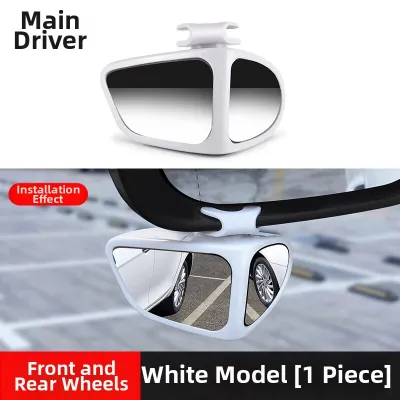
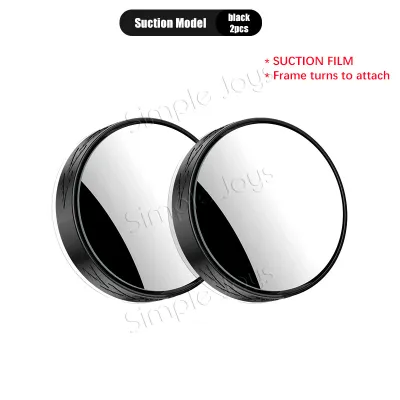
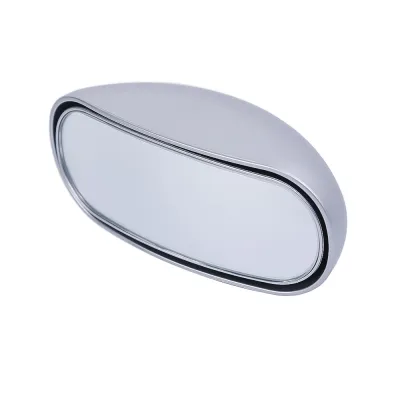
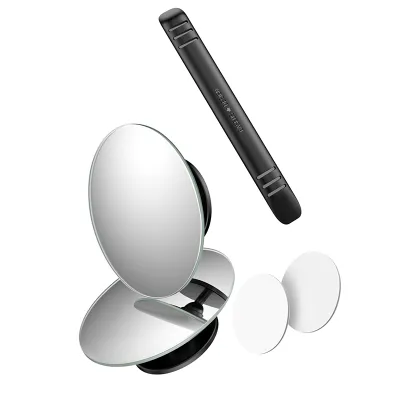
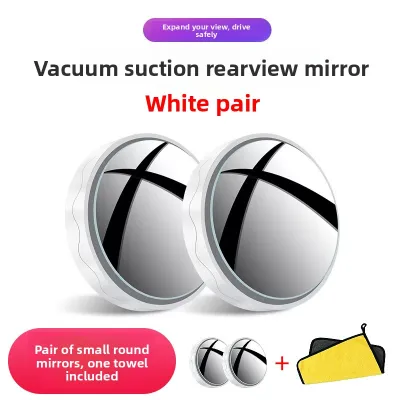
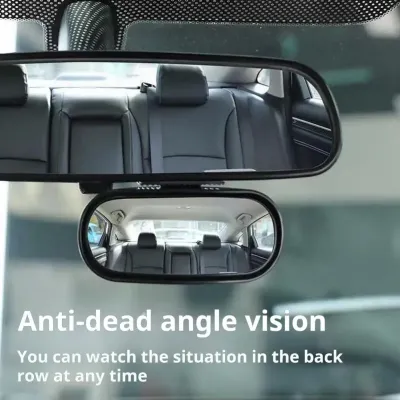
Prices are valid at publication and may change. Please refer to the product page for the latest price.
Stick-on mirrors are the most traditional and widely recognized design. These accessories typically feature a standard convex glass lens encased in a raised plastic bezel or frame. They rely on a pre-applied adhesive backing on the rear of the frame to mount directly onto the surface of your vehicle’s original side mirror glass. Because of their simple, fixed construction, they offer a straightforward, durable solution, though their raised plastic borders can make them appear bulky on modern vehicles.
Frameless mirrors represent a modern evolution of the classic stick-on design. These mirrors feature edge-to-edge glass with no outer plastic bezel, allowing them to blend more seamlessly with the clean lines of contemporary vehicle mirrors. Many frameless models are packaged with an optional swivel base. This base adheres to the original mirror glass, while the frameless lens sits on a tiny ball joint, allowing you to manually tilt and adjust the angle of the blind spot mirror independently of the main mirror housing.
Wide-angle or clip-on mirrors take a different approach by utilizing mechanical attachment methods rather than relying solely on glass-surface adhesives. These systems often feature adjustable mounting brackets or clips that secure directly to the outer plastic housing or shell of your side mirror. By positioning the auxiliary mirror slightly above or to the side of the main housing, these wide-angle designs provide a significantly larger viewing surface and a broader field of view without covering any of your original mirror glass.
Key Decision Factors for Visibility and Aesthetics
When comparing these three designs, you must balance the practical benefits of expanded visibility against potential drawbacks in image clarity, weather resistance, and vehicle styling.

Convex glass works by curving outward, which compresses a wider field of view into a relatively small surface area. While this successfully reveals vehicles traveling in your blind spots, it also introduces visual distortion. Objects in a convex mirror will appear smaller and much farther away than they actually are. Larger wide-angle and clip-on mirrors generally offer a more natural perspective due to their larger surface area, whereas smaller stick-on and frameless mirrors require a brief adjustment period as your eyes learn to interpret the compressed images during quick lane changes.
Mounting durability is another critical factor, especially in tropical climates characterized by intense sunlight, high humidity, and sudden torrential downpours. High ambient temperatures and moisture can gradually degrade low-quality adhesives, causing standard stick-on and frameless mirrors to lose their grip and fall off over time. Mechanical clip-on mirrors avoid this adhesive vulnerability entirely, but they must be tightened securely to prevent wind resistance from causing vibrations or shifting the mirror’s position at highway speeds.
Your choice of blind spot mirror also directly impacts the usable surface area of your primary side mirrors. Applying a standard stick-on or frameless mirror directly to the glass inevitably blocks a portion of your main rearward view. If your car has compact side mirrors, a large adhesive add-on can severely restrict your ability to judge distance in the main lane. In contrast, exterior-mounted wide-angle mirrors preserve every square centimeter of your original glass, though they add physical width to the exterior of your vehicle.
Finally, aesthetic integration plays a major role for many car owners. Frameless mirrors offer the cleanest, most integrated look, often appearing as though they were installed at the factory. Traditional stick-on mirrors with thick black or chrome plastic bezels can create visual clutter on sleek, modern door mirrors. Exterior clip-on mirrors are the most conspicuous option, significantly altering the silhouette of your side mirrors, which may not appeal to drivers who prefer a minimalist vehicle exterior.
Vehicle Compatibility and Safety Checks Before Installation
Before purchasing any blind spot accessory, you must perform several compatibility checks to ensure the product is safe to use and will not damage your vehicle’s original equipment.
First, measure the physical dimensions and inspect the curvature of your original side mirrors. Many modern vehicles already feature multi-curvature or slightly convex glass from the factory to reduce blind spots. Adding a highly curved convex stick-on mirror to an already convex surface can result in extreme image distortion, making it difficult to track adjacent traffic. Ensure there is a flat, stable zone on your mirror glass that can accommodate the footprint of an adhesive accessory.
Second, identify any advanced electronic features integrated into your side mirrors. If your vehicle is equipped with heated mirrors, applying an adhesive pad directly to the glass can insulate the area, potentially causing uneven heat distribution or damaging the heating elements when you attempt to remove the accessory. Similarly, auto-dimming mirrors utilize a delicate electrochromic gel layer between thin sheets of glass; applying excessive pressure or harsh adhesives to these surfaces can cause permanent damage.
Third, verify that the add-on mirror does not interfere with your vehicle’s safety systems. Many modern cars feature blind spot monitoring indicators built directly into the outer edges of the mirror glass. Placing a stick-on or frameless mirror over these indicators will render the electronic warning system useless. Additionally, ensure that clip-on brackets do not block the field of view of any integrated cameras or sensors housed underneath the mirror assembly, which are commonly used for 360-degree parking systems.
Lastly, consider local traffic regulations regarding vehicle modifications. In Singapore, any exterior accessory must comply with Land Transport Authority guidelines. Modifications must not protrude excessively beyond the physical width of the vehicle, nor should they present sharp edges or unstable mounts that could pose a hazard to pedestrians, cyclists, or other motorists. Ensuring your chosen mirror mounts securely within the profile of your vehicle is essential for remaining road-legal.
How to Choose the Right Blind Spot Mirror for Your Car
To simplify your decision, you can map your specific driving habits, vehicle type, and aesthetic preferences to the most suitable mirror design.
Choose a traditional stick-on mirror if you are looking for a highly cost-effective, straightforward visibility upgrade. This option is ideal for older vehicles with simple, flat side mirrors that lack complex electronic features like heating elements or auto-dimming glass. It provides a permanent, low-maintenance solution for daily city driving where basic lane-change assistance is all that is required.
Choose a frameless mirror if you drive a modern sedan, hatchback, or crossover and want to maintain a clean, premium aesthetic. The edge-to-edge glass design integrates beautifully with contemporary vehicle styling, while the adjustable swivel mount allows you to fine-tune the viewing angle to suit your height and seating position. This is the best choice for drivers who want a subtle, adjustable upgrade without cluttering their vehicle’s exterior.
Choose a wide-angle or clip-on mirror if you drive a larger vehicle, such as a sports utility vehicle, van, or pickup truck, or if you frequently tow trailers. These mirrors are designed for maximum visibility, making them highly effective for navigating tight parking spaces, merging onto busy expressways, or managing long blind spots. Because they mount to the outer housing, they are also the safest choice if your original mirror glass features delicate electronic components that you want to avoid covering.
Before making your final selection, always cross-reference your vehicle’s manual to confirm that your chosen mounting style will not interfere with motorized folding mechanisms or electronic mirror adjustment motors.
Installation and Adjustment Best Practices
Proper installation and precise adjustment are critical to ensuring your new blind spot mirrors perform effectively without compromising your primary line of sight.
For adhesive-based stick-on and frameless mirrors, thorough surface preparation is the key to long-term durability. Begin by washing the original mirror glass with a dedicated automotive glass cleaner to remove surface dirt. Next, wipe the specific mounting area with isopropyl alcohol to strip away any remaining road grime, wax, or water spots. Allow the glass to dry completely. In humid climates, perform this installation in a shaded, dry area, and avoid washing your car or exposing it to heavy rain for at least 24 hours to allow the adhesive to cure fully.
When deciding where to place an adhesive mirror, aim for the outer corners of your original glass. The outer lower corner is generally preferred by most drivers, as it captures the adjacent lane while leaving the upper and inner portions of the primary mirror clear for monitoring traffic directly behind you. Alternatively, some drivers prefer the outer upper corner if their seating position causes the lower corner to block their view of the curb during parking maneuvers.
To adjust your blind spot mirror correctly, sit in your normal driving position. Adjust your primary side mirror first so that you can just see the edge of your own vehicle. Next, adjust the blind spot mirror so that it shows the lane immediately adjacent to your car, overlapping slightly with the outer edge of the primary mirror’s view. The goal is to create a continuous visual transition: as a passing vehicle begins to leave your primary mirror, it should immediately appear in your blind spot mirror before entering your peripheral vision.
If you encounter any resistance when installing clip-on brackets, or if you notice that the added weight of an accessory causes your motorized mirror housing to struggle or bind when folding, stop immediately. Forcing a mechanical mount can strip the internal plastic gears of your vehicle’s mirror motor. In these situations, or if you are highly concerned about working around delicate auto-dimming glass coatings, consult a qualified automotive professional to assist with the installation.
Frequently Asked Questions (FAQ)
Do I still need a blind spot mirror if my car has electronic blind spot monitoring?
Yes, physical blind spot mirrors serve as an excellent, fail-safe complement to electronic monitoring systems. Electronic sensors rely on radar or cameras to detect adjacent vehicles, but these systems can experience delayed alerts or temporary failures during heavy tropical downpours, when road grime accumulates over the sensors, or when driving at very low speeds in tight parking structures. A physical mirror provides instantaneous, uninterrupted optical confirmation, allowing you to verify your surroundings with your own eyes regardless of weather conditions or electrical system status.
Can adhesive blind spot mirrors damage my car's original mirror glass?
If removed improperly, adhesive mirrors can potentially scratch the glass or damage specialized exterior coatings, such as anti-glare or hydrophobic treatments. To remove an adhesive mirror safely, use a household hairdryer to apply gentle heat to the backing, which softens the adhesive. Next, take a piece of dental floss or high-strength fishing line and gently saw through the softened adhesive pad behind the mirror. Once the mirror is free, clean away any remaining residue using a mild, automotive-safe adhesive remover and a microfiber cloth. Avoid using metal scrapers, razor blades, or harsh chemical solvents, especially on heated or auto-dimming glass assemblies.
Community discussion
Share your experience or ask a question. Comments are reviewed before publication.