
Navigating busy expressways like the PIE or AYE during peak hours requires split-second decisions, where a single blind spot can lead to a dangerous near-miss. While modern driver-assist systems offer electronic alerts, physical auxiliary mirrors remain a highly reliable, fail-safe backup for monitoring adjacent lanes. Choosing between a stick-on and a clip-on blind spot mirror is not a matter of which product is universally superior, but rather which design matches the physical geometry, technology, and operating conditions of your specific vehicle.
To make the right choice immediately, evaluate your vehicle against these core conditions:
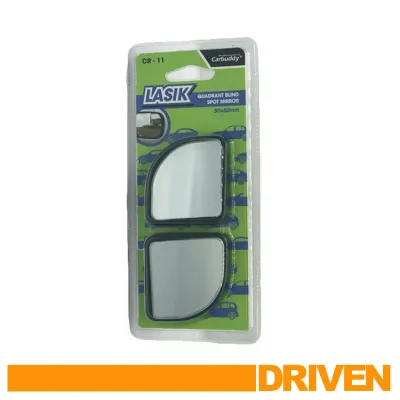
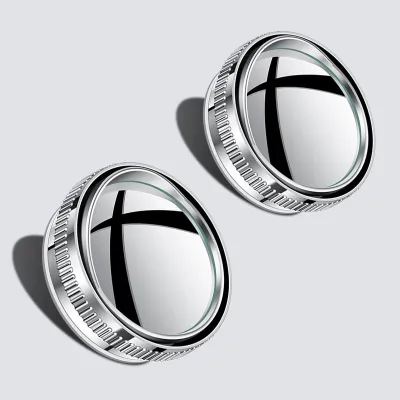
- Choose stick-on if: Your side mirrors have a flat, expansive glass surface, you want maximum placement flexibility (such as the far outer corners), and you prefer a sleek, low-profile look that does not disrupt your car's aerodynamics.
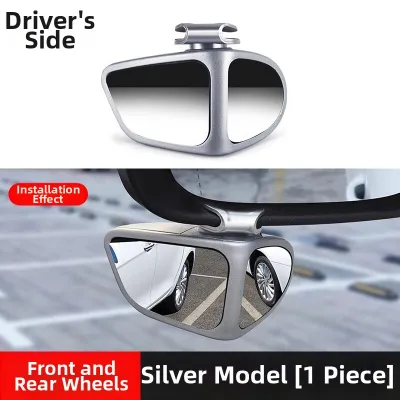
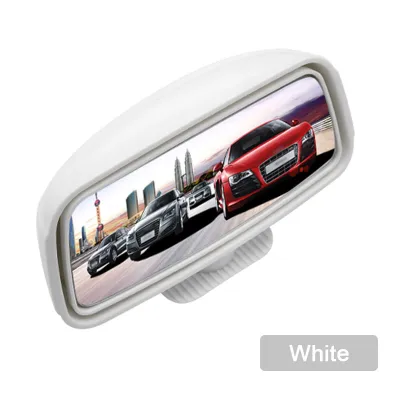
- Choose clip-on if: Your side mirrors feature thick, sturdy outer housings with a distinct bezel or lip for a clamp to grip, you want to avoid leaving adhesive residue on your glass, or you frequently switch the auxiliary mirrors between different vehicles.
- Verify first if: Your vehicle features integrated turn signals on the mirror housing, auto-dimming glass sensors, or heated mirror elements. Both mounting styles can potentially block these features or suffer from reduced performance if installed incorrectly.
Ultimately, the physical shape of your side mirror housing and the glass surface itself will dictate which mounting style provides a secure fit and an unobstructed view.
Products mentioned in this guide
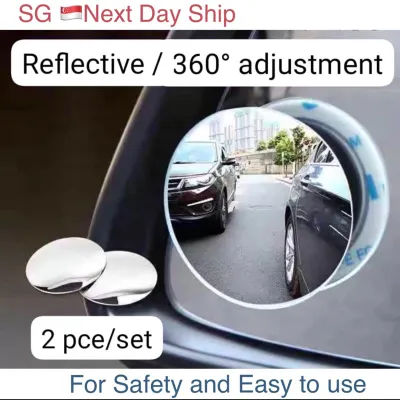
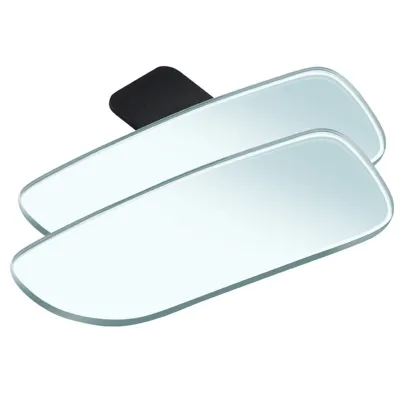
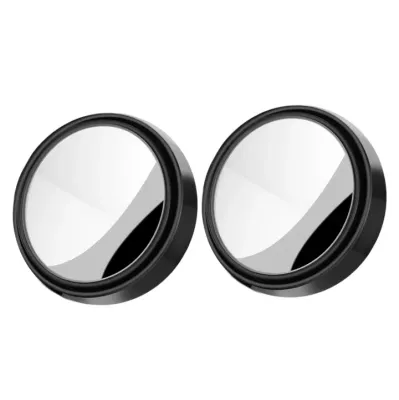
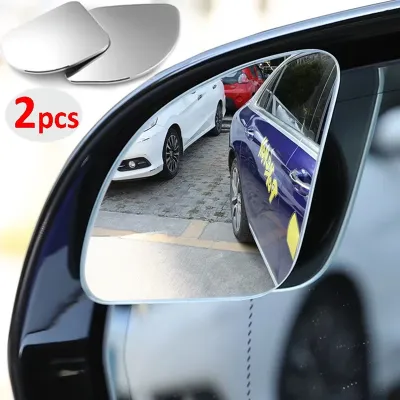
Prices are valid at publication and may change. Please refer to the product page for the latest price.
Key Differences Between Stick-On and Clip-On Mirrors
Understanding the fundamental mechanics of how these two mounting styles attach to your vehicle is essential before making a purchase. The two designs rely on entirely different physical principles to remain secure at high speeds, and each occupies a distinct physical footprint on your side mirror assembly.
The Stick-On Mechanism
Stick-on blind spot mirrors rely on high-strength, automotive-grade double-sided adhesive tape to bond directly to the existing glass surface or, in some designs, to the outer plastic housing. Most reputable manufacturers use acrylic foam tape (such as high-bond structural adhesives) which is designed to withstand shear forces, vibrations, and temperature fluctuations.
Because the adhesive layer is incredibly thin, stick-on mirrors sit almost flush with your primary mirror glass. This low-profile integration minimizes visual disruption, making the auxiliary mirror look like an integrated OEM feature rather than an aftermarket addition. However, this bond is semi-permanent; once applied, the adhesive begins a curing process that makes repositioning difficult without completely replacing the tape.
The Clip-On Mechanism
Clip-on mirrors utilize a mechanical clamping system to secure themselves to the outer frame or bezel of the side mirror housing. This clamp typically consists of a plastic or metal bracket paired with tension screws, spring-loaded clips, or vice-like tightening dials.
Because it relies entirely on mechanical pressure, a clip-on mirror requires no chemical adhesives, making it completely reusable and exceptionally easy to install or remove without tools. This makes clip-ons highly popular among drivers of shared vehicles, commercial fleet operators, or those who wish to preserve their vehicle’s original parts in pristine condition for future resale.
Physical Footprint and Aerodynamics
The mechanical hardware required for a clip-on mirror naturally results in a larger physical footprint. The mounting bracket must wrap around the mirror’s plastic housing, which can add bulk to the outer edge of your side mirror assembly. At highway speeds, this extra surface area can slightly increase wind resistance, occasionally producing a faint whistling sound or causing the entire mirror assembly to vibrate if the clamp is not perfectly tight.
In contrast, stick-on mirrors add virtually no aerodynamic drag, as they sit within the recessed cavity of the mirror housing, shielded from direct airflow.
How Mirror Shape and Size Dictate Your Choice
Before purchasing any auxiliary mirror, you must closely inspect the physical geometry of your car’s side mirrors. The curvature of the glass, the thickness of the surrounding plastic bezel, and the presence of modern electronic features will quickly eliminate certain options.

Flat, Large, and Standard Mirrors (Best for Stick-On)
Vehicles with large, relatively flat side mirrors—such as sport utility vehicles (SUVs), multi-purpose vehicles (MPVs), and larger sedans—are the ideal candidates for stick-on mirrors. These spacious glass panels offer ample surface area, allowing you to place a stick-on mirror in the outermost lower or upper corner without blocking your primary view of the lane behind you.
Because the glass is flat, the flat adhesive backing of the stick-on mirror can make 100% contact with the surface, ensuring a permanent, high-strength bond that resists peeling.
Curved, Small, or Bezel-Less Mirrors (Where Clip-On Struggles)
Many modern compact cars, sports sedans, and electric vehicles feature highly swept, aerodynamic side mirrors with curved outer housings or ultra-thin, bezel-less frames. On these designs, clip-on mirrors face severe compatibility issues:
- Sloped Housings: If the outer plastic housing of your mirror tapers sharply or curves downward, a mechanical clamp cannot find two parallel surfaces to grip. The clamp will naturally slide toward the narrowest point, leading to a loose fit.
- Vibration and Slippage: A clamp attached to a highly curved surface is highly susceptible to road vibrations. Over time, the constant shifting can scratch the paint on your housing or cause the auxiliary mirror to fall off entirely while driving.
- Bezel-less Glass: Modern "frameless" side mirrors have almost no plastic border. Attempting to clamp a clip-on mirror directly onto the edge of frameless glass can concentrate mechanical stress on the glass edge, risking immediate cracking or chipping.
For these aerodynamic or compact mirror shapes, a small, adjustable stick-on mirror placed directly on the glass is often the only viable and safe option.
Mirrors with Thick Housings or Integrated Features
If your vehicle has thick, rugged plastic housings—common on off-road vehicles, commercial vans, and older sedan models—a clip-on mirror can easily find a secure, flat edge to clamp onto. However, you must carefully inspect the back and bottom of the housing for integrated electronic components.
Many modern vehicles place LED turn signal repeaters, puddle lights, or 360-degree camera sensors along the outer edges of the mirror housing. A bulky clip-on bracket can easily block these lights or obstruct the camera’s field of view.
Similarly, if your mirror glass features integrated blind-spot monitoring (BSM) warning icons near the outer edge, you must ensure that a stick-on mirror is small enough to be placed away from these indicators so you do not lose access to your vehicle’s active safety warnings.
Durability and Weather Resistance in Tropical Climates
Operating a vehicle in tropical climates like Singapore presents unique challenges for aftermarket exterior accessories. High ambient temperatures, intense ultraviolet (UV) radiation, high humidity, and sudden, torrential downpours all test the limits of both adhesives and plastics.
Adhesive Degradation (Stick-On)
When a car is parked in an unsheltered, open-air parking lot or a multi-storey car park roof deck, surface temperatures on the side mirrors can easily exceed 60°C. Under this intense heat, low-quality or generic double-sided adhesives can soften, lose their viscosity, and begin to slide down the glass, leaving a sticky, unsightly trail.
To prevent this, you must ensure that any stick-on mirror you select uses high-quality, weather-resistant acrylic foam tape (such as premium automotive-grade VHB tape). Acrylic adhesives undergo a chemical cross-linking process that actually strengthens when exposed to moderate warmth, and they are highly resistant to moisture penetration during heavy monsoon downpours.
Mechanical Fatigue (Clip-On)
While clip-on mirrors do not rely on adhesives, they are highly vulnerable to solar degradation. The plastic clamping arms, tension dials, and mounting brackets are constantly exposed to direct sunlight. Over time, UV radiation breaks down the polymer chains within standard ABS plastics, a process known as photo-oxidation.
This causes the plastic to fade, become brittle, and lose its structural flexibility. A bracket that felt perfectly secure when new can easily snap when bumped during a manual car wash or when subjected to the high-pressure water jets of an automatic car wash. Additionally, temperature-induced expansion and contraction can cause the metal tightening screws to slowly back out, requiring you to manually check and retighten them periodically.
Moisture and Dirt Accumulation
During heavy rain, water mixed with road grime, oil, and fine grit will inevitably find its way into every crevice of your vehicle’s exterior. For clip-on mirrors, this moisture can become trapped between the mounting clamp and the painted surface of your mirror housing. As the car vibrates during normal driving, this trapped grit acts like sandpaper, slowly wearing away the clear coat and paint underneath the clamp.
Stick-on mirrors, when applied to a properly prepared, clean glass surface, form a continuous, watertight seal. Because there are no gaps for water to pool behind the adhesive pad, there is minimal risk of moisture trapping, mold growth, or corrosion behind the mirror face.
Field of View and Blind Spot Coverage
The primary purpose of an auxiliary mirror is to expand your field of view, allowing you to see vehicles traveling in your blind spots before you initiate a lane change. The physical mounting style directly influences how much of this view you can customize and how much of your primary mirror is sacrificed.
Placement Flexibility
Stick-on mirrors offer unparalleled placement freedom. Because they can adhere to any clean spot on the glass, you can sit in your normal driving position and experiment with different locations using temporary tape before committing to a permanent install. Most drivers prefer the lower outer corner of the mirror, which captures the adjacent lane without blocking the view of the horizon behind them.
Clip-on mirrors, by contrast, are physically constrained to the outer perimeter of the mirror housing. You can only mount them where the clamp can successfully grip the bezel. This often forces the auxiliary mirror to sit higher or further outward than desired, which may not align perfectly with your natural line of sight.
Main Mirror Obstruction
Because a stick-on mirror sits directly on the glass surface, it inevitably consumes a portion of your primary mirror’s reflective area. If your car has small side mirrors, adding a large stick-on disc can significantly reduce your ability to judge distance in the main mirror.
Clip-on mirrors solve this issue by extending outward or upward from the housing, keeping the primary mirror glass completely clear. However, this extra extension increases the overall width of your vehicle. You must remain mindful of this when parking in tight, narrow spaces or when driving through tight lanes, as the protruding clip-on mirror is more likely to be clipped by passing vehicles or obstacles.
Adjustability and Swivel Joints
Many high-quality stick-on mirrors feature a built-in swivel base or ball joint. This allows you to angle the convex glass independently of the main mirror, fine-tuning the blind spot coverage to suit your height and seating position.
Clip-on mirrors often feature fixed brackets or highly restricted pivot ranges. If the clamp is mounted at an angle dictated by a sloped mirror housing, the auxiliary mirror’s view may be permanently skewed, reducing its effectiveness at capturing the exact zone where vehicles disappear from your peripheral vision.
Installation, Removal, and Potential Damage
Properly installing and removing these accessories is crucial to avoid damaging your vehicle’s paint, glass, or internal motorized components.
Stick-On Installation and Removal
Installing a stick-on mirror is a straightforward, low-risk process, but it requires meticulous surface preparation to ensure a long-lasting bond:
- Clean the Glass: Thoroughly clean the target area of your side mirror glass using isopropyl alcohol and a clean microfiber cloth. This step is critical to remove road film, wax, and water spots that prevent the adhesive from bonding.
- Dry Completely: Ensure the glass is completely dry. Avoid installing the mirror in high-humidity conditions or direct sunlight, as condensation or extreme heat can interfere with the initial tack.
- Apply Firm Pressure: Peel the backing tape, position the mirror carefully, and press it firmly against the glass for at least 30 to 60 seconds. This activates the pressure-sensitive adhesive.
- Allow to Cure: Let the adhesive cure for at least 24 hours before driving at high speeds or exposing the vehicle to rain or car washes.
To safely remove a stick-on mirror without scratching the glass, apply moderate heat from a hairdryer to soften the adhesive. Gently slide a piece of dental floss or a plastic trim removal tool behind the mirror base to slice through the softened foam tape. Any remaining sticky residue can be easily dissolved using a dedicated automotive adhesive remover applied to a microfiber cloth.
Clip-On Installation and Risks
While clip-on installation requires no surface cleaning or curing time, it carries different physical risks. If you over-tighten the metal clamping screws, you can easily crack the plastic bezel of your side mirror housing or pinch the mirror glass, causing it to shatter. Conversely, if you under-tighten the screws to protect the housing, the mirror may vibrate excessively or fly off at high speeds.
To prevent cosmetic and structural damage when using a clip-on mirror, always place a thin strip of protective rubber padding or a small piece of microfiber cloth between the clamp’s jaws and your car’s painted housing. This buffers the mechanical pressure and prevents the hard plastic or metal edges of the clamp from gouging your paintwork.
Stick-On vs. Clip-On: Feature Comparison Table
| Feature / Dimension | Stick-On Mirrors | Clip-On Mirrors |
|---|---|---|
| Mounting Mechanism | High-strength double-sided automotive adhesive | Mechanical clamp (screws, clips, or brackets) |
| Best Mirror Shape | Flat, large, or standard glass surfaces | Thick, flat, or heavily bezeled outer housings |
| Placement Flexibility | High (can be placed anywhere on the glass surface) | Low (restricted to the outer edges of the housing) |
| Main Mirror Obstruction | Moderate (occupies a portion of the primary glass) | Minimal (sits outside or above the primary glass) |
| Weather Vulnerability | Heat can soften low-grade adhesives over time | UV rays can make plastic brackets brittle and prone to snapping |
| Removal Process | Requires heat, floss, and adhesive cleaner | Simple, tool-free unclipping (leaves zero residue) |
| Aerodynamic Impact | Minimal (sits flush inside the mirror housing) | Moderate (can cause slight wind noise or vibration) |
Frequently Asked Questions (FAQ)
Do blind spot mirrors fit all car models?
While the auxiliary mirrors themselves are generally universal in terms of their reflective capability, their mounting brackets are not. Stick-on mirrors are highly universal because they only require a small patch of flat glass to adhere to, making them compatible with almost any vehicle. Clip-on mirrors, however, are highly dependent on the thickness, shape, and slope of your car’s outer mirror housing. If your car has highly aerodynamic, curved, or bezel-less side mirrors, a standard clip-on mirror will likely fail to find a secure grip.
Will stick-on mirrors damage my car's side mirror glass?
No, high-quality automotive adhesives will not chemically damage or etch your car’s side mirror glass. The glass surface is highly chemically inert. The only challenge you will face is removing the stubborn foam residue left behind when you decide to take the mirror off. This residue can be safely cleared away using standard automotive adhesive removers, isopropyl alcohol, and a plastic scraper. Never use metal razor blades, steel wool, or abrasive household scrubbers, as these will permanently scratch the glass.
Are convex blind spot mirrors legal for use on public roads?
Yes, adding small, convex auxiliary mirrors to your vehicle’s existing side mirrors is generally legal and widely recommended as a practical safety upgrade. However, they must serve strictly as an aid and must not obstruct your primary, legally required view of the road behind you. The vehicle’s original side mirrors must remain fully functional, and the auxiliary mirrors must not protrude excessively beyond the maximum width of your vehicle as defined by local transport authority regulations. If you have heavily modified or tinted your primary side mirrors, always verify compliance with local road safety guidelines before adding further modifications.
Community discussion
Share your experience or ask a question. Comments are reviewed before publication.