
Choosing the right crash guard for your motorcycle comes down to a fundamental trade-off between maximum impact energy absorption and weight conservation. If your primary goal is to protect your machine during heavy-duty off-road riding, long-distance touring, or adventure riding where tip-overs are highly likely, steel is generally the preferred choice. Steel bends under high stress, absorbing the energy of an impact rather than transferring it directly to your motorcycle’s frame.
Conversely, if you ride a sport-touring bike, a street commuter, or a lightweight adventure motorcycle where maintaining agile handling and keeping weight to a minimum is your top priority, aluminum is often the more suitable option. Aluminum guards reduce the physical load on your front suspension and preserve the original steering dynamics of your bike.
Before making any purchase, you must verify the specific manufacturer specifications, mounting configurations, and fitment details for your exact motorcycle make, model, and production year. A guard designed for a different model year may not align with your frame’s structural mounting points, which can compromise both safety and protection.
Products mentioned in this guide
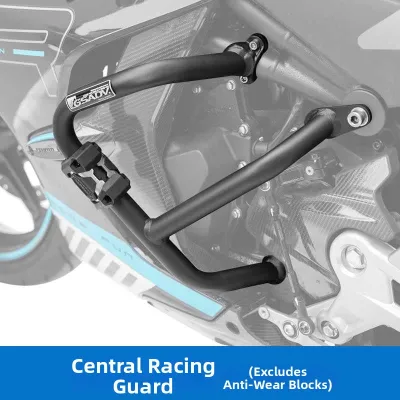
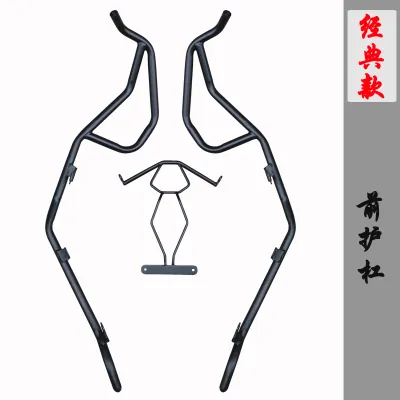
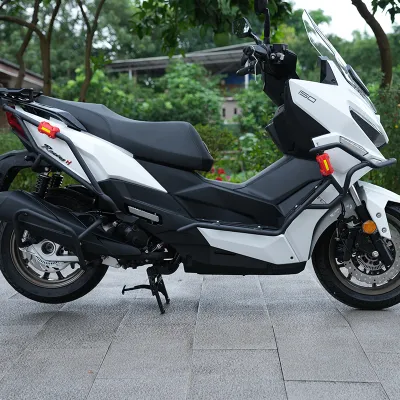
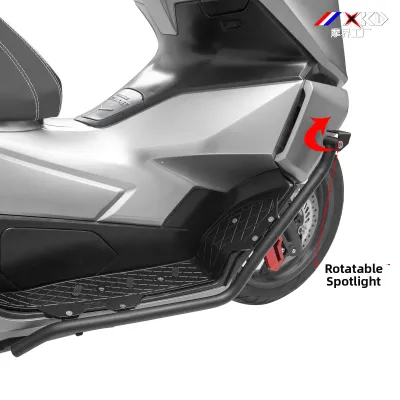
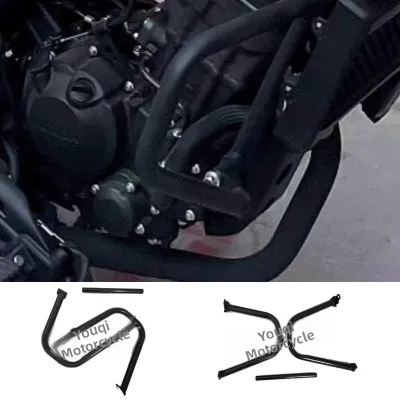
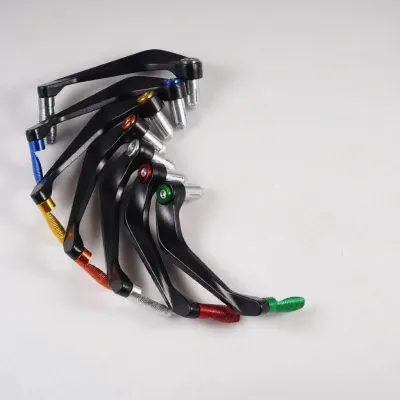
Prices are valid at publication and may change. Please refer to the product page for the latest price.
Key Differences Between Steel and Aluminum Crash Guards
To make an informed decision, you must understand the physical and structural differences between these two common metals. Steel is highly ductile, meaning it can deform and bend under extreme pressure before it actually cracks or breaks. When your motorcycle falls, a steel crash guard acts as a crumple zone, bending slowly to soak up the kinetic energy of the impact. This characteristic helps shield delicate engine casings and frame tabs from sudden, sharp shocks. However, steel is inherently dense and heavy, which adds noticeable weight to your motorcycle’s chassis.
Aluminum, on the other hand, is significantly lighter—often weighing up to fifty percent less than a steel counterpart of similar dimensions. However, aluminum is a stiffer material with lower ductility. Instead of bending gradually, aluminum tends to resist deformation up to a certain point, after which it may crack or shear. Because of this stiffness, an impact on an aluminum guard can transfer more of the shock directly through the mounting bolts and into your motorcycle’s frame or engine block.
The two materials also differ greatly in how they handle environmental exposure and surface wear. Steel is highly susceptible to rust if its protective coating is compromised. Most steel guards are finished with a durable powder coat or industrial paint to seal the metal from moisture.
Aluminum naturally forms a protective oxide layer that resists corrosion, making it highly durable in wet or humid climates. Manufacturers typically anodize or brush aluminum guards, which provides a clean, modern aesthetic that does not rust even when deeply scratched.
How to Evaluate Impact Protection for Your Riding Style
Evaluating your typical riding environment is the most reliable way to determine how much impact protection your motorcycle actually requires. If you spend your time navigating unpaved trails, gravel roads, or rocky terrain, your bike faces a high risk of low-speed drops and direct impacts from obstacles. In these scenarios, the heavy-duty energy absorption of steel is invaluable, as it can withstand multiple impacts and often be bent back into shape temporarily to get you home safely.

You should evaluate how a potential crash guard covers the most vulnerable and expensive components of your specific machine, such as the exposed radiator, side fairings, engine cases, and water pump.
When shopping for a crash guard, do not rely solely on the material name as a guarantee of safety. Instead, look closely at the structural design, tube diameter, wall thickness, and the number of mounting points. A well-engineered guard should distribute forces across multiple frame points rather than concentrating the load on a single engine bolt. You should review the manufacturer’s documentation for details on structural reinforcement, gussets, and any specific impact testing or warranties they offer for their products.
Weight Considerations and Handling Impact
Adding accessories to your motorcycle inevitably alters its physical dynamics, and where you add that weight matters immensely. Crash guards are typically mounted relatively high on the motorcycle’s frame to protect the engine and upper fairings. Adding heavy steel guards high up raises the motorcycle’s center of gravity, which can make the bike feel top-heavy when maneuvering at low speeds, parking, or transitioning through tight corners.
Aluminum guards mitigate this issue by keeping the added mass to a minimum, preserving the nimble handling characteristics that the motorcycle manufacturer originally engineered.
To ensure your motorcycle remains safe and balanced, you should perform the following checks before installing any guard:
- Consult the Owner's Manual: Verify the manufacturer's maximum allowable accessory weight limits and payload capacity to ensure you do not overload the chassis.
- Assess Suspension Sag: Check if the added weight of the guards requires you to adjust your front fork preload or rear shock settings to maintain proper ride height.
- Evaluate Steering Inertia: Note whether the mounting position of the guard attaches directly to the frame or to the front fork assembly, as weight attached to steering components has a much greater impact on handling.
While saving weight with aluminum is highly desirable, you must weigh this benefit against the potential sacrifice in absolute durability. If you choose a lightweight aluminum guard, accept that a severe, high-speed slide or a hard drop onto sharp rocks may deform the guard to the point where it cannot be reused, whereas a steel guard might survive the ordeal with only cosmetic damage.
Installation, Fitment, and Maintenance Checks
Proper installation is critical to ensuring that a crash guard performs its intended job during an accident. You must verify that the guard you select is designed specifically for your motorcycle’s exact make, model, and year. Modifying structural components, frame mounting points, or electrical routing can impact your motorcycle’s road legality and safety. Always refer to your original-vehicle instructions and seek qualified professional installation if the process requires altering factory components.
During installation, you must follow the manufacturer’s torque specifications precisely. Over-tightening mounting bolts can strip the threads in your motorcycle’s engine block or frame, while under-tightening can allow the guard to vibrate loose over time.
Maintaining your crash guards requires regular, systematic inspections to catch potential failures before they lead to a structural breakdown:
- Check for Stress Fractures: Inspect aluminum guards closely around weld joints and mounting brackets, as aluminum is prone to metal fatigue and micro-cracking from engine vibrations.
- Monitor for Corrosion: Examine steel guards for any signs of bubbling paint, rust spots, or flaking powder coat, especially on the underside of the tubes where road debris strikes.
- Verify Bolt Tightness: Use a torque wrench to periodically check that all mounting hardware remains tight and that any rubber isolation dampers are intact.
- Inspect Clearance: Ensure there is still adequate clearance between the guard and the engine casings, exhaust pipes, and control cables, as a bent guard can rub against these parts and cause severe wear.
Decision Framework: Choosing the Right Crash Guard
To finalize your decision, use this structured framework to match your riding style, motorcycle type, and maintenance preferences to the correct material.
Choose Steel if:
- You ride a heavy adventure bike, dual-sport, or touring motorcycle and frequently travel off-road or on unpaved terrain.
- Your primary concern is maximum impact protection and the ability of the guard to absorb severe shocks without cracking.
- You do not mind adding extra weight to your motorcycle in exchange for a highly durable, repairable protective barrier.
Choose Aluminum if:
- You ride a street commuter, sport-touring bike, or lightweight motorcycle where agile handling and quick steering are priorities.
- You want to minimize the overall weight added to your motorcycle to keep the center of gravity as low as possible.
- You ride frequently in wet, humid, or coastal environments and want a low-maintenance guard that naturally resists corrosion.
Verify First if:
- Your motorcycle is equipped with advanced rider-assistance systems, aftermarket exhaust systems, or modified fairings, as these can interfere with standard mounting points.
- Your motorcycle is still under factory warranty; check with your local dealer to ensure that installing aftermarket structural guards does not affect your coverage.
- You plan to mount heavy accessories, such as auxiliary lights or highway pegs, directly to the crash guard tubes, as this requires verifying the tube diameter and load capacity.
Frequently Asked Questions (FAQ)
Do I need to replace my crash guard after a minor drop?
Yes, you should thoroughly inspect your crash guard after any drop, even a minor tip-over in a parking lot. While steel guards can often withstand minor impacts without losing structural integrity, they can still bend slightly, reducing the clearance between the guard and your engine casing.
For aluminum guards, the risk is different. Because aluminum does not bend as easily as steel, it is highly susceptible to micro-cracks and stress fractures around the welds after an impact. These cracks may not be easily visible to the naked eye but can cause the guard to fail completely during a future fall. Always follow the manufacturer’s post-impact inspection guidelines, check all mounting brackets for deformation, and replace the unit if you detect any cracks, deep gouges, or structural misalignment.
Will installing an aftermarket crash guard void my motorcycle's warranty?
In most cases, installing an aftermarket crash guard will not automatically void your entire motorcycle warranty. However, vehicle warranties typically only cover defects in factory materials and workmanship. If an aftermarket accessory is installed incorrectly, or if its design causes subsequent damage to your motorcycle, that specific damage will not be covered under your warranty.
To protect your warranty, always choose high-quality guards from reputable manufacturers that utilize existing, factory-approved mounting points without requiring you to drill into the frame or make permanent structural alterations. If you have concerns, consult your authorized dealer or review your warranty documentation before proceeding with the installation.
Community discussion
Share your experience or ask a question. Comments are reviewed before publication.