
Quick Answer: Which Paint Protection Should You Choose?
Selecting the right paint protection depends on your budget, available time, and maintenance preferences. Choose a spray coating if you want a balance of easy application, moderate durability, and minimal curing time. Choose traditional wax if you prioritize a warm, deep gloss on darker paints and enjoy hands-on detailing routines. Choose a ceramic coating if you seek maximum longevity, strong chemical resistance, and are willing to invest in rigorous surface preparation or professional installation. Before applying any protection, verify if your car’s clear coat has deep scratches, swirl marks, or oxidation. These defects require paint correction first, as applying any protective layer over damaged paint will permanently lock in those imperfections.
Understanding the Three Paint Protection Methods
To make an informed choice, you must understand how these three product categories differ in their chemical composition and how they interact with your car’s paintwork.

Spray coatings, often formulated as silicon dioxide (SiO2) infused spray sealants, serve as lightweight, easy-to-apply sacrificial barriers. These products use synthetic polymers blended with liquefied silica particles. When sprayed onto the surface and wiped clear, they flash quickly, leaving behind a thin, reflective layer that repels water and dust. They do not form a permanent bond with the paint, but they offer a highly convenient way to add temporary protection during a routine wash.
Products mentioned in this guide
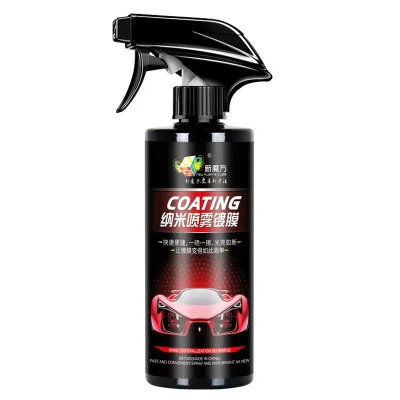
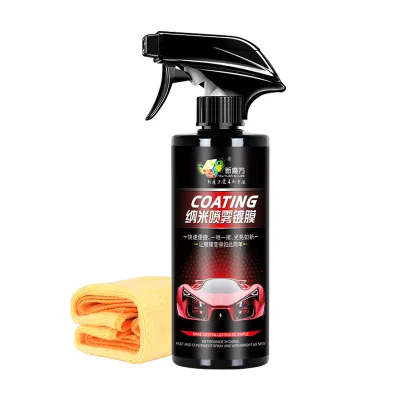
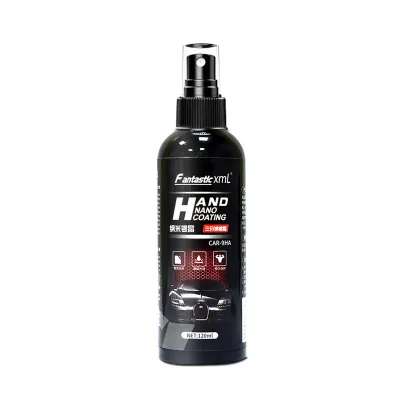
![[SG Stock]🇺🇸NO.1 Car Coating Spray Nano✅Ceramic Coating Spray Paint / Automotive Care Scratch Remover Repair Polish Wax Waterless Wash Waterproof Hydrophobic Spray汽车抛光镀膜剂](https://img.lazcdn.com/g/p/2bba12901b2bb2d755549c6a6f6bd75f.jpg_400x400q80.jpg_.webp)
![[SG]500ml Car coating Spray Nanometer Ceramic Coating Scratch Repair Oxidation Refresher Car Maintenance Polishing Paint汽车镀膜蜡](https://img.lazcdn.com/g/p/1d25dec4e05e27f2848e49ab3eaf7f35.jpg_400x400q80.jpg_.webp)
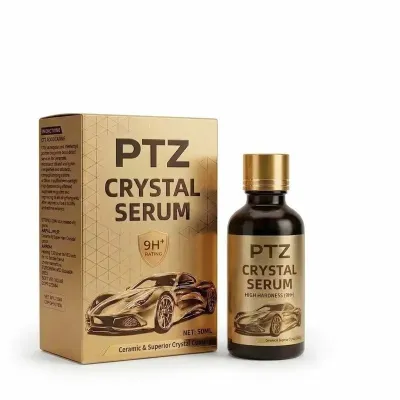
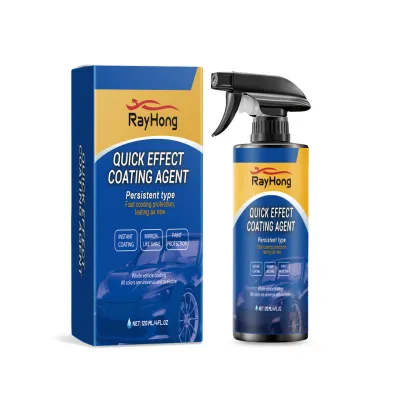
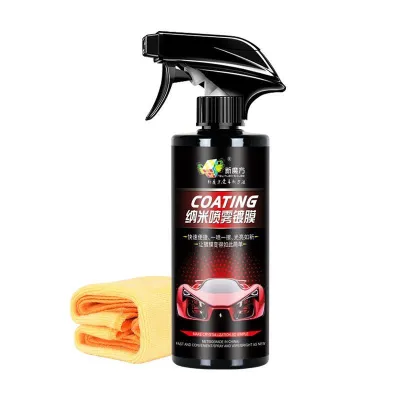
Prices are valid at publication and may change. Please refer to the product page for the latest price.
Traditional waxes rely on natural ingredients, primarily carnauba wax harvested from Brazilian palm trees, or synthetic polymers designed to mimic natural wax properties. Unlike modern chemical coatings, wax does not bond chemically with the paint. Instead, it sits directly on top of the clear coat, physically filling microscopic imperfections, pores, and light scratches. This filling effect is what gives waxed vehicles their characteristic deep, warm glow, though the physical layer is easily degraded by heat and detergents.
Ceramic coatings represent a more advanced chemical technology, utilizing liquid polymers that contain silicon dioxide or silicon carbide. When applied to a clean clear coat, these liquid polymers undergo a chemical reaction that allows them to cross-link and bond directly with the factory paintwork. This creates a semi-permanent, highly durable crystalline layer. This bonded shield does not wash off easily and must typically be polished away if removal is required, providing a much tougher barrier against environmental hazards.
Comparing Durability and Protection Levels
When evaluating how long these protective layers will last, you must look past marketing claims and consider real-world environmental factors. Manufacturers often print optimistic longevity estimates on their labels, but actual performance depends heavily on your local climate, washing frequency, and parking conditions. For instance, in hot, humid tropical climates like Singapore, intense UV exposure and frequent heavy rain can accelerate the degradation of any protective layer.
To understand chemical resistance, you should consult the technical specifications or safety data sheets of the products you are considering. Traditional carnauba waxes offer the lowest resistance to heat and chemicals; they can begin to melt under direct, intense sunlight and are easily stripped away by alkaline car wash soaps. Spray sealants offer improved heat resistance and can withstand mild detergents, but they still degrade steadily over several weeks or months of regular driving and washing.
Ceramic coatings provide the highest level of protection against environmental contaminants such as bird droppings, tree sap, and industrial fallout. Because the ceramic layer chemically bonds to the clear coat, it creates a hard, dense barrier that resists chemical etching. While a sacrificial barrier like wax or spray sealant simply slows down the penetration of acidic contaminants, a properly cured ceramic coating prevents them from reaching the clear coat entirely, provided the contaminants are washed off within a reasonable timeframe.
Evaluating Application Effort and Surface Preparation
Regardless of the protection method you choose, the final result is entirely dependent on the quality of your surface preparation. Applying any protective product over a dirty or contaminated surface will trap dirt underneath and prevent the product from adhering correctly. A thorough preparation process is universal: you must perform a meticulous hand wash, follow up with chemical decontamination using an iron remover, use a clay bar to pull embedded grit from the pores of the clear coat, and completely dry the vehicle.
Once the surface is clean, the application processes differ dramatically. Spray coatings require the least effort; they are typically applied using a simple “spray and wipe” method on a cool panel, requiring only a couple of high-quality microfiber towels and minimal physical strain. There is virtually no curing time, meaning you can drive the vehicle immediately after application without worrying about moisture exposure.
Ceramic coatings, by contrast, demand strict environmental controls and precise application techniques. You must apply the liquid polymer in small sections, watch for the product to “flash” or bead up, and buff it off at the exact right moment to avoid leaving permanent high spots or cloudy patches. Furthermore, ceramic coatings require a controlled, dust-free environment and a mandatory curing period—often 12 to 24 hours—during which the vehicle must remain completely dry and out of direct sunlight. If your clear coat has visible swirl marks or scratches, you should stop the DIY process and consult a professional detailer, as these defects require mechanical paint correction with a dual-action polisher before a ceramic coating can be safely applied.
Assessing Visual Finish and Hydrophobic Results
The visual outcome of your detailing work is a matter of personal preference, as different protective layers interact with light in distinct ways. Traditional carnauba wax is highly regarded for producing a “warm, deep” gloss. Because the wax physically fills in tiny microscopic valleys in the paint, it rounds off the edges of light reflections, creating a soft, liquid-like shine that is particularly striking on dark colors like black, deep blue, or metallic red.
In contrast, ceramic coatings and SiO2-infused spray sealants deliver a “glass-like, high-gloss” finish. These products create an incredibly flat, hard surface that reflects light directly without diffusing it. This results in a very bright, sharp, and clinical shine that makes the vehicle look as though it has been wrapped in a layer of liquid glass. This effect is highly pronounced on lighter colors, such as white, silver, or grey, where it highlights the sharp body lines of the vehicle.
Functionally, both methods improve the hydrophobic properties of the paint, but they do so with varying intensity. Hydrophobic surfaces cause water to bead up into tight spheres and roll off easily, carrying loose dirt with them, while hydrophilic surfaces encourage water to sheet off in large pools. Ceramic coatings and high-quality spray sealants exhibit extreme hydrophobic behavior, which you can safely observe by spraying a gentle mist of water onto a clean, cured panel. However, you must remember that no product can compensate for poor preparation; if the paintwork is covered in road grime or industrial fallout, even the most expensive ceramic coating will fail to bead water or shine effectively.
Calculating Cost and Long-Term Value
Evaluating the financial commitment of paint protection requires looking beyond the initial purchase price of the bottle or service. A DIY approach using traditional waxes or spray sealants carries a very low upfront material cost. A single bottle of spray sealant or a tub of wax is highly affordable and can last for dozens of applications. However, because these products degrade quickly, you must factor in the value of your personal time and the cost of consumables over the lifespan of your vehicle ownership, as you will need to reapply them every few weeks or months.
DIY ceramic coating kits represent a higher initial investment for the materials alone, and they require you to purchase additional preparation products, such as isopropyl alcohol wipes, clay bars, and specialized applicator blocks. If you choose to hire a professional detailing service for a ceramic coating, the cost increases significantly. This higher price reflects the intensive labor involved in professional paint correction, the specialized infrared curing lamps used, and the overhead of operating a clean, climate-controlled facility.
Long-term maintenance costs must also be factored into your budget. To preserve any paint protection—especially a ceramic coating that comes with a multi-year manufacturer warranty—you must use specialized, pH-neutral car shampoos and high-quality, plush microfiber towels to prevent scratching. Additionally, ceramic coatings often require periodic maintenance washes using dedicated ceramic booster sprays to replenish the hydrophobic top layer, meaning you will still need to purchase and apply spray-based products occasionally to keep the coating performing at its peak.
How to Choose the Right Protection for Your Car
To select the most suitable paint protection method, you should evaluate your vehicle’s usage patterns, your long-term ownership plans, and your willingness to perform regular maintenance.
Matching Your Owner Profile
- The Daily Commuter: If your car is a high-mileage daily driver parked outdoors, a ceramic coating offers a strong defense against daily environmental wear, saving you time on weekly washes.
- The Weekend Hobbyist: If you own a weekend show car, keep it garaged, and enjoy spending your Saturday mornings detailing your vehicle, traditional carnauba wax provides a rewarding, hands-on experience and a classic, deep shine.
- The Short-Term Lessee: If you are driving a short-term lease vehicle or plan to sell the car within a year or two, a high-quality spray coating provides excellent, cost-effective protection without the heavy time or financial investment of a ceramic coating.
Establishing a Maintenance Schedule Once you have applied your chosen protection, you must establish a realistic maintenance routine to ensure its longevity. For spray sealants and waxes, this means washing your car every one to two weeks using a gentle hand-wash method and reapplying the protective layer every two to three months. For ceramic coatings, you should wash the vehicle bi-weekly using the two-bucket method with a pH-neutral shampoo, and apply a dedicated ceramic booster spray every six months to maintain the hydrophobic properties.
Final Application Checklist Before you begin any application, go through this final checklist to ensure a safe and successful outcome:
- Verify Product Authenticity: Purchase your products directly from authorized distributors or reputable retailers to avoid counterfeit formulas that can damage your paint.
- Check Clear Coat Thickness: If your vehicle is older or has undergone multiple aggressive polishing sessions, consult a professional to measure the clear coat thickness before attempting any mechanical paint correction.
- Ensure a Safe Environment: Always apply paint protection in a shaded, well-ventilated, and dust-free area, out of direct sunlight, to prevent the products from drying too quickly or trapping airborne debris on the wet paint.
Frequently Asked Questions (FAQ)
Can I apply a ceramic coating over existing wax or spray sealant?
No, you cannot apply a ceramic coating directly over an existing layer of wax or spray sealant. Ceramic coatings require direct, microscopic contact with the vehicle’s factory clear coat to establish a strong chemical bond. If a layer of wax or sealant is present, it acts as a physical barrier, preventing the ceramic liquid from bonding with the paint. This will result in immediate bonding failure, causing the coating to wash off during your next car wash. To transition to a ceramic coating, you must first strip away all existing protection using a dedicated strip wash shampoo, followed by a clay bar treatment and an isopropyl alcohol wipe-down to ensure the paint is completely bare.
Do I still need to wash my car if it has a ceramic coating?
Yes, you must still wash your car regularly even if it has a ceramic coating. While ceramic coatings are highly hydrophobic and make washing much easier by preventing dirt from bonding tightly to the surface, they are not self-cleaning. Road grime, brake dust, mineral deposits from rainwater, and environmental fallout will still accumulate on the surface over time. If left untreated, this layer of dirt will mask the coating, temporarily degrading its hydrophobic properties and making the paint look dull. To maintain the coating, you should wash the car every two weeks using a pH-neutral car shampoo and clean microfiber wash mitts, avoiding automatic drive-through car washes that use harsh brushes.
Community discussion
Share your experience or ask a question. Comments are reviewed before publication.