
Choosing between Sonax Xtreme polish, wax, and ceramic coating depends entirely on your vehicle’s current paint condition and your long-term maintenance goals. Polish is a corrective treatment that removes paint defects but offers no protection. Wax is a temporary, sacrificial barrier that enhances gloss and repels water for a short period. Ceramic coating is a semi-permanent, chemically bonding protective layer that offers durable resistance against environmental contaminants.
If your car’s paint has visible swirl marks, fine scratches, or oxidation, you must polish it first before applying any protective layer. If your paint is already in excellent condition, you can skip polishing and choose between wax (for easy, budget-friendly, frequent application) and ceramic coating (for long-lasting, high-performance protection that withstands harsh tropical climates).
In regions with intense UV exposure, high humidity, and sudden downpours, selecting the right paint care strategy is crucial. Preserving your vehicle’s clear coat not only maintains its aesthetic appeal but also protects your significant automotive investment. Understanding how these three distinct product types function chemically and mechanically will help you establish a highly effective detailing routine.
Products mentioned in this guide
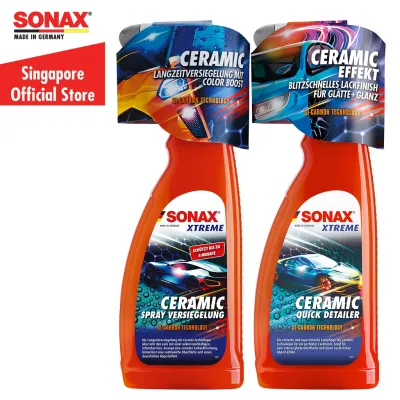
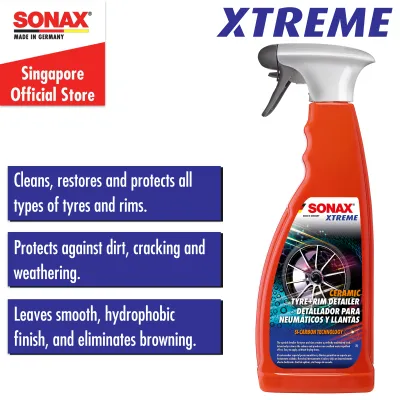
Prices are valid at publication and may change. Please refer to the product page for the latest price.
Understanding the Core Differences: Polish, Wax, and Ceramic Coating
To make an informed decision, you must first understand that polish, wax, and ceramic coating serve entirely different roles in the car care ecosystem. Many car owners mistakenly use these terms interchangeably, which can lead to improper application and disappointing results.
Car polish is fundamentally an abrasive compound. Its primary function is paint correction rather than protection. When you apply polish to your vehicle’s paint, microscopic abrasive particles physically level the uneven surface of the clear coat. By removing a microscopic layer of damaged paint, polish eliminates light scratches, swirl marks, and oxidation. This process restores the paint’s clarity and reflectivity, creating a perfectly smooth surface. However, because polish contains no protective ingredients, it leaves the clear coat completely exposed to the elements.
Car wax, on the other hand, is a non-abrasive protective layer designed to sit on top of the clear coat. Traditional waxes are formulated with natural ingredients like carnauba or synthetic polymers. When applied to the paint, wax fills in microscopic pores and minor imperfections, creating a smooth, hydrophobic barrier. This barrier acts as a sacrificial layer, absorbing the brunt of environmental wear, UV rays, and light road grime. Because wax does not form a chemical bond with the paint, it gradually wears away over time due to heat, friction, and washing, requiring regular reapplication to maintain protection.
Ceramic coating represents a significant technological advancement in paint protection. These products utilize silicon dioxide (SiO2) or polymer-based formulas that form a semi-permanent chemical bond with the vehicle’s clear coat. Instead of simply sitting on top of the paint like a wax, a ceramic coating integrates with the surface at a molecular level. This chemical bond creates a highly durable, glass-like shield that is significantly harder and more resilient than traditional wax. Ceramic coatings offer exceptional hydrophobic properties, chemical resistance, and UV protection, and they cannot be easily washed off by standard detergents.
The choice between these three options depends on your immediate needs. If your paint is dull or scratched, polishing is an essential first step to restore the surface before any protection can be applied. If you want a quick, cost-effective way to add shine and temporary protection, wax is an excellent choice. If you seek long-term durability, ease of cleaning, and robust protection against harsh environmental factors, a ceramic coating is the most suitable option.
Sonax Xtreme Polish: Assessing the Need for Paint Correction
Before applying any protective wax or ceramic coating, you must carefully evaluate whether your vehicle’s paint requires correction. Applying a protective layer over damaged or oxidized paint will simply seal in those imperfections, making them more difficult to correct later.

To determine if your car needs polishing, inspect the paint under a strong, direct light source, such as a dedicated detailing light or bright sunlight. Look closely for swirl marks, which appear as fine, spiderweb-like scratches under direct light. These are typically caused by improper washing techniques or automatic car washes. You should also check for deeper linear scratches, dull or hazy patches indicating oxidation, and etched water spots caused by mineral deposits drying on the hot surface. If you observe these visual defects, your paint will benefit significantly from a polishing step.
It is important to remember that polishing is a subtractive process. Every time you polish your vehicle, you remove a microscopic portion of the clear coat to level the surface to the depth of the shallowest scratches. Because of this, polishing must always be performed with care and only when necessary. Once the polishing process is complete, the paint is left completely bare and vulnerable. You must immediately follow up with a high-quality wax or ceramic coating to seal the newly exposed clear coat and protect it from rapid oxidation.
Before undertaking any mechanical polishing, you must assess the overall health and thickness of your vehicle’s clear coat. If the paint is exceptionally thin, or if the vehicle has been polished heavily multiple times in the past, further polishing could burn through the clear coat entirely, requiring an expensive repaint. If you suspect the clear coat is compromised, or if you observe signs of clear coat failure such as peeling or chalky white patches, do not attempt to polish the surface. In such cases, consult a professional detailer who can measure the paint thickness with a digital gauge and advise you on the safest course of action.
Sonax Xtreme Wax vs Ceramic Coating: Protection and Maintenance Trade-offs
Once your paint is clean and corrected, the next step is choosing between a wax and a ceramic coating. This decision involves weighing several trade-offs, including application complexity, curing requirements, durability, and ongoing maintenance.
The application process for car wax is generally straightforward and highly forgiving, making it an ideal choice for DIY enthusiasts. Wax can be applied by hand or with a dual-action polisher, allowed to haze for a few minutes as specified on the product label, and then easily buffed off with a clean microfiber towel. It is highly tolerant of varying temperature and humidity levels, and the vehicle can typically be driven immediately after application. In contrast, applying a ceramic coating requires meticulous precision and a controlled environment. The coating must be applied in small, overlapping sections, allowed to flash—a process where the solvent evaporates, leaving a rainbow-like appearance—and then carefully buffed off before it hardens. Furthermore, ceramic coatings require a strict curing period, often requiring the vehicle to remain completely dry and sheltered from rain, dew, and moisture for 12 to 24 hours to ensure proper bonding.
Durability and performance also differ significantly between the two options. While a high-quality wax provides a deep, warm gloss and excellent initial water beading, its physical barrier is temporary. Under the intense heat, strong UV radiation, and frequent heavy rain characteristic of tropical climates, a wax layer will typically degrade within a few weeks to a couple of months. Ceramic coatings, however, offer exceptional longevity and robust chemical resistance. The semi-permanent bond allows the coating to withstand harsh detergents, acidic bird droppings, and road grime far better than wax. To understand the specific longevity and performance expectations for your chosen product, always verify the claims and instructions detailed on the Sonax Xtreme packaging.
Daily maintenance routines also vary depending on the protective layer you choose. A waxed vehicle requires gentle, pH-neutral car shampoos to avoid stripping the protective layer prematurely during regular washes. While a ceramic-coated vehicle also benefits from pH-neutral soaps, its highly hydrophobic, self-cleaning properties mean that dirt and grime struggle to adhere to the surface. This makes routine washing much faster and easier. However, to maintain the performance of a ceramic coating, you must avoid abrasive automatic car washes and periodically use dedicated ceramic maintenance sprays to prevent mineral deposits from clogging the coating’s hydrophobic pores.
Decision Framework: Choosing the Right Sonax Xtreme Product
To help you finalize your selection, use this structured decision framework to match your vehicle’s current condition, your detailing experience, and your maintenance preferences with the right product.
Choose Polish if:
- Your vehicle's paint exhibits visible swirl marks, light scratches, water spot etching, or a dull, oxidized appearance under direct light.
- You want to restore the original clarity, depth, and gloss of your paintwork before applying any form of protection.
- You are prepared to immediately apply a protective wax or ceramic coating after the polishing process is complete to seal the bare clear coat.
Choose Wax if:
- Your paint is already in excellent condition, or you have just completed a paint correction process and want a simple, low-risk protective layer.
- You prefer a lower initial cost for detailing products and enjoy the hands-on process of washing and waxing your vehicle every few weeks.
- You do not have access to an enclosed, dust-free garage where a ceramic coating can cure undisturbed for a full day.
Choose Ceramic Coating if:
- You want long-lasting protection, high chemical resistance, and superior hydrophobic properties to withstand intense sun and heavy rain.
- You are willing to invest the necessary time, effort, and budget into meticulous paint preparation, including decontamination and polishing.
- You have a controlled, sheltered environment where the vehicle can remain dry during the critical curing phase.
Verify first if:
- Your vehicle features a matte paint finish, a specialized vinyl wrap, or an existing paint protection film (PPF). Traditional polishes and certain waxes can permanently damage or alter the appearance of these specialized surfaces. Always consult the vehicle manufacturer's care guidelines or the wrap installer's instructions before proceeding with any chemical treatment.
Application Prerequisites and Safety Boundaries
Regardless of whether you choose a polish, a wax, or a ceramic coating, achieving optimal results depends heavily on proper preparation and adhering to safety boundaries. Skipping essential preparation steps can lead to poor product bonding, uneven finishes, or premature product failure.
The mandatory preparation process begins with a thorough wash using a high-quality car shampoo to remove all loose dirt and road grime. Next, you must perform chemical decontamination using an iron remover to dissolve embedded brake dust, followed by a clay bar treatment to lift stubborn contaminants from the clear coat pores. After washing and drying the vehicle, perform a final surface preparation wipe using an isopropyl alcohol-based panel prep spray. This step is critical because it removes any remaining polishing oils, grease, or old wax residues, leaving a completely bare surface that allows the new wax or ceramic coating to bond directly to the clear coat.
Environmental conditions play a crucial role in the application process. Always apply detailing products in a shaded, well-ventilated area, and never work on hot body panels or in direct sunlight. High temperatures cause polishes, waxes, and coatings to dry or flash too quickly, making them extremely difficult to buff off and increasing the risk of unsightly streaks, high spots, or paint marring.
Finally, always prioritize safety and manufacturer guidelines. Carefully read the instructions on your specific Sonax Xtreme product label before beginning. If you encounter any conflict between the product application instructions and your vehicle manufacturer’s paint care manual, halt the process immediately. Consult a qualified professional detailer or your vehicle’s authorized service center to ensure you do not inadvertently void warranties or damage sensitive exterior components.
Frequently Asked Questions (FAQ)
Can I apply Sonax Xtreme Ceramic Coating directly over an existing wax?
No, you cannot apply a ceramic coating directly over an existing wax. Ceramic coatings require a completely bare, clean clear coat to establish a proper chemical bond. If applied over wax, the coating will bond to the temporary wax layer instead of the paint. As the wax naturally degrades and washes away over the following weeks, the ceramic coating will wash away with it, resulting in premature product failure. You must completely strip any existing wax, sealant, or polishing oils using a dedicated prep spray or strip wash before applying a ceramic coating.
How do I know when it is time to reapply Sonax Xtreme Wax?
Rather than relying on a strict calendar schedule, you should monitor physical and visual cues on your vehicle’s paint. The most reliable indicator is water behavior during rain or a car wash; when water stops forming tight, round beads and instead sheets off slowly or pools in large flat patches, the wax layer has degraded. Other signs include a noticeable loss of deep gloss, a rougher texture when sliding a clean microfiber cloth across the dry paint, and an increase in dirt and road grime clinging to the lower panels of the vehicle. When these signs appear, it is time to wash, decontaminate, and reapply your wax.

Community discussion
Share your experience or ask a question. Comments are reviewed before publication.