
Quick Answer: Which Paint Protection Should You Choose?
Choosing the right paint protection for your vehicle depends on your detailing habits, available time, budget, and willingness to perform extensive surface preparation. If you prioritize speed, convenience, and a straightforward application process after a routine wash, a high-quality spray sealant like Sonax spray wax is your ideal choice.
For car owners seeking long-term protection, superior chemical resistance, and a semi-permanent shield, a ceramic coating is the most suitable option, provided you are willing to invest the time or money into thorough paint correction and curing.
If you are a detailing enthusiast who enjoys the hands-on, therapeutic process of manual application and prefers a deep, warm, organic gloss, traditional paste wax remains a classic favorite.
Products mentioned in this guide
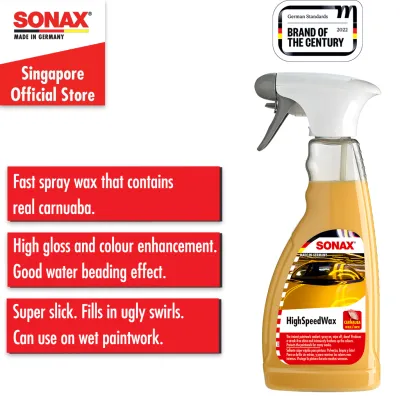
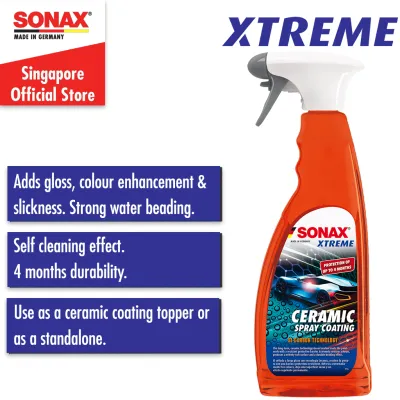
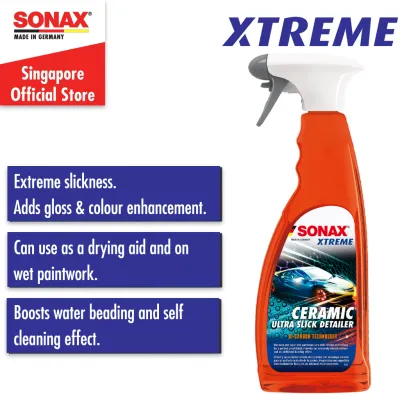
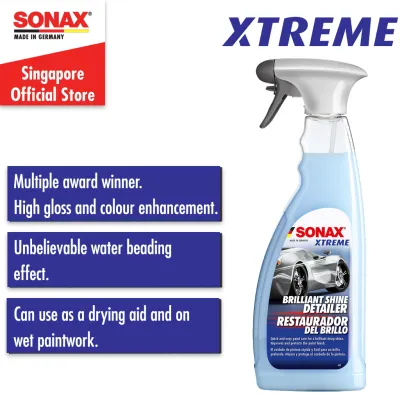
Prices are valid at publication and may change. Please refer to the product page for the latest price.
Ultimately, the optimal choice is not about finding a universal winner, but matching the product’s characteristics to your lifestyle, skill level, and the specific environmental demands your vehicle faces daily.
Understanding the Contenders: Spray Wax, Ceramic Coating, and Paste Wax
To make an informed decision, it is essential to understand the chemical nature and design philosophy behind each of these three paint protection methods. Each category utilizes distinct active ingredients and bonding mechanisms to shield your vehicle’s clear coat from environmental contaminants.

Sonax Spray Wax and Modern Spray Sealants
Spray formulations, such as those in the Sonax spray lineup, are engineered for rapid deployment and user-friendly application. These products typically consist of synthetic polymers, liquefied carnauba emulsions, or silicon dioxide (SiO2) particles suspended in a liquid carrier.
When sprayed onto a clean surface, the carrier evaporates quickly, leaving behind a thin, uniform protective barrier. These formulations are designed to bond rapidly to the paint surface or existing protection layers, requiring minimal curing time and very light physical effort to level and buff to a high shine.
Ceramic Coatings
Ceramic coatings represent a more advanced chemical approach to paint protection. Typically formulated with silicon dioxide (SiO2) or silicon carbide (SiC) polymers, these liquid products are designed to form a semi-permanent, covalent bond with the vehicle’s factory clear coat.
Once applied, the coating cures into a hard, glass-like layer that is significantly thicker and more durable than traditional waxes. However, this chemical bonding process requires an exceptionally clean, bare paint surface, free of any oils, old waxes, or microscopic contaminants, making the preparation phase highly demanding.
Traditional Paste Waxes
Paste wax is the traditional standard of automotive detailing, often formulated with natural carnauba wax harvested from Brazilian palm trees, frequently blended with synthetic polymers or beeswax to improve durability.
Paste waxes do not form covalent bonds with the paint; instead, they fill in microscopic imperfections on the clear coat surface, creating a smooth, highly reflective layer that produces a characteristic warm, deep gloss. Applying paste wax is a physical, hands-on process that involves spreading the dense paste evenly, waiting for it to haze, and then buffing away the residue manually.
Because formulations vary widely between brands and specific product lines, always verify the exact chemical compositions, safety precautions, and bonding mechanisms by consulting the product’s Safety Data Sheet (SDS) or technical label before application.
Comparing Durability, Application Effort, and Cost
When evaluating these three paint protection methods, you must weigh their performance characteristics against the practical realities of application effort and overall cost. Understanding these trade-offs ensures you select a method that fits your maintenance routine.
Durability and Longevity
The lifespan of any paint protection product is highly dependent on environmental exposure and maintenance habits. While manufacturers provide estimated durability ranges on their product labels, real-world longevity is determined by factors such as washing frequency, the pH level of your car shampoo, exposure to harsh road chemicals, and local weather conditions.
Generally, ceramic coatings offer the longest service life due to their covalent bonding, often lasting for years when properly maintained. Traditional paste waxes typically require reapplication every few weeks to a few months, as they are more susceptible to heat and chemical degradation.
Spray waxes sit in a highly variable middle ground; while some synthetic spray sealants can last for several months, standard quick-detailer spray waxes are designed for frequent top-ups during your regular wash cycle.
Ease of Application
The physical effort and skill required for application vary dramatically across these three options.
- Spray Waxes: These offer the easiest application process. They are typically applied using a simple wipe-on, wipe-off method with microfiber towels. Many formulations can even be applied to a wet vehicle during the drying phase, serving as a drying aid and saving significant time.
- Paste Waxes: Applying paste wax requires moderate physical effort. You must apply the product thinly and evenly using an applicator pad, monitor the drying time closely to ensure it hazes without hardening too much, and then physically buff the residue off with a clean microfiber towel. Over-application or leaving the wax on too long can make removal extremely difficult.
- Ceramic Coatings: This process is highly demanding and unforgiving. It requires meticulous surface preparation, including washing, claying, polishing to remove defects, and a panel wipe to remove polishing oils. The coating must be applied in small sections, allowed to flash (evaporate slightly), and then carefully leveled to prevent high spots—semi-permanent dark patches or streaks that can only be removed by machine polishing once cured.
Cost Evaluation
When calculating the cost of paint protection, look beyond the initial purchase price of the bottle or tin. A comprehensive cost evaluation must factor in the price per milliliter, the frequency of reapplication, and the cost of necessary preparation materials.
- Spray Waxes: These have a low upfront cost and require minimal additional tools—usually just a few high-quality microfiber towels. While you will use the product more frequently, the cost per application remains very low.
- Paste Waxes: A single tin of high-quality paste wax can last for years, making it highly cost-effective over time, despite a slightly higher initial purchase price than spray wax.
- Ceramic Coatings: These represent the highest financial investment. The coating kit itself is often more expensive, but the primary cost lies in the preparation phase. You will need clay bars, lubricants, dual-action polishers, compounding pads, polishing compounds, and isopropyl alcohol (IPA) panel wipes to prepare the paint. If you choose professional installation, the labor costs for paint correction will comprise the majority of the expense.
Decision Framework: Matching Protection to Your Routine
To help you choose the correct method, consider how each option aligns with your vehicle usage, storage conditions, and detailing preferences.
Choose Sonax Spray Wax if:
- You want a fast, efficient way to protect your car during your weekly or bi-weekly wash routine.
- You prefer a product that requires minimal physical exertion and no specialized tools or machine polishers.
- You want an easy-to-use maintenance topper to boost the hydrophobic properties and shine of an existing wax, sealant, or coating layer.
- Your vehicle is a daily driver that is washed frequently, and you do not mind applying protection regularly to maintain performance.
Choose Ceramic Coating if:
- You want the maximum possible protection against environmental contaminants, bird droppings, and light chemical exposure.
- You are willing to invest significant time and effort into multi-step paint correction, or you have the budget to pay for professional preparation and application.
- You have a controlled, dust-free environment (such as a garage) where the vehicle can remain dry and undisturbed during the critical curing phase.
- You prefer a "set-and-forget" approach to paint protection, where a single, intensive application provides long-term ease of washing.
Choose Paste Wax if:
- You view car detailing as a hobby or a relaxing, hands-on weekend activity and enjoy the physical process of waxing.
- You prioritize the specific aesthetic qualities of natural carnauba, which is widely praised for producing a warm, deep, and liquid-like gloss on dark-colored paints.
- Your vehicle is primarily stored indoors, driven occasionally, or showcased at events where maximum visual depth is preferred over long-term chemical durability.
- You want a forgiving product where minor application mistakes can be easily corrected with a quick wipe or a light reapplication.
Verify Compatibility First
Before purchasing any paint protection product, verify the specific requirements of your vehicle’s exterior surfaces. If your car features matte paint, a matte vinyl wrap, or paint protection film (PPF), standard waxes and coatings may not be compatible.
Traditional paste waxes containing gloss enhancers or white distillates can ruin a matte finish by adding uneven shine or staining the textured surface. Always check the manufacturer’s instructions to ensure the product is explicitly rated for matte finishes or film applications.
Safe Application and Maintenance Guidelines
To achieve the best results and prevent accidental damage to your vehicle’s finish, always adhere to proper preparation and application safety protocols.
Surface Preparation is Key
Regardless of the product you choose, applying paint protection over a dirty or contaminated surface will yield poor results and can damage your paint. Dirt particles trapped between your applicator pad and the clear coat will act as an abrasive, causing fine scratches and swirl marks.
For spray and paste waxes, ensure the vehicle is thoroughly washed and dried. For ceramic coatings, the surface must be completely decontaminated using a clay bar, polished to remove defects, and wiped down with an alcohol-based panel prep solution to ensure proper chemical bonding.
Environmental Conditions
Never apply waxes, sealants, or ceramic coatings in direct sunlight or onto hot body panels. High temperatures cause the solvents in these products to evaporate too quickly, leading to premature curing, severe hazing, streaking, and difficult removal.
Work in a shaded, well-ventilated area, preferably indoors or during the cooler parts of the day, ensuring the panels are cool to the touch before starting.
Follow Product Instructions and Safety Protocols
Always read the specific product label for precise curing times, application instructions, and safety requirements.
Ceramic coatings, in particular, often release strong chemical vapors during application; work in a well-ventilated space and wear appropriate personal protective equipment (PPE), such as nitrile gloves and a suitable respirator, as specified by the manufacturer’s safety data sheet.
When to Seek Professional Help
If your vehicle’s paint exhibits deep scratches that catch your fingernail, severe oxidation, fading, or a failing clear coat (indicated by peeling or white patches), applying a wax or ceramic coating will not fix the underlying issue.
In these cases, temporary protections may look uneven, and ceramic coatings can lock in the defects permanently. Stop and consult a professional detailer to assess whether paint correction, wet sanding, or a respray is required before attempting to apply any protective layers.
Frequently Asked Questions (FAQ)
Can I apply Sonax spray wax over a ceramic coating?
Yes, but you must verify compatibility with your specific coating manufacturer first. Many ceramic coatings can be topped with compatible spray waxes or dedicated silica-based spray sealants to act as a sacrificial barrier, protecting the underlying coating from water spots and environmental wear.
However, applying a traditional wax that contains heavy natural oils or gloss enhancers over a ceramic coating can temporarily mask the coating’s superior self-cleaning and hydrophobic properties, replacing them with the characteristics of the wax. For the best results, use a spray product that is chemically compatible with ceramic surfaces.
Does the tropical climate in Singapore affect wax and coating durability?
Yes, the tropical climate in Singapore—characterized by intense ultraviolet (UV) radiation, high humidity, and frequent heavy downpours—creates a highly demanding environment for automotive paint protection. High ambient temperatures and strong UV rays accelerate the degradation of traditional organic paste waxes, which can break down much faster than they would in cooler, temperate climates.
While ceramic coatings and high-quality synthetic spray sealants offer superior resistance to heat and UV damage, the frequent rain can still lead to water spotting if water is allowed to dry on hot panels. To maintain optimal protection in these conditions, look for products with strong UV inhibitors, wash your vehicle regularly to remove acidic rain residue, and monitor protection levels using visual water-beading checks rather than relying on standard calendar-based reapplication schedules.

Community discussion
Share your experience or ask a question. Comments are reviewed before publication.