
Selecting the correct interior cleaner for your vehicle is a critical step in preserving both its aesthetic appeal and its resale value. When navigating the Sonax spray lineup, the decision between a leather-specific variant and a fabric-specific variant comes down to matching the chemical properties of the spray to the physical structure of your seats. Using the wrong product can lead to permanent discoloration, structural degradation, or sticky residues that attract dirt. By understanding how to read Sonax labels and identify your seat materials, you can confidently maintain a clean, comfortable cabin.
Quick Answer: Matching Sonax Sprays to Your Seat Material
To determine which Sonax spray variant to use, you must first identify whether your car seats are upholstered in genuine leather, synthetic leather, or woven fabric. The core rule of automotive detailing is to always match the product’s explicitly stated target material on the label to the specific seat surface you intend to clean. Sonax designs its formulas to address the distinct chemical sensitivities of different cabin materials, meaning a bottle formulated for textiles will behave very differently from one engineered for animal hides or synthetic vinyl.
Leather-specific formulas focus heavily on maintaining a neutral pH balance and replenishing essential oils. These sprays are designed to clean gently while conditioning the material to prevent drying, shrinking, and cracking under heat. In contrast, fabric and upholstery formulas are engineered to penetrate deep into porous woven fibers, lifting embedded dirt, sweat, and stains to the surface through active foaming agents. You should never assume that a multi-purpose interior cleaner is universally safe for specialized surfaces; always verify the label instructions and material compatibility list on the back of the bottle before application.
Products mentioned in this guide
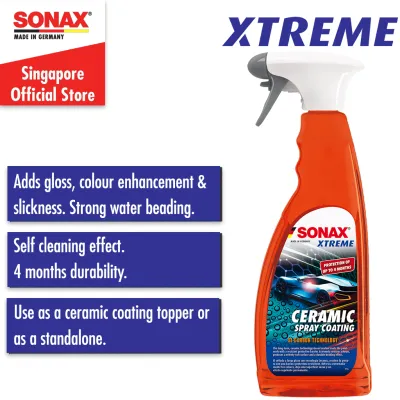
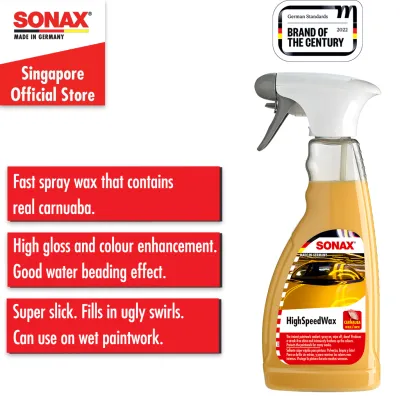
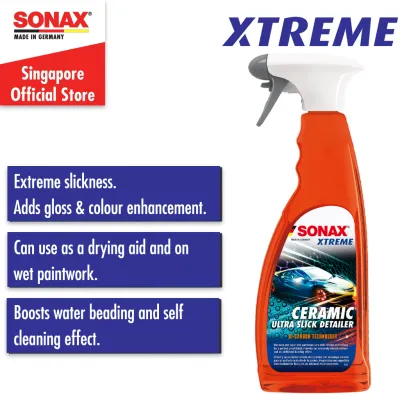
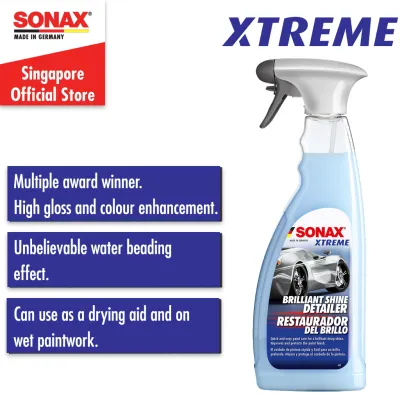
Prices are valid at publication and may change. Please refer to the product page for the latest price.
Why Material Matters: Risks of Using the Wrong Cleaner
Car seats are subjected to intense environmental stress, including friction, body heat, sweat, and solar radiation. Because leather and fabric have completely different physical structures, they react differently to chemical cleaning agents. Applying the wrong spray variant can cause immediate or progressive damage that is often costly to repair.

Fabric and upholstery cleaners are formulated to break down organic stains and grease trapped within woven threads. To achieve this, they often utilize surfactants and cleaning agents that can be highly alkaline. If you apply these aggressive formulas to leather, they will strip away the natural oils and the protective polyurethane topcoat applied during the tanning process. Once this protective barrier is compromised, the leather becomes highly susceptible to drying out, fading, and cracking. Over time, the material loses its elasticity, leading to premature tearing along the seams.
Conversely, applying a leather cleaner or conditioner to fabric or textile upholstery presents a different set of problems. Leather products frequently contain oils, waxes, and conditioning agents designed to absorb into a non-porous or semi-porous surface. When sprayed onto highly porous fabric, these heavy conditioning agents cannot be absorbed properly. Instead, they coat the individual fibers, leaving a greasy, sticky residue. This residue acts as a magnet for dust, lint, and dirt, causing the fabric to soil much faster than it would naturally. Furthermore, these oils can seep into the seat foam padding beneath, creating deep-seated stains and unpleasant odors that are incredibly difficult to extract.
Before applying any aftermarket chemical to your car’s interior, it is essential to cross-reference your vehicle manufacturer’s interior care guidelines. Modern car manufacturers often specify the exact types of coatings used on their seats, and following their recommendations ensures you do not inadvertently void any interior warranties or damage sensitive cabin components.
How to Identify the Correct Sonax Spray for Leather Seats
When searching for a Sonax spray suitable for leather seats, you must look for specific keywords and product characteristics on the packaging. The most obvious indicator is an explicit “Leather” designation on the front label, often accompanied by terms like “Leather Care,” “Leather Clean,” or “Leder” (the German term for leather, reflecting the brand’s heritage).
Beyond the primary name, look for claims of a pH-neutral formula. Leather is highly sensitive to pH fluctuations, and a neutral formulation ensures the cleaner will not degrade the delicate fibers of the hide. Additionally, high-quality leather sprays often highlight UV protection or conditioning properties. These additives help shield the leather from the intense sunlight and heat common in tropical climates, preventing the material from fading and becoming brittle over time.
It is also helpful to understand the difference between cleaning-only sprays and clean-and-care variants. Cleaning-only sprays are designed to strip away heavy dirt, body oils, and blue jean dye transfer, but they leave the leather bare. If you use a cleaning-only spray, you must follow up with a dedicated leather conditioner to restore moisture. Clean-and-care variants, often packaged as convenient foams or light lotions, perform both steps simultaneously, leaving behind a thin, non-greasy protective layer that repels water and dust.
Before purchasing, perform a pre-cleaning check to identify whether your seats are genuine leather or synthetic leather, such as leatherette, vinyl, or modern vegan leather. Genuine leather has natural pores and absorbs moisture slowly, whereas synthetic leather is essentially a plastic-coated fabric that is entirely non-porous. While many Sonax leather sprays are safe for both types, some highly specialized leather conditioners are formulated strictly for genuine hides and will simply sit on top of synthetic leather without absorbing. Always verify the product label to ensure compatibility with synthetic materials if your vehicle features a vegan or leatherette interior.
How to Identify the Correct Sonax Spray for Fabric and Upholstery
Selecting a Sonax spray for cloth, fabric, or sensitive synthetic textiles requires a different approach. You should look for label keywords such as “Upholstery,” “Fabric,” “Textile,” “Cabriolet,” or “Alcantara.” These terms indicate that the formula is designed to safely penetrate woven fibers without leaving behind oily residues.
One of the most important decisions when choosing a fabric cleaner is selecting between a liquid spray and a foam format. Foam formats are highly preferred for fabric seats because they allow for “dry” cleaning. When you spray a liquid cleaner onto fabric, it quickly saturates the material and seeps into the thick foam padding underneath. If this deep padding becomes wet, it can take days to dry completely, especially in humid environments. This trapped moisture creates a perfect breeding ground for mold, mildew, and musty odors. A foam spray, on the other hand, sits on top of the fabric fibers, allowing you to agitate and lift dirt without oversaturating the underlying cushion.
Special consideration must be given to sensitive synthetic materials like Alcantara or microfiber. Alcantara is a premium, suede-like material made of polyester and polyurethane, and it is highly sensitive to aggressive chemicals and rough friction. Using a standard fabric cleaner or a harsh brush can permanently ruin the delicate pile, causing it to mat, pill, or lose its soft texture. If your vehicle has Alcantara inserts, you must select a Sonax variant that explicitly states it is safe for Alcantara on the label. These specialized formulas clean the fibers gently while preserving the material’s signature soft feel.
Safe Application Steps and Pre-Use Checks
Even after selecting the correct Sonax spray variant, improper application can still lead to unsatisfactory results or accidental damage. Following a structured, safe application procedure is the best way to protect your vehicle’s interior.
The most critical step before applying any cleaner to a visible area of your seat is the mandatory spot test. Choose an inconspicuous area, such as the lower back of the seat, the underside of a headrest, or a small section near the seat track. Apply a tiny amount of the Sonax spray to a clean microfiber cloth and gently wipe the test area. Wait a few minutes and inspect the cloth for any color transfer. Then, examine the seat surface to ensure there is no discoloration, fading, or alteration of the material’s texture. If you notice any adverse reactions, stop immediately and do not proceed with the cleaning.
Once the spot test is successful, you can begin the standard application process:
- Thorough Vacuuming: Always vacuum the seats thoroughly before applying any liquid or foam. Loose dirt, sand, and grit act like sandpaper when agitated. If you do not vacuum first, you risk grinding these abrasive particles into the leather or fabric, causing permanent scratches or deep-seated stains.
- Even Application: Spray the product evenly across the surface. For leather, it is often safer to spray the product directly onto a microfiber cloth or applicator pad rather than spraying it directly onto the seat. This prevents the chemical from pooling in the perforated holes of ventilated seats. For fabric, apply a light, even layer of foam across the entire panel to avoid creating water spots.
- Gentle Agitation: Use the appropriate tool to agitate the cleaner. For leather, use a soft-bristled horsehair brush or a clean microfiber towel to gently work the product into the grain. For fabric, a slightly stiffer synthetic upholstery brush can be used to loosen dirt from the woven fibers. Never scrub aggressively, as this can damage leather coatings or cause fabric to pill.
- Moisture Extraction and Wiping: Wipe away the loosened dirt and excess product using a clean, dry microfiber towel. For fabric seats, press the towel firmly into the material to absorb as much moisture as possible. If you have access to a wet-dry vacuum or an upholstery extractor, use it to pull the remaining moisture out of the fabric.
Knowing when to stop is just as important as knowing how to clean. You should halt the process and consult a professional automotive detailer if you encounter severe, deep-set stains (such as oil-based inks or dyes), if you are uncertain about the exact material composition of your seats, or if you observe any color transfer during your spot test. Attempting to scrub away a stubborn stain with excessive chemical force will almost certainly ruin the seat material.
Frequently Asked Questions (FAQ)
Can I use a Sonax multi-purpose interior cleaner on both leather and fabric?
While some multi-purpose interior cleaners claim to be safe for a wide variety of surfaces, you must always check the product label for explicit dual-compatibility claims before applying it to your seats. Multi-purpose cleaners are generally formulated to clean hard plastics, vinyl dashboards, and rubber trim. Because they lack the specialized conditioning agents required to keep leather supple, using them on leather can lead to dryness over time. Similarly, they may not have the specific foam-lifting properties needed to clean deep fabric stains effectively. For the best results and to prevent long-term wear, dedicated, material-specific Sonax variants are highly preferred for deep cleaning, stain removal, and conditioning.
What should I do if I accidentally used a fabric spray on my leather seats?
If you accidentally apply a fabric spray to your leather seats, act quickly to minimize potential damage. Immediately wipe off the product using a clean, dry microfiber cloth to stop the chemical from soaking into the leather. Next, take a second microfiber cloth, dampen it slightly with clean water, and gently wipe the area to dilute and remove any remaining chemical residue. Avoid soaking the leather. Once the area is dry, carefully monitor the leather over the next few days for signs of dryness, stiffness, or discoloration. If the leather feels dry or stripped of its natural oils, apply a high-quality leather conditioner to restore its moisture balance. If you notice severe discoloration or cracking, seek professional leather restoration services immediately.
Community discussion
Share your experience or ask a question. Comments are reviewed before publication.