
Using solar-powered LED lights as daytime running lights (DRLs) or fog lights on your vehicle is highly impractical and, in many jurisdictions, illegal. While the idea of a self-sustaining, wire-free light source powered entirely by the sun is appealing, these accessories cannot meet the rigorous performance, safety, and regulatory standards required for active driving lights. Exterior vehicle lighting is not merely decorative; it is a critical safety system designed to ensure visibility under challenging road conditions. Standalone solar LED lights lack the necessary luminous intensity, optical engineering, and electrical reliability to serve these vital functions.
Technical Limits of Solar LEDs for Daytime Running and Fog Lights
To understand why solar-powered LEDs are unsuitable for primary driving lights, one must look at the physics of automotive lighting. Daytime running lights and fog lights require high-intensity output to cut through bright sunlight or dense mist. Standard automotive DRLs typically produce hundreds of lumens of highly focused light, utilizing specialized lenses to project a beam that is visible to oncoming traffic from hundreds of meters away. In contrast, most consumer-grade solar LED lights designed for cars utilize low-power surface-mount diodes (SMDs) powered by small internal batteries. These devices produce a weak, scattered glow that is virtually invisible in direct sunlight and completely ineffective in heavy rain or fog.
Furthermore, the power delivery system of solar accessories is fundamentally incompatible with the demands of continuous driving lights. A reliable DRL or fog light must operate consistently whenever the vehicle is running, regardless of the weather. Solar-powered lights rely on small, integrated photovoltaic panels to charge their internal lithium-ion or nickel-metal hydride batteries. In tropical or highly variable climates, such as Singapore’s frequent monsoon seasons, prolonged overcast skies and heavy downpours severely limit solar charging efficiency. If the internal battery is depleted, the light will fail to operate when you need it most, compromising your safety on the road.
Products mentioned in this guide
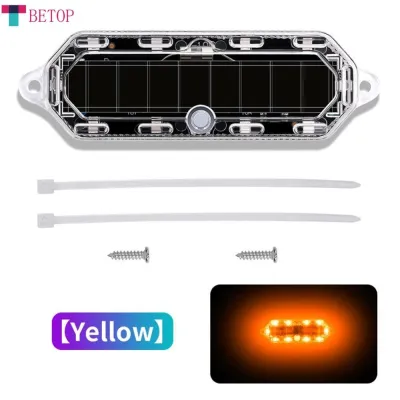
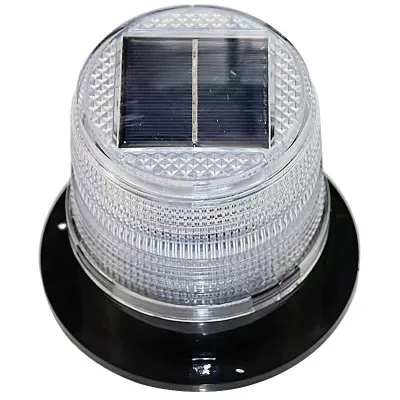
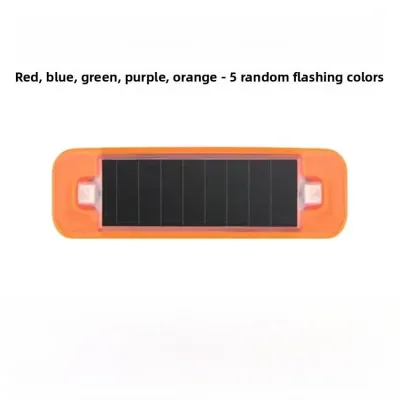
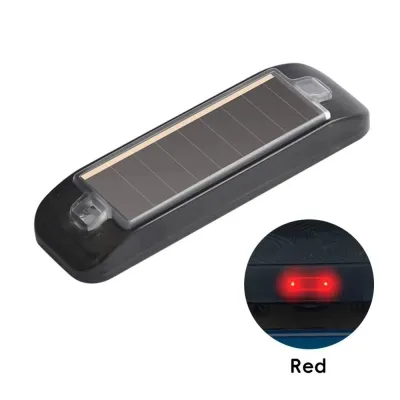
Prices are valid at publication and may change. Please refer to the product page for the latest price.
Placement constraints present another insurmountable challenge. For solar panels to charge effectively, they require direct, unobstructed exposure to sunlight, which typically dictates placement on the vehicle’s roof, dashboard, or upper windshield. However, functional DRLs and fog lights must be mounted in specific, low-front positions on the bumper or lower grille to illuminate the road surface and avoid blinding other drivers. Mounting a solar-powered light low on the bumper starves its integrated solar panel of light, rendering it unable to charge. Conversely, mounting these lights higher up on the vehicle body violates standard automotive lighting geometry and fails to provide the low-angle illumination required for fog penetration.
Legal and Safety Rules for Exterior Car Lighting in Singapore
In Singapore, the Land Transport Authority (LTA) maintains strict regulations regarding vehicle modifications, particularly concerning exterior lighting. These rules are designed to prevent glare, minimize driver distraction, and ensure that all vehicles on the road conform to predictable safety standards. Unauthorized modifications to a vehicle’s lighting system can result in severe penalties, including fines and mandatory vehicle de-registration if non-compliance is not rectified.

The critical distinction lies between factory-fitted, type-approved lighting systems and aftermarket, stick-on, or battery-operated accessories. Factory-fitted DRLs and fog lights undergo rigorous testing to meet international photometric standards, ensuring they project light at precise angles and intensities. Temporary or permanent stick-on solar lights do not possess these certifications. Installing unapproved light fixtures on your vehicle’s exterior is generally classified as an illegal modification. These devices often lack proper beam cut-offs, creating a high risk of blinding oncoming motorists, cyclists, and pedestrians, which significantly increases the risk of accidents.
Before purchasing or installing any exterior lighting equipment, it is mandatory to check your vehicle manufacturer’s documentation and consult local transport authorities to verify compliance. Any aftermarket lighting accessory must be certified and approved for use on your specific vehicle model and year. If you install non-compliant solar lights, your vehicle will fail its periodic roadworthiness inspections. Furthermore, in the event of a traffic accident, insurance companies may void your motor insurance policy if they discover unauthorized exterior modifications, leaving you personally liable for costly damages and legal claims.
Practical and Legal Uses for Solar LED Car Accessories
While solar LED lights are entirely unsuitable and illegal for use as active driving lights, they still have practical, legal applications for car owners when used correctly. These self-contained light sources are excellent for stationary or interior applications where they do not interfere with the vehicle’s primary safety systems or violate road regulations.
One of the most practical uses for solar-powered LEDs is interior cabin or utility lighting. You can place a solar-charged light on your dashboard during the day to charge, and then use it as a portable reading light, glovebox illuminator, or trunk light at night. Because these lights do not require wiring, they are highly convenient for older vehicles that lack adequate interior illumination. Additionally, they serve as excellent temporary lighting solutions for outdoor activities, such as illuminating a campsite, a roadside picnic setup, or the cargo area of an SUV during nighttime loading.
Another valuable application is using solar LED lights as emergency breakdown markers. If your vehicle suffers a mechanical failure or a flat tire at night, placing a highly visible, flashing solar warning light on the road behind your vehicle—or attaching it magnetically to your stationary car’s body—can significantly improve your visibility to oncoming traffic. This is a legal and safe use of auxiliary lighting, provided the vehicle is stationary and parked safely off the active driving lanes.
When selecting solar LED accessories for these alternative uses, focus on key durability and utility features. Look for high weather-resistance ratings, such as IP65 or IP67, to ensure the device can withstand sudden tropical downpours when used outdoors. Secure magnetic mounts are highly beneficial, allowing you to attach the light to your vehicle’s steel body panels without scratching the paint. Finally, evaluate the battery longevity and charging efficiency to ensure the light remains functional throughout extended stationary use.
Safe and Compliant Alternatives for DRL and Fog Light Upgrades
If you genuinely need to improve your vehicle’s daytime visibility or wet-weather illumination, you should pursue safe, legal, and compliant pathways rather than relying on solar accessories. Upgrading your vehicle’s lighting requires careful planning, adherence to manufacturer specifications, and professional execution to ensure road safety and legal compliance.
For vehicles equipped with factory-fitted fog light housings that currently use dim halogen bulbs, a highly effective upgrade is replacing them with manufacturer-approved LED bulbs. When selecting replacement bulbs, you must verify your vehicle’s specific model, year, bulb interface (such as H8, H11, or HB4), and physical dimensions. The replacement LED bulbs must match the original housing’s focal point precisely to maintain the correct beam pattern and prevent glare. Additionally, high-quality LED upgrades must feature robust heat dissipation mechanisms, such as integrated aluminum heatsinks or cooling fans, to prevent heat buildup from damaging the plastic light housing or surrounding wiring.
If your vehicle did not come equipped with factory DRLs, you can opt to install certified aftermarket DRL kits. These kits must be designed to integrate seamlessly with your vehicle’s electrical and ignition systems, ensuring they automatically illuminate when the engine starts and dim or turn off when the main headlights are activated. To ensure legality, select products that carry recognized international certification marks, such as the UNECE ‘E-mark’ or CE certification, which prove the lights meet strict photometric and safety standards. The color temperature of these lights must also remain within compliant limits, typically producing a clean, cool white light.
It is crucial to recognize the safety boundaries associated with automotive electrical work. Modifying your vehicle’s wiring harness, tapping into fuse boxes, or installing high-draw lighting components carries inherent risks of electrical short circuits, component damage, and even vehicle fires. Improperly sealed light housings can also suffer from moisture ingress, leading to premature bulb failure and corrosion of electrical contacts. Therefore, always refer to your original vehicle manufacturer instructions and seek qualified professional installation at an authorized automotive workshop. Professional technicians have the diagnostic tools and expertise to route wiring safely, install appropriate fuses, align the light beams correctly, and ensure the modification does not void your vehicle’s manufacturer warranty.
Frequently Asked Questions (FAQ)
Can I use solar LED strip lights on my car's exterior for decoration?
No, using solar LED strip lights or any other aftermarket decorative lighting on your vehicle’s exterior is illegal on Singapore roads. The Land Transport Authority prohibits the installation of underglow, decorative strip lights, or illuminated emblems because they cause significant distraction to other road users and can be confused with emergency vehicle signals. If you wish to customize your vehicle with accent lighting, keep it confined strictly to the interior cabin, ensuring the light source is not directly visible from the outside and does not impair your night vision while driving.
Do solar car lights drain the vehicle's main battery?
No, standalone solar car lights do not drain your vehicle’s main 12V battery. Because these accessories operate on completely independent electrical systems—utilizing their own integrated solar panels and internal rechargeable batteries—they have no physical connection to your car’s wiring harness. This isolation eliminates any risk of parasitic power drain, which is a common issue with poorly installed, hardwired aftermarket accessories that can leave your car battery dead after sitting parked for several days.
What is the legal color for daytime running lights and fog lights?
Under standard vehicle regulations, daytime running lights (DRLs) must emit a bright white light to maximize visibility during daylight hours. Front fog lights are legally required to emit either white or yellow light, which helps cut through mist and heavy rain without reflecting glare back into the driver’s eyes. It is strictly illegal to use colors such as red, blue, green, or purple on the front of your vehicle. These colors are reserved exclusively for emergency service vehicles, and using them can lead to immediate prosecution and heavy penalties.
Community discussion
Share your experience or ask a question. Comments are reviewed before publication.