
Installing a solar car air purifier seems like the ultimate hands-off solution for maintaining a fresh cabin in Singapore. These devices promise to harness the abundant tropical sunshine to continuously filter out dust, neutralize odors, and diffuse pleasant scents without draining your car’s battery or cluttering your dashboard with wires. However, the reality of operating any electronic accessory on a dashboard in Singapore’s intense climate is highly complex.
While a solar car air purifier can function in Singapore, its long-term reliability, safety, and performance depend heavily on its build quality and design. Standard consumer electronics are rarely rated for the extreme thermal and moisture cycles that occur inside a parked vehicle here. To make an informed purchase, you must understand how local weather conditions affect these devices and know exactly what technical specifications to look for before placing one on your dashboard.
Understanding Singapore's In-Car Climate Stressors
Operating a vehicle accessory in Singapore means subjecting it to some of the harshest environmental conditions a consumer device can face. Even though ambient outdoor temperatures in Singapore typically hover between 31°C and 34°C during the day, the temperature inside a parked car escalates rapidly due to the greenhouse effect. When solar radiation passes through the windshield, it is absorbed by the dark surfaces of the dashboard and seats, which then radiate heat that cannot easily escape the sealed cabin.
Products mentioned in this guide
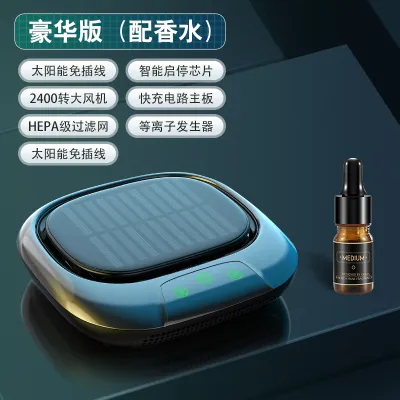
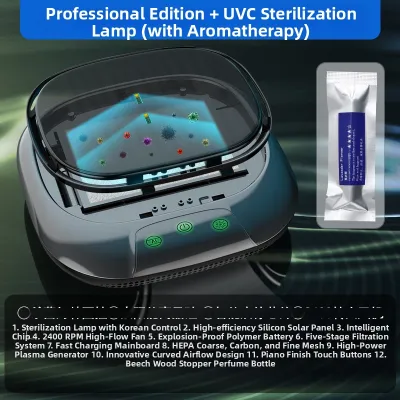
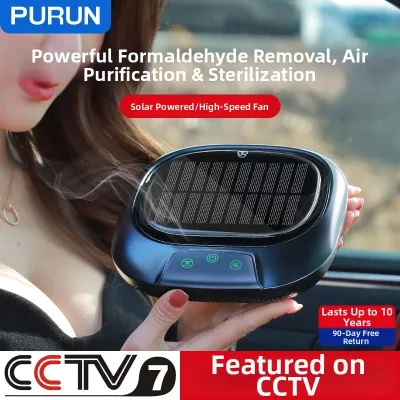
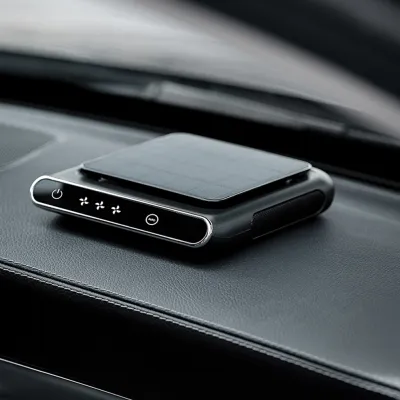
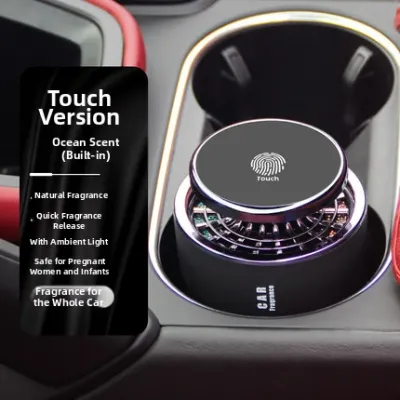
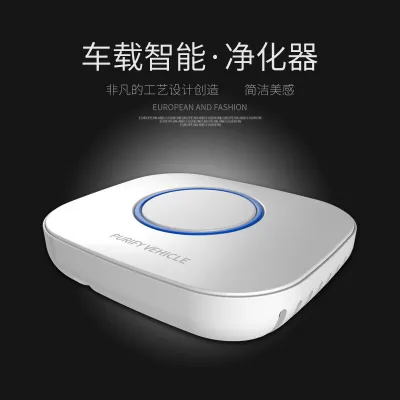
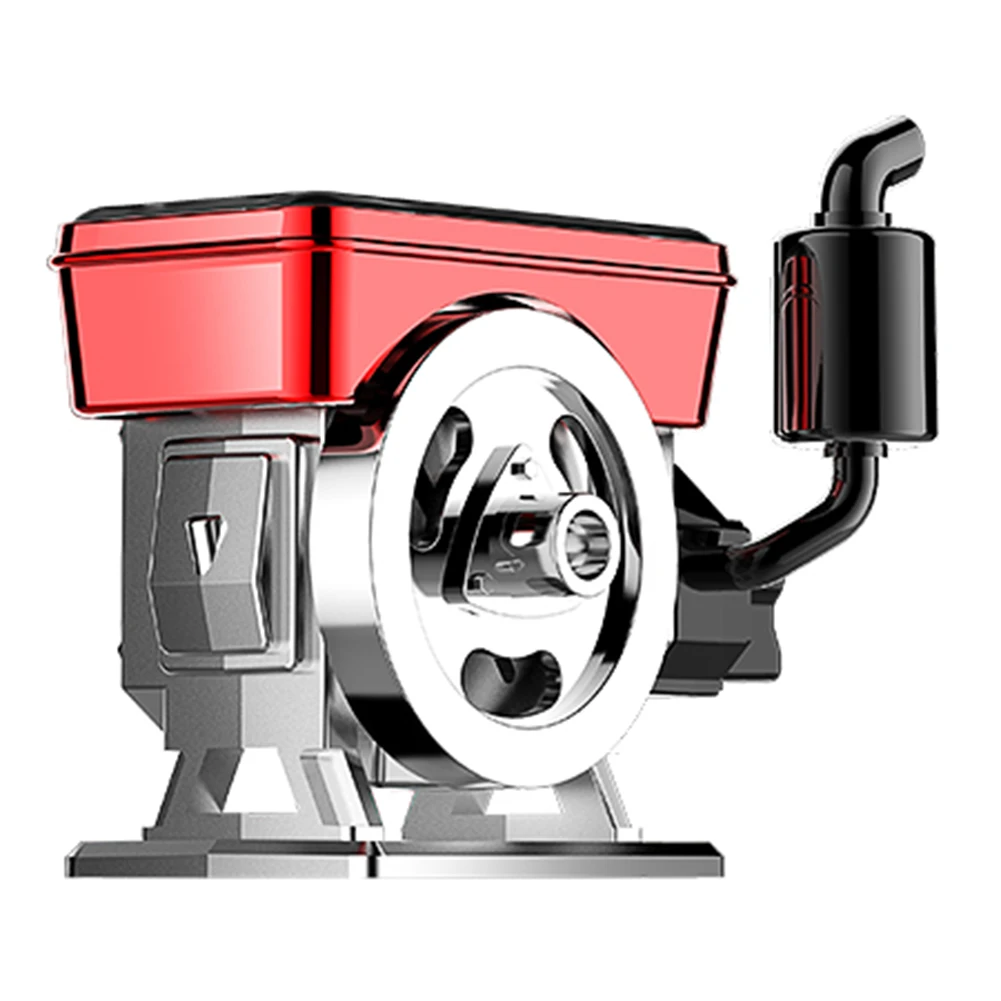
Prices are valid at publication and may change. Please refer to the product page for the latest price.
Within just one hour of parking under direct sunlight, dashboard surface temperatures can easily climb to between 60°C and 80°C. This extreme heat is significantly higher than the standard storage and operating limits of typical home electronics. Any device positioned directly on the dashboard is subjected to this intense thermal baking day after day, causing rapid expansion and contraction of internal components as the car heats up and cools down.
Furthermore, Singapore’s high ambient humidity, which frequently averages above 80% year-round, adds another layer of stress. When you park a hot car in a shaded multi-story car park or when evening temperatures drop, the rapid cooling can cause moisture to condense inside the vehicle’s cabin. This constant cycling between high heat and high humidity creates a highly corrosive environment for internal circuitry and accelerates the physical degradation of plastics, adhesives, and organic materials.
Evaluating a solar-powered accessory requires looking beyond standard “indoor” specifications. The core decision is not simply whether the device can purify the air, but whether its structural materials, solar cells, and internal power storage are specifically engineered to survive these relentless thermal and moisture cycles without warping, failing, or presenting a safety hazard.
How Heat and Humidity Affect Solar Purifiers and Fragrances
To understand how a solar car air purifier behaves over time, it is useful to separate the device into its mechanical, electrical, and chemical components. Each of these elements responds differently to the combined stresses of tropical heat and high humidity.

Solar Panel and Internal Battery Limits
The small solar panels integrated into car accessories are typically made of amorphous or polycrystalline silicon. While these panels are designed to convert sunlight into electricity, their conversion efficiency actually decreases as their temperature rises. High dashboard temperatures cause the semiconductor materials within the solar cells to become less efficient, meaning the purifier may generate less power during the hottest hours of the day when it needs it most.
An even greater concern is the internal rechargeable battery found in many solar purifiers. Many budget-friendly models use standard Lithium-ion (Li-ion) or Lithium-polymer (Li-po) batteries to store solar energy so the device can run at night or in shaded areas. When these batteries are repeatedly exposed to temperatures exceeding 60°C, their internal chemistry degrades rapidly, leading to a permanent loss of charge capacity and, in severe cases, physical swelling.
Battery swelling is a critical safety hazard that occurs when internal gas buildup deforms the battery casing. You should regularly inspect your solar car air purifier from the side; if you notice any warping of the outer plastic shell, gaps opening along the seams, or a rocking motion when the device is placed on a flat surface, these are immediate stop-use signals. Operating a device with a swollen battery in a hot car significantly increases the risk of thermal runaway.
Impacts on Air Freshener Oils and Filters
Many solar car air purifiers double as active fragrance diffusers, utilizing liquid essential oils, fragrance pads, or solid scent blocks. In Singapore’s intense heat, the evaporation rate of these fragrance elements accelerates dramatically. A scent cartridge designed to last for a month in a temperate climate may completely deplete in a matter of days when subjected to daily dashboard baking.
Extreme heat can also alter the chemical composition of certain fragrance oils, especially those containing natural essential oils or synthetic carriers with low thermal stability. This chemical alteration can ruin the scent profile, turning a fresh aroma into an unpleasant, chemical smell. Additionally, overheated oils can become highly viscous and sticky, leaving a stubborn residue that can clog the purifier’s diffusion nozzles or seep out and damage your dashboard’s surface.
If your solar purifier utilizes a physical filtration system, such as a miniature HEPA or activated carbon filter, humidity is its primary enemy. High relative humidity causes the porous fibers of HEPA filters and the microscopic pores of activated carbon to absorb airborne water vapor. Once saturated with moisture, the filter’s ability to trap dust and neutralize odors drops significantly, and the damp environment can become a breeding ground for mold and bacteria, causing the purifier to emit a musty odor.
Specifications and Labels to Check for Tropical Resilience
To ensure your solar car air purifier can operate safely and effectively on a Singapore dashboard, you must look past generic marketing claims and verify specific technical specifications and material standards.
- Stated Operating and Storage Temperature Ranges: Look for devices that explicitly state an operating temperature limit of at least 70°C and a storage temperature limit of 80°C or higher. If a product listing only mentions standard indoor limits (such as up to 45°C), it is not suitable for long-term dashboard placement in Singapore.
- Battery Chemistry and Safety Circuits: Prioritize models that are completely battery-free (operating purely on real-time solar power when sunlight is available) or those that utilize supercapacitors instead of lithium batteries. If the device does contain a battery, ensure it is certified with built-in overcharge, over-discharge, and thermal protection circuits (often labeled as BMS or Battery Management System).
- UV-Resistant Casing Materials: Avoid cheap ABS plastics, which degrade, discolor, and become brittle under constant UV exposure. Look for casings made of anodized aluminum, zinc alloy, or high-grade polycarbonate (PC) labeled as UV-stabilized. These materials resist warping and do not emit harmful volatile organic compounds (VOCs) when heated.
- Automotive-Grade Fragrance Certification: Verify that any included fragrance oils or refills are specifically labeled as automotive-grade and heat-stable. These formulations are designed with higher boiling points and chemical stabilizers to prevent rapid evaporation and thermal decomposition.
Before purchasing, always consult the manufacturer’s product manual to confirm these specifications. If the documentation does not clearly state the thermal limits or battery safety features, it is safest to assume the device is designed only for moderate climates.
Strategic Placement and Routine Maintenance
Proper usage habits and simple maintenance can significantly extend the lifespan of your solar car air purifier while protecting your vehicle’s interior from potential damage.
First, consider where you position the device. While it needs direct sunlight to charge, leaving it on the center of the dashboard during prolonged parking sessions under the midday sun exposes it to maximum thermal stress. If you park your car outdoors for extended periods, consider placing a reflective windshield sunshade over the dashboard, positioning the purifier slightly behind or underneath the shade to shield it from direct solar baking while still allowing ambient cabin air to circulate.
Regular cleaning is essential to keep the solar panel operating at peak efficiency. Over time, a thin film of dust, pollen, and oily residue from windshield outgassing can accumulate on the glass surface of the solar panel, blocking light absorption. Wipe the panel weekly using a dry, clean microfiber cloth. Avoid using harsh chemical cleaners, glass sprays, or abrasive pads, as these can scratch the solar surface or degrade the protective seals around the panel.
Additionally, perform routine checks on the fragrance compartment. Open the reservoir every two weeks to inspect for any signs of leaking, condensation, or sticky buildup. If you notice any spilled oil, wipe it up immediately with a dry cloth. Never allow fragrance oils to sit on your car’s dashboard, leather trim, or plastic consoles, as these concentrated chemicals can permanently dissolve, discolor, or blister automotive interior surfaces.
If you plan to leave your car parked at an open-air airport car park or an unsheltered HDB surface lot for several days while you are away, remove the purifier from the dashboard entirely. Store it in a cool, shaded spot within the cabin, such as the glovebox or beneath the front passenger seat, to eliminate the risk of heat-induced battery damage or oil leakage while the vehicle is unattended.
When to Consider Alternative Air Quality Solutions
If your daily driving and parking habits expose your vehicle to relentless, unshaded sunlight, the limitations of solar-powered dashboard electronics might outweigh their convenience. In such cases, several highly reliable, heat-stable alternatives can keep your cabin air clean and fresh.
For continuous, reliable air purification, the most effective non-electronic upgrade is a high-quality cabin air filter. Replacing your vehicle’s standard paper filter with an advanced activated carbon or PM2.5-rated HEPA cabin filter provides constant filtration whenever your car’s air conditioning system is running. Because these filters are housed securely inside the dashboard’s HVAC unit, they are completely shielded from direct sunlight and extreme temperatures.
If you still want active air purification without the dashboard heat risks, consider a hardwired or USB-powered car air purifier. These compact devices can be mounted on the back of a headrest, clipped to an air conditioning vent, or placed inside a cup holder. Because they do not rely on solar panels, they do not need to sit on the hot dashboard, and many models can be easily unplugged and stored in the glovebox when you park.
For scent delivery, passive, non-electronic air fresheners remain a highly stable option. Solid gel blocks, ceramic diffusers, or simple vent clips do not contain batteries or sensitive electronic circuits, making them virtually immune to thermal failure. While they still experience faster evaporation rates in hot cabins, they carry none of the safety risks associated with solar panels and internal batteries in Singapore’s tropical climate.
Frequently Asked Questions (FAQ)
Do solar car air purifiers charge effectively during Singapore's frequent rain?
Solar panels require direct or strong ambient light to generate significant power. During Singapore’s heavy monsoon downpours or highly overcast days, the dense cloud cover can reduce the charging efficiency of small solar panels by 75% or more. If your purifier relies entirely on live solar energy, its fan or ionizer will run much slower or stop entirely during these periods. Models equipped with a backup USB charging port are highly recommended for the rainy season, allowing you to top up the internal power source manually from your car’s accessory socket.
Can high dashboard temperatures cause fragrance oils to leak or explode?
Automotive-grade fragrance oils are chemically formulated with high boiling points, meaning they will not explode under typical dashboard temperatures. However, extreme localized heat causes both the liquid oil and the air inside the reservoir to expand. If the reservoir cap, seals, or casing materials are of poor quality or have degraded due to UV exposure, this internal pressure can force the liquid to leak out of the seams. The primary risk is not a dramatic explosion, but rather chemical staining and physical damage to your dashboard’s plastic or leather trim due to spilled oils. Always check the integrity of the seals regularly and clean up any residue immediately.

Community discussion
Share your experience or ask a question. Comments are reviewed before publication.